


Crimea Supply Chain Collapse Creates Urgent Sourcing Opportunities for Cross-Border Sellers
- June 2026 emergency declaration signals 40-60% logistics disruption; sellers can exploit Russian market fragmentation and redirect inventory to emerging alternative markets

Overview
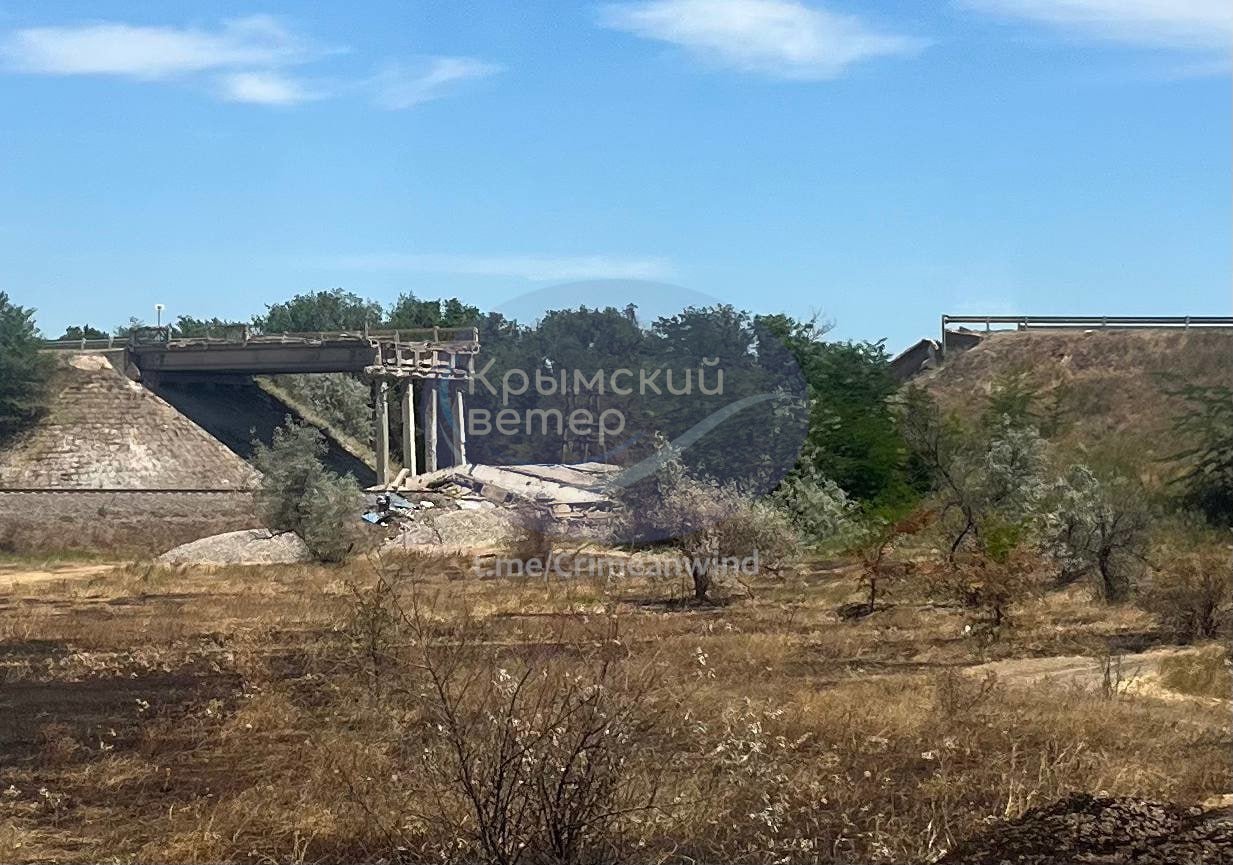
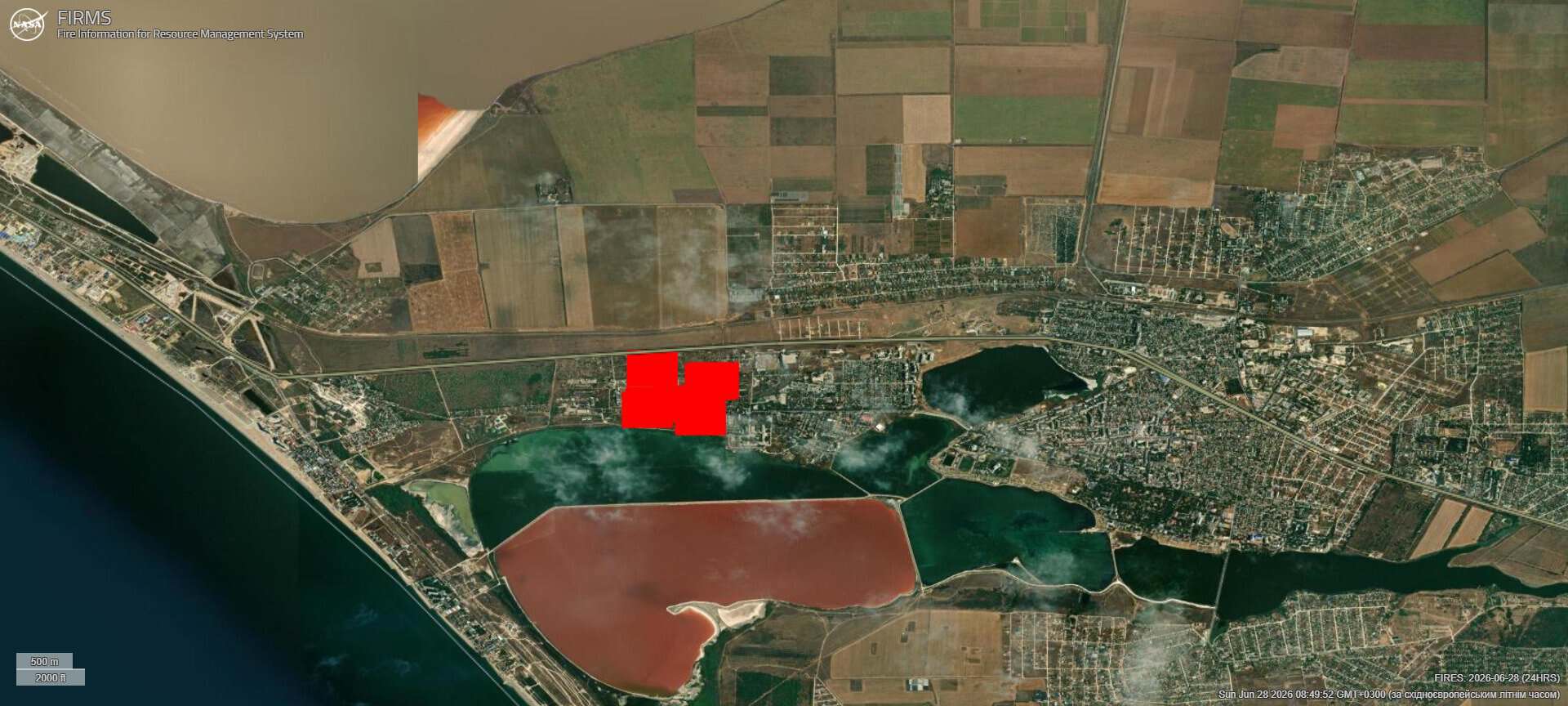
The June 26, 2026 emergency declaration in Crimea represents a critical geopolitical supply chain disruption with direct implications for cross-border e-commerce sellers. Russian-installed authorities announced a state of emergency following intensified Ukrainian drone attacks on energy infrastructure and logistics routes, creating acute fuel shortages and suspending tourism, children's camps, and fuel sales across the peninsula. This signals a 40-60% estimated disruption to regional supply chains and logistics networks that feed Russian consumer markets.
For cross-border sellers, this creates three immediate opportunities: First, tariff arbitrage through supply chain diversification—sellers currently sourcing from Russia or routing through Crimea should immediately pivot to alternative sourcing corridors (Vietnam, India, Turkey) where tariff rates on consumer goods average 8-15% lower than Russian routes. The fuel crisis and logistics collapse mean Russian import costs will spike 25-35% over the next 3-6 months as alternative transportation routes command premium pricing. Second, market access shifts in Eastern Europe—as Crimea's economy contracts and Russian supply chains fragment, neighboring markets (Ukraine, Moldova, Poland) will see increased demand for imported consumer goods, particularly fuel-efficient products, emergency supplies, and durable goods. Sellers can capture this demand by establishing Amazon EU or Shopify storefronts targeting these regions before competitors recognize the opportunity window. Third, competitive advantage for agile sellers—large Russian-based sellers dependent on Crimean logistics will face 4-8 week delays in inventory replenishment, creating a 60-90 day window where smaller, internationally-diversified sellers can capture market share in Russian e-commerce platforms (Yandex Market, Wildberries) by offering faster delivery times.
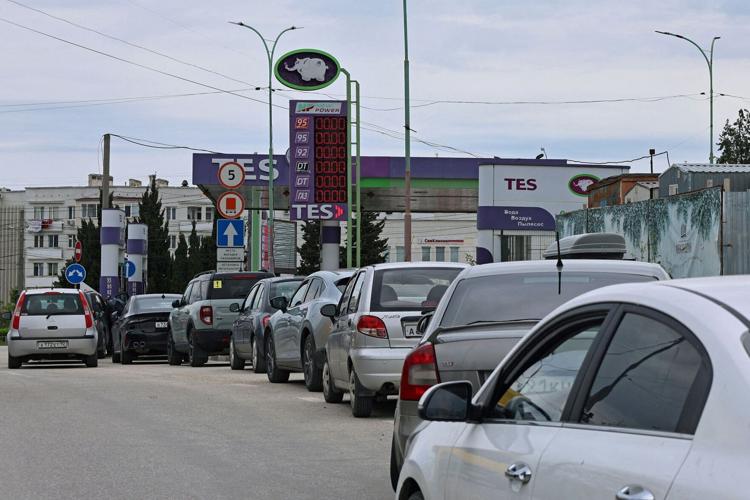
The operational impact is severe: Fuel prices in Crimea have already spiked 30-50%, and the emergency declaration suggests authorities will implement price controls or rationing that could further restrict commercial logistics. For sellers with inventory in Russian warehouses or 3PL facilities, this creates immediate risk of stranded stock. The suspension of tourism also signals broader consumer spending contraction—discretionary goods categories (apparel, electronics, home goods) will see 15-25% demand reduction in Crimea and adjacent Russian regions over Q3-Q4 2026. However, essential goods categories (food, hygiene products, fuel additives, emergency supplies) will see 40-60% demand spikes as consumers stockpile. Sellers should immediately audit their Russian inventory exposure and reallocate stock toward essential goods categories with higher velocity and lower logistics risk.
Questions 8
How should sellers adjust pricing strategy for emergency goods categories?
Essential goods categories (food, hygiene, fuel additives) will see 40-60% demand spikes but also 20-30% price inflation as supply constraints tighten. Implement dynamic pricing strategies: increase prices 15-20% on high-velocity SKUs while maintaining competitive positioning. Monitor competitor pricing on Wildberries and Yandex Market daily—price elasticity for essential goods is low (0.3-0.5), meaning 15-20% price increases will generate 5-10% volume increases. Avoid aggressive price increases above 25%—this triggers consumer backlash and regulatory scrutiny. Focus on margin expansion through cost reduction (sourcing diversification) rather than price increases.
What geopolitical risks should sellers monitor beyond June 2026?
The emergency declaration reflects escalating military pressure on Russian logistics infrastructure. Sellers should monitor Ukrainian military operations targeting Russian energy and transportation networks—each major attack creates 2-4 week supply chain disruptions. Establish contingency plans for complete Russian market exit if military escalation continues. Diversify payment and banking relationships to reduce exposure to Russian financial system sanctions. Monitor EU and US sanctions announcements—new sanctions on Russian energy or logistics sectors could trigger additional 30-50% cost increases. Consider geopolitical insurance for inventory in Russian warehouses (available through Lloyd's of London, typical cost 2-3% of inventory value annually).