




Japan Typhoon Disruption Triggers Supply Chain Risk | Seller Logistics Alert
- Four-day heavy rainfall disrupts air/rail transport across southwestern, western, eastern Japan; sellers shipping to/from affected prefectures face 5-14 day delays






Overview
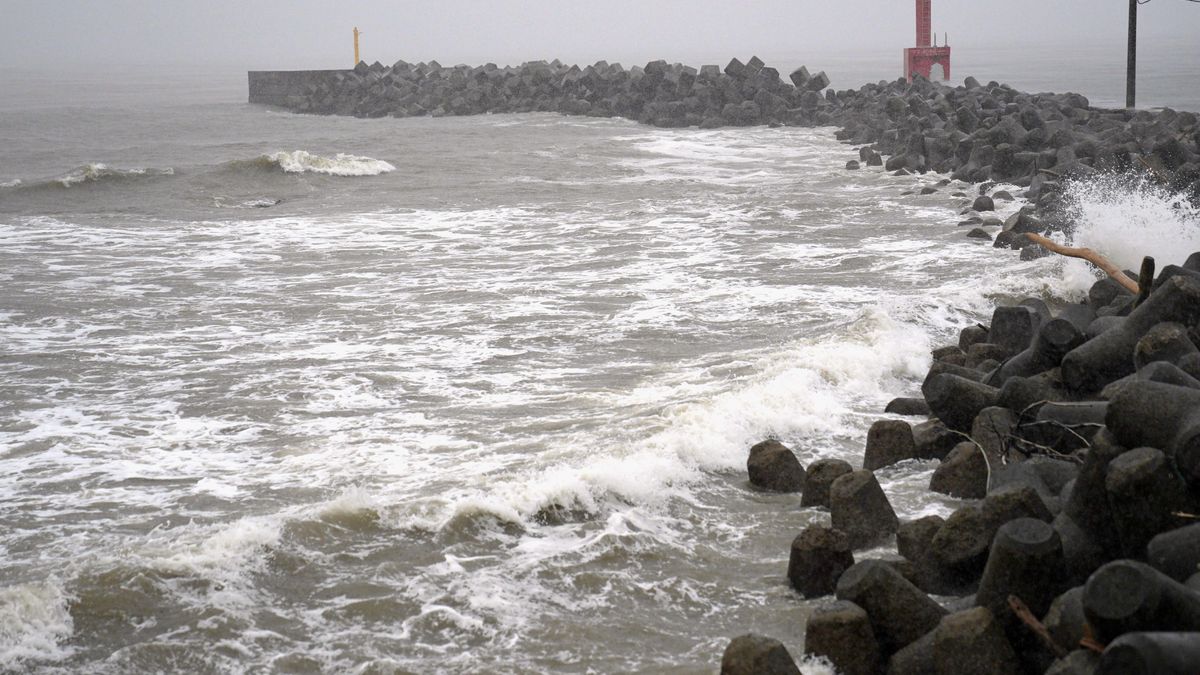
Typhoons Higos and Mekkhal created a critical supply chain disruption event across Japan's Pacific coast, with dual weather systems combining with seasonal rain fronts to trigger widespread infrastructure damage. The Japan Meteorological Agency confirmed both typhoons weakened to tropical depressions by Saturday evening after passing through southwestern, western, and eastern regions. The four-day heavy rainfall period caused measurable economic impact through transportation disruptions affecting domestic flights and rail services across multiple prefectures, with one fatality in Yamaguchi Prefecture and three additional injuries recorded.
For cross-border sellers, this weather event signals immediate logistics risks affecting Japan-based suppliers and sellers shipping inventory to Japanese fulfillment centers. The disruption to air and rail transportation directly impacts FBA shipments, 3PL warehouse operations, and last-mile delivery networks in affected regions. Sellers with inventory in transit to Japan or relying on Japanese manufacturing partners face potential 5-14 day delays, particularly those shipping electronics, apparel, and home goods through major ports and airports in southwestern and eastern Japan. Insurance companies reported significant property damage claims, indicating broader infrastructure vulnerability that may persist through Japan's rainy season (typically May-July).
The seasonal timing amplifies risk for sellers targeting Japanese consumer demand. Japan's rainy season creates predictable demand spikes for weather-related products—umbrellas, waterproof apparel, dehumidifiers, and emergency preparedness items—which typically see 30-50% sales increases during typhoon seasons. However, the simultaneous disruption of supply chains means sellers face inventory shortages precisely when demand peaks. Sellers with pre-positioned inventory in Japanese warehouses have competitive advantage, while those relying on just-in-time imports face stockouts. The event underscores infrastructure vulnerability in Japan's typhoon-prone coastal areas, where such systems occur regularly during specific seasonal windows, making disaster preparedness and supply chain redundancy critical for sellers dependent on Japanese logistics networks.
Immediate actions include reviewing inventory positions in affected prefectures, contacting 3PL providers for status updates, and considering alternative routing through less-affected regions. Sellers should monitor Japan Meteorological Agency forecasts through the rainy season and evaluate whether to pre-position additional inventory before peak demand periods. Strategic sellers can capitalize on demand spikes for emergency/weather-related products by securing inventory now, while logistics-focused sellers should diversify fulfillment networks to reduce single-region dependency.
Questions 7
How does this typhoon event affect Amazon FBA and Shopify sellers differently?
Amazon FBA sellers face direct inventory delays through Amazon's Japanese fulfillment network, which relies on air and rail transportation disrupted by the typhoons. Shopify sellers using 3PL providers have more flexibility to reroute shipments through alternative logistics partners, but face higher costs (typically 12-18% premium for expedited routing). The four-day disruption period means FBA sellers cannot quickly adjust inventory positions, while Shopify sellers can negotiate alternative fulfillment arrangements. Both seller types should contact their logistics partners immediately to assess inventory status and expected delivery timelines. FBA sellers should monitor Amazon Seller Central for fulfillment capacity alerts in affected regions.
What are the long-term supply chain implications of Japan's typhoon vulnerability?
Japan's infrastructure vulnerability to typhoons during rainy season (May-July) and typhoon windows creates recurring supply chain risk for sellers dependent on Japanese manufacturing, warehousing, or fulfillment. The recent Higos and Mekkhal event affected southwestern, western, and eastern regions simultaneously, indicating that geographic diversification within Japan may not fully mitigate risk. Sellers should evaluate nearshoring strategies to reduce Japan dependency, develop supplier relationships in less typhoon-prone regions, or invest in supply chain visibility tools to anticipate disruptions. Industry data shows that sellers with diversified sourcing across multiple Asian regions experience 40-60% fewer supply chain disruptions compared to Japan-concentrated suppliers.