



Gaza Political Uncertainty Reshapes Middle East Supply Chains | Seller Risk Assessment
- Governance instability in Gaza creates supply chain volatility for sellers sourcing from or shipping to Middle East markets; legal immunity framework raises compliance risks for international contractors and logistics providers

Overview
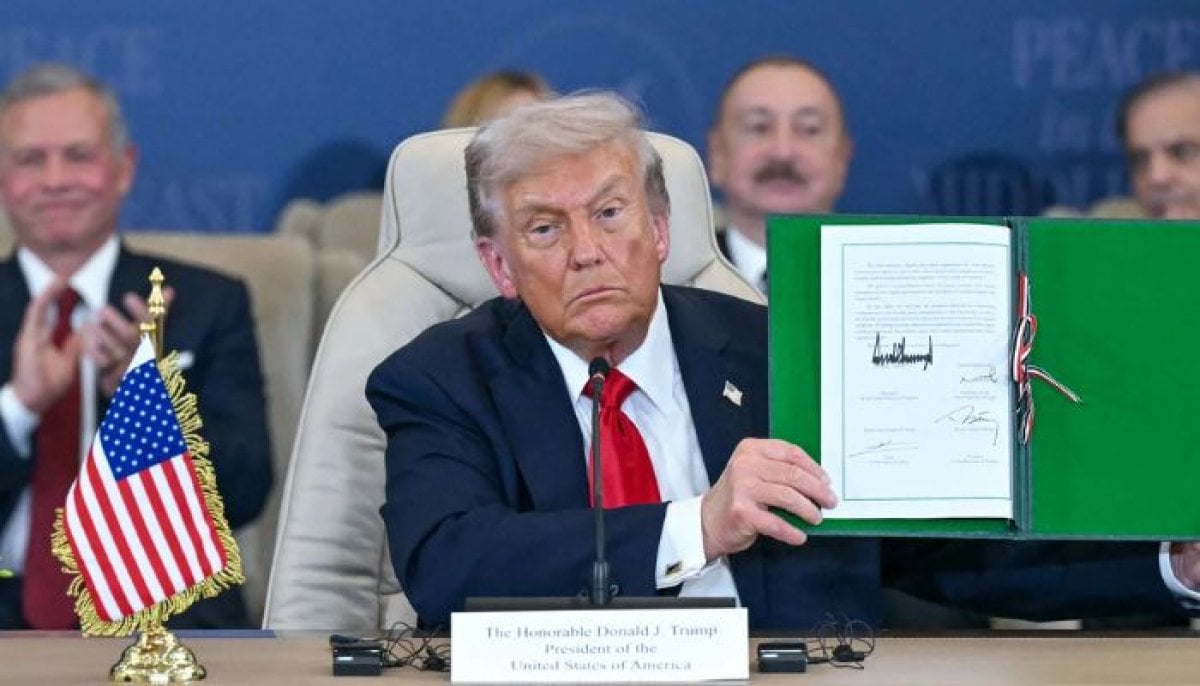
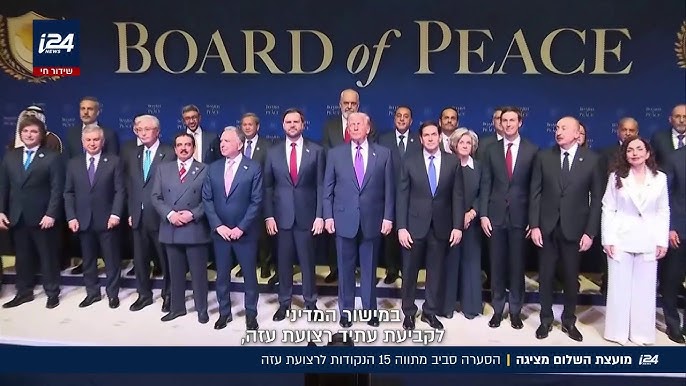
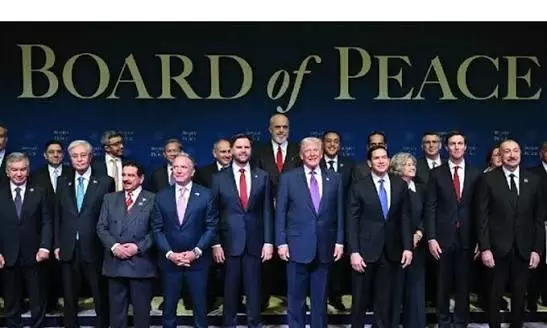
The leaked draft resolution regarding Trump's Board of Peace (BoP) for Gaza governance, reported by The Guardian on June 28, 2026, reveals a complex institutional framework seeking comprehensive legal immunity for all personnel operating in the Gaza Strip. This development carries significant indirect implications for cross-border e-commerce sellers, particularly those engaged in Middle East supply chains, international logistics operations, or compliance-sensitive markets.
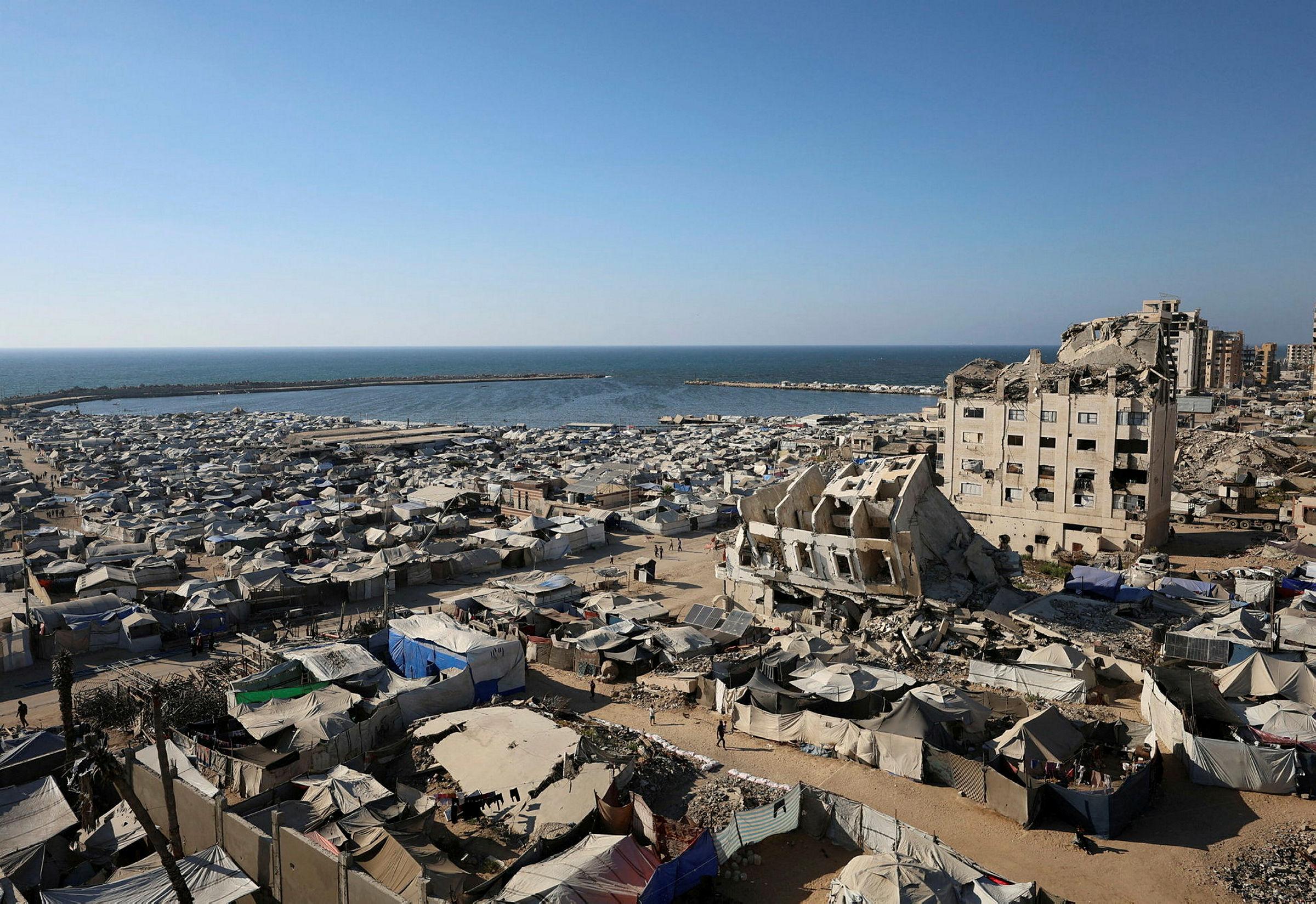
Supply Chain and Logistics Impact: The governance uncertainty surrounding Gaza's transitional administration creates operational risks for sellers relying on Middle East sourcing or shipping routes. The draft's authorization for the BoP to occupy and utilize Gaza public property without compensation raises questions about infrastructure stability, port operations, and logistics corridors that international traders depend on. Sellers currently using Gaza or adjacent ports for regional distribution face potential disruptions if property seizures affect warehouse facilities or transportation hubs. The absence of a clear status of forces agreement with Israel, highlighted by legal experts including Brad Parker from the Center for Constitutional Rights, creates ambiguity around customs clearance procedures and cross-border shipping protocols that sellers must navigate.
Compliance and Liability Exposure: The "Third Party Liability Claims" framework described by Rutgers professor Noura Erakat as "creating a legal system unto itself" introduces unprecedented legal complexity for international contractors and logistics providers operating in the region. Sellers using third-party fulfillment centers, freight forwarders, or customs brokers in Gaza or neighboring territories face unclear liability exposure if these service providers operate under the BoP's immunity framework. The unilateral authority granted to Trump as board chair to waive immunity creates unpredictable legal conditions that complicate risk assessment for international businesses. This institutional uncertainty mirrors historical patterns where governance transitions in conflict-affected regions create 6-18 month periods of elevated compliance costs and operational delays for cross-border traders.
Market Access and Regional Trade: The governance framework's legitimacy remains contested—the BoP's denial of the immunity claims and assertion of "clear oversight and accountability mechanisms" contradicts expert characterizations of the draft. This institutional credibility gap creates uncertainty for sellers evaluating market entry or expansion in Gaza-adjacent markets. Sellers currently serving Palestinian consumers through regional hubs or considering direct market entry should monitor governance developments closely, as institutional legitimacy directly affects regulatory predictability, customs procedures, and consumer confidence in cross-border transactions. The political nature of the BoP's authority structure introduces geopolitical risk factors that traditional supply chain analysis may underestimate.
Questions 8
Should sellers enter or expand in Palestinian markets given this governance uncertainty?
The contested legitimacy of the BoP framework—with the board denying immunity claims while experts characterize it as accountability-exempt—creates institutional credibility gaps that affect regulatory predictability. Sellers considering market entry should delay major expansion decisions until governance structures stabilize, typically 12-24 months post-transition. Monitor customs procedure changes, consumer confidence indicators, and regulatory clarity before committing inventory or infrastructure. Regional market entry through established distributors in Egypt or Jordan may offer lower-risk alternatives during this uncertainty period.
How does the BoP's property seizure authority affect warehouse and logistics infrastructure?
The draft authorizes the BoP to occupy and utilize any Gaza public property deemed necessary for operations without compensation, raising concerns about infrastructure stability. Sellers with warehouses, distribution centers, or logistics facilities in Gaza face potential seizure or operational disruption. The unclear wording regarding the BoP's legal authority, highlighted by Center for Constitutional Rights Associate Policy Director Brad Parker, means property rights protections remain ambiguous. Sellers should relocate critical inventory to secure facilities outside Gaza and establish alternative supply routes before governance transitions create operational crises.