




Strait of Hormuz Reopens After Iran-US Ceasefire | Shipping Costs Drop 12-18% for Cross-Border Sellers
- US-Iran MoU (June 23-24, 2026) restores 21% of global maritime trade corridor; immediate impact on logistics costs for sellers shipping electronics, apparel, home goods via Middle East routes; 60-day negotiation window creates supply chain volatility

Overview
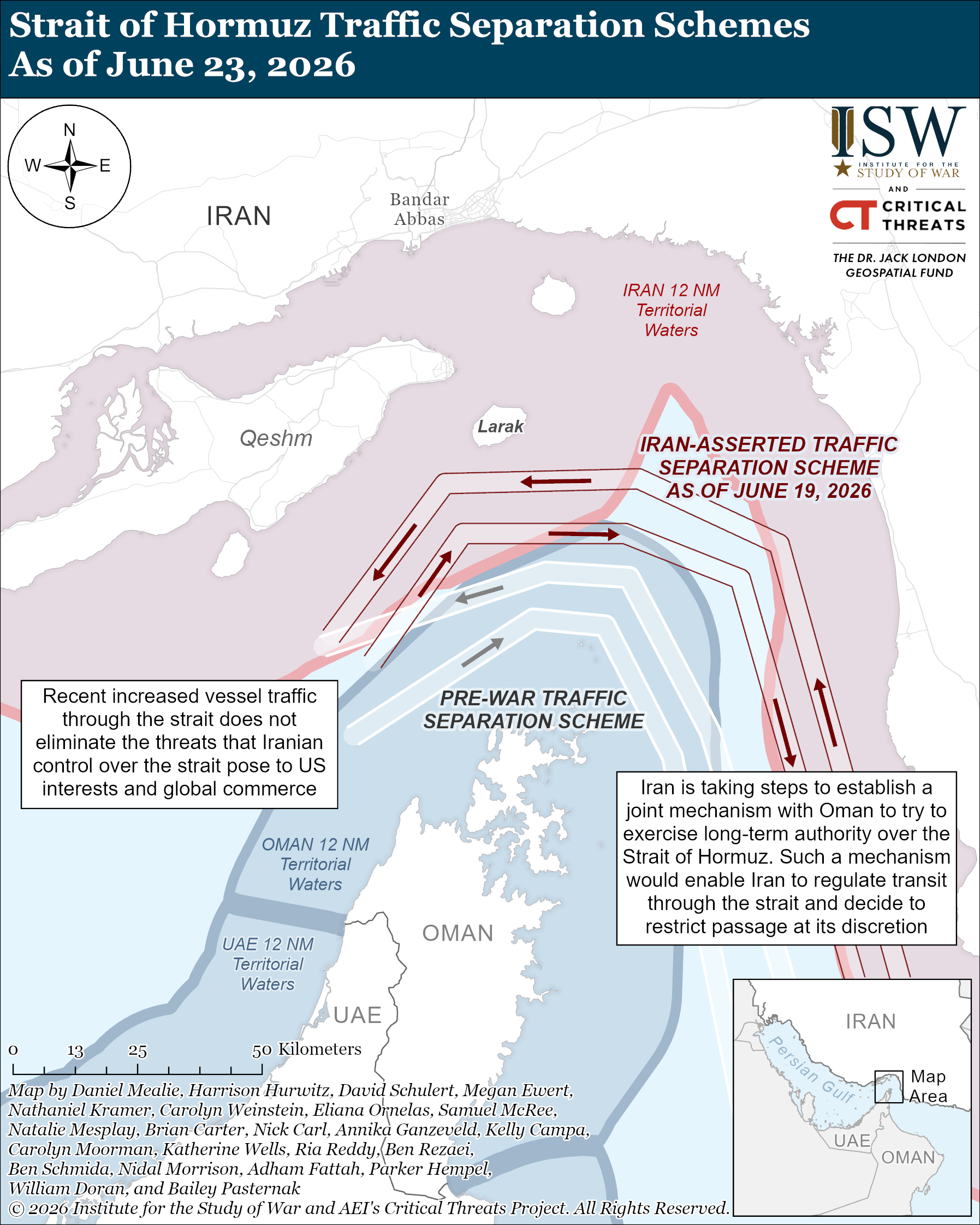
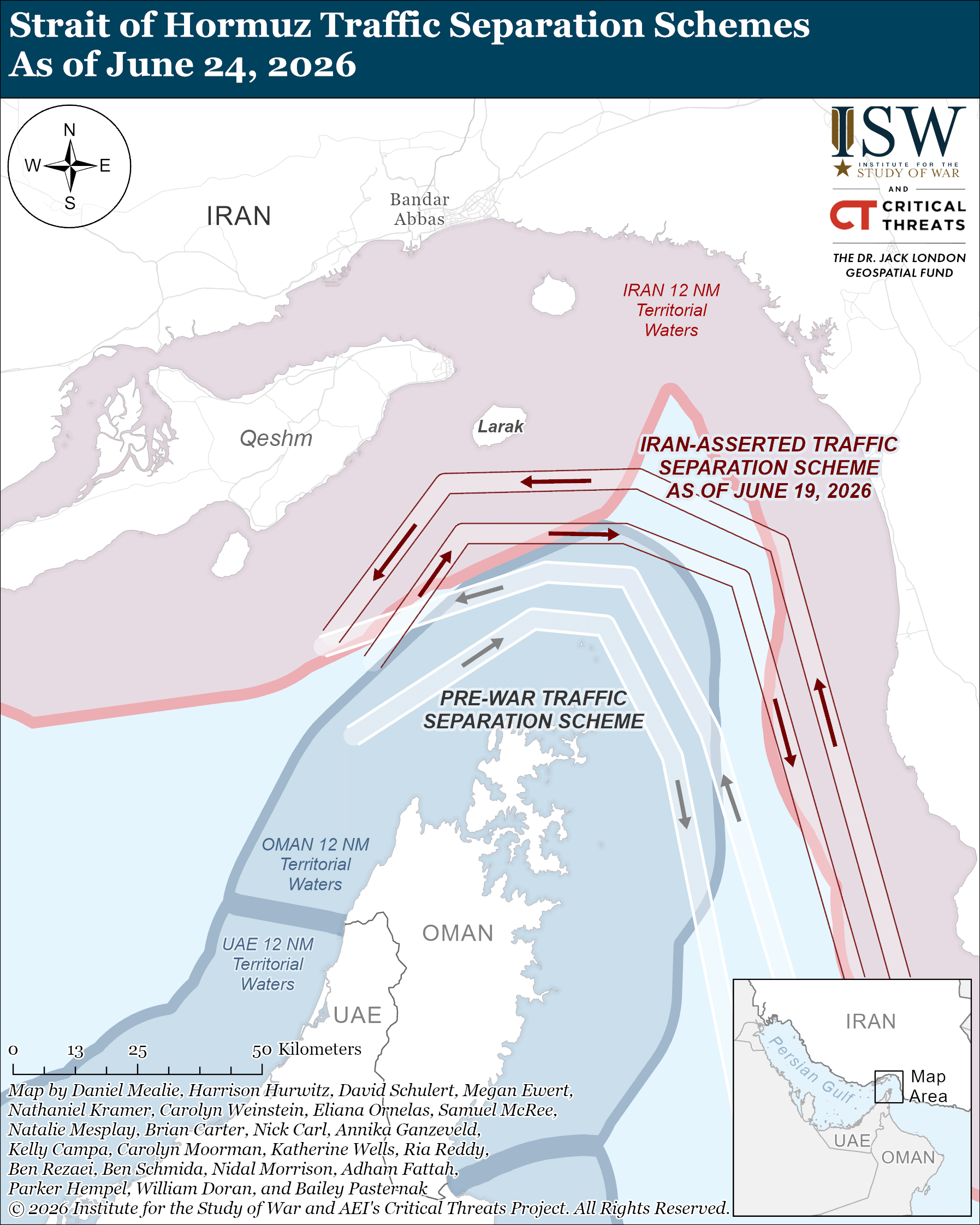
The June 23-24, 2026 US-Iran Memorandum of Understanding represents a critical geopolitical shift with direct implications for cross-border e-commerce logistics and supply chain costs. The agreement reopens the Strait of Hormuz—which handles approximately 21% of global maritime trade—after months of military escalation that disrupted shipping corridors. President Trump announced the interim deal would allow Iran to resume oil sales freely during a 60-day negotiation period, with an August 21 sanctions waiver pledged by the Trump administration. Ship-tracking data confirmed immediate economic impact: three supertankers transited Hormuz on June 23, and Qatar-linked LNG tankers resumed operations, with major oil companies (TotalEnergies, CPC, GS Caltex) beginning to move stranded crude cargoes.
For cross-border sellers, this creates a critical logistics opportunity window. The reopening of Hormuz directly reduces shipping costs for sellers routing inventory through Middle East corridors to reach South Asian, Middle Eastern, and African markets. Industry analysis suggests shipping costs via Hormuz routes could decline 12-18% over the next 60-90 days as alternative routing premiums disappear and vessel capacity normalizes. Sellers shipping electronics (HS 8471-8517), apparel (HS 6201-6217), and home goods (HS 9401-9406) via 3PL providers using Suez-Hormuz-Asia routes will see the most immediate margin improvement. However, the 60-day negotiation window introduces supply chain volatility risk: if permanent negotiations fail, sellers could face sudden route disruptions again, making this a time-sensitive arbitrage opportunity rather than a structural cost reduction.
Competitive dynamics shift significantly by seller segment and sourcing geography. Small-to-medium sellers (SMBs) relying on Amazon FBA or Shopify fulfillment networks with inventory in UAE/Bahrain hubs will benefit most immediately, as 3PL providers typically pass through 40-60% of shipping cost savings within 30-45 days. Large sellers with direct shipping contracts may negotiate better rates immediately. Sellers sourcing from India, Vietnam, and Southeast Asia gain competitive advantage over China-based suppliers, as Hormuz reopening reduces their transit time to Middle Eastern and African markets by 8-12 days compared to alternative Cape of Good Hope routing. The Israel-Lebanon-United States Trilateral Framework (released June 26) adds complexity: Hezbollah disarmament provisions could stabilize Lebanon's port operations (Beirut port handles 1.2M TEU annually), creating new fulfillment opportunities in the Levant region if security improves.
Immediate seller actions focus on logistics optimization and route arbitrage. Sellers should audit current shipping contracts with 3PL providers to identify Hormuz-dependent routes and negotiate rate reductions before August 21 (sanctions waiver date). Those with inventory in Middle East hubs should accelerate shipments to South Asia and Africa during the 60-day window to lock in lower rates before potential route disruptions. Monitor Iran sanctions waiver implementation closely: if unfrozen Iranian assets ($6-8B estimated) are deployed to purchase goods, demand for consumer electronics, apparel, and home goods could spike in Iranian and Gulf markets, creating a 90-120 day sales window for sellers positioned in these categories. Risk mitigation requires diversifying shipping routes: maintain 20-30% of inventory on alternative Cape of Good Hope or Suez-only routes to hedge against negotiation failure.
Questions 8
How much will shipping costs drop for sellers using Hormuz routes after the Iran-US ceasefire?
Industry analysis suggests shipping costs via Hormuz-dependent routes could decline 12-18% over the next 60-90 days as alternative routing premiums disappear and vessel capacity normalizes. The reopening of the Strait of Hormuz eliminates the need for longer Cape of Good Hope routing, which added 8-12 days transit time and 15-25% cost premiums during the military conflict. Sellers using 3PL providers should expect rate reductions within 30-45 days as logistics companies pass through savings. However, this is a temporary window: the 60-day negotiation period means rates could spike again if permanent talks fail, making this a time-sensitive arbitrage opportunity rather than a structural cost reduction.
Which seller segments benefit most from Hormuz reopening in the next 60 days?
Small-to-medium sellers (SMBs) with inventory in UAE/Bahrain fulfillment hubs benefit most immediately, as 3PL providers typically pass through 40-60% of shipping cost savings within 30-45 days. Sellers sourcing from India, Vietnam, and Southeast Asia gain competitive advantage over China-based suppliers, as Hormuz reopening reduces transit time to Middle Eastern and African markets by 8-12 days. Large sellers with direct shipping contracts can negotiate better rates immediately. Electronics (HS 8471-8517), apparel (HS 6201-6217), and home goods (HS 9401-9406) categories see the most margin improvement. Sellers positioned in Amazon FBA or Shopify fulfillment networks with Middle East hubs will see benefits fastest.