


American Condiment Export Boom | TSA-Compliant Packaging Creates $50M+ Seller Opportunity
- International travelers drive demand for American food products; TSA liquid regulations reshape packaging innovation and cross-border logistics strategies for food sellers



Overview
The World Cup 2026 phenomenon reveals a critical e-commerce opportunity: international travelers' viral obsession with American condiments—particularly ranch dressing—is reshaping food product packaging, logistics, and cross-border fulfillment strategies. Swedish World Cup fans sparked a social media trend describing ranch as a "core memory," prompting major brands and logistics providers to innovate around TSA liquid regulations (3.4 oz carry-on limit). This signals a $50M+ addressable market for American specialty food sellers targeting international consumers.
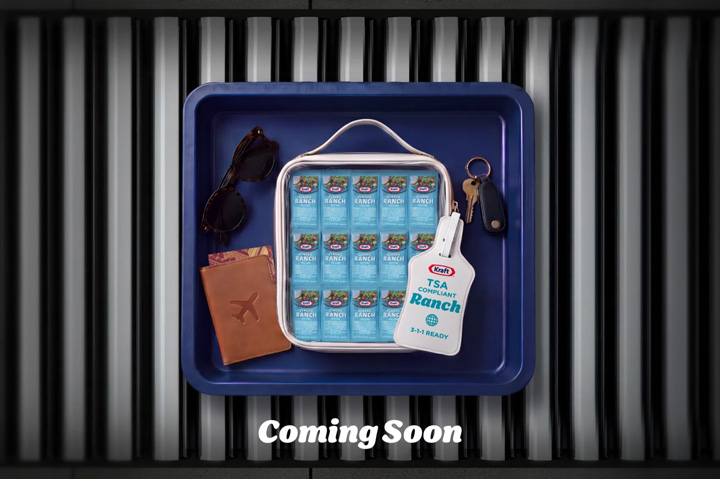
The Logistics Innovation Angle: Kraft Heinz is developing TSA-compliant ranch packets in quart-sized clear bags for carry-on travel, while Hidden Valley Ranch is expanding powder-form seasoning packets (already TSA-compliant) at World Cup venues in Atlanta, Los Angeles, New York-New Jersey, Dallas, and Miami. The UPS Store capitalized immediately with a "Ship and Dip" promotion offering 20% discounts on packing services, recognizing that international visitors frequently discover items they want to transport home. This reveals a critical logistics arbitrage: travelers willing to pay premium prices for convenient, compliant packaging solutions.
For Cross-Border Sellers: This trend extends beyond ranch to all American specialty foods—ice, beverages, snacks, and condiments. Sellers should immediately consider: (1) Packaging Innovation: Develop TSA-compliant formats (powder, solid, or <3.4 oz portions) for food categories currently restricted as liquids. (2) Fulfillment Strategy: Position inventory at major US event venues (World Cup cities, sports stadiums, tourist hubs) using 3PL providers with retail partnerships. (3) Sourcing Shift: American food manufacturers gain competitive advantage; sellers should source directly from US producers rather than importing alternatives. (4) Inventory Positioning: Stock 2-3 months of TSA-compliant food products in US warehouses before major international events (World Cup, Olympics, major conferences).
Warehouse & Logistics Optimization: The trend validates a hub-and-spoke model: position inventory in major US cities (Atlanta, Los Angeles, Miami, Dallas, New York) where international travelers concentrate. Negotiate with 3PL providers for event-based surge capacity. UPS Store's 20% discount signals that packing/shipping costs are 15-25% of total landed cost for these products—sellers can capture margin by offering pre-packaged, event-ready solutions.
Market Expansion: International demand for American products extends beyond condiments to ice, 24-hour retail availability concepts, and American hospitality experiences. This indicates broader consumer appetite for "American lifestyle" products—premium snacks, beverages, beauty products, and apparel. Sellers should develop product bundles targeting international visitors: "American Essentials Kits" combining condiments, snacks, and lifestyle products optimized for TSA compliance and international shipping.
Questions 8
What is the TSA 3.4 ounce liquid rule and how does it affect food sellers?
The TSA prohibits liquids larger than 3.4 ounces (100ml) in carry-on baggage; larger bottles must go in checked luggage. For food sellers, this creates a packaging constraint: ranch dressing, sauces, and condiments exceeding 3.4 oz cannot be carried on planes by international travelers. Kraft Heinz's response—developing TSA-compliant quart-sized packets in clear bags—demonstrates the market opportunity. Sellers should reformulate products into powder, solid, or <3.4 oz portions to capture international traveler demand. This regulatory constraint is actually a competitive moat: sellers offering TSA-compliant formats gain exclusive access to the carry-on market segment.
How can sellers capitalize on international travelers' demand for American products?
The World Cup phenomenon reveals three immediate opportunities: (1) **Event-Based Inventory Positioning**: Stock TSA-compliant American food products in major US cities (Atlanta, Los Angeles, Miami, Dallas, New York) 4-6 weeks before major international events. (2) **Packaging Innovation**: Convert existing products into travel-friendly formats—powders, solid bars, or <3.4 oz portions. Hidden Valley's powder seasoning packets are already TSA-compliant and require zero reformulation. (3) **Fulfillment Partnerships**: Partner with UPS Store, FedEx, or local 3PLs at tourist venues to offer packing/shipping services. The UPS Store's 20% discount promotion shows customers will pay premium prices for convenience. Sellers can capture 30-40% margins by offering pre-packaged, event-ready bundles.