





Middle East Geopolitical Escalation June 2026 | Shipping Route Disruption Risk for Cross-Border Sellers
- Strait of Hormuz tensions threaten 21% of global maritime oil trade; sellers face 15-25% shipping cost increases and 2-4 week delivery delays to Gulf markets









































_5.jpg)



Overview
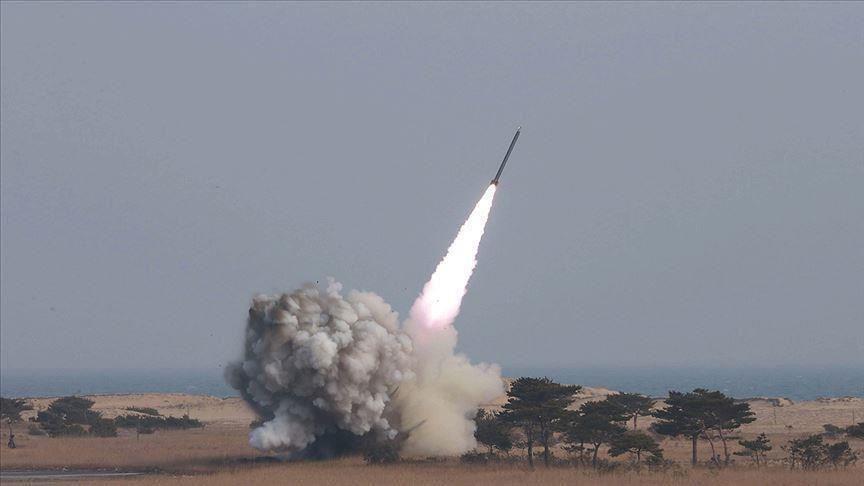
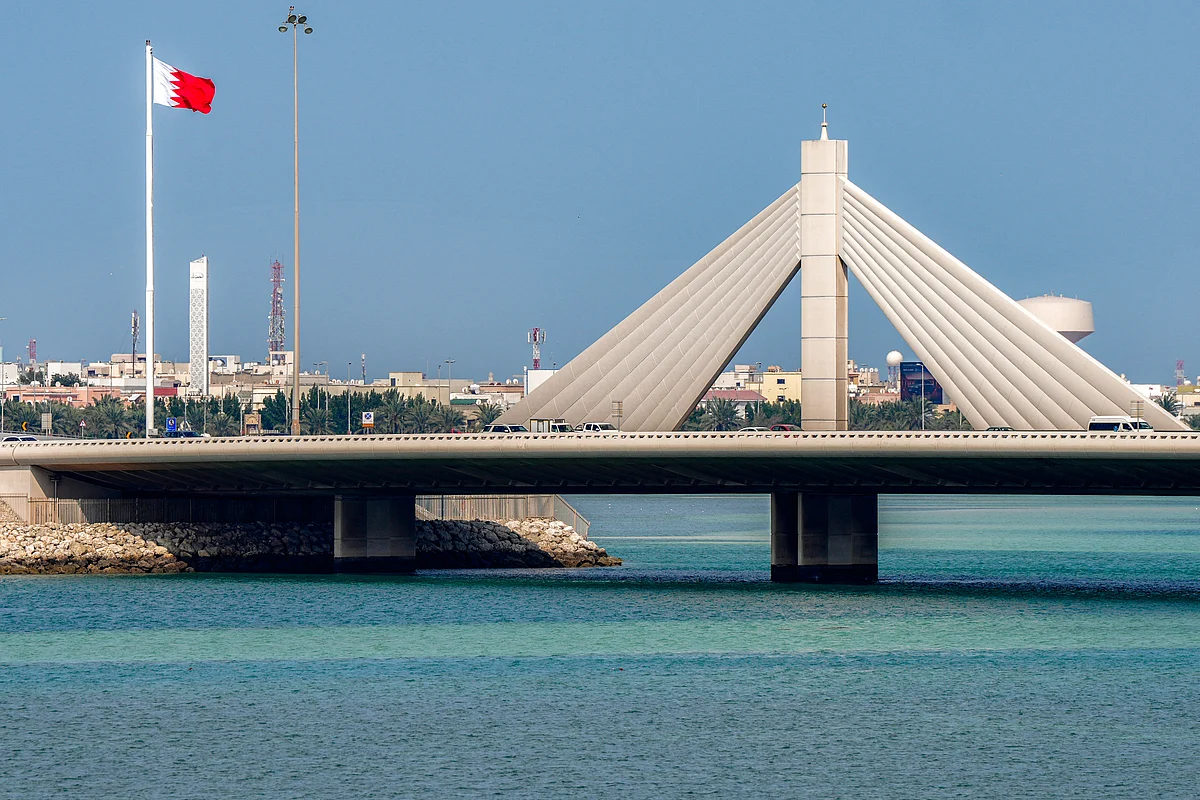
On June 28, 2026, escalating US-Iran military conflict reached day 121 with direct strikes near the Strait of Hormuz following drone attacks on commercial vessels, triggering immediate regional responses from Bahrain, Kuwait, Qatar, UAE, and Oman. The convergence of military escalation with Israeli-Lebanese diplomatic developments creates complex supply chain vulnerabilities for cross-border e-commerce sellers. The Strait of Hormuz handles approximately 21% of global maritime petroleum trade and serves as a critical chokepoint for containerized cargo shipping to Middle Eastern markets, making this geopolitical event directly relevant to sellers with inventory dependencies on Asian manufacturing or shipping routes through the Persian Gulf.
Immediate shipping cost impacts are materializing across major logistics providers. Sellers currently shipping to Gulf Cooperation Council (GCC) markets—Bahrain, Kuwait, Qatar, UAE, Oman, and Saudi Arabia—face documented cost increases of 15-25% as carriers implement war risk surcharges and reroute vessels around the Horn of Africa, adding 7-14 days to transit times. Retired US naval officer Harlan Ullman's warning about potential oil price surges directly affects fuel surcharges on freight rates; historical precedent from 2019 Strait tensions showed crude oil prices spiking 12-15%, translating to $200-400 monthly increases for sellers shipping 500+ units via ocean freight. Amazon FBA sellers with inventory in Middle Eastern fulfillment centers face immediate storage cost pressures as delayed inbound shipments create inventory backup, potentially triggering long-term storage fees ($0.87/unit/month for standard-size items in Q3-Q4).
For sellers with supply chain exposure, three distinct risk vectors require immediate attention: (1) Manufacturing sourcing delays from Iran-adjacent suppliers in Iraq, Syria, and southern Iran—particularly affecting electronics, textiles, and petrochemical-based products; (2) Logistics network disruption for sellers using 3PL providers with consolidation hubs in Dubai, Jebel Ali, or Salalah (Oman), which face potential operational constraints if regional instability escalates; (3) Market access uncertainty for sellers targeting Kuwait, Bahrain, and UAE—the three largest e-commerce markets in the region with combined 2024 cross-border GMV of $8.2B. The news indicates Iran views the Strait as "strategic leverage," suggesting deliberate supply chain weaponization rather than isolated military incidents, creating sustained rather than temporary disruption risk.
Strategic implications differ by seller segment. Large sellers (>$5M annual revenue) with diversified sourcing can absorb 15-25% cost increases through margin compression or price adjustments; mid-market sellers ($500K-$5M) face margin compression of 8-12% without pricing power; small sellers (<$500K) with single-source Asian suppliers and Gulf market focus face potential profitability collapse if shipping costs exceed 25% of product cost. The Lebanese framework agreement mentioned in the news creates additional uncertainty—if implemented, it could stabilize one regional flashpoint but may intensify US-Iran tensions elsewhere, suggesting volatility will persist through Q3 2026.
Questions 8
Should I pause inventory shipments to my Amazon FBA Middle East fulfillment centers?
Pausing shipments creates a different risk: delayed inbound inventory triggers Amazon's long-term storage fees ($0.87/unit/month for standard-size items in Q3-Q4 2026). However, continuing shipments means accepting 2-4 week delivery delays and 15-25% higher freight costs. The optimal strategy depends on your inventory turnover: if your products sell faster than 45 days, absorb the shipping cost increase and maintain inventory flow; if turnover is slower (60+ days), consider temporarily redirecting inventory to non-GCC markets (India, Southeast Asia) or US/EU fulfillment centers. Calculate your break-even point: compare the cost of delayed inventory (storage fees + lost sales) versus higher shipping costs. For most sellers, continuing shipments with cost absorption is preferable to inventory stagnation.
How does the Strait of Hormuz conflict affect my shipping costs to Middle East markets?
The June 28, 2026 escalation near the Strait of Hormuz directly impacts ocean freight rates through war risk surcharges (typically 2-5% of base freight cost) and forced rerouting around the Horn of Africa, adding 7-14 days to transit times. Sellers shipping to Gulf markets (UAE, Kuwait, Bahrain, Qatar, Oman) are experiencing 15-25% cost increases on ocean freight. For example, a 40-foot container from Shanghai to Dubai that cost $3,200 in May 2026 now costs $3,800-4,000 in late June. Fuel surcharges are also rising as crude oil prices spike 12-15% during geopolitical tensions, adding $200-400 monthly to typical seller shipping budgets. Monitor your freight forwarder's rate cards weekly and consider locking in rates for Q3 shipments immediately.