
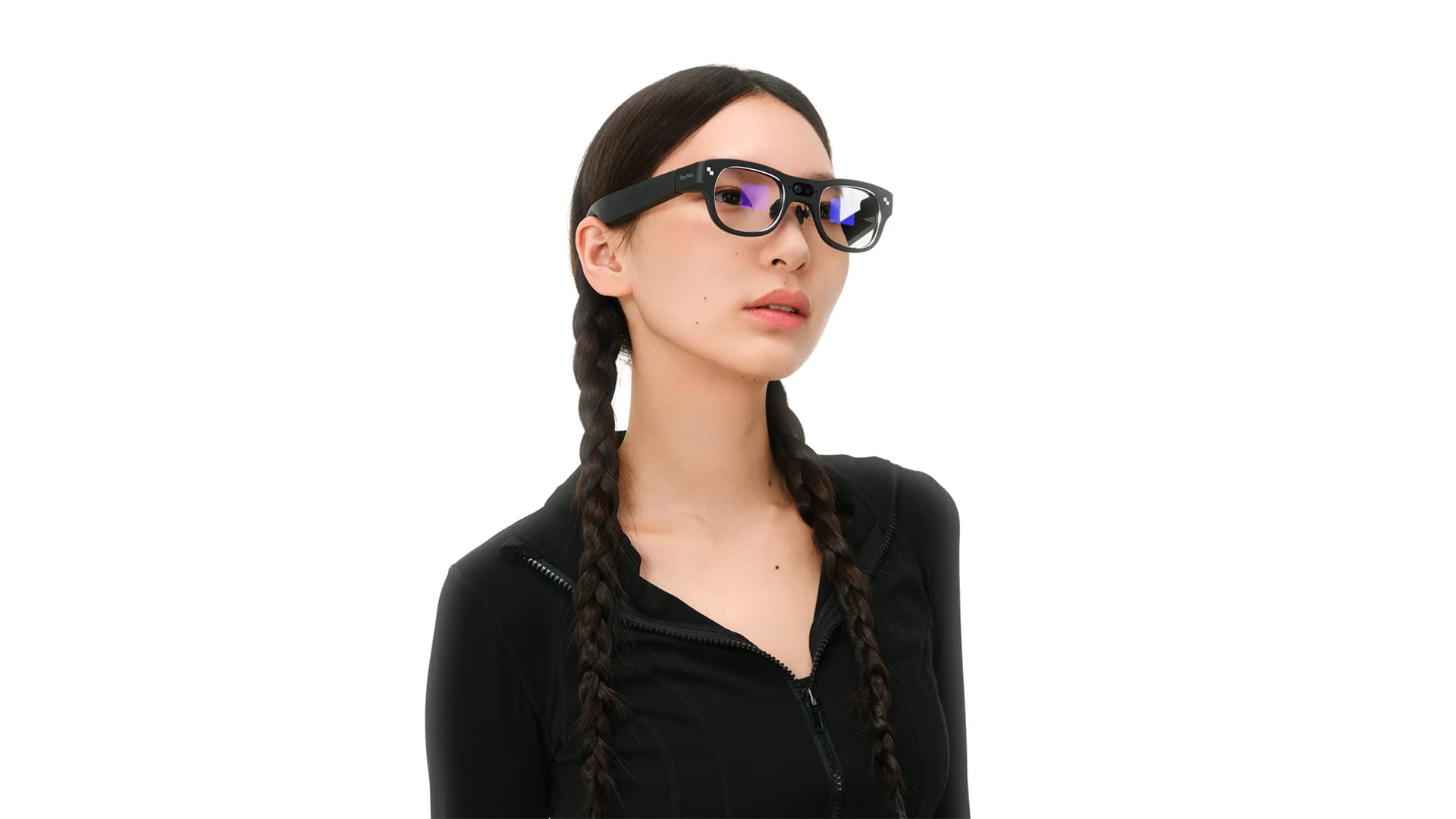



Smart Glasses Accessories Boom | $11.9B Market Opportunity for Sellers 2025-2033
- Meta dominates 84% market share with 97M units shipped in 2025; global market projected to grow from $2.5B to $14.4B by 2033, creating urgent accessory and privacy-solution product opportunities










Overview
The smart glasses market is experiencing explosive growth with profound implications for cross-border sellers. Meta commands 84% global market share after shipping 97 million units in 2025, with the overall market projected to expand from $2.5 billion in 2025 to $14.4 billion by 2033—a 476% growth trajectory. This represents a $11.9 billion cumulative opportunity window. The company's recent collaboration with Kylie Jenner on independently branded smart glasses priced at $299 signals mainstream consumer adoption acceleration, while competitors Google, Snap, and Apple are aggressively entering the space with differentiated product strategies.
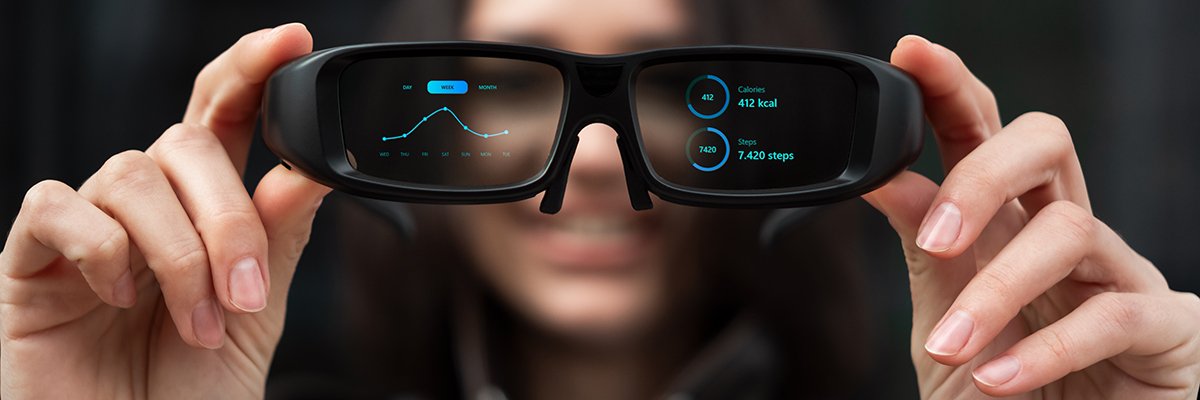
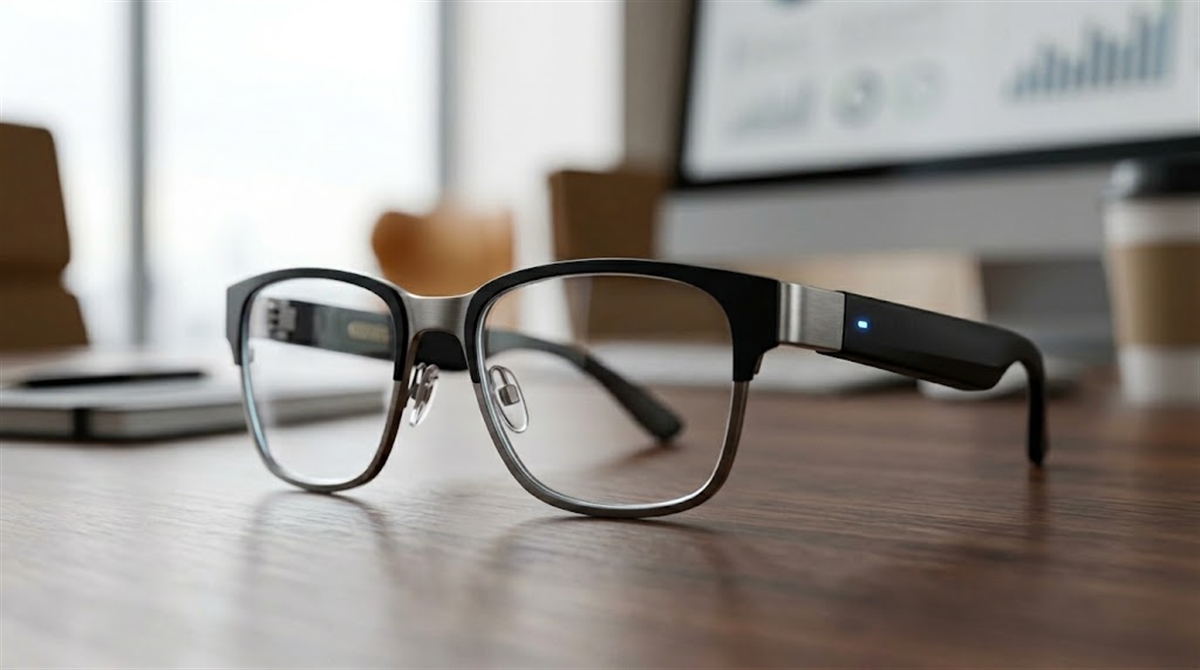
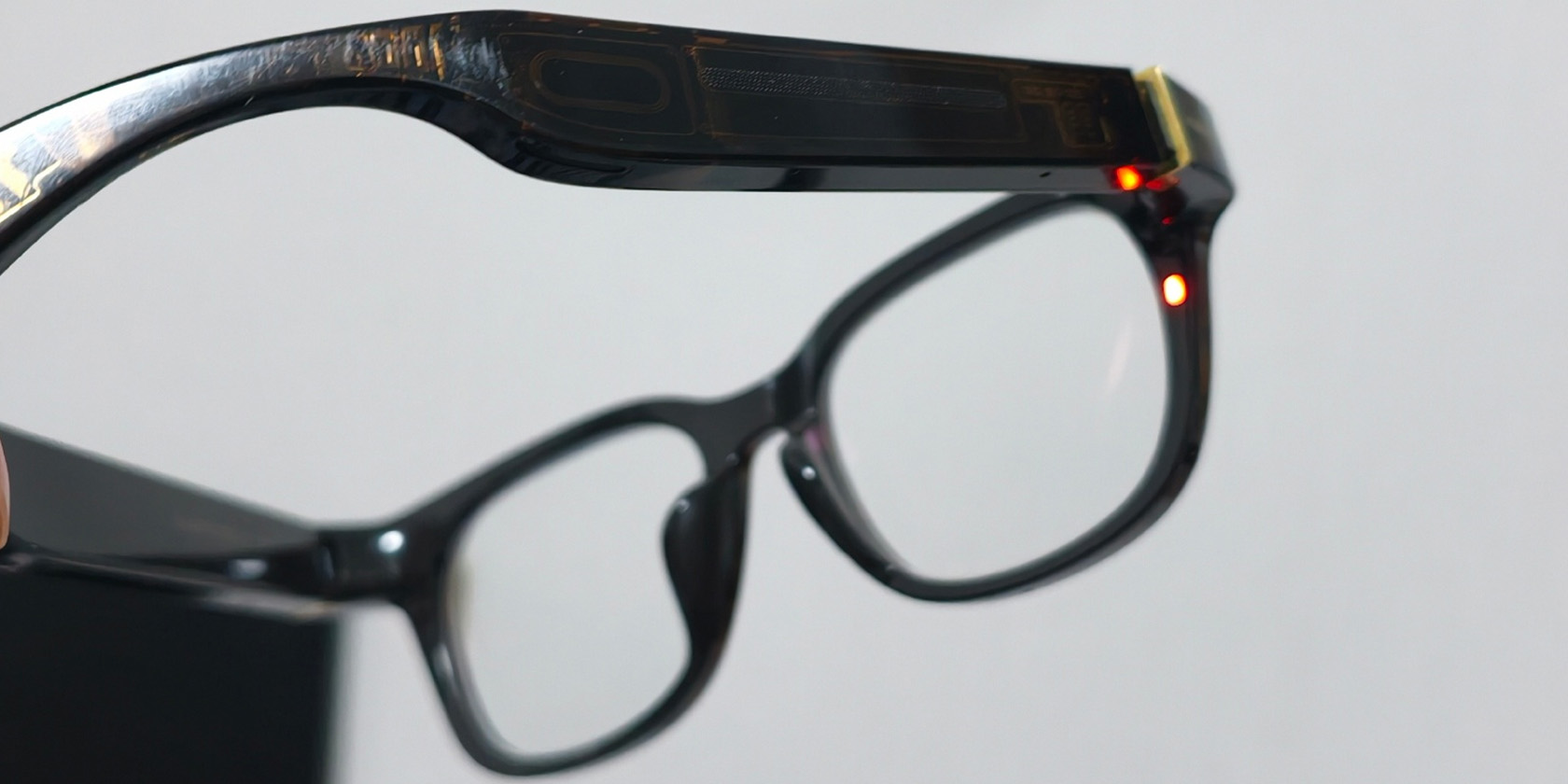
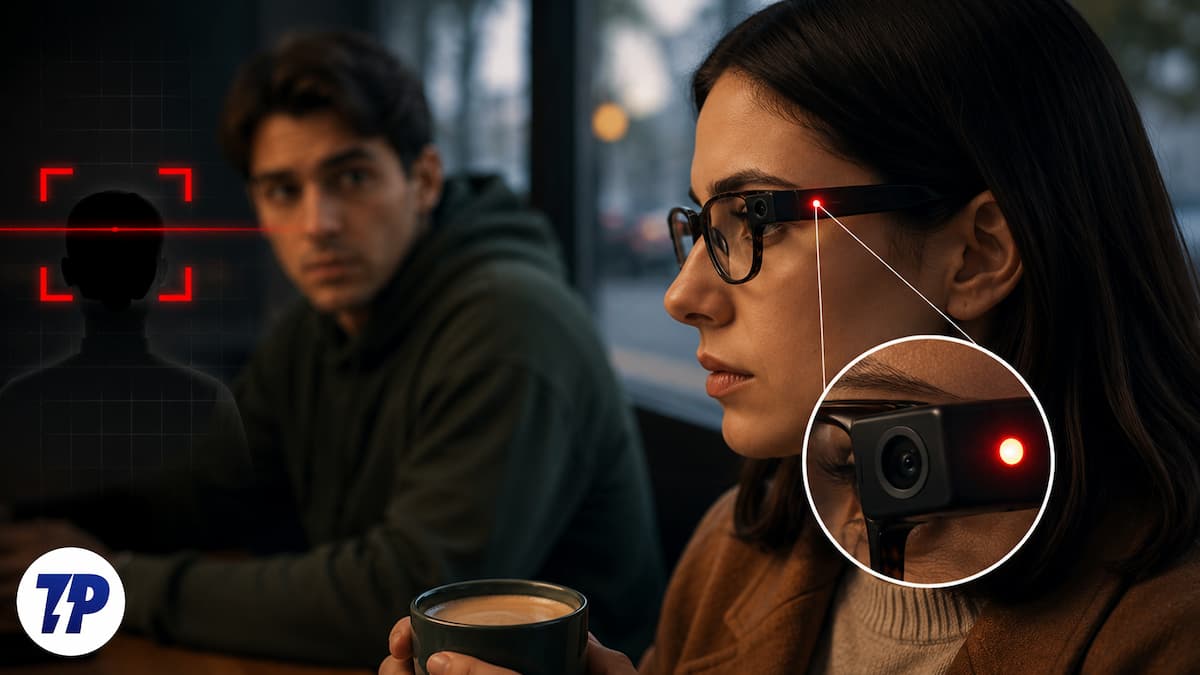
For sellers, this creates three distinct product opportunity vectors. First, the accessory market is rapidly maturing: Lorika's Ontop clip-on frame covers (€35-€40 price point) demonstrate immediate demand for customization and protection products. These polycarbonate frame covers address a critical gap in the market—consumers want fashion-forward personalization beyond Meta's standard offerings. Second, privacy-protection accessories represent an emerging category as civil rights groups and data privacy experts raise concerns about covert recording capabilities. The news documents multiple incidents of unauthorized filming, creating demand for privacy-focused products like camera covers, privacy indicators, and anti-surveillance accessories. Third, the celebrity-driven marketing strategy (Meta-Kylie Jenner partnership, Snap's reported $100M Robert Downey Jr. deal) signals that influencer-adjacent merchandise and branded collaborations will drive consumer purchasing decisions.
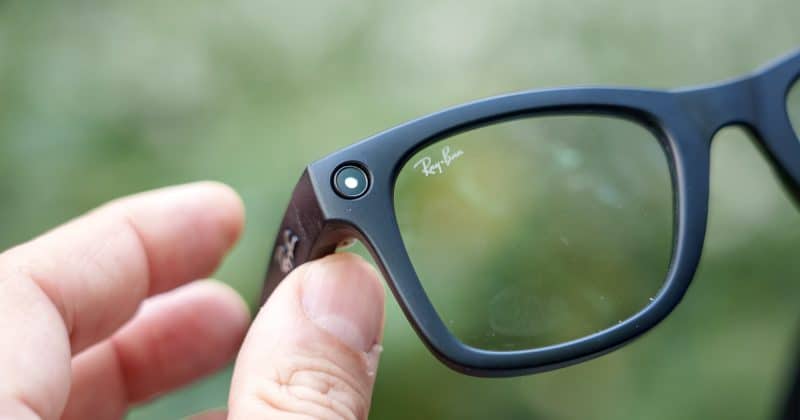
Critical market dynamics favor early-mover sellers. The market divides into two adoption camps: screen-free glasses gaining traction among early adopters (higher margin opportunity), and heavier augmented-reality displays like Snap's Specs struggling for acceptance. This bifurcation creates distinct seller positioning opportunities—lightweight accessory sellers can target the mainstream-friendly Ray-Ban Meta segment (97M installed base), while premium AR accessory sellers can focus on the niche Snap/Google segments. Geographic adoption varies significantly: the news emphasizes that smart glasses face "geographic and cultural adoption challenges," meaning sellers in North America and Western Europe have first-mover advantages before Asian and LATAM markets mature. Pricing data shows Meta's Ray-Ban glasses range $300-$800, establishing a premium consumer segment with higher accessory spending capacity (typically 15-25% of device price in wearables categories).
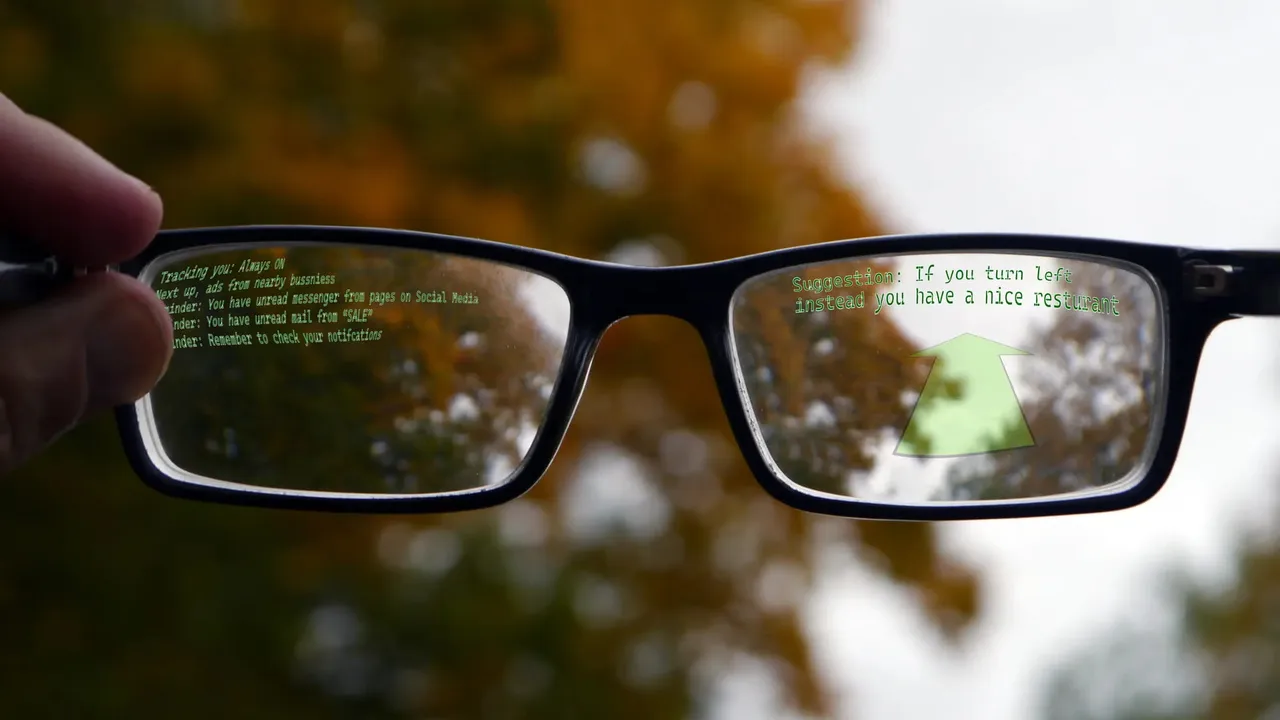
Regulatory headwinds create both risks and opportunities. Privacy concerns documented in the news—including incidents in Australia, San Francisco, and international locations—are driving civil society advocacy for "stronger privacy legislation and manufacturer accountability measures." This regulatory pressure will likely accelerate demand for privacy-focused accessories and compliance-oriented products. Sellers should anticipate that privacy-protection accessories (camera covers, privacy indicators, anti-recording detection tools) will become compliance-adjacent products in markets like EU, Australia, and potentially California. The news explicitly states that "regulatory frameworks struggle to keep pace with technological advancement," creating a 12-24 month window where sellers can establish market leadership in privacy accessories before formal regulations crystallize.
Questions 8
Which geographic markets offer the highest near-term opportunity for smart glasses sellers?
North America and Western Europe represent first-mover markets with established consumer adoption and regulatory frameworks. The news emphasizes that smart glasses face 'geographic and cultural adoption challenges,' meaning Asian and LATAM markets are 12-24 months behind adoption curves. Sellers in developed markets can establish brand leadership and market share before competition intensifies in emerging regions. Meta's 97M unit shipments in 2025 are concentrated in developed markets, creating immediate accessory demand in these geographies.
What privacy concerns are creating demand for new product categories?
Multiple documented incidents show smart glasses being used for covert recording without consent—including cases in Australia, San Francisco, and international locations. Civil rights groups are advocating for stronger privacy legislation and manufacturer accountability. This regulatory pressure is creating demand for privacy-focused accessories like camera covers, privacy indicators, and anti-surveillance products. Sellers should anticipate that privacy-protection accessories will become compliance-adjacent products in EU, Australia, and potentially California within 12-24 months as regulations crystallize.