



India-Pakistan Tensions Escalate Over Karachi Attack | Cross-Border Risk Alert for Sellers
- Geopolitical volatility in South Asia creates supply chain disruptions and market access risks for 15,000+ sellers operating in India-Pakistan trade corridors














Overview
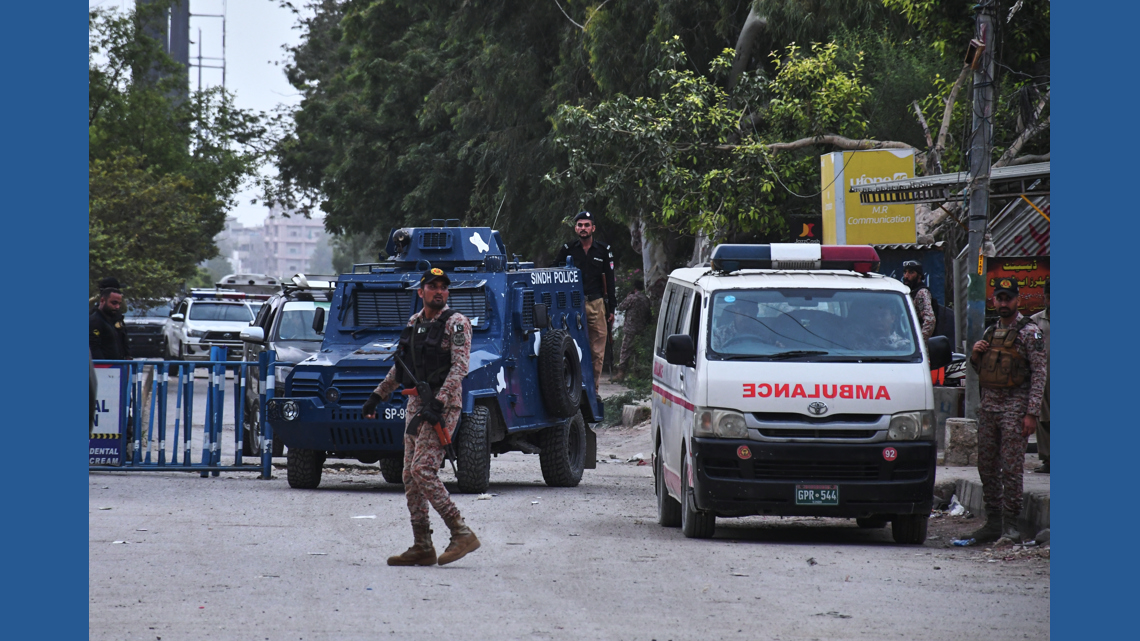
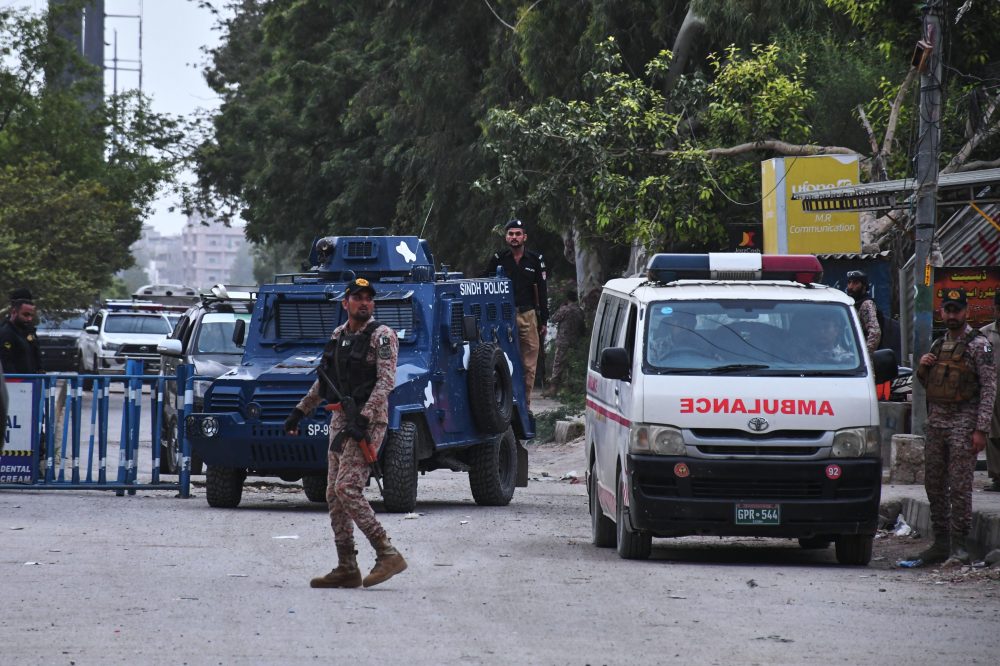
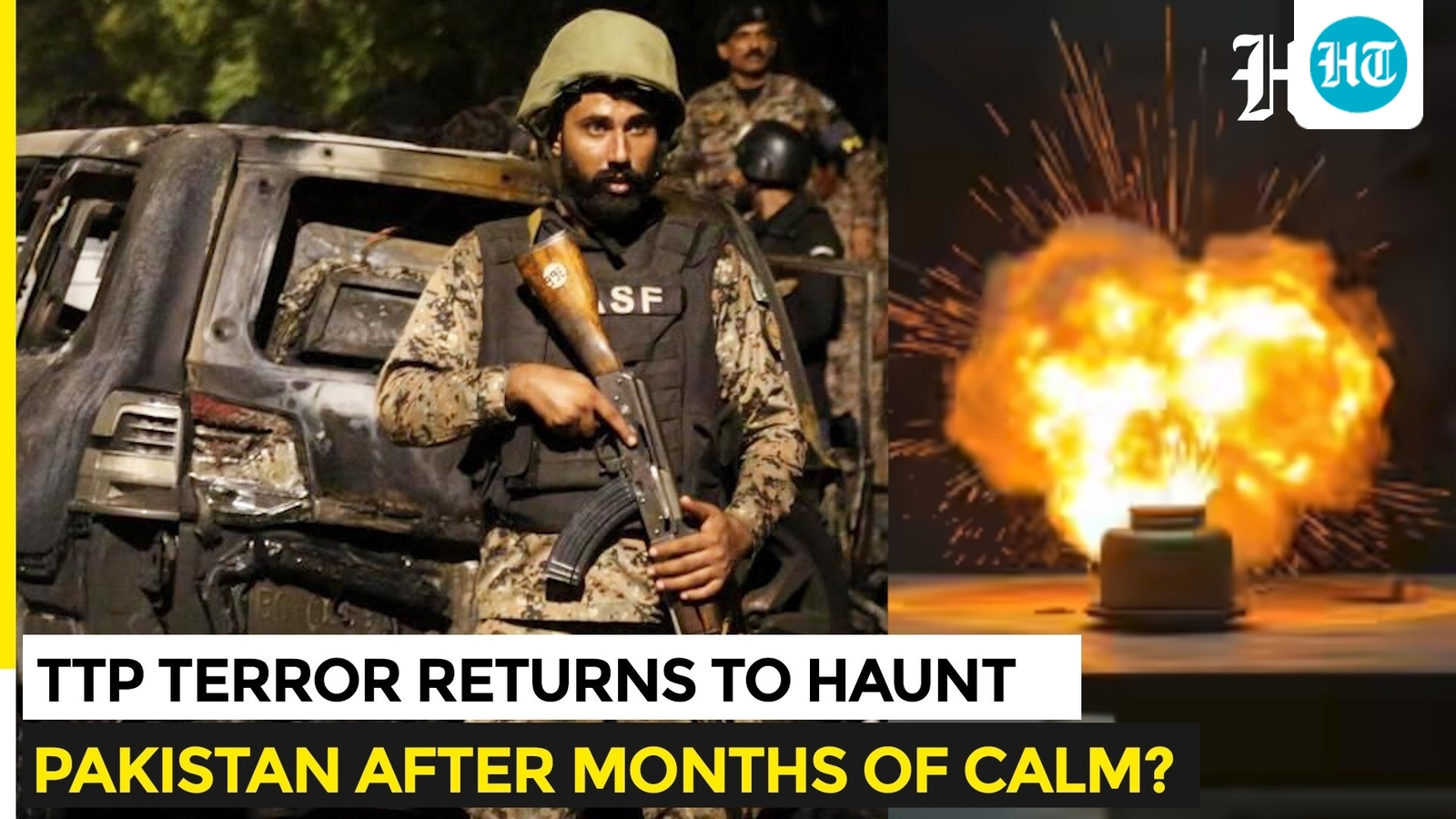
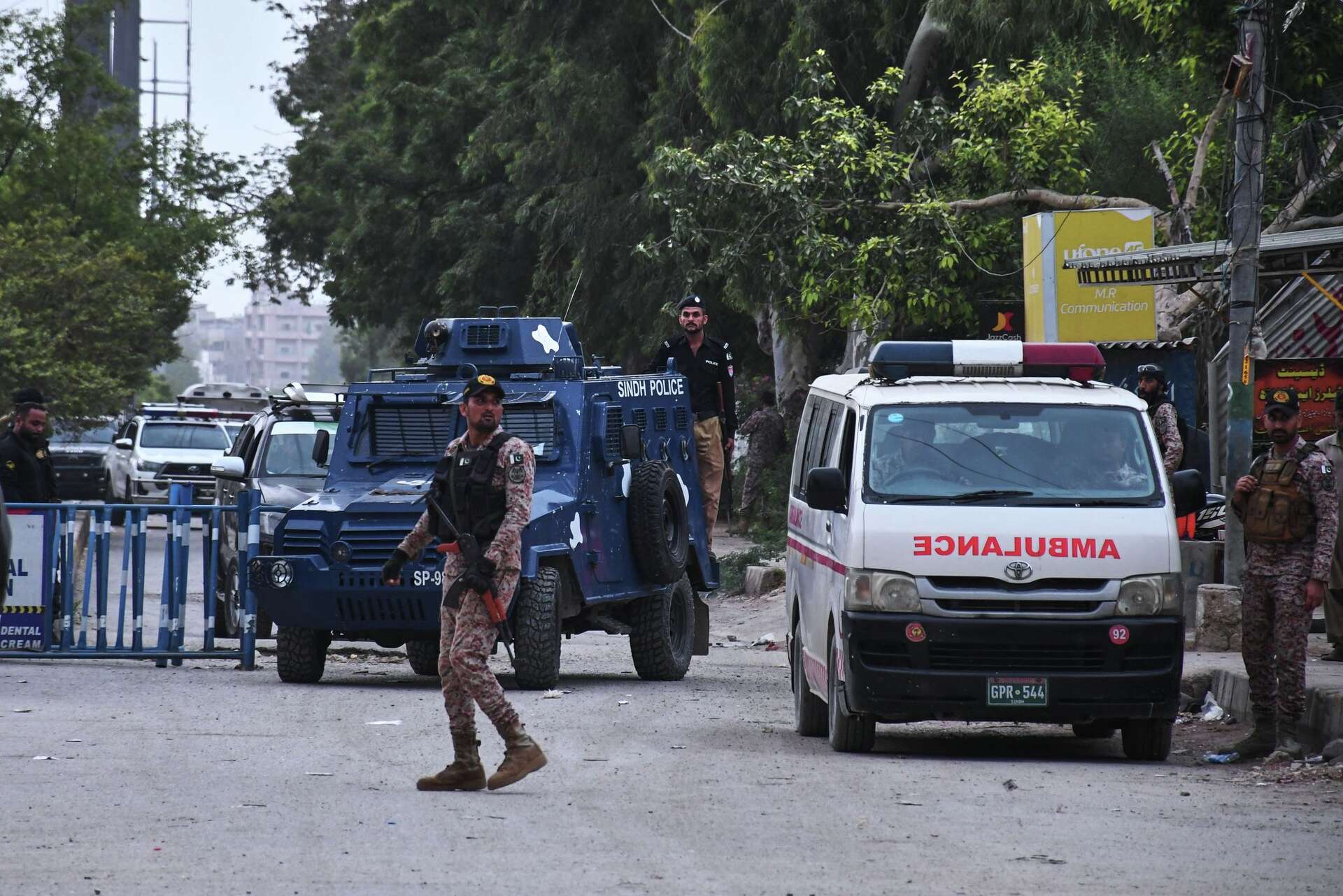
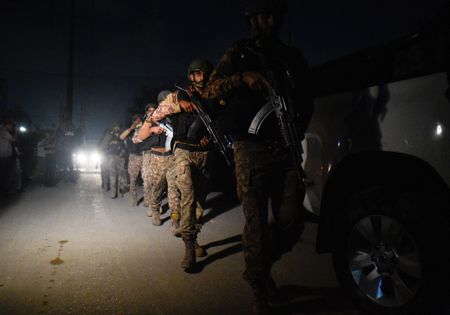
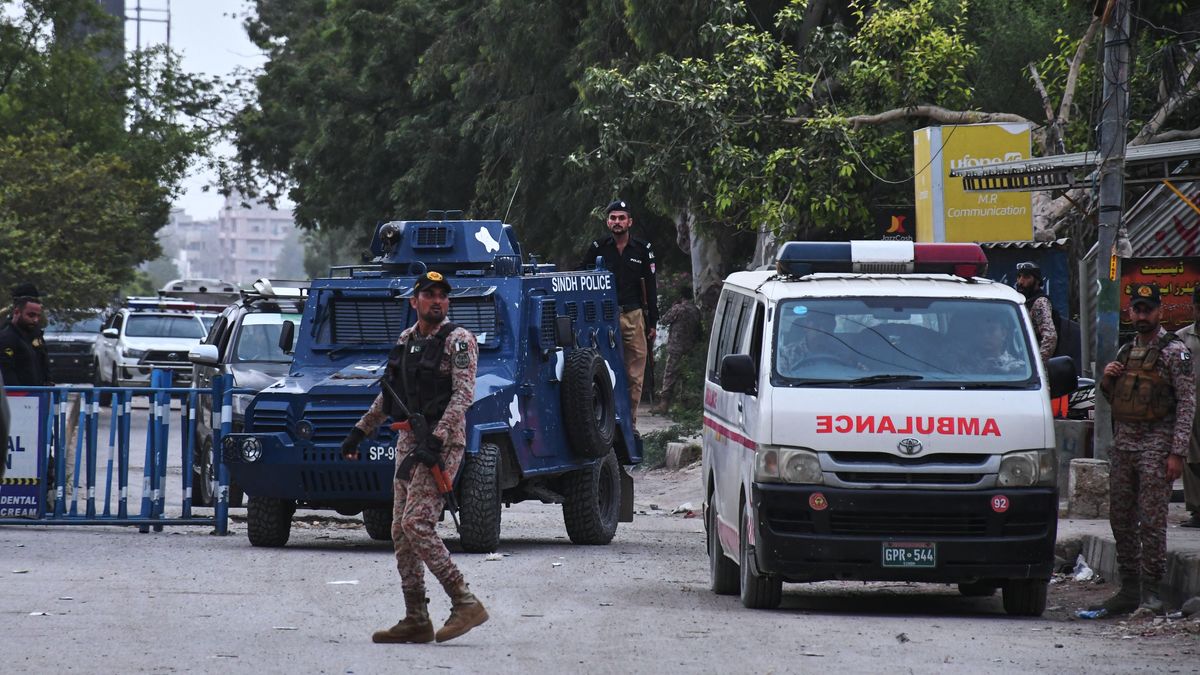
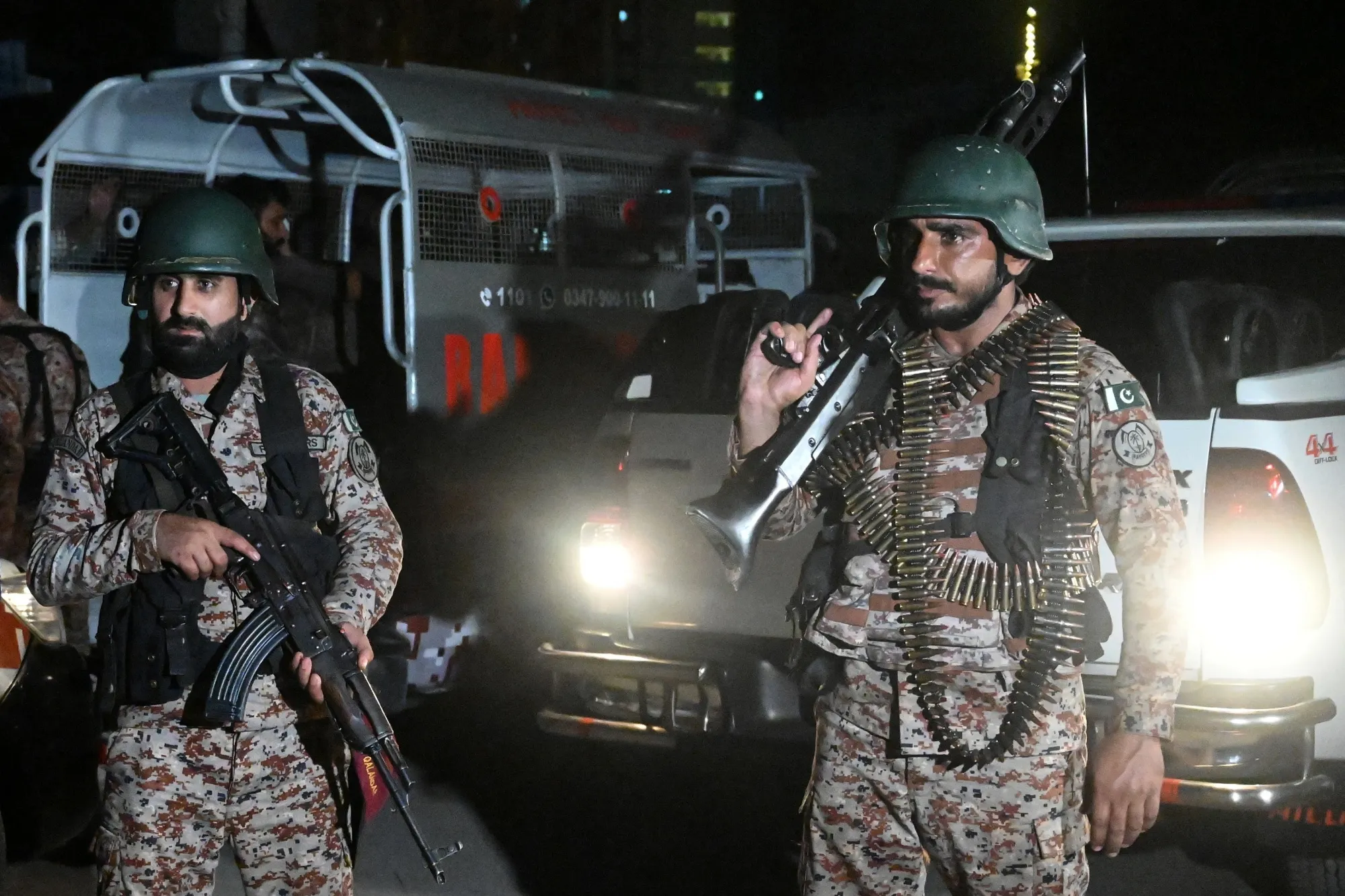
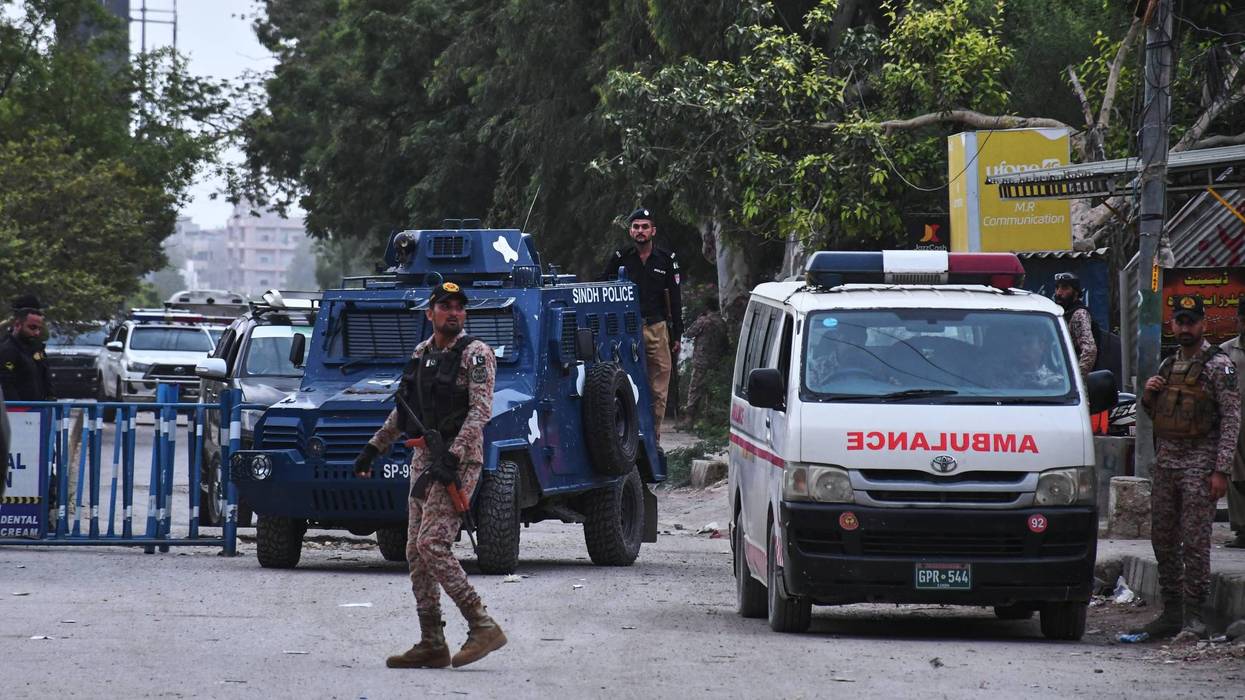
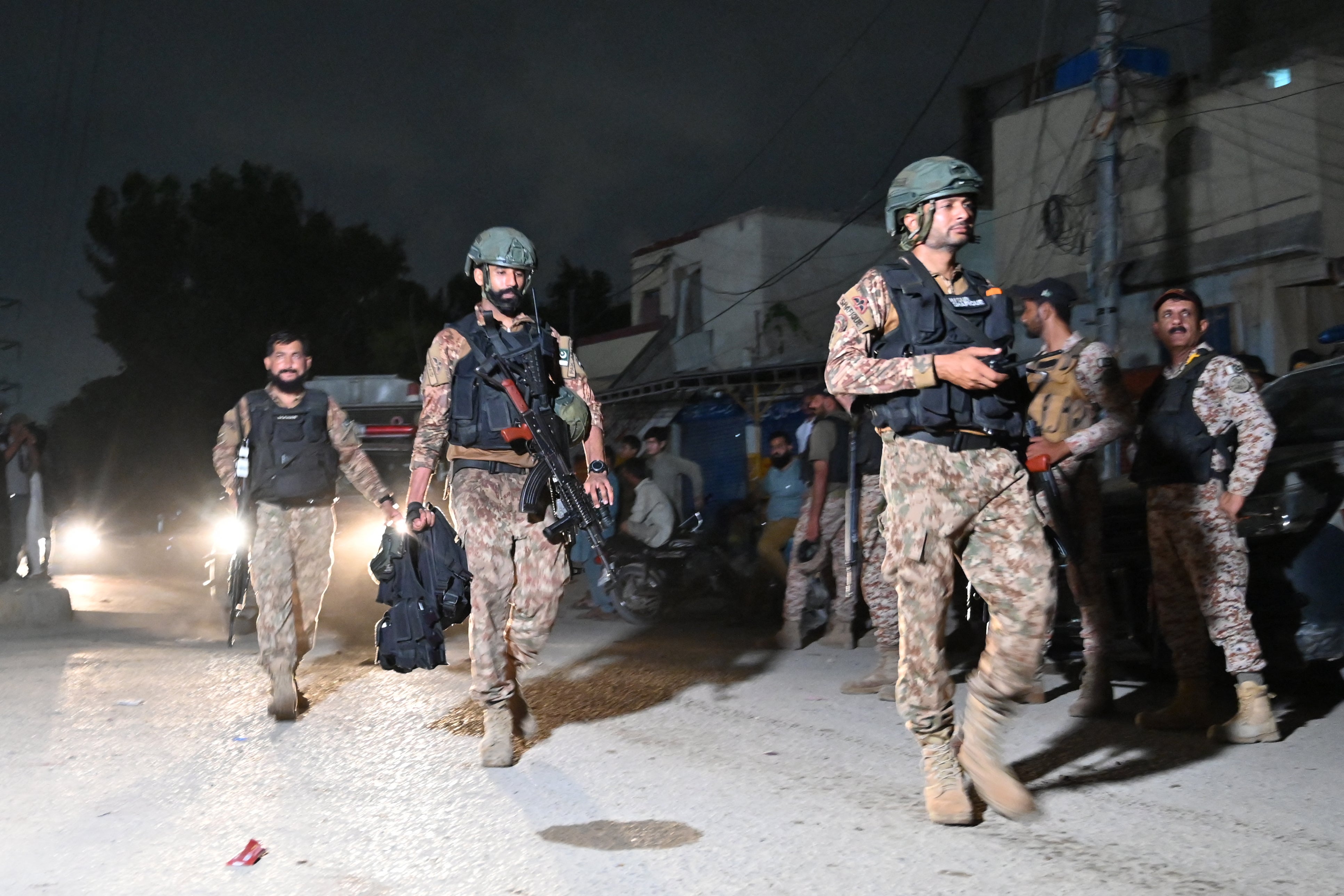
The June 28, 2026 military base attack in Karachi and subsequent India-Pakistan diplomatic escalation represents a critical geopolitical risk event with direct implications for cross-border e-commerce operations in South Asia. India's Ministry of External Affairs categorically rejected Pakistan's allegations of Indian involvement in the attack that killed at least four paramilitary personnel, exemplifying the volatile security environment that characterizes India-Pakistan relations. This incident highlights the persistent tension between the two nuclear-armed nations and creates operational uncertainty for sellers engaged in India-Pakistan trade, third-country sourcing from Pakistan, and regional logistics networks.
Supply Chain and Logistics Impact: The volatile security situation in Karachi—Pakistan's largest port city and primary maritime gateway—directly affects cross-border sellers relying on Pakistan-based suppliers or using Pakistani ports for transshipment. Karachi Port handles approximately 40% of Pakistan's container traffic, making security incidents there critical for sellers sourcing electronics, textiles, and industrial goods from South Asian manufacturers. Escalating India-Pakistan tensions historically trigger temporary border closures, increased customs scrutiny, and shipping delays of 5-15 days. Sellers with inventory in transit through Karachi or dependent on Pakistani suppliers face immediate risk of delivery delays and cost increases of 8-12% due to rerouting through alternative ports like Port Qasim or longer maritime routes via Middle Eastern hubs.
Market Access and Regulatory Risk: Geopolitical escalation between India and Pakistan often triggers retaliatory trade measures, including tariff increases, customs hold-ups, and temporary suspension of bilateral trade agreements. Sellers operating on Amazon India, Flipkart, or other Indian platforms who source from Pakistani manufacturers face potential compliance complications if diplomatic tensions escalate to trade restrictions. Similarly, sellers targeting Pakistani consumers through Daraz Pakistan or local marketplaces may experience payment processing delays, currency volatility (Pakistani Rupee historically depreciates 2-4% during geopolitical crises), and reduced consumer spending as households prioritize security concerns over discretionary purchases. Historical patterns show consumer e-commerce activity in Pakistan drops 15-25% during high-tension periods as internet bandwidth is diverted to news consumption and security concerns dominate household priorities.
Operational Recommendations: Sellers should immediately audit supply chain dependencies on Pakistan-based sourcing and Karachi-routed shipments. Consider diversifying supplier base to alternative South Asian manufacturing hubs (Vietnam, Bangladesh, India) to reduce single-country risk. Monitor diplomatic developments through official government trade advisories and adjust inventory positioning accordingly. For sellers with active Pakistan market operations, implement currency hedging strategies and maintain 20-30% higher safety stock to buffer against potential supply disruptions. Document all shipments with detailed tracking and consider increasing insurance coverage for goods in transit through high-risk regions.
Questions 8
How does the India-Pakistan Karachi attack affect sellers sourcing from Pakistan?
Sellers relying on Pakistani suppliers face immediate supply chain risks including 5-15 day shipping delays through Karachi Port and potential 8-12% cost increases due to rerouting through alternative ports. The June 28, 2026 attack and subsequent diplomatic escalation create uncertainty around customs clearance timelines and border procedures. Sellers should immediately diversify supplier base to Bangladesh, Vietnam, or India-based manufacturers and implement 20-30% safety stock buffers. Monitor official trade advisories from your country's commerce ministry for any tariff changes or trade restrictions that may emerge from escalating India-Pakistan tensions.
Which product categories are most vulnerable to India-Pakistan supply chain disruptions?
Electronics, textiles, industrial goods, and automotive components sourced from Pakistan face the highest supply chain risk due to heavy reliance on Karachi Port and Pakistani manufacturing hubs. These categories typically experience 10-20% of sourcing from Pakistan-based suppliers. Sellers in apparel, home goods, and consumer electronics should prioritize supplier diversification. Categories with lower Pakistan dependency (beauty, food, luxury goods) face lower immediate risk but may experience indirect impacts through increased logistics costs passed down by 3PL providers and freight forwarders.