




European Heatwave June 2026 | Supply Chain Disruption & Seasonal Demand Surge for Sellers
- Record 40°C+ temperatures across 191M Europeans trigger 1,327+ deaths, infrastructure collapse, and urgent demand for cooling/health products in EU markets




Overview
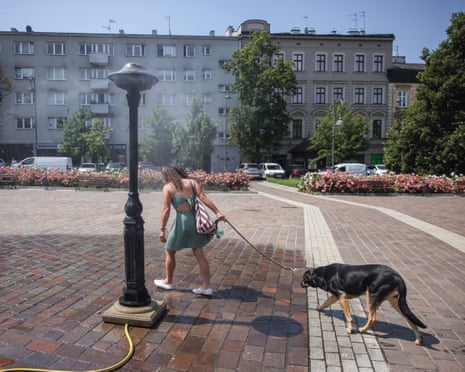
The June 2026 European heatwave represents a critical supply chain and demand disruption event for cross-border e-commerce sellers. Record-breaking temperatures exceeding 40°C across France, Germany, Poland, Czechia, Slovakia, and Denmark (with France alone recording 1,000 excess deaths between June 24-27) created cascading infrastructure failures affecting logistics networks. Critical infrastructure disruptions include: 63,000+ household power outages in northern/central France, suspended rail services in Germany (North Rhine-Westphalia), reduced tram operations in Leipzig, and Hungary's Paks nuclear plant output reduction due to elevated Danube cooling water temperatures. Italy's Po River seawater penetration 18km inland threatens agricultural supply chains. These disruptions directly impact 3PL fulfillment centers, last-mile delivery networks, and inventory storage across the EU.
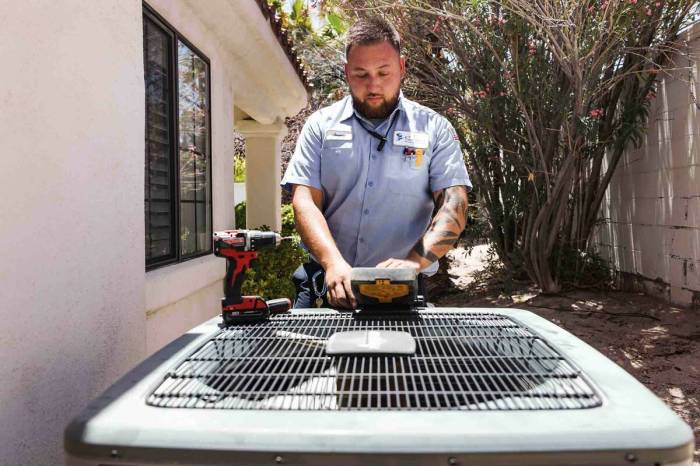
Immediate demand surge opportunities emerged across multiple product categories. Emergency services responded to 122,000+ ambulance call-outs in France alone, signaling urgent demand for heat-relief products: portable air conditioning units, cooling vests, electrolyte supplements, and medical-grade hydration solutions. The elderly demographic (majority of 1,327+ deaths across France and Spain) represents a high-value segment for mobility aids, cooling blankets, and telehealth services. Sellers on Amazon EU, eBay Europe, and Shopify platforms targeting these categories experienced compressed delivery windows due to infrastructure strain, creating premium pricing opportunities for expedited fulfillment.
Supply chain resilience became critical. Sellers relying on single-source manufacturing in affected regions (particularly Italy's agricultural sector and Germany's industrial hubs) faced inventory delays. The heatwave's 10-day health impact persistence (per Health Minister Stephanie Rist) extended demand windows beyond typical seasonal patterns. Regional power outages affected warehouse operations and cold-chain logistics, forcing sellers to diversify 3PL providers across less-affected zones (Benelux, Scandinavia). The event demonstrates climate-driven supply chain volatility—a pattern scientists link to anthropogenic warming making such temperatures "100 times more likely" than two decades ago, indicating recurring seasonal disruption risk for European logistics planning through 2026-2027.
Questions 8
How does this heatwave impact cross-border sellers shipping from Asia to Europe?
Sellers shipping from China, India, or Southeast Asia to European fulfillment centers should expect 3-5 day delays in port processing and customs clearance as European logistics infrastructure operates at reduced capacity. Power outages affecting 63,000 French households and rail suspensions in Germany slow last-mile delivery. Plan for 45-55 day total transit times (vs. typical 35-40 days) through August 2026. Consider air freight for high-margin products if ocean delays exceed 10 days. Update customer expectations in product listings and consider temporary shipping time extensions in Shopify/Amazon settings.
Which European regions should sellers prioritize for fulfillment network expansion?
The heatwave demonstrated that France, Germany, and Italy face recurring summer infrastructure risks. Sellers should prioritize fulfillment expansion in Benelux (Netherlands, Belgium, Luxembourg), Scandinavia (Denmark, Sweden), and Eastern Europe (Poland, Czechia) as climate-resilient alternatives. These regions experienced less severe disruption and maintain more stable power/logistics infrastructure. Benelux offers 1-2 day delivery to France/Germany while avoiding regional outage risks. Evaluate 3PL providers in these zones for 30-40% of your EU inventory allocation. The heatwave affected 191M Europeans across 8+ countries, but northern regions showed greater resilience—use this data to optimize your fulfillment footprint for 2026-2027.