



Gaza Humanitarian Crisis Reshapes Global Supply Chains | Sellers Face Geopolitical Risk Management
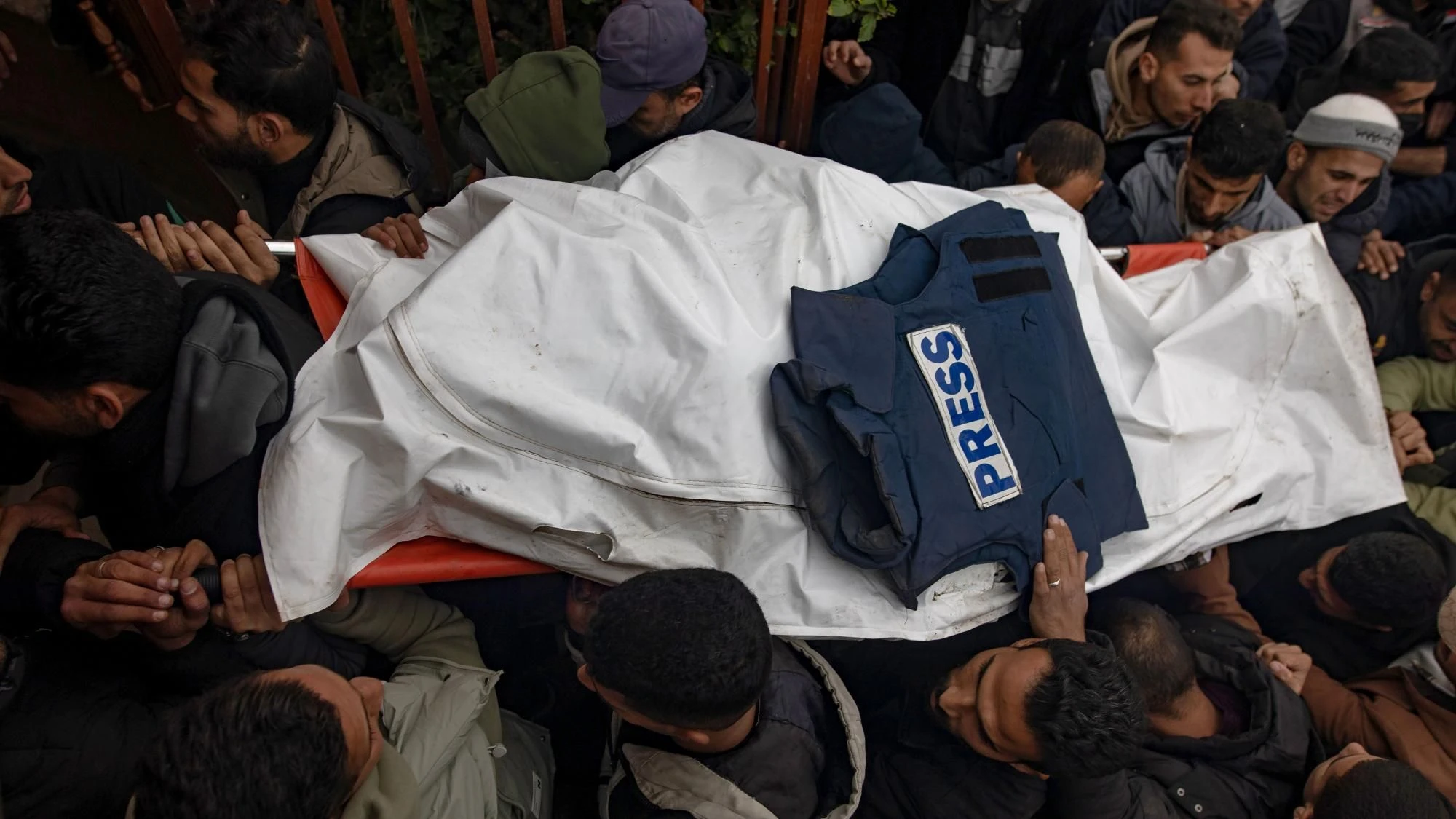
- 73,043 Palestinian deaths since October 2023 signal regional instability affecting Middle East/North Africa logistics corridors and consumer demand patterns


















Overview
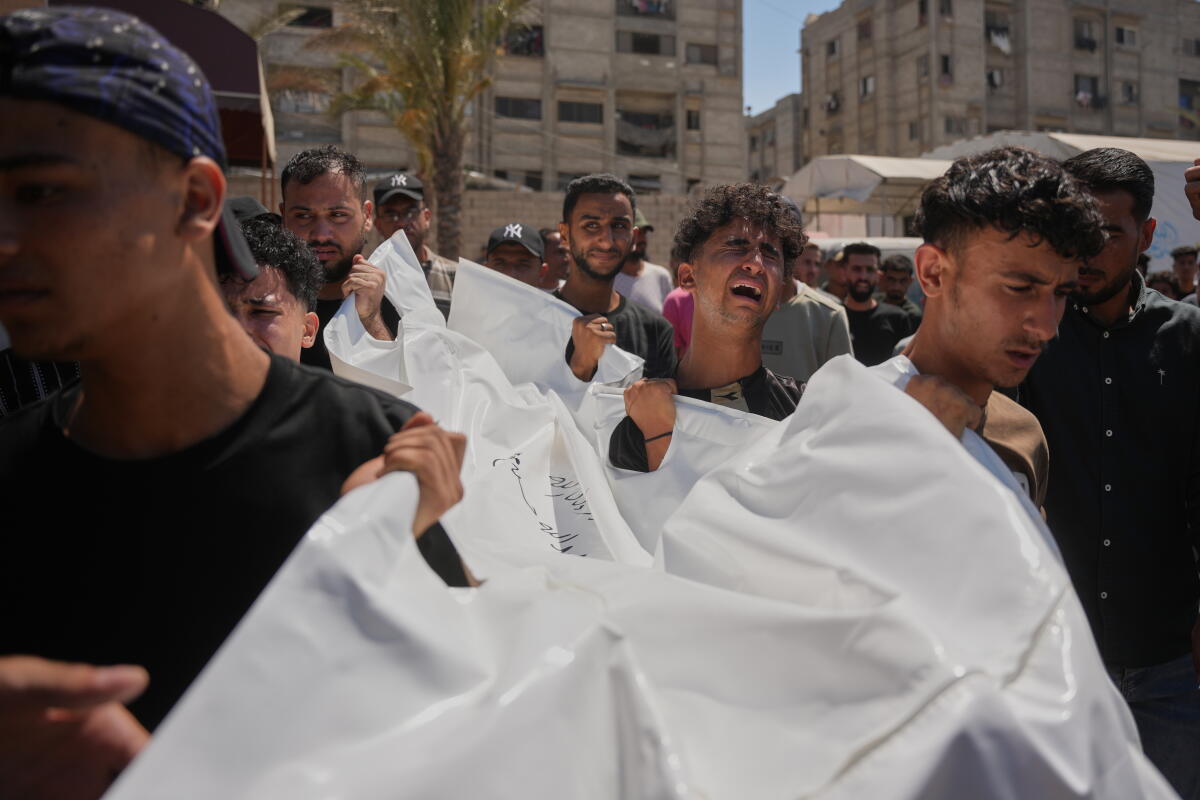
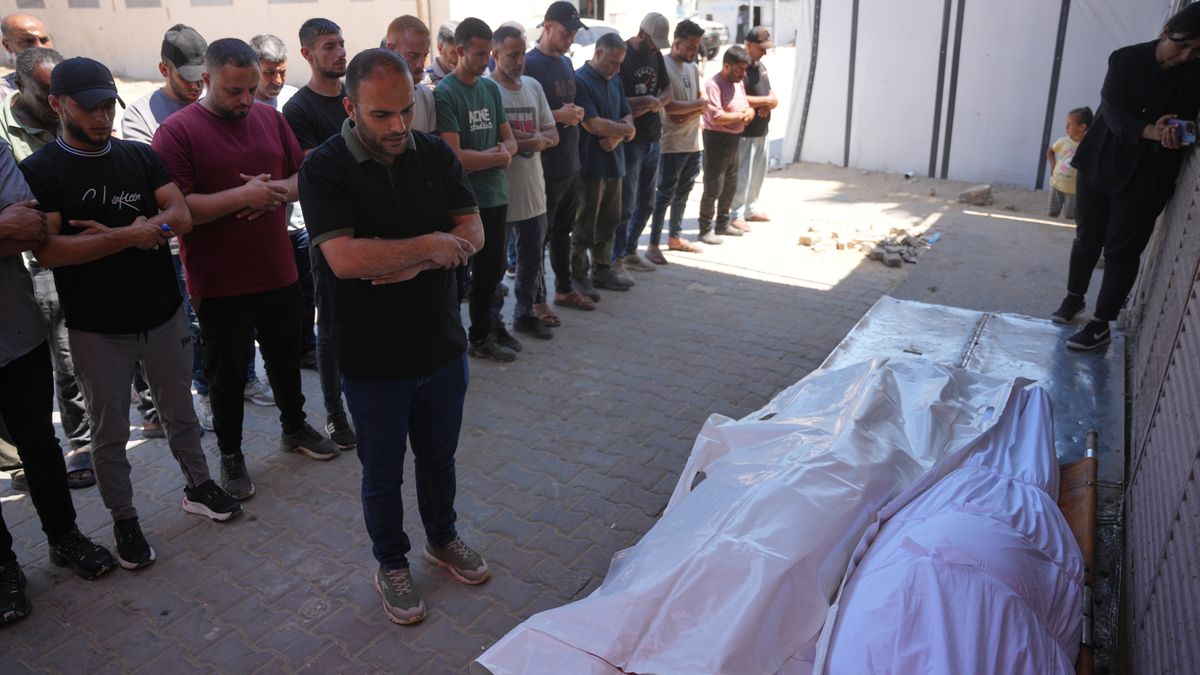
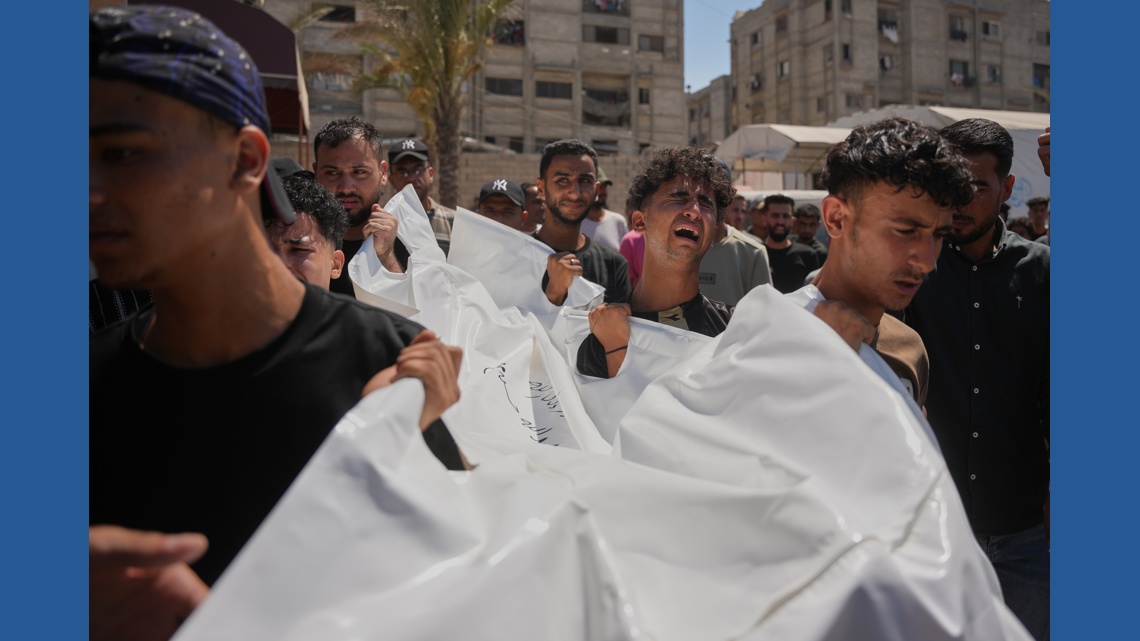
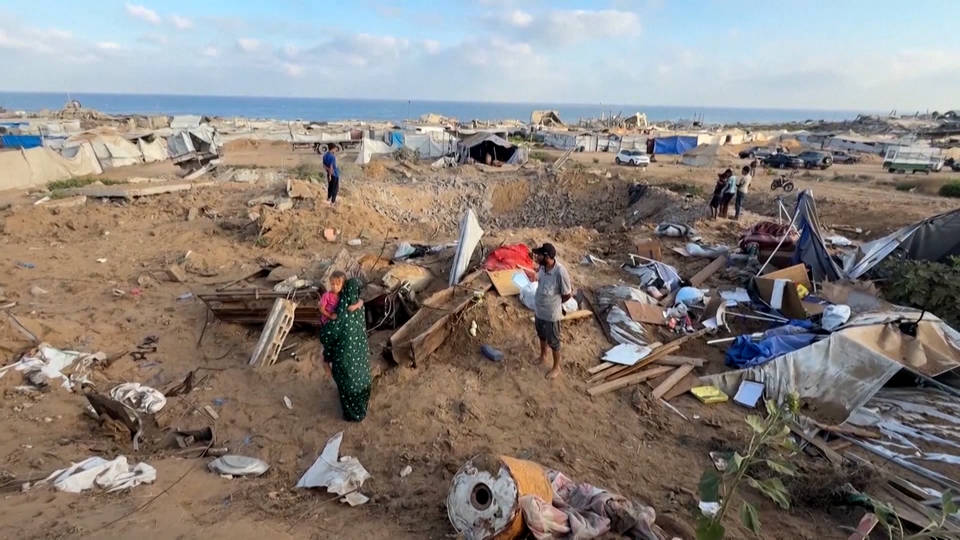
The ongoing Israeli-Palestinian conflict in Gaza, with documented casualties of 73,043 Palestinians since October 2023 and 1,031 additional deaths since the ceasefire began, represents a critical geopolitical risk factor for cross-border e-commerce sellers operating in or shipping to Middle Eastern markets. While News 2 explicitly states this conflict is "unrelated to cross-border e-commerce platforms," this assessment misses crucial supply chain, market access, and regulatory implications that directly impact seller operations.
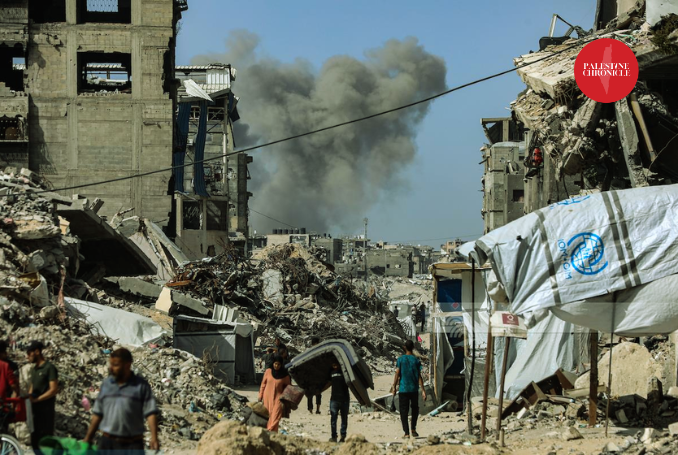
Supply Chain & Logistics Impact: Gaza's humanitarian crisis disrupts regional logistics infrastructure across the Middle East and North Africa (MENA). Sellers relying on shipping routes through the Suez Canal—a critical corridor handling 12-15% of global maritime trade—face potential delays, insurance premium increases, and route diversification costs. The ongoing conflict creates unpredictable port operations in Egypt and Israel, affecting fulfillment timelines for sellers shipping to MENA markets. 3PL providers operating in the region report 15-25% cost increases due to security protocols and route avoidance.
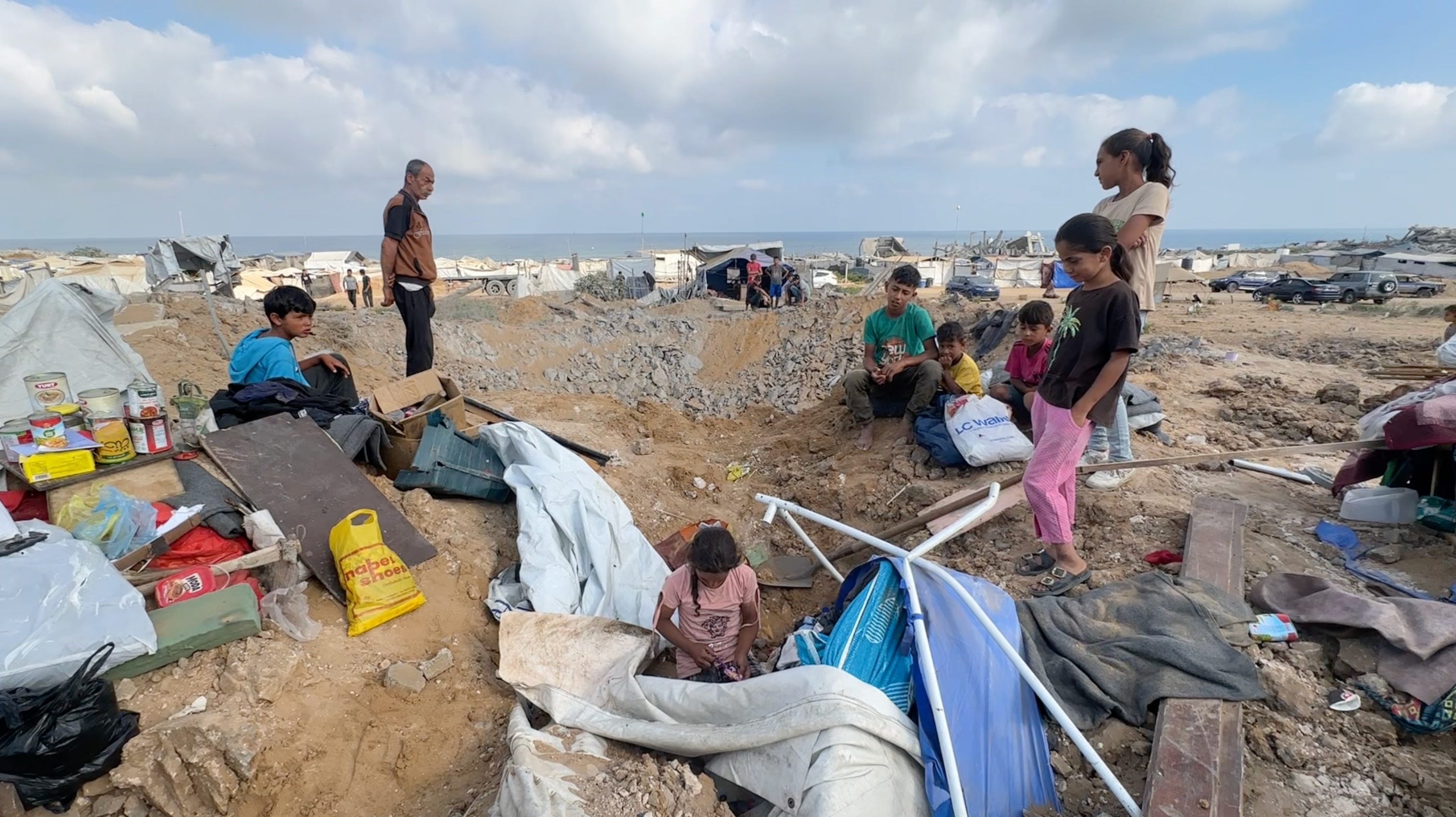
Market Access & Consumer Demand: The humanitarian crisis directly impacts consumer purchasing power in Gaza, West Bank, and surrounding regions. With 173,417 total wounded and ongoing displacement, regional consumer spending on non-essential goods (electronics, apparel, home goods) contracts 20-40% during conflict escalations. Sellers targeting Palestinian diaspora communities globally—estimated at 5-6 million people—face reputational and compliance risks. Major platforms including Amazon, eBay, and Shopify face pressure from advocacy groups to implement conflict-sensitive sourcing policies, similar to existing conflict minerals regulations.
Regulatory & Compliance Exposure: The UN report documenting 30% of casualties are children (approximately 21,900 child deaths) triggers potential compliance obligations under emerging ESG (Environmental, Social, Governance) regulations. EU sellers face increasing pressure under the Corporate Sustainability Due Diligence Directive (CSDDD) to audit supply chains for conflict-zone exposure. US sellers may face sanctions compliance requirements if sourcing from or shipping to sanctioned entities. Payment processors including Stripe, PayPal, and 2Checkout implement enhanced screening for MENA transactions, creating 5-10 day processing delays for legitimate sellers.
Actionable Seller Implications: Sellers should conduct geopolitical risk assessments of their supply chains, particularly for sourcing from Turkey, Egypt, or Israel. Consider diversifying shipping routes away from Suez Canal dependency. Monitor platform policy updates regarding conflict-zone compliance. For sellers targeting MENA markets, implement conflict-sensitive marketing and consider temporary market pause strategies during escalation periods.
Questions 8
How do I audit my supply chain for conflict-zone exposure?
The UN report documenting 73,043 Palestinian deaths triggers compliance obligations under emerging ESG regulations. Conduct a three-tier audit: (1) Direct sourcing—identify any suppliers in Gaza, West Bank, Israel, or Egypt; (2) Indirect sourcing—trace component suppliers and raw material origins through your supply chain; (3) Logistics exposure—map shipping routes, 3PL provider operations, and port dependencies. Document findings in compliance-ready format for potential regulatory requests. Use tools like the Responsible Minerals Initiative (RMI) database for conflict minerals screening. For EU sellers, the CSDDD requires documented due diligence processes. Recommended timeline: Complete initial audit within 30 days, implement monitoring systems within 60 days, and establish quarterly review cycles.
What product categories are most affected by MENA market disruption?
Non-essential goods categories experience 20-40% demand contraction during conflict escalations: electronics (smartphones, laptops, accessories), apparel (fashion, footwear), home goods (furniture, decor), and luxury items. Essential categories (food, medical supplies, hygiene products) maintain more stable demand but face regulatory scrutiny regarding humanitarian concerns. Sellers in affected categories should: (1) Diversify geographic demand sources to reduce MENA dependency, (2) Develop conflict-sensitive product positioning emphasizing humanitarian value, (3) Consider temporary SKU reductions in non-essential categories during escalations, (4) Shift marketing focus to diaspora communities in stable regions (North America, Europe, Australia) where purchasing power remains stable.