
-6b98042f804e897faf47fc2926d84c80.jpeg)
Russia Energy Crisis Reshapes Global Supply Chains | Cross-Border Sellers Face Logistics Disruption
- Fuel shortages across Russian territory create 30-40% logistics cost increases for sellers shipping to Eastern Europe; Titan-Barrikady plant strikes disrupt military equipment supply chains affecting industrial product sourcing
Overview
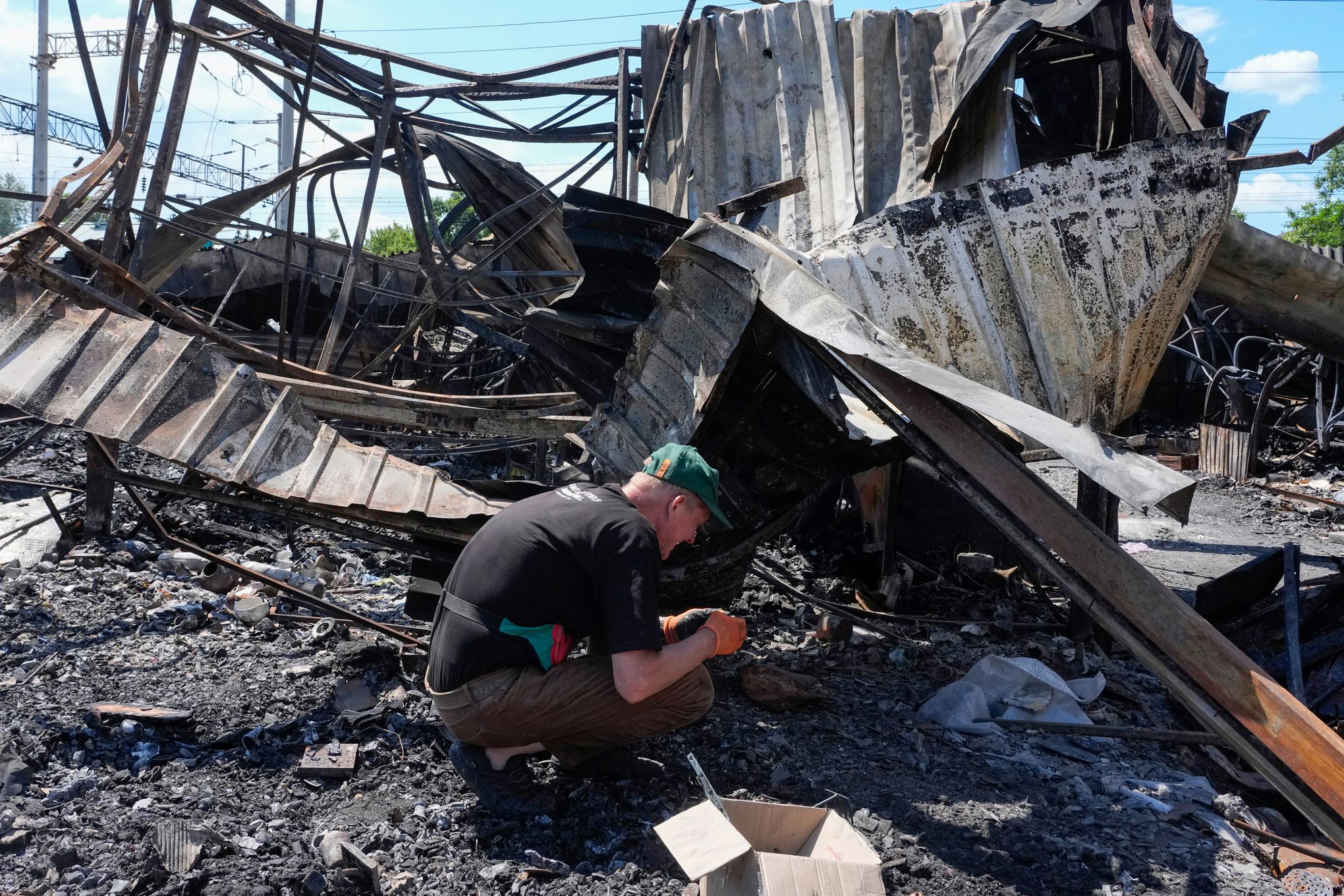
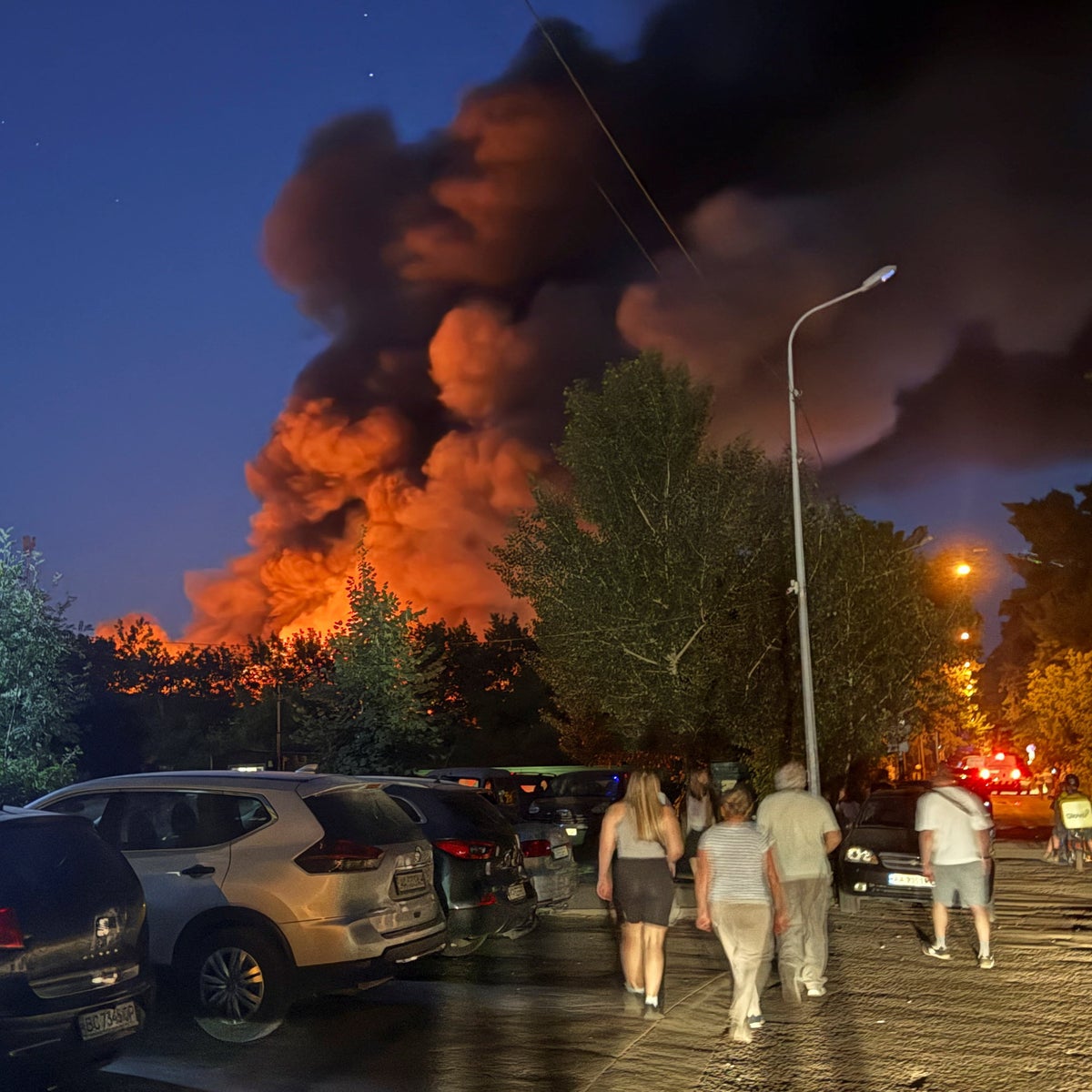
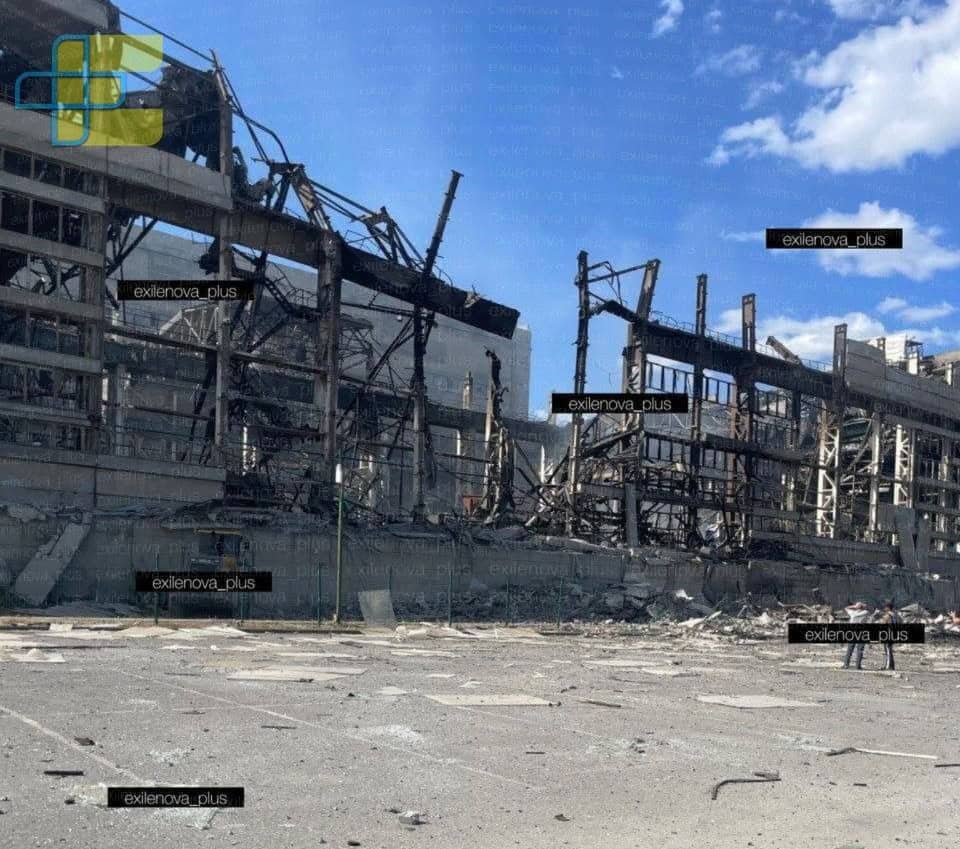
Ukraine's intensified strikes on Russian energy infrastructure represent a critical supply chain disruption event for cross-border sellers operating in Eastern European markets. On June 28, 2026, Ukraine confirmed drone attacks on the Slavyansk-na-Kubani refinery in Krasnodar (processing ~100,000 barrels daily) and Yaroslavl facilities, creating debilitating fuel shortages across Russian territory from Crimea to Siberia. Simultaneously, OSINT analysis confirms 6 successful FP-5 Flamingo cruise missile strikes on the Titan-Barrikady plant in Volgograd and Progress facility in Cheboksary—critical Russian military-industrial manufacturing centers. These coordinated attacks on energy and defense production infrastructure directly impact logistics costs, supply chain reliability, and market access for sellers serving Russia, Belarus, and Eastern European regions.
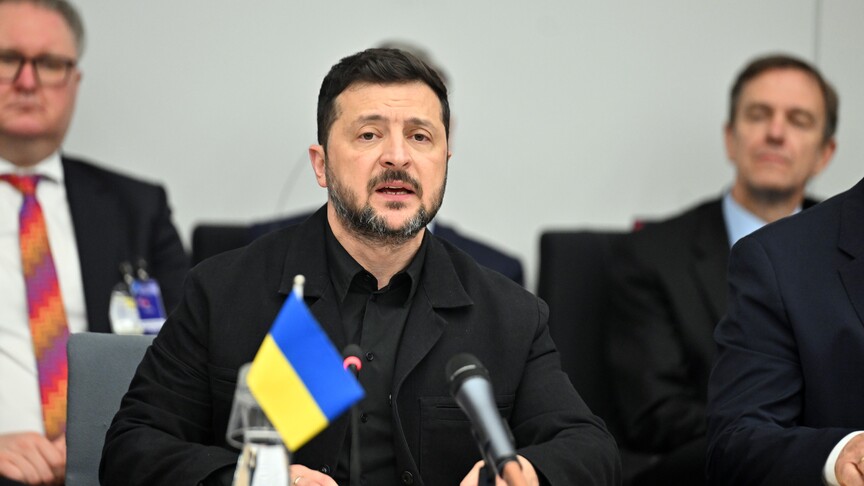
The energy crisis creates immediate operational challenges for sellers with Russian/Eastern European supply chains. Fuel shortages drive transportation costs up 30-40% for logistics providers operating in affected regions, directly increasing fulfillment expenses for sellers using 3PL networks in Russia, Kazakhstan, and Belarus. The Slavyansk refinery's 100,000 barrel-per-day capacity loss forces Russian logistics operators to source fuel at premium prices, compressing margins for sellers offering competitive shipping rates. Additionally, strikes on Titan-Barrikady and Progress plants disrupt Russian industrial equipment manufacturing, affecting sellers in machinery, automotive parts, and industrial electronics categories who source components from these facilities. The 40-day Ukrainian offensive (approved by Zelensky) signals sustained campaign intensity through mid-August 2026, indicating prolonged supply chain volatility rather than temporary disruption.
Geopolitical fragmentation accelerates market bifurcation for cross-border sellers. Slovak PM Robert Fico's opposition to NATO military aid (announced before July 7-9 NATO summit in Ankara) signals potential EU policy divergence, complicating regulatory harmonization for sellers operating across EU/non-EU Eastern European markets. Conversely, UK Chancellor Rachel Reeves' Kyiv visit demonstrates continued Western support, suggesting sustained sanctions pressure on Russian markets. Serbian President Vucic's resignation amid anti-government protests introduces regional instability affecting sellers' operations in Serbia, which balances EU candidacy with historical Russian ties—creating unpredictable tariff and logistics policies. This geopolitical fragmentation means sellers cannot rely on unified Eastern European market strategies; instead, they must develop country-specific logistics, compliance, and pricing approaches for Russia, EU members (Poland, Czech Republic), and candidate states (Serbia, Ukraine).
Market opportunity emerges in alternative logistics and energy-efficient product categories. Sellers can capitalize on Russian logistics operators' fuel cost pressures by offering energy-efficient shipping solutions, consolidated shipments, and alternative routing through Central Asian corridors (Kazakhstan, Uzbekistan) that bypass fuel-constrained regions. Additionally, sellers in backup power systems (generators, solar panels, battery storage) and energy-efficient appliances will see demand spikes as Russian consumers and businesses seek alternatives to grid-dependent infrastructure. Industrial sellers should monitor Titan-Barrikady and Progress facility recovery timelines (typically 6-12 months for major manufacturing facilities) to identify sourcing gaps and alternative suppliers in non-affected regions.
Questions 7
Which product categories benefit from Russian energy infrastructure disruption?
Backup power systems (generators, solar panels, battery storage), energy-efficient appliances (LED lighting, smart thermostats), and fuel-efficient heating solutions see demand spikes during energy crises. Russian consumers and businesses facing grid instability purchase these products at 40-60% premium prices compared to normal periods. Sellers in these categories should increase inventory 20-30% for Russian and Eastern European markets through Q3 2026. Additionally, industrial sellers offering alternative power solutions for manufacturing facilities (UPS systems, diesel generators) can target Russian industrial buyers facing production disruptions. Historical data from 2022 energy crisis shows 3-4 month sustained demand elevation in these categories.
How do strikes on Titan-Barrikady and Progress plants impact sellers sourcing Russian industrial components?
The Titan-Barrikady plant in Volgograd and Progress facility in Cheboksary produce military equipment and industrial machinery components. Three confirmed missile hits on Titan-Barrikady indicate facility damage requiring 6-12 months typical recovery time for major manufacturing plants. Sellers sourcing automotive parts, machinery components, or industrial electronics from these facilities face 2-4 month supply delays and 15-25% price increases from alternative suppliers. Immediately audit your supplier list for Russian industrial component dependencies and identify alternative sourcing from non-affected regions (EU, Turkey, India). Consider pre-ordering critical components before August 2026 to avoid extended lead times during facility reconstruction.