

Sri Lanka Dengue Crisis Reshapes Health Product Demand | Seller Opportunity in 50K+ Case Surge
- 50,000+ confirmed dengue cases by June 2026 create urgent demand for health/safety products across South Asian markets; hospitals at full capacity signal supply chain disruptions affecting logistics and workforce availability in key distribution hubs




-722285.jpg)











Overview
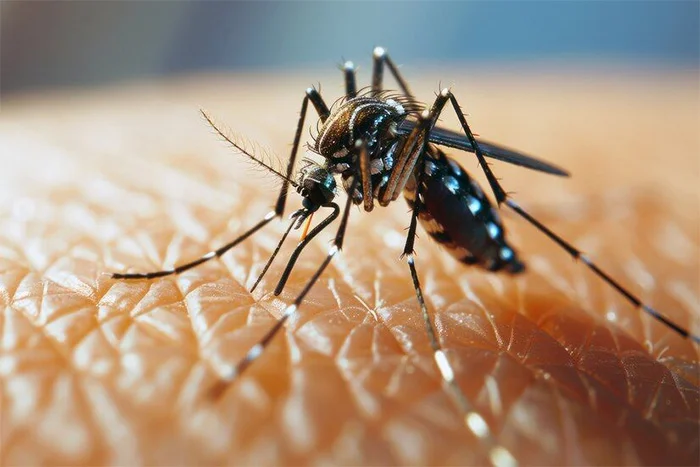
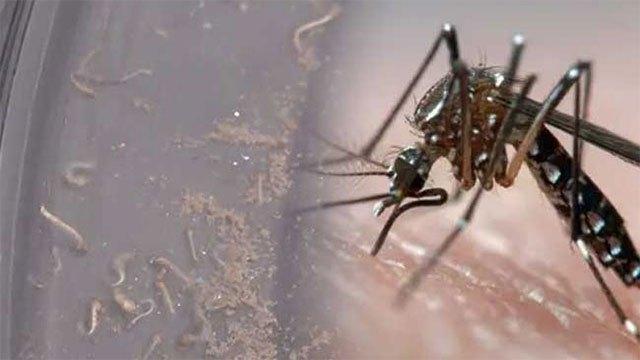
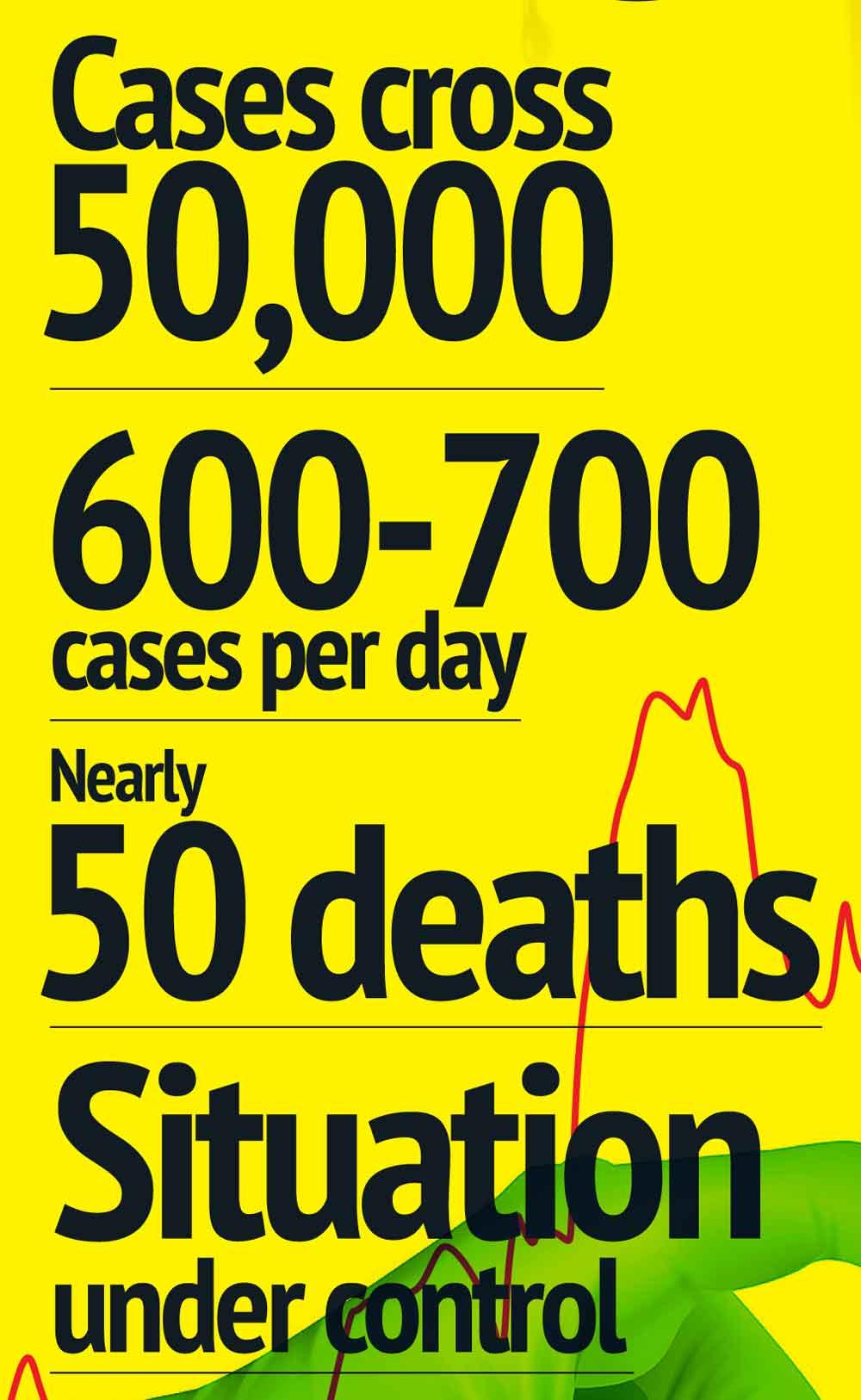
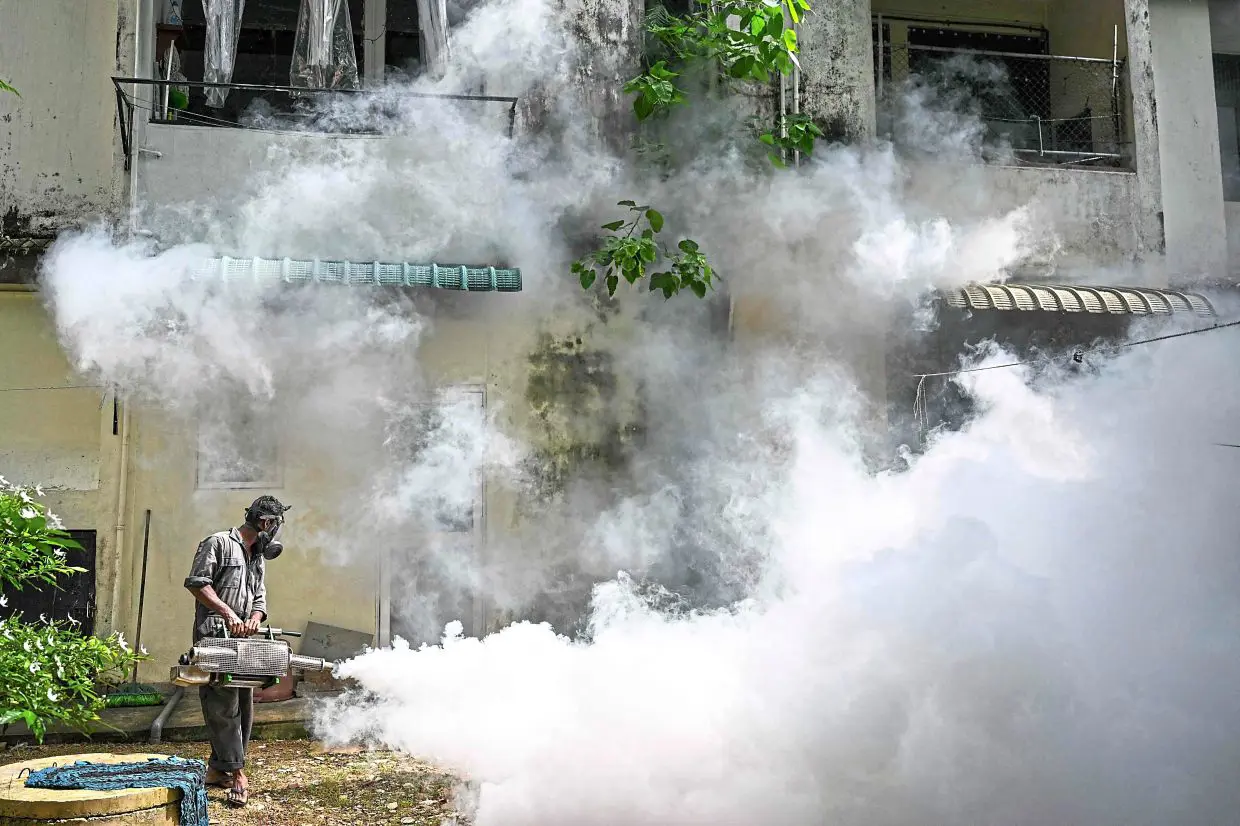
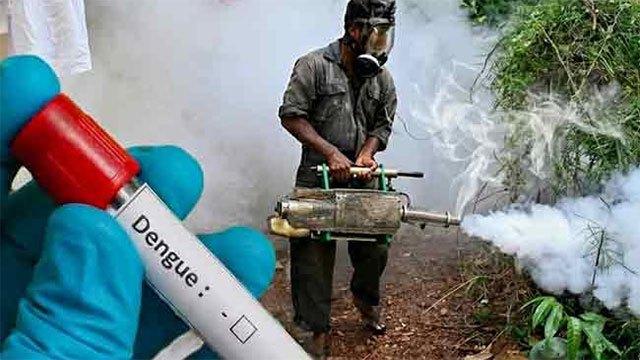
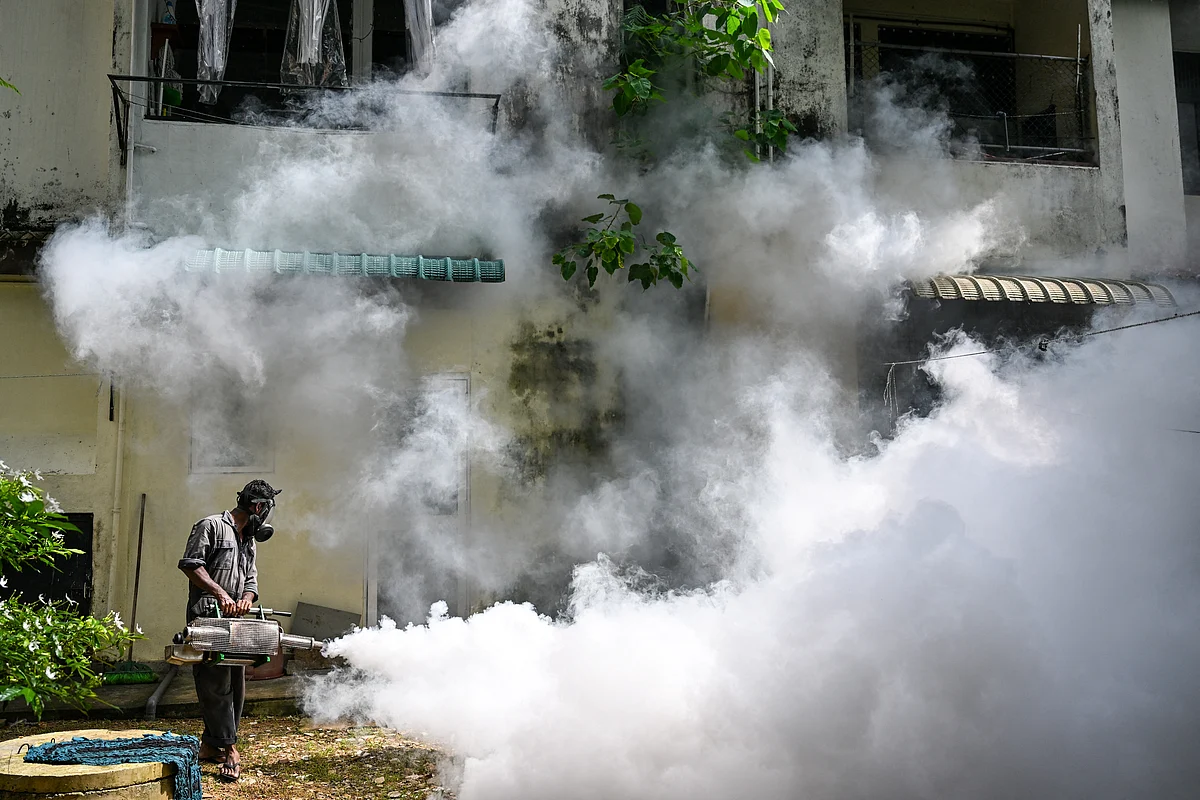
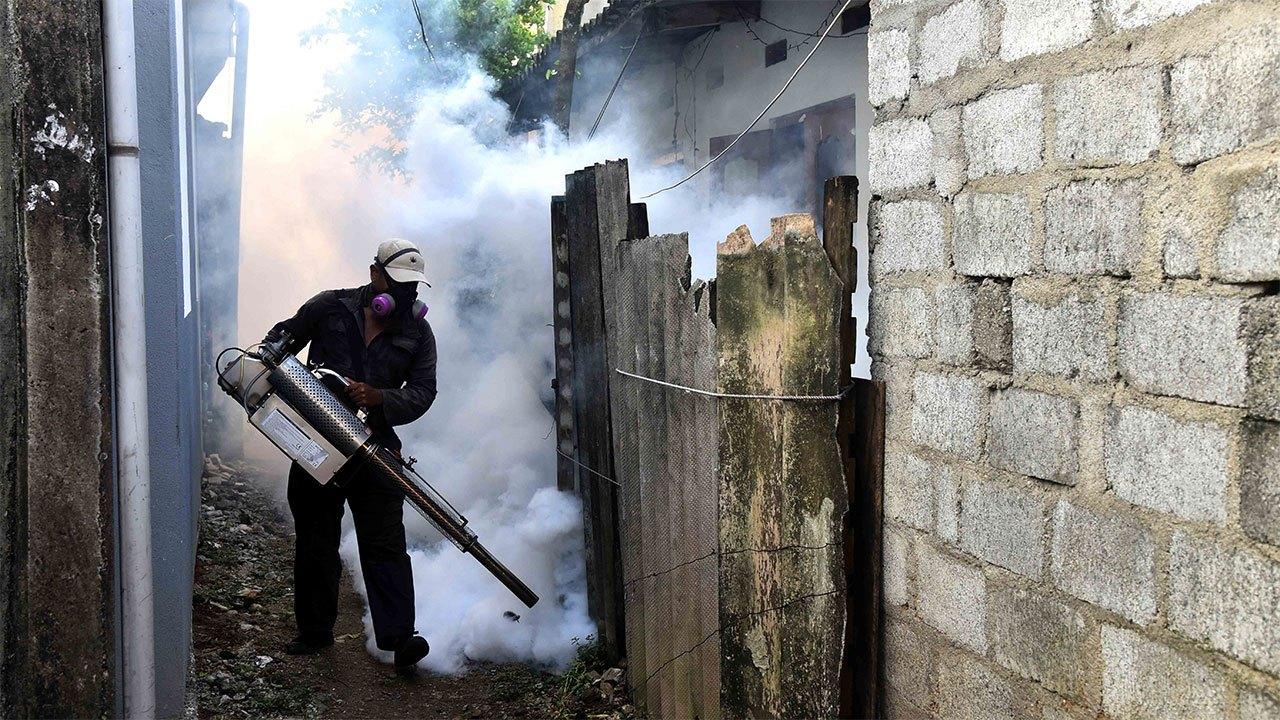
Sri Lanka's dengue epidemic has escalated into a critical public health emergency with 50,000+ confirmed cases and 600-700 daily infections as of June 29, 2026—nearly double the previous year's caseload. This health crisis creates a multi-layered opportunity for cross-border sellers in health, safety, and consumer goods categories. The outbreak's severity stems from post-cyclone environmental conditions (1,000+ landslides in late 2025) combined with heavy monsoon rains, creating ideal breeding grounds for Aedes mosquitoes across 24 districts, with the Western Province accounting for 57.1% of cases.
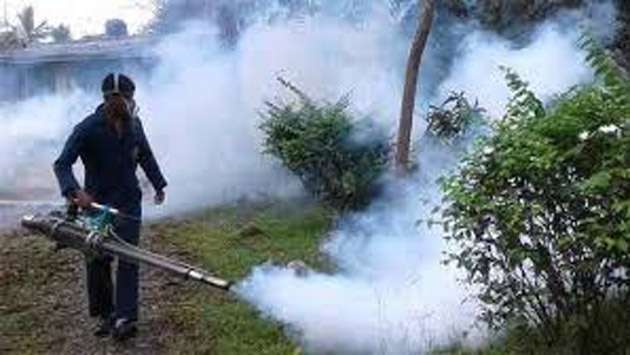
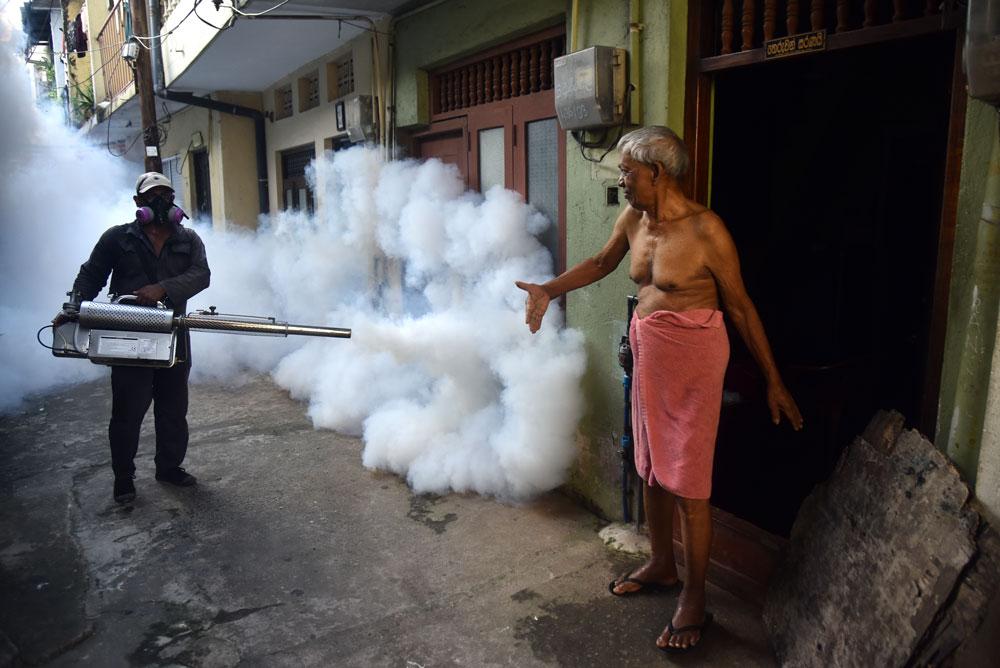
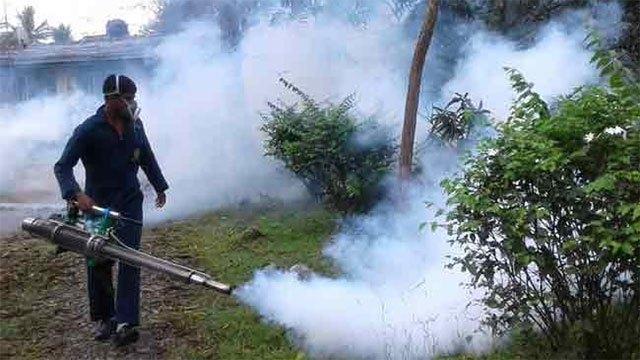
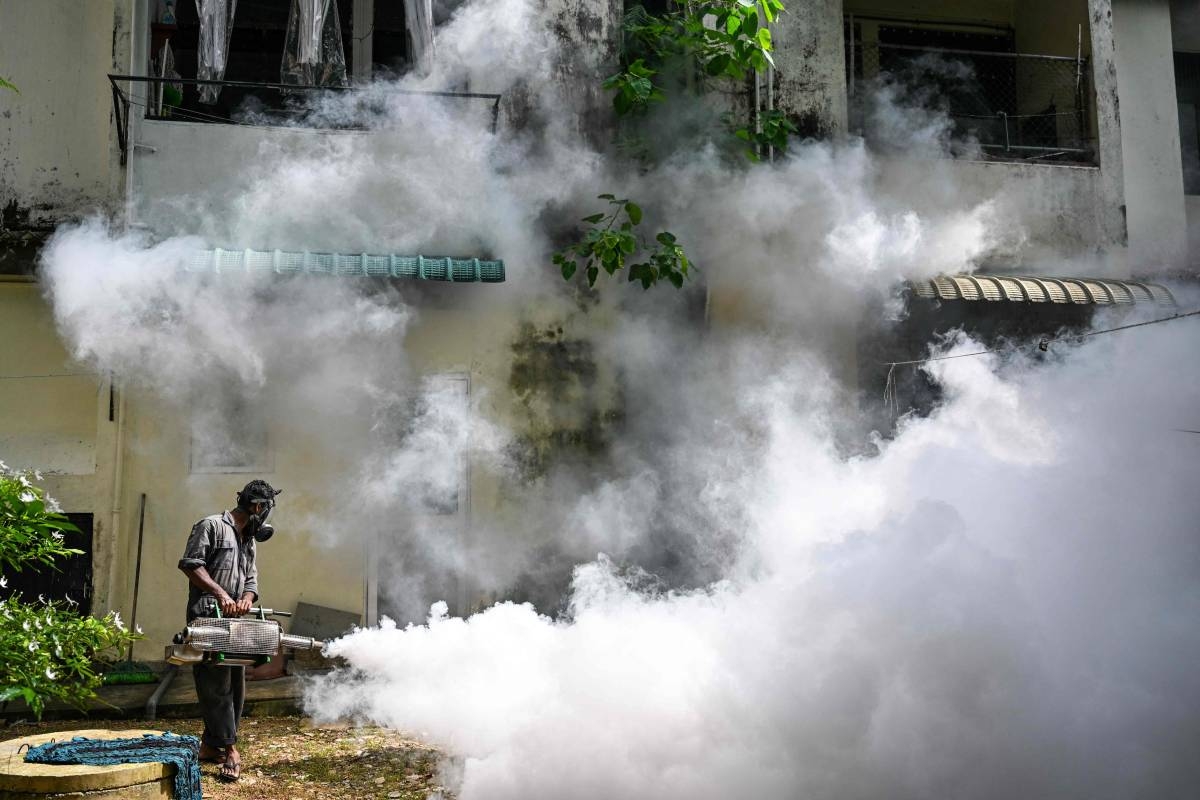
For e-commerce sellers, this crisis signals immediate demand spikes in three key product categories: (1) Mosquito control products (repellents, nets, sprays, electric mosquito killers) experiencing surge demand as government fumigation campaigns prove insufficient; (2) Health and wellness products (fever management, hydration supplements, immune boosters) as hospitals reach capacity and patients seek home-care alternatives; (3) Protective equipment and hygiene products (masks, sanitizers, disinfectants) driven by public health awareness campaigns and workplace safety protocols.
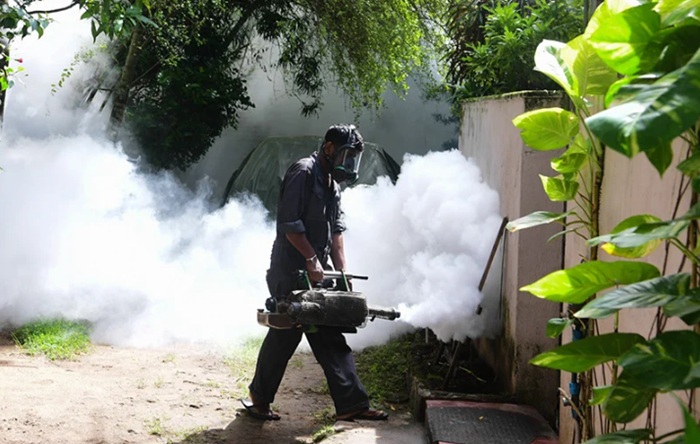
The economic context amplifies seller opportunities: Sri Lanka's 22-million population recently implemented a four-day work week due to energy shortages, yet consumer spending on health protection remains resilient during crises. The government's multi-pronged response—combining military drone surveillance, nationwide fumigation drives, and legislative reforms—indicates sustained public investment in dengue control through at least September (end of monsoon season). This creates a 4-5 month demand window for sellers to capture market share in health and safety categories.
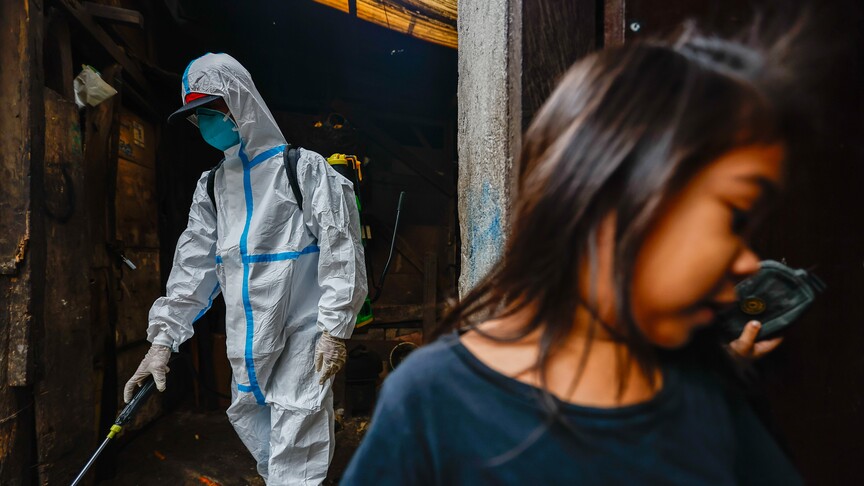
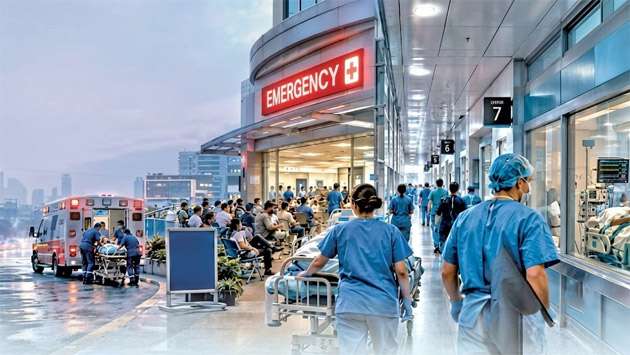
Operational impact on sellers: Hospital overcrowding (500+ daily admissions, critical resource shortages) and workforce strain in Colombo, Gampaha, and Matara districts may disrupt 3PL operations and last-mile delivery in the Western Province (57.1% of cases). Sellers should anticipate 5-10 day delays in fulfillment from Sri Lankan distribution centers and consider rerouting inventory through alternative hubs. The Presidential Task Force on Dengue's upcoming assessment may trigger new import regulations on health products, requiring sellers to monitor compliance requirements for medical devices and pesticides entering Sri Lanka.
Questions 8
What regulatory changes should sellers monitor as Sri Lanka responds to the dengue crisis?
The Presidential Task Force on Dengue will convene to assess healthcare capacity and control measures, potentially triggering new import regulations on medical devices and pesticides. The Sri Lanka Public Health Inspectors Association is advocating for stronger legal provisions and enforcement mechanisms under the Mosquito Control Act. Sellers should monitor announcements from the Health Ministry regarding import requirements for mosquito repellents, fever management products, and protective equipment. Compliance with new regulations could require product certifications or documentation updates. Subscribe to Sri Lankan government health ministry updates and consult with local import agents to stay ahead of regulatory changes.
How does Sri Lanka's economic context (four-day work week, energy shortages) affect consumer spending on health products?
Despite economic challenges (four-day work week due to energy shortages from regional conflicts), consumer spending on health protection remains resilient during public health crises. The 22-million population prioritizes disease prevention and treatment even during economic downturns. This indicates strong demand elasticity for health and safety products during the dengue epidemic. Sellers should position products as essential health investments rather than discretionary purchases. The crisis may also drive consumers toward value-oriented options and bulk purchases, suggesting opportunities for bundled product offerings and competitive pricing strategies in the health category.