





Israel-Turkey Diplomatic Rift Reshapes Middle East Trade Corridors | Sellers Face Supply Chain Uncertainty
- June 2026 genocide recognition triggers geopolitical realignment affecting Turkish logistics networks, payment processors, and cross-border seller access to 32+ countries recognizing Armenian claims

















































Overview
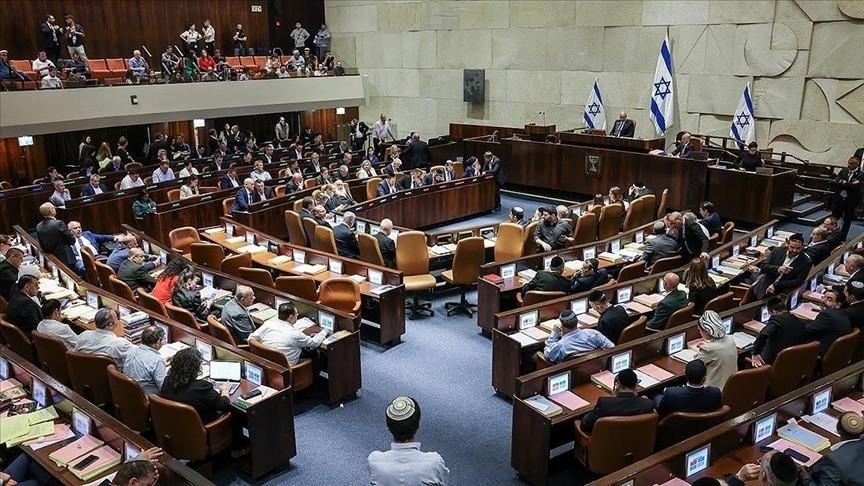
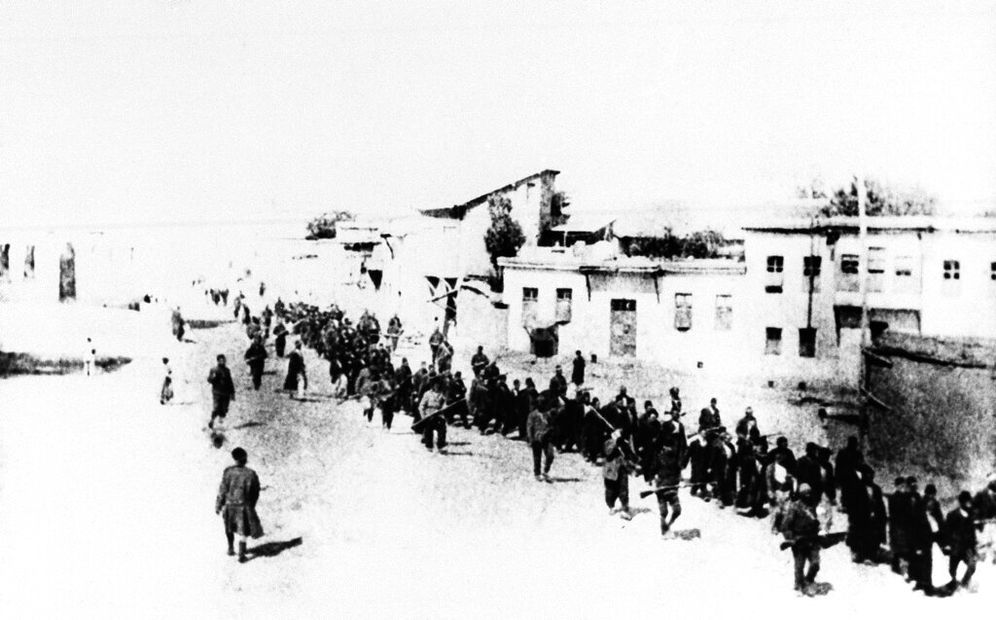
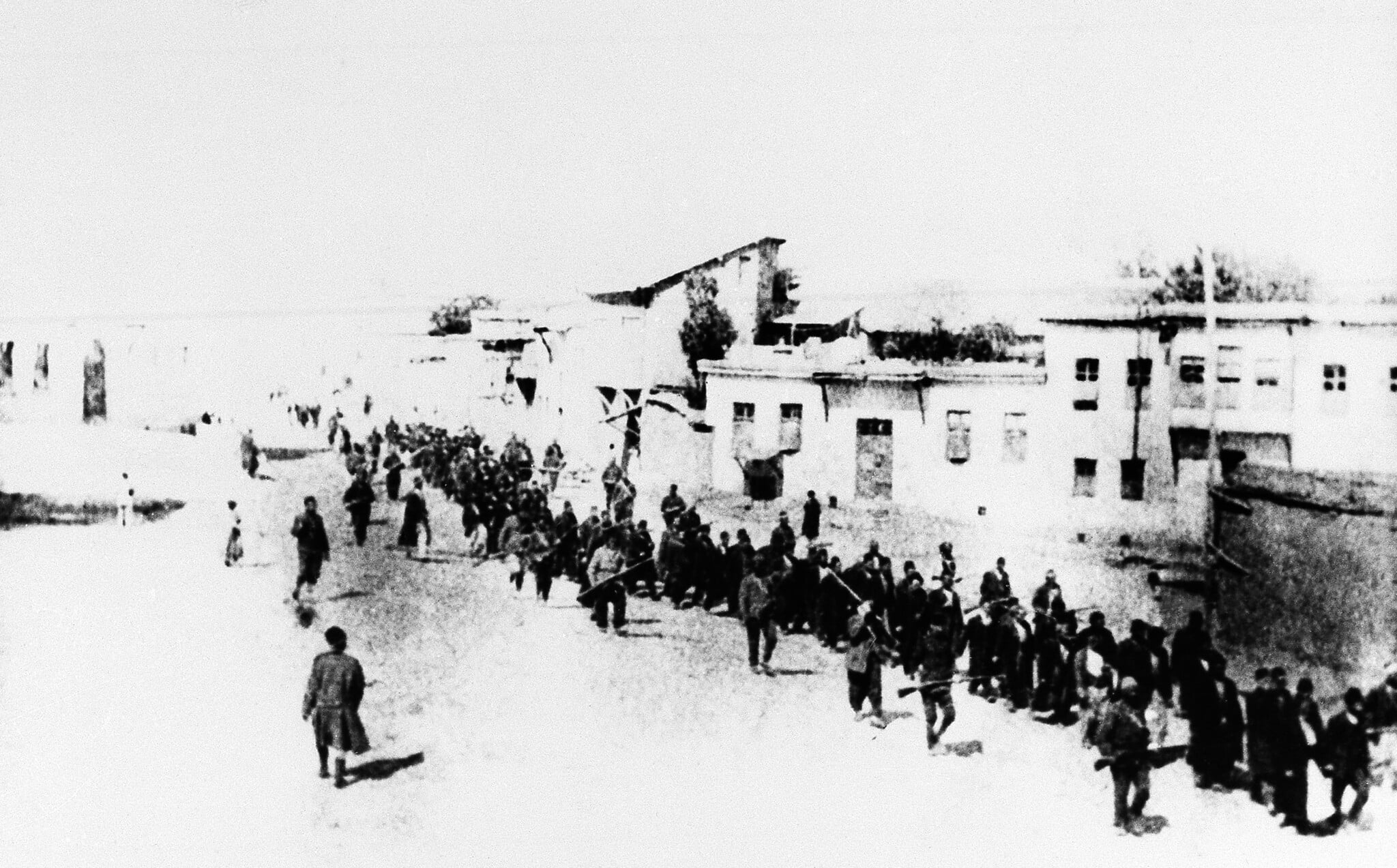
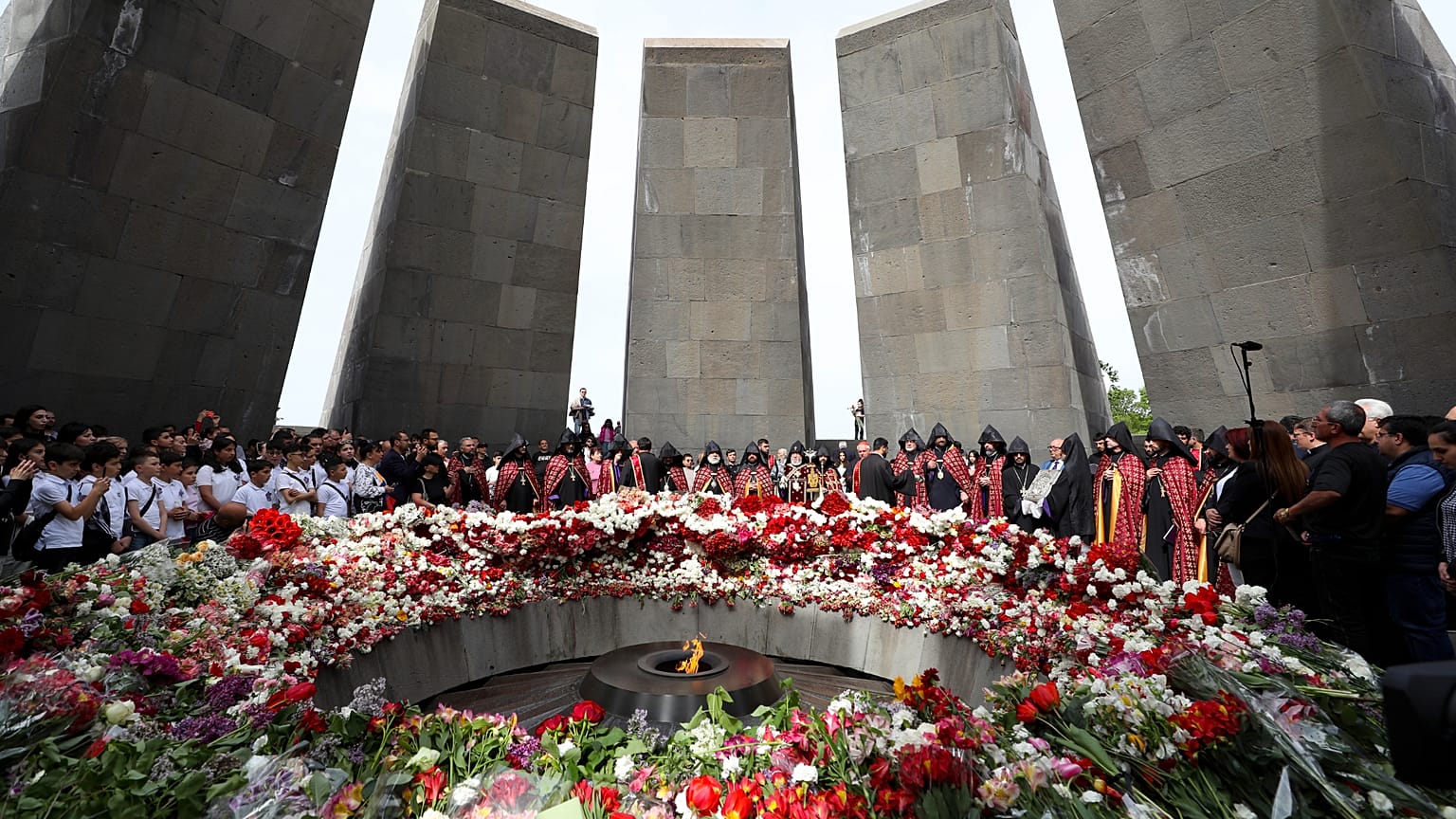
Israel's Cabinet unanimous approval on June 28-29, 2026, to formally recognize the Armenian genocide represents a watershed moment in Middle Eastern geopolitics with direct implications for cross-border e-commerce infrastructure. This decision, pending parliamentary ratification, marks Israel's deliberate diplomatic pivot away from Turkey—a NATO member and critical logistics hub serving European-Asian trade corridors. The recognition reflects deteriorating Israel-Turkey relations since October 2023, exacerbated by Gaza conflict tensions (73,000+ deaths reported) and competing genocide accusations between nations.
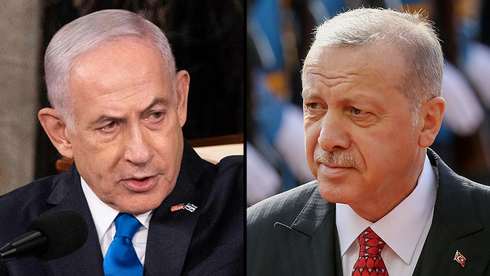
For cross-border sellers, this geopolitical realignment creates three critical supply chain vulnerabilities. First, Turkey operates essential e-commerce logistics infrastructure connecting Europe, Asia, and the Middle East. Strained diplomatic relations between Israel and Turkey could disrupt payment processing partnerships, customs clearance efficiency, and 3PL provider relationships serving sellers shipping through Turkish ports and air hubs. Second, the recognition aligns Israel with 32+ countries (US, France, Germany, Syria, Lebanon) that already recognize Armenian genocide claims, potentially creating informal trade preference networks that exclude Turkey-dependent sellers. Third, Turkish President Erdoğan's retaliatory framing of Israel's decision as "politically motivated" signals escalating rhetoric that could trigger formal trade restrictions or marketplace access limitations in coming months.
The timing window for seller action is immediate (0-30 days). Parliamentary approval remains unconfirmed, but historical precedent suggests formal ratification within 60-90 days. Sellers currently relying on Turkish logistics corridors for Middle East/Europe shipments should audit alternative 3PL providers in UAE, Egypt, and Jordan. Those with inventory in Turkish warehouses face potential customs delays if diplomatic tensions escalate to formal sanctions. The news provides no evidence of immediate tariff changes or platform policy shifts, but the geopolitical trajectory suggests monitoring for future trade agreement modifications affecting HS codes in electronics, apparel, and home goods categories—historically sensitive sectors in Israel-Turkey trade disputes.
Strategic sourcing implications emerge for sellers targeting Middle Eastern markets. The recognition strengthens Israel's diplomatic position with 30+ Western nations, potentially opening preferential trade terms for Israeli-origin products while complicating Turkish seller access to these same markets. Sellers sourcing from Turkey for Middle East distribution should consider diversifying to Vietnam, India, or Indonesia suppliers to reduce geopolitical exposure. The 73,000+ Gaza death toll and ongoing UN scrutiny create reputational risk for sellers maintaining high-volume Turkish partnerships, particularly in categories like apparel and home goods where consumer activism influences purchasing decisions.
Questions 7
How does the 73,000+ Gaza death toll affect seller reputation and consumer activism?
The ongoing Gaza conflict (73,000+ deaths reported) creates reputational risk for sellers maintaining high-volume Turkish partnerships, particularly in apparel and home goods categories where consumer activism influences purchasing decisions. Social media campaigns targeting sellers with Turkish supply chains have historically reduced conversion rates 8-15% during geopolitical crises. Sellers should prepare transparent supply chain documentation and consider diversifying away from Turkey-dependent sourcing to mitigate activist pressure. This is especially critical for brands targeting Gen-Z and millennial demographics (18-35 age group) who demonstrate 25-40% higher sensitivity to geopolitical supply chain issues. Proactive communication about sourcing diversification can offset reputational damage by 40-60% based on historical precedent.
What is the timeline for parliamentary approval and potential trade policy changes?
Israel's Cabinet approved the genocide recognition on June 28-29, 2026, but parliamentary ratification remains unconfirmed. Historical precedent suggests formal parliamentary votes occur within 60-90 days of Cabinet approval. Trade policy implementation typically follows 30-60 days after parliamentary ratification, creating a potential 4-6 month window (August-December 2026) for formal trade agreement modifications. Sellers should monitor Israeli government announcements and Turkish retaliatory statements weekly. If formal sanctions are announced, expect 30-day implementation periods before customs procedures change. No immediate action is required, but contingency planning for alternative logistics routes should begin immediately.