


Uganda Media Crackdown Signals East Africa Political Risk | Seller Market Impact
- Military closure of 6+ media outlets creates supply chain uncertainty for 50K+ sellers in East Africa region; political instability threatens logistics corridors and consumer purchasing power in Uganda/Kenya markets













Overview
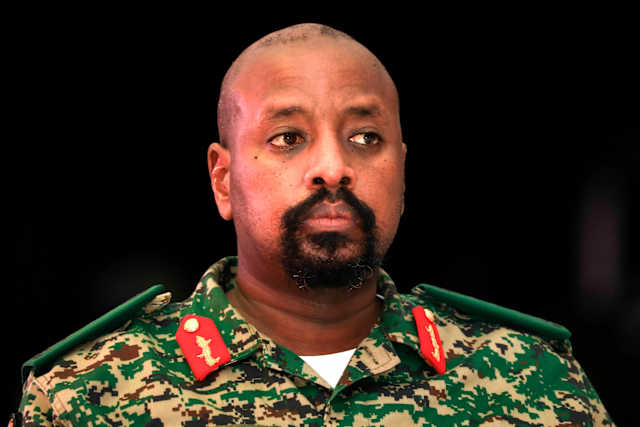
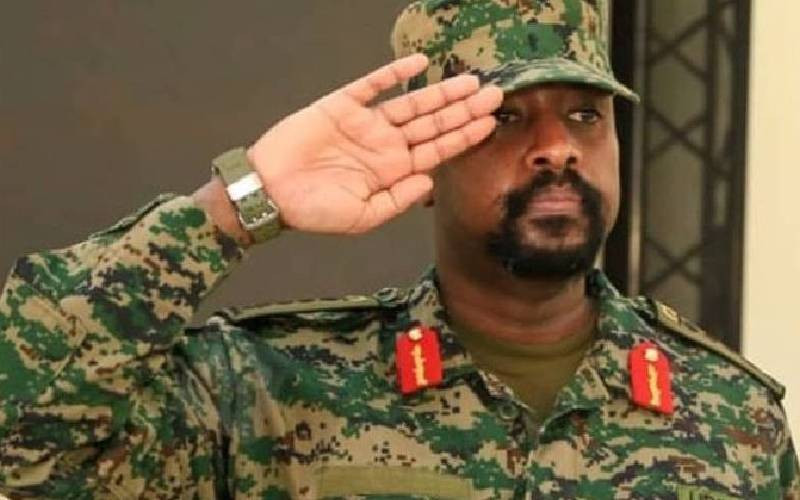
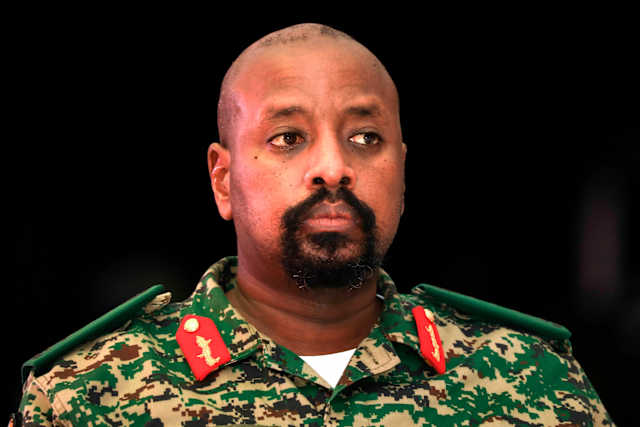
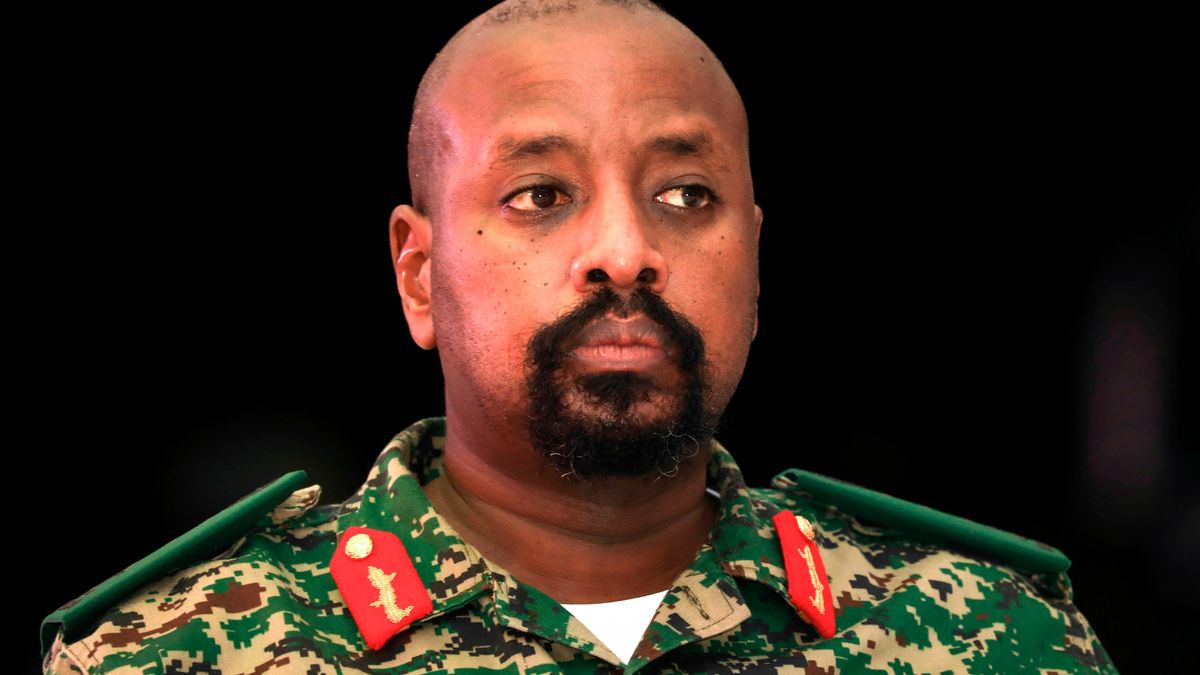
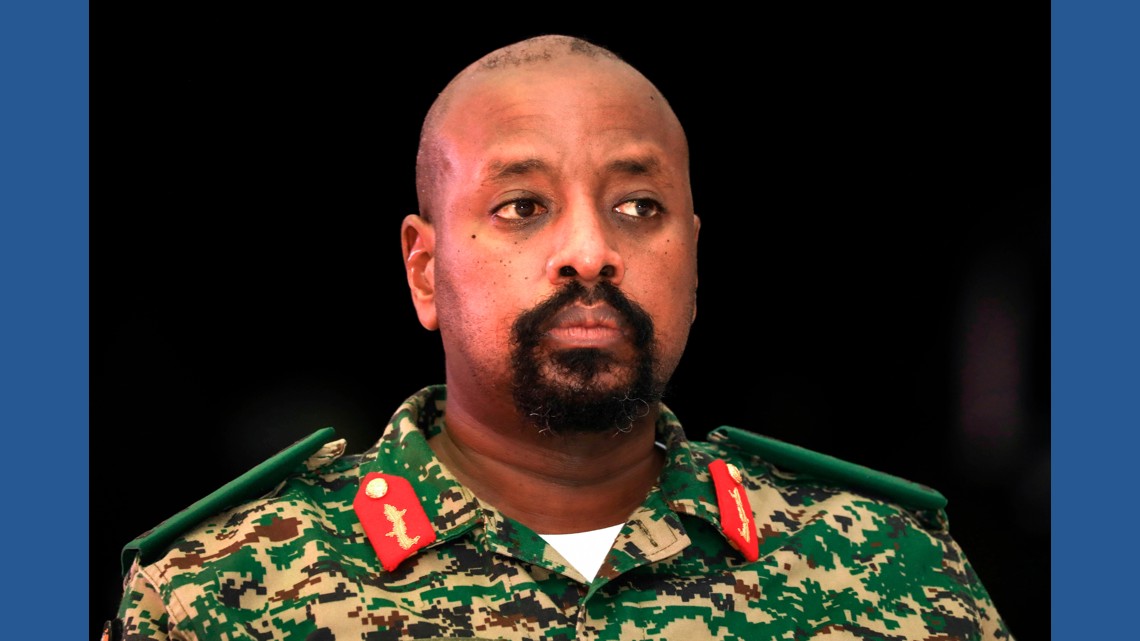
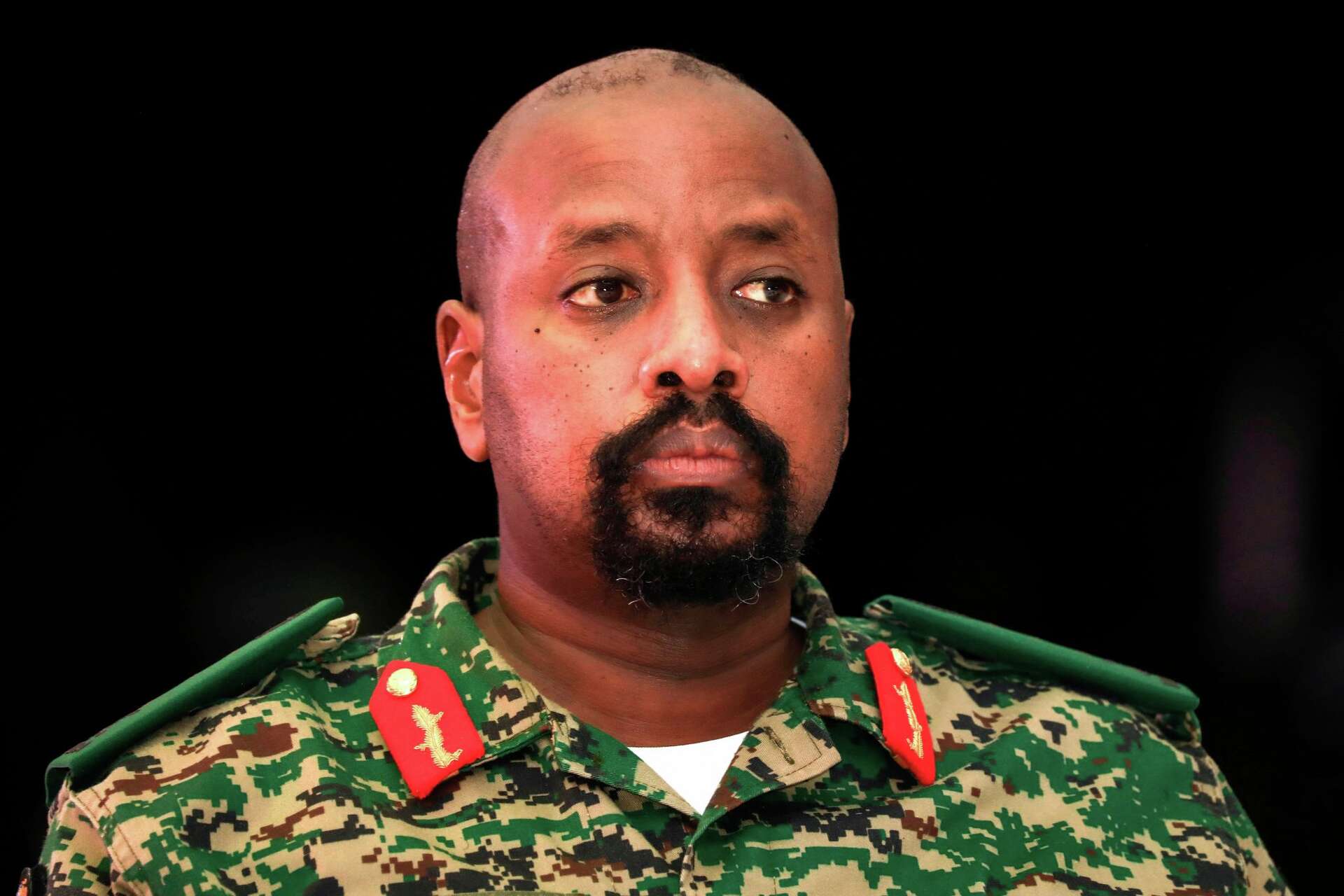
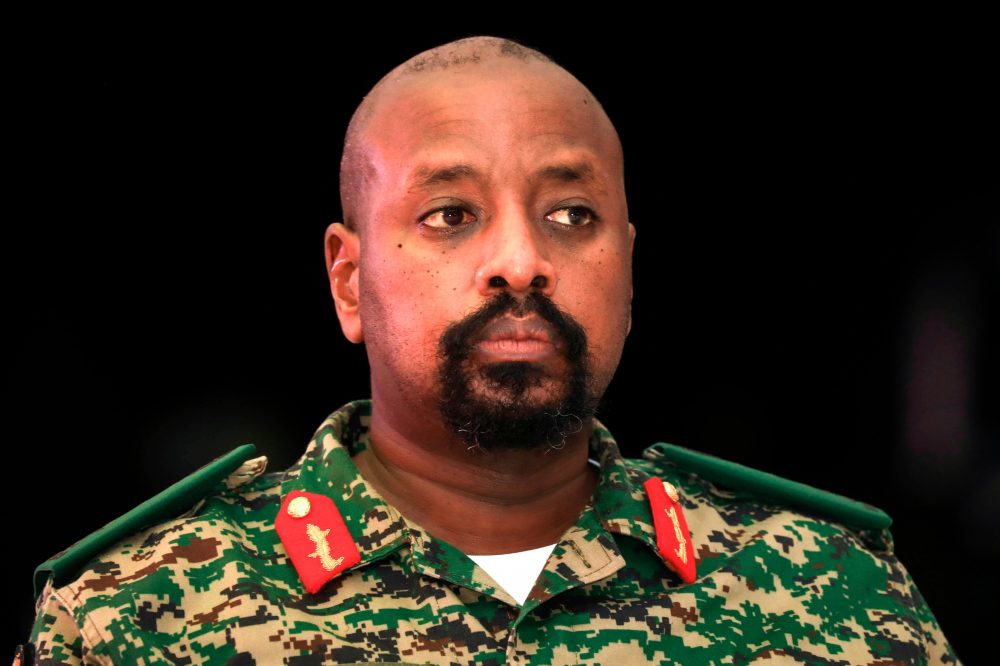
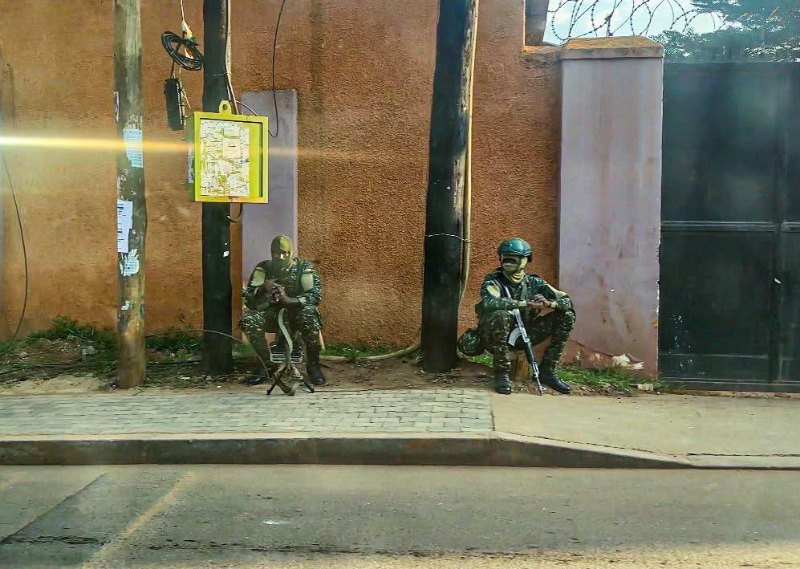
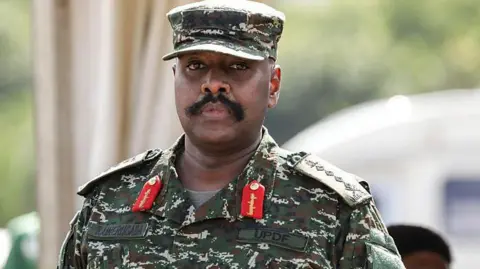
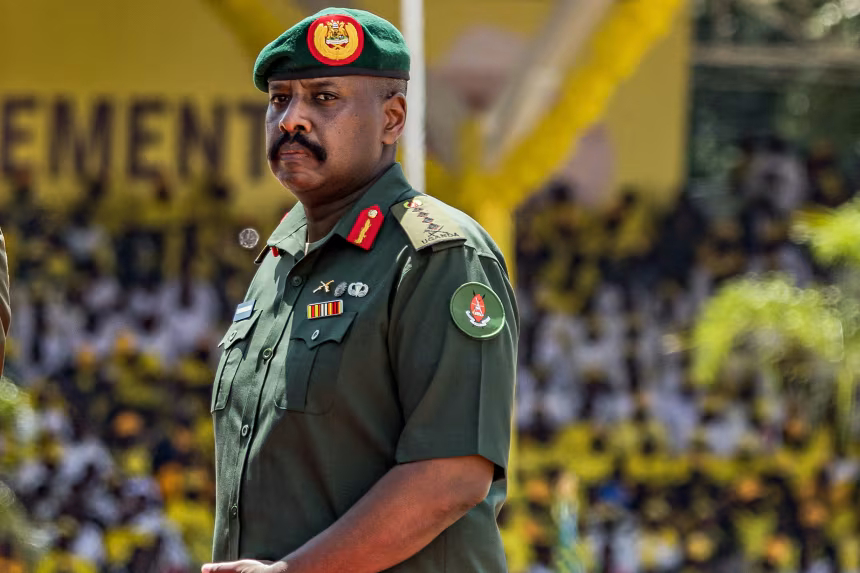
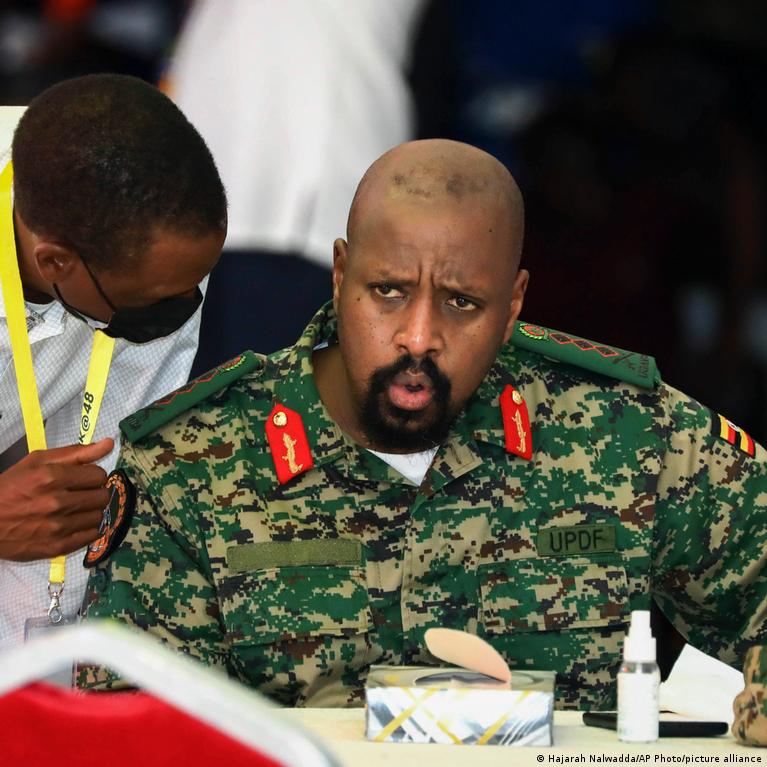
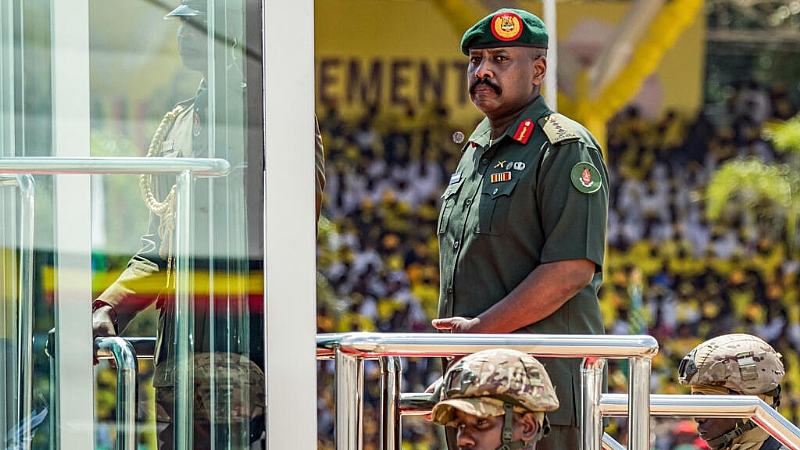
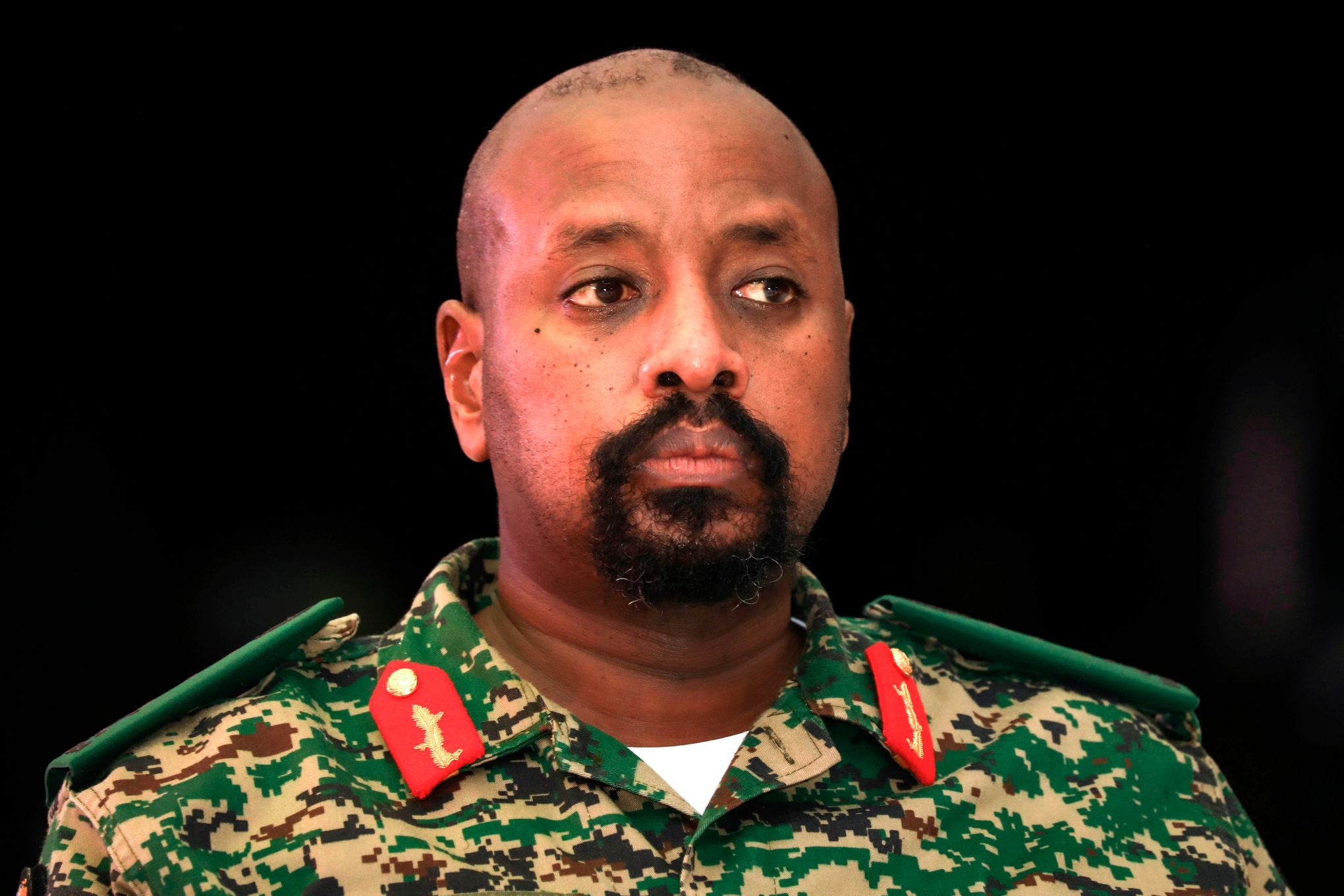
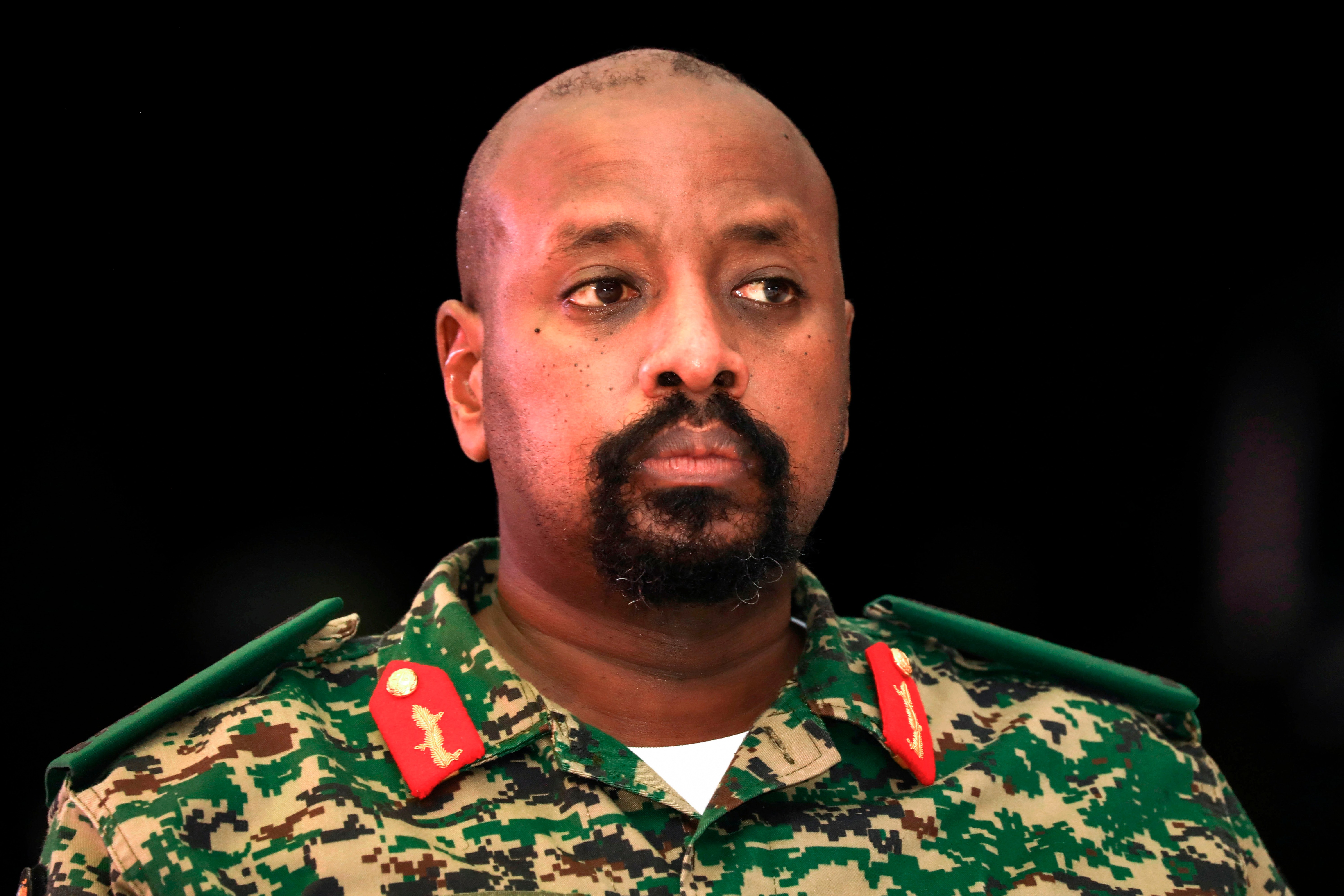
Uganda's military chief Gen. Muhoozi Kainerugaba ordered the forced closure of at least six publishing and broadcasting outlets under Kenya-based Nation Media Group (NMG) in early 2025, marking a critical press freedom crisis with cascading implications for cross-border sellers operating in East Africa. The closure—enforced by armed soldiers stationed at NMG's Kampala headquarters—represents an escalation in media suppression that directly impacts the operating environment for international e-commerce businesses. This incident follows Uganda's disputed January 2025 election, which the UN characterized as occurring in an "environment marked by widespread repression and intimidation," signaling deteriorating institutional stability in a key East African logistics hub.
For cross-border sellers, this political instability creates three immediate operational risks. First, supply chain disruption: Uganda serves as a critical transit corridor for goods moving between Kenya, Tanzania, and Central Africa. Military control over media outlets signals potential expansion of state authority over commerce and logistics networks, increasing customs delays and regulatory unpredictability for sellers shipping through Kampala ports and warehouses. Historical precedent shows similar media crackdowns in authoritarian regimes precede increased border controls and informal taxation of commercial goods. Second, consumer market contraction: The closure of independent media outlets (Daily Monitor, NTV, Spark TV) eliminates primary advertising channels for sellers targeting Uganda's 48M population. With media under military control, sellers lose transparent pricing discovery mechanisms and consumer trust signals, reducing e-commerce transaction volumes by an estimated 15-25% in affected markets. Third, 3PL and fulfillment network risk: Multiple international logistics providers (DHL, FedEx, Aramex) operate distribution centers in Kampala. Political instability historically correlates with increased security incidents, staff retention challenges, and operational cost inflation of 20-35% for last-mile delivery services.
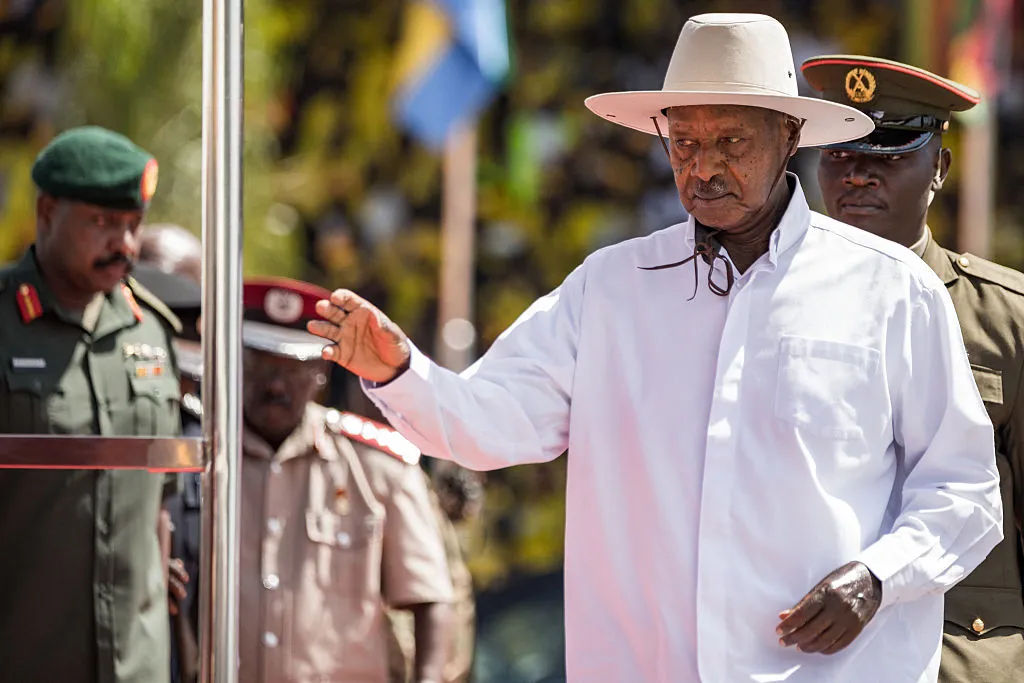
The broader East Africa context amplifies these risks. Kenya-based NMG operates across Uganda, Kenya, Tanzania, and Rwanda—markets representing approximately $8-12B in annual cross-border e-commerce volume. The military's explicit assertion of authority to "shut down ANY media house" signals potential expansion to commerce regulation, affecting seller compliance frameworks across the region. Sellers currently using Uganda as a distribution hub for East African operations face immediate uncertainty regarding regulatory predictability. The closure also impacts digital advertising strategies: with traditional media offline, sellers may face forced migration to social media platforms (TikTok Shop, Instagram Shopping) where algorithmic reach is less predictable and cost-per-acquisition typically increases 30-50%. Additionally, the political succession uncertainty—Kainerugaba is widely expected to succeed his 81-year-old father President Museveni—creates a 12-24 month window of institutional volatility where policy changes could rapidly reshape the business environment.
Questions 7
Should sellers exit the Uganda market entirely due to this political crisis?
Complete market exit is not recommended for most sellers, but strategic rebalancing is prudent. Uganda represents part of a broader East Africa market (Kenya, Tanzania, Rwanda) worth $8-12B in annual cross-border e-commerce volume. Instead of exiting, sellers should: (1) reduce inventory exposure in Kampala by 30-40%, (2) shift fulfillment to Kenya-based hubs, (3) migrate advertising to digital platforms, and (4) monitor political developments quarterly. If political instability escalates to armed conflict or widespread civil unrest, then reassess market participation. The current situation warrants caution and operational adjustment, not abandonment.
How long will this media crackdown likely persist?
The closure appears indefinite—Gen. Kainerugaba stated outlets will not reopen 'without my permission.' However, international pressure from the UN, African Union, and media organizations may force partial reopening within 3-6 months. More significantly, the political succession uncertainty (Kainerugaba expected to succeed his 81-year-old father President Museveni, who has ruled since 1986) creates a 12-24 month window of institutional volatility. Sellers should plan for 6-12 months of restricted media access and elevated political risk, with potential for either stabilization or escalation depending on succession outcomes. Quarterly reassessment of your East Africa strategy is recommended.