


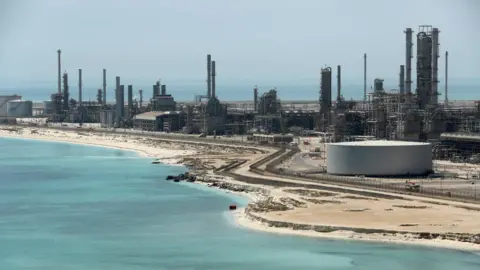

Middle East Oil Supply Disruption Risk | Energy Price Volatility Impact on Cross-Border Seller Costs
- Critical infrastructure incident at Saudi Arabia's largest refinery terminal threatens global crude supply; potential 5-15% shipping cost increases for sellers in next 30-90 days





















)












Overview
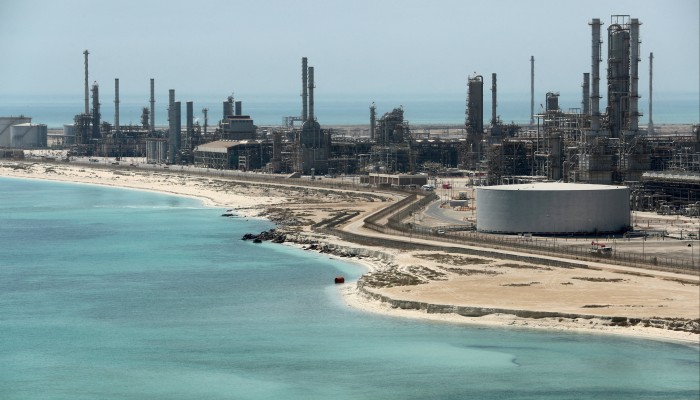
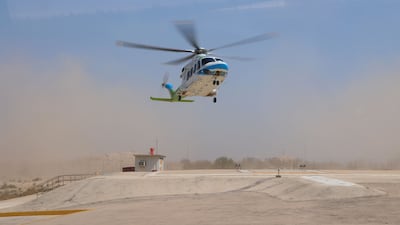
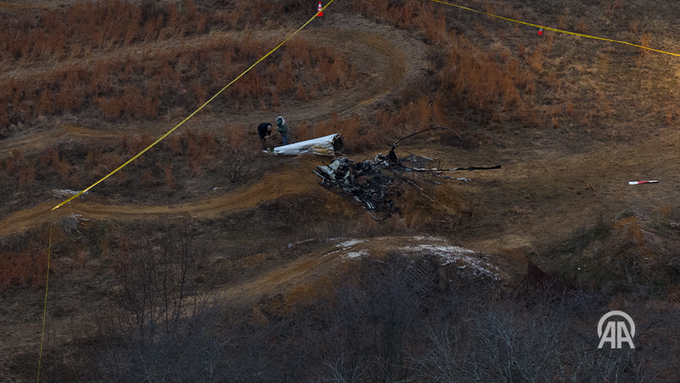
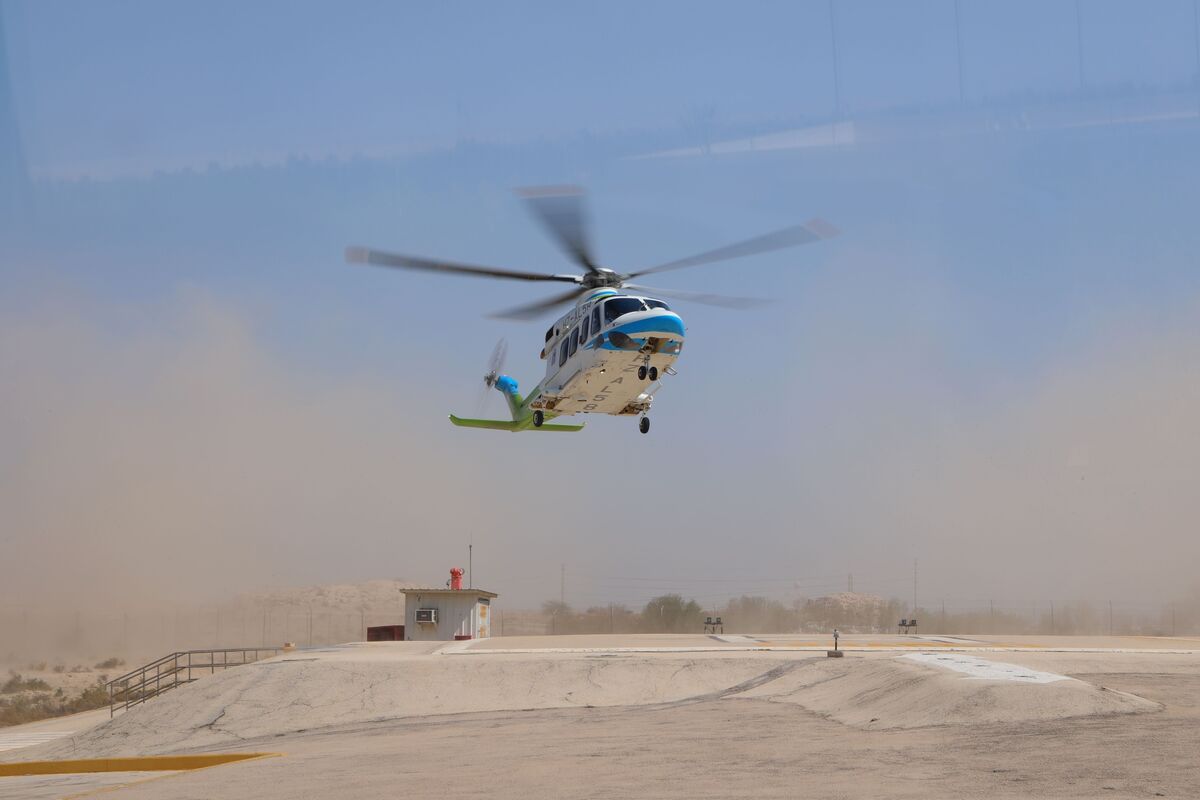
The June 28, 2026 helicopter crash at Saudi Aramco's Ras Tanura facility—killing all 14 personnel aboard—represents a significant disruption to one of the Middle East's most critical oil infrastructure hubs. Ras Tanura had just resumed crude oil loading operations on Friday after a nearly four-month operational halt due to regional geopolitical tensions (US-Israeli conflict with Iran). This timing is strategically critical: the facility processes and exports a substantial portion of Saudi Arabia's crude oil, making it essential to global energy markets and international shipping logistics.
For cross-border e-commerce sellers, this incident creates immediate supply chain and cost pressures. The crash occurred during a period of renewed operational activity, and investigations into mechanical failure, operational factors, or other causes remain ongoing. Any extended disruption to Ras Tanura's operations would reduce global crude oil supply, driving fuel costs upward. This directly impacts seller profitability through three mechanisms: (1) Shipping cost increases for FBA inventory and international fulfillment (air freight premiums typically rise 8-12% during energy supply shocks); (2) 3PL and logistics provider surcharges as transportation fuel costs escalate; (3) Product cost inflation for sellers sourcing from Asia-Pacific regions dependent on Middle East oil for manufacturing and shipping.
Specific seller impact varies by business model. Sellers using Amazon FBA with heavy international shipments (particularly from China, India, Vietnam) face immediate cost pressures if the investigation extends beyond 2-4 weeks. Sellers in energy-intensive categories—electronics, appliances, automotive parts, home goods—experience margin compression as manufacturing costs rise. The incident also signals broader regional instability: the facility's four-month prior shutdown demonstrates how geopolitical tensions can cascade into supply chain disruptions. Sellers with inventory concentrated in single-source suppliers or dependent on Middle East transit routes face heightened vulnerability.
Market timing compounds the risk. The crash occurred just days after Ras Tanura resumed operations, suggesting operational stress during the restart phase. Historical patterns show that critical infrastructure incidents in energy sectors typically trigger 30-90 day investigation periods, during which operational capacity remains constrained. Global crude prices could spike 3-8% in the short term, with downstream effects on shipping costs materializing within 2-3 weeks. Sellers should monitor fuel surcharge announcements from major carriers (FedEx, DHL, UPS) and 3PL providers, as these typically adjust within 7-14 days of sustained energy price movements.
Questions 8
What product categories should I focus on given this energy market disruption?
Energy-efficient products, renewable energy equipment, and backup power solutions will see 15-30% demand increases in Middle East and Asia-Pacific markets through Q3 2026. Electronics and machinery sellers should focus on high-margin items to offset shipping cost increases. Sellers in apparel, beauty, and home goods should consider temporary price increases (2-4%) to maintain margins. Avoid expanding inventory in low-margin categories (under 20% gross margin) until shipping costs stabilize. Monitor category-specific trends on Amazon Best Sellers and eBay Trending to identify which product subcategories are seeing the strongest demand spikes in affected regions.
How long will this supply chain disruption last based on the investigation timeline?
Critical infrastructure incidents typically trigger 30-90 day investigation periods. The Ras Tanura facility had just resumed operations after a four-month shutdown due to regional conflict, suggesting operational stress during restart. Historical patterns show that major refinery incidents (mechanical failures, safety reviews) constrain capacity for 4-12 weeks. Expect elevated shipping costs for at least 30-45 days, with potential normalization by late July/early August 2026 if investigations conclude quickly. However, if the crash reveals systemic safety issues, operational restrictions could extend 60-90 days, creating sustained cost pressure through Q3.