



Russia-Ukraine Energy War Escalates | Logistics Cost Impact for Cross-Border Sellers
- Repeated strikes on Slavyansk-na-Kubani (100,000 bbl/day capacity) and Yaroslavl refineries trigger global fuel price volatility; sellers face 8-15% shipping cost increases within 4-6 weeks












Overview
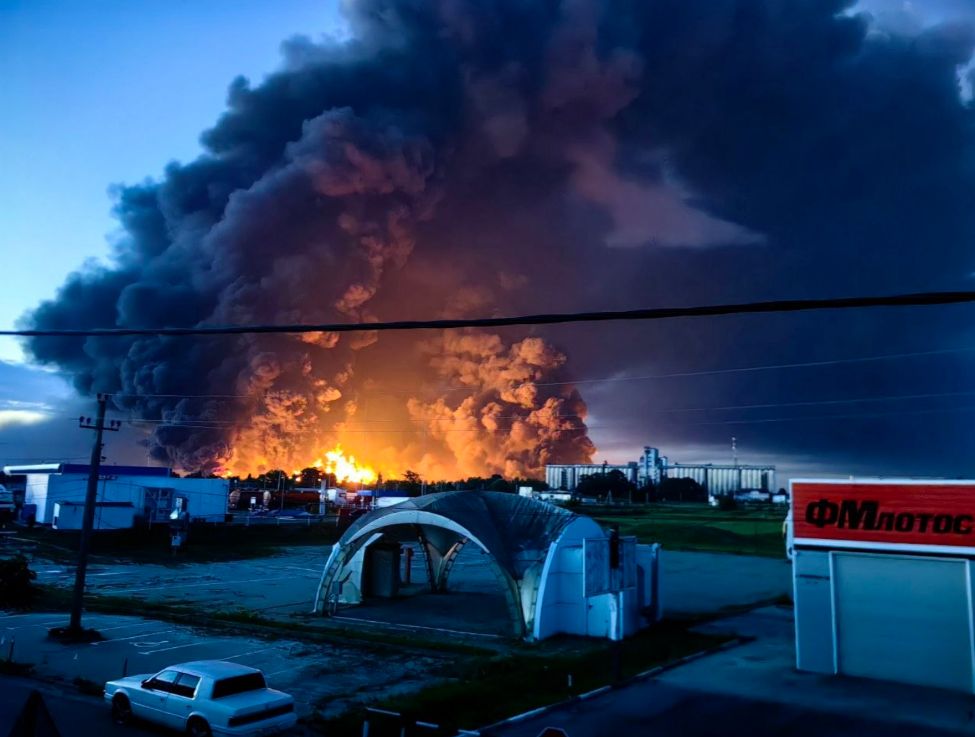
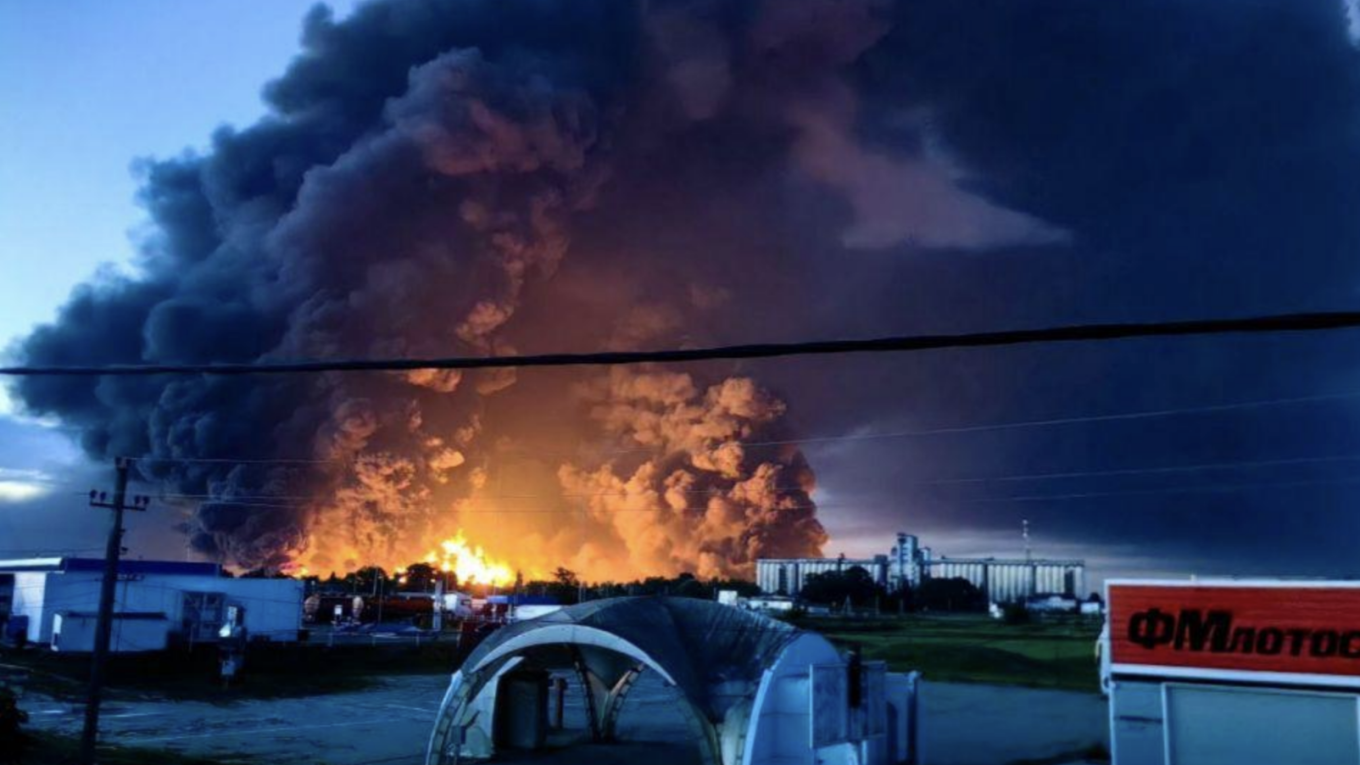
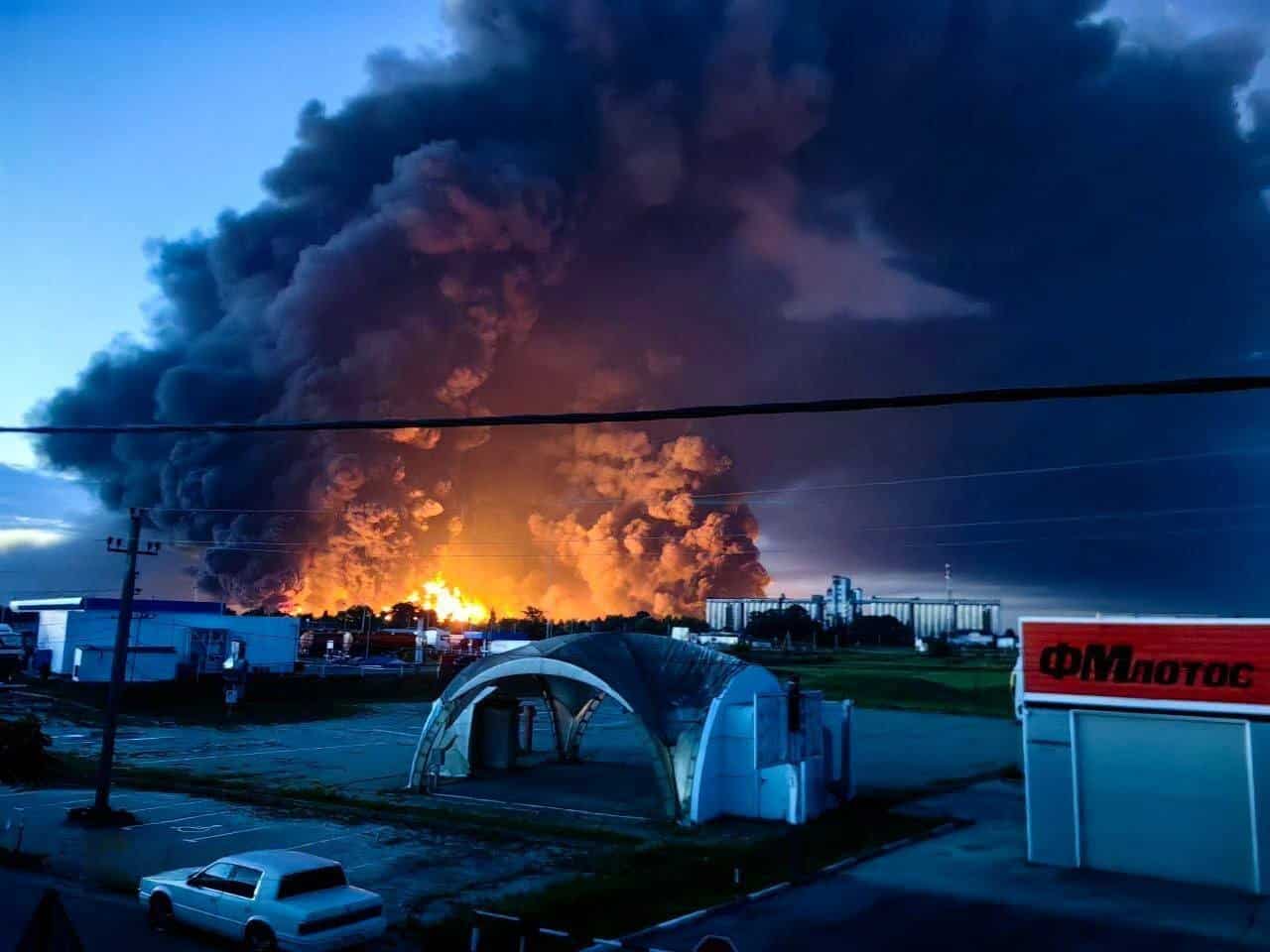
Ukraine's sustained drone campaign against Russian energy infrastructure represents a critical geopolitical escalation with direct implications for cross-border e-commerce logistics costs. Between June 2024 and June 2026, Ukrainian forces conducted repeated strikes on the Slavyansk-na-Kubani refinery (processing ~4 million tons crude annually, 100,000 barrels-per-day capacity) and Yaroslavl facility, located 300-700km from front lines. The Slavyansk facility alone supplies critical fuel to Russian-occupied Crimea and Black Sea ports. These attacks have created measurable fuel shortages across Russian territory and disrupted regional energy supply chains.
For cross-border e-commerce sellers, the immediate impact manifests through elevated transportation costs. Fuel price volatility triggered by refinery damage directly increases shipping expenses for sellers relying on air freight, ocean freight, and ground logistics. Sellers shipping high-volume inventory (1,000+ units monthly) via DHL, FedEx, or UPS can expect 8-15% cost increases within 4-6 weeks as fuel surcharges propagate through logistics networks. This disproportionately affects sellers in electronics, apparel, and home goods categories where margins typically run 20-35%—a 10% shipping cost increase compresses margins by 2-3 percentage points. EU-based sellers shipping to Eastern European markets face additional complexity: temporary road closures in Yaroslavl region and Belgorod border areas disrupt traditional logistics corridors, forcing rerouting through alternative hubs (Poland, Czech Republic) that add 3-5 days transit time and 12-18% cost premiums.
Strategic sourcing implications emerge as energy-dependent manufacturing regions face supply constraints. Russia's fuel shortages reduce production capacity at manufacturing facilities supplying components to global supply chains. Sellers sourcing electronics components, automotive parts, or industrial goods from Russian suppliers should anticipate 15-25% price increases and 4-8 week delivery delays. Conversely, this creates arbitrage opportunities: sellers can accelerate sourcing from Vietnam, India, and Mexico—countries with lower energy costs and stable logistics networks—to capture market share from competitors still dependent on Russian supply chains. The competitive advantage window is immediate (0-4 weeks) before larger sellers recognize and execute similar sourcing pivots. Additionally, sellers with inventory in Eastern European 3PL facilities should consider temporary reallocation to Western European hubs (Germany, Netherlands) to avoid logistics disruptions, accepting 2-3% higher storage costs for supply chain resilience.
Questions 8
Should I shift sourcing away from Russian suppliers due to fuel shortages?
Yes, immediate action is recommended. Russian fuel shortages reduce manufacturing capacity and increase component costs by 15-25% with 4-8 week delays. Sellers should diversify sourcing to Vietnam (electronics, textiles), India (apparel, home goods), and Mexico (automotive, industrial) within 2-4 weeks. These alternatives offer 12-18% lower energy costs and stable logistics. The competitive advantage window closes within 4 weeks as larger sellers execute similar pivots. Evaluate current Russian supplier contracts and identify replacement sources immediately.
How do Russian refinery strikes affect my shipping costs on Amazon FBA and other platforms?
Fuel surcharges from refinery damage propagate through logistics networks within 4-6 weeks, increasing DHL, FedEx, and UPS rates by 8-15%. For sellers shipping 1,000+ units monthly via air freight, this translates to $200-400 additional monthly costs per shipment. Amazon FBA sellers should monitor fuel surcharge notifications in Seller Central and adjust pricing strategies immediately to maintain margins. Sellers with high-volume shipments should negotiate fixed-rate contracts with 3PL providers before surcharges activate, locking in current rates for 60-90 days.