





EU Tariff War on Chinese Exports | €3.50 Parcel Tax Reshapes Cross-Border E-Commerce
- €3.50 fixed tariff on sub-€175 parcels effective July 1, 2026 directly impacts AliExpress, Temu, Shein sellers; 6% annual import fines begin 2028; €421B trade deficit drives protectionist shift









Overview
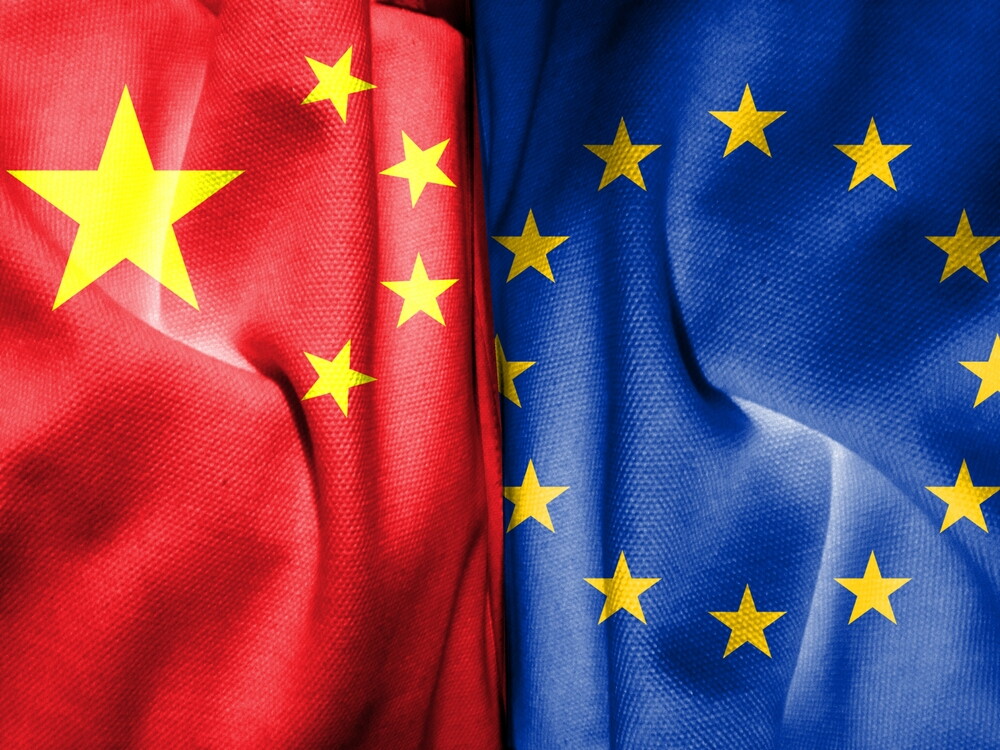
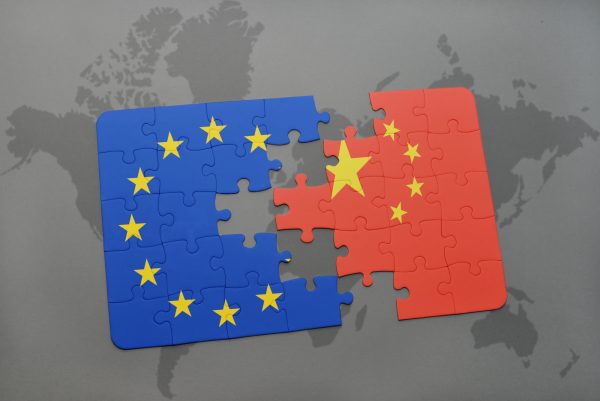
The European Union has initiated a comprehensive trade war against Chinese exports, implementing the most aggressive protectionist measures since 2024. On June 23, 2026, the European Commission announced a €3.50 fixed tariff on all parcels valued below €175 effective July 1, 2026, directly targeting low-cost e-commerce platforms including AliExpress, Temu, and Shein. This represents a fundamental shift from investigation-based anti-dumping approaches to direct import restrictions, mirroring the U.S. abolition of de minimis exemptions in April 2024.
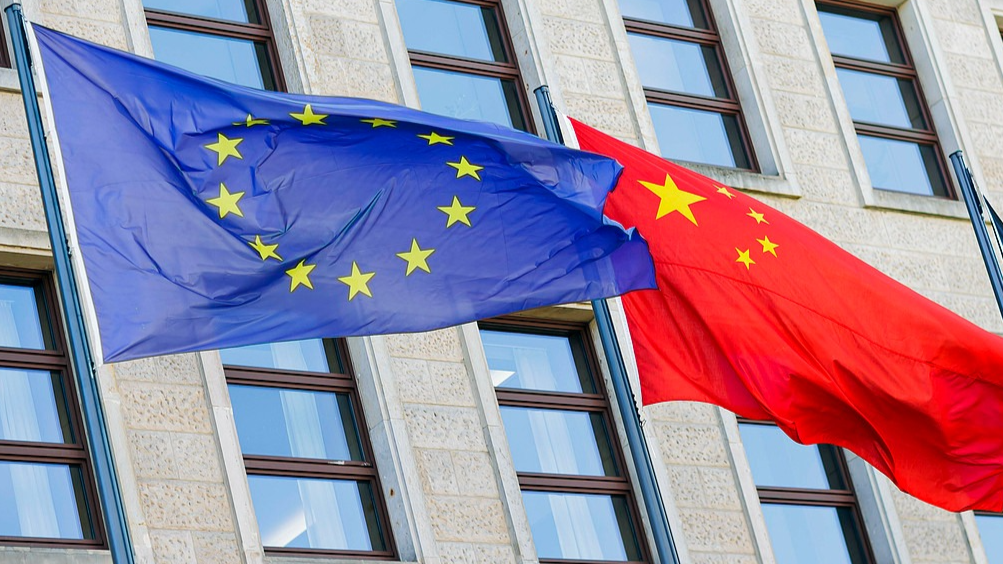
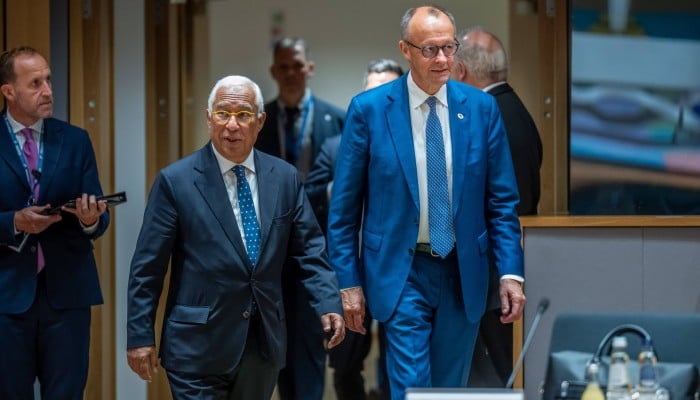
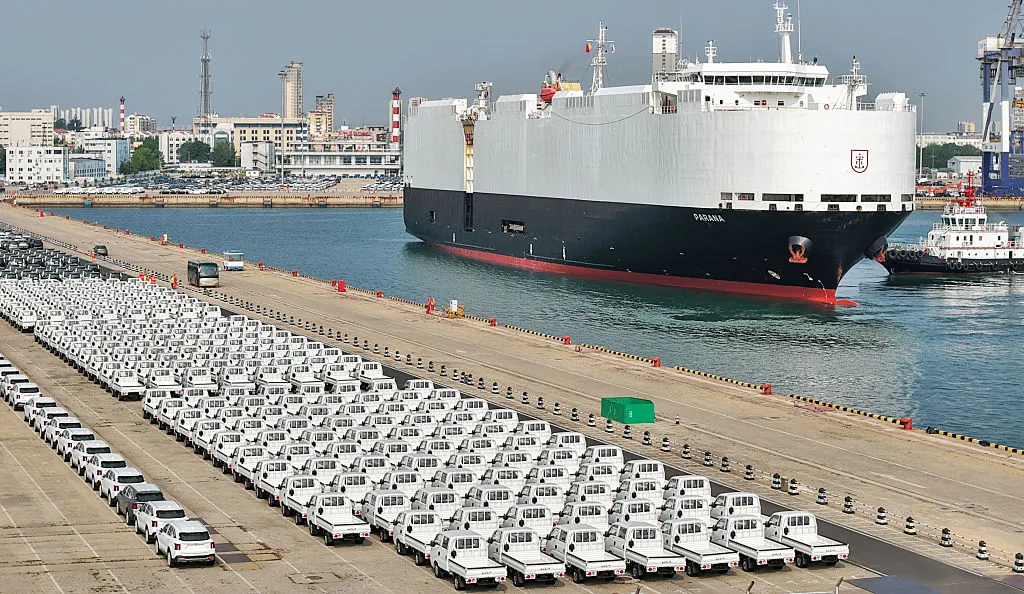
The policy context is severe: China's goods trade surplus with the EU reached €360.6 billion in 2025 (15% increase from 2024), with the gap expanding 10% in the first four months of 2026. The EU's merchandise trade deficit reached approximately €421 billion in 2025, averaging €1.17 billion daily. In response, EU leaders are preparing a diversification law to reduce economic dependence on Chinese suppliers, with enhanced compliance requirements and potential tariffs across electric vehicles, semiconductors, and critical minerals sectors.
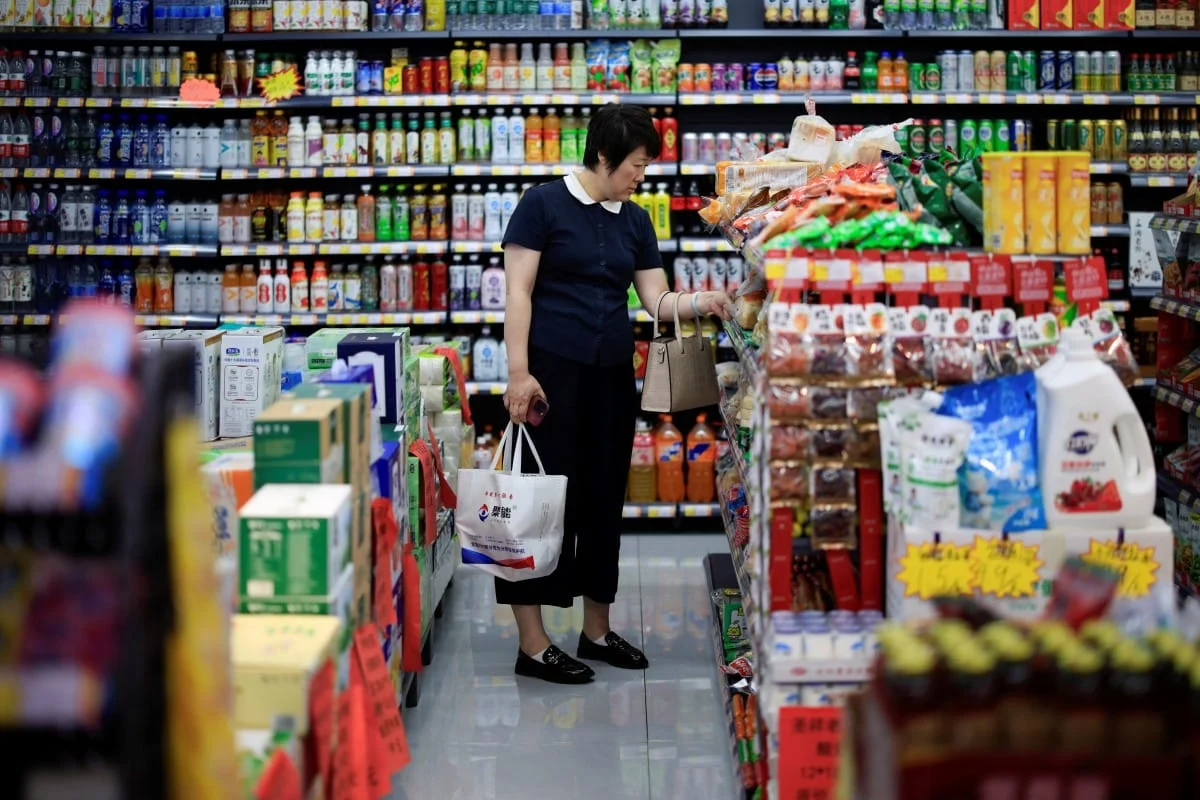
For cross-border sellers, the immediate impact is severe: The €3.50 tariff applies to approximately 4.6 billion parcels valued below €175 that entered Europe in 2024 (91% from China), representing a threefold increase from 1.4 billion in 2022. The EU will transfer legal responsibility to Chinese platforms for product safety and regulatory compliance, with fines reaching 6% of annual import value beginning in 2028. French authorities report over 60% of toys sold through Chinese platforms failed safety requirements, justifying the regulatory escalation.
Strategic sourcing implications are critical: Sellers currently leveraging Chinese suppliers for sub-€175 products face 2-3% cost increases per unit (€3.50 tariff on €100-150 items). The rare earth export restrictions implemented by Beijing in April 2025 compound supply chain risks, affecting manufacturers dependent on Chinese critical minerals. The EU plans to establish a European Customs Authority in Lille, France, with an integrated data platform launching in 2028 to monitor Chinese parcels in real time, creating additional compliance complexity.
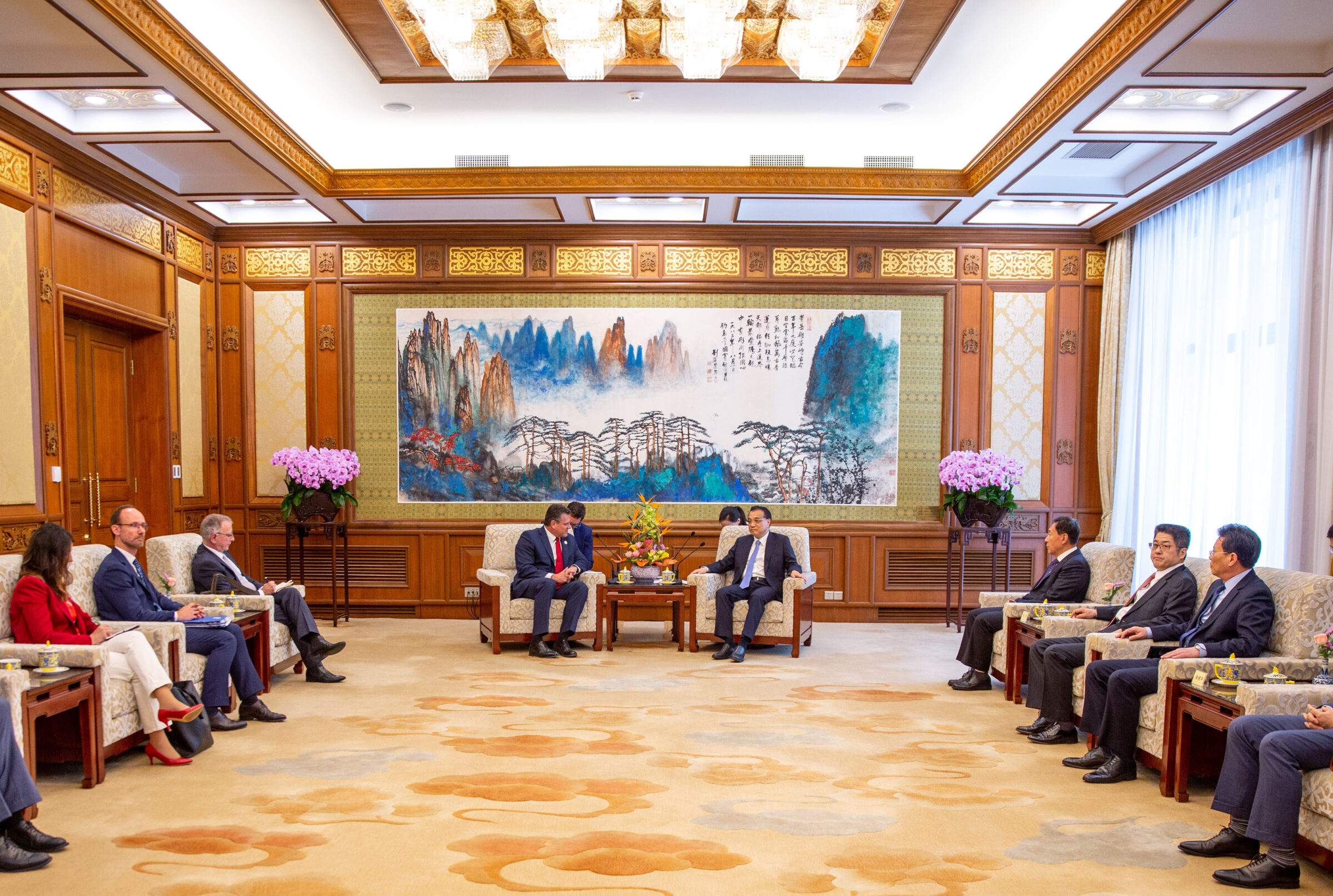
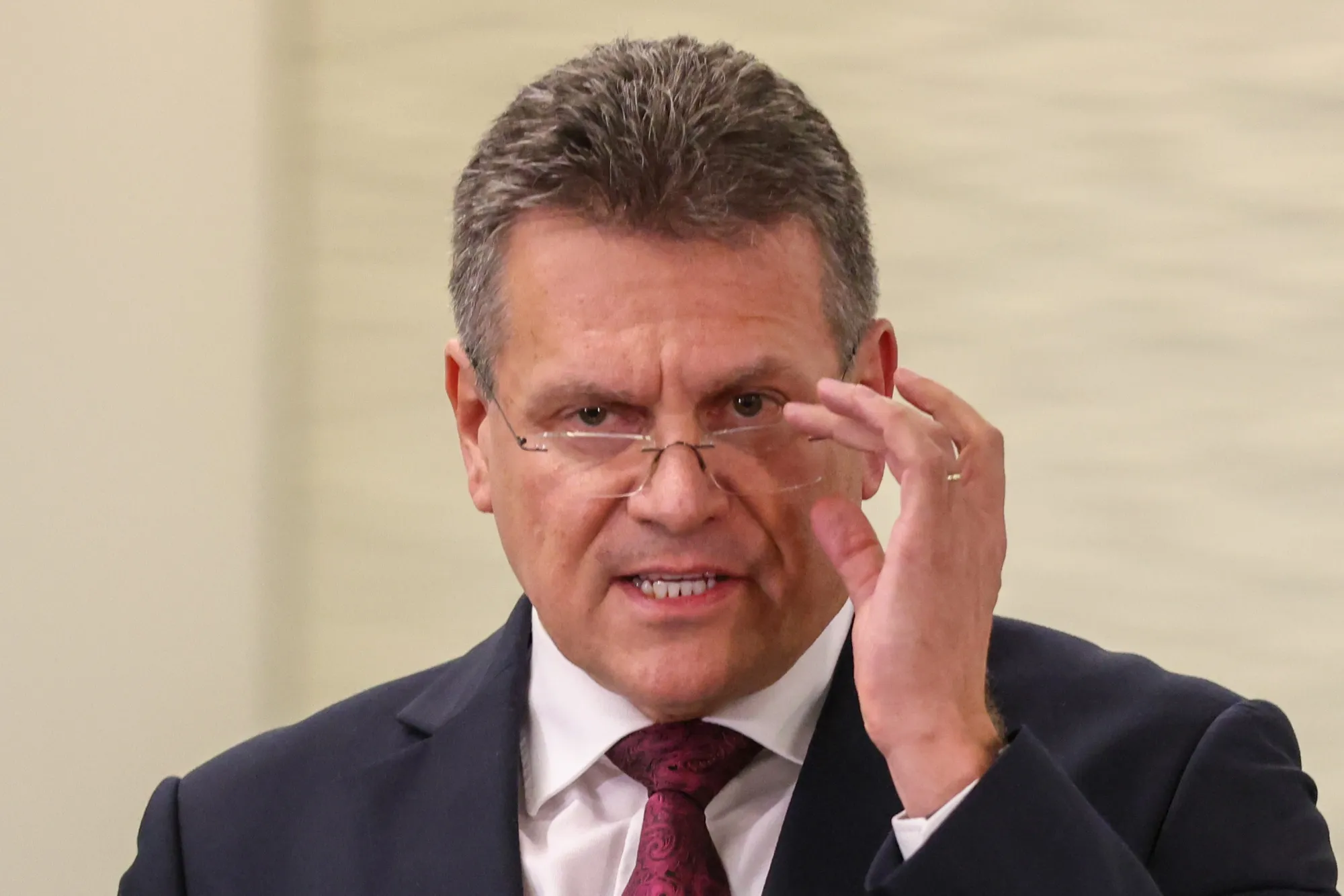
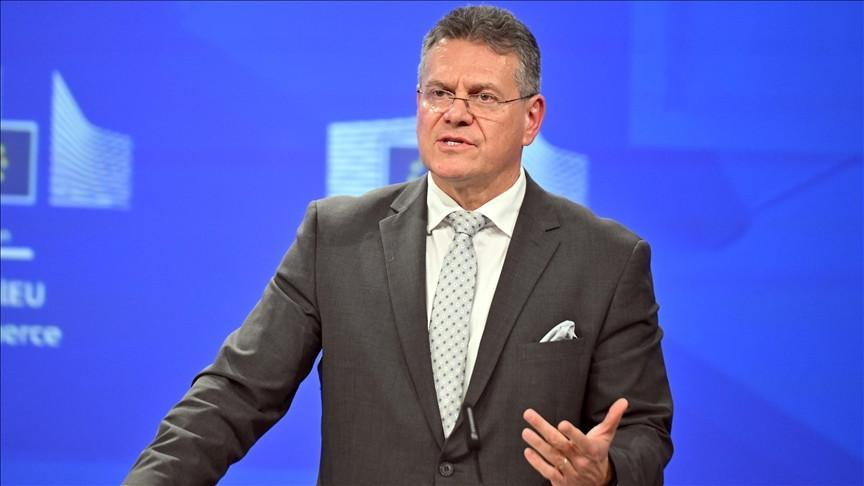
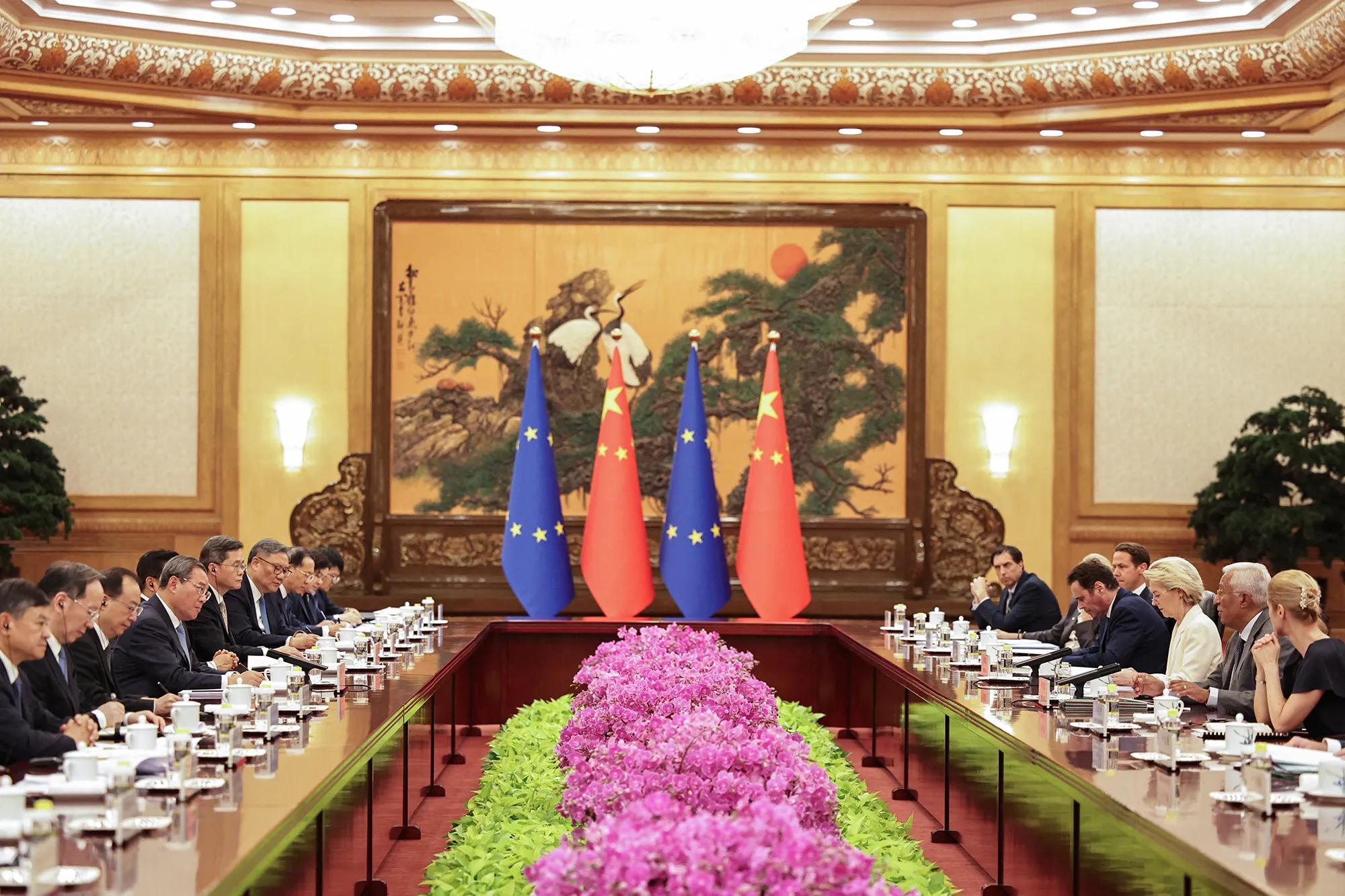
Competitive dynamics shift dramatically: Sellers using AliExpress, Temu, or Shein as sourcing platforms face immediate margin compression. European-based sellers and those sourcing from Vietnam, India, or Southeast Asia gain competitive advantages. The June 29, 2026 meeting between Chinese Commerce Minister Wang Wentao and EU Trade Commissioner Maros Sefcovic signals potential negotiation windows, but China's June 28 CCTV statement declaring willingness to "withstand a trade freeze" suggests Beijing will not capitulate to EU demands, indicating tariffs will persist through 2026-2027.
Questions 8
How does the June 29 EU-China trade meeting affect tariff policy for the rest of 2026?
The June 29, 2026 meeting between Chinese Commerce Minister Wang Wentao and EU Trade Commissioner Maros Sefcovic occurs amid escalating tensions, with China's June 28 CCTV statement declaring willingness to 'withstand a trade freeze.' This suggests Beijing will not capitulate to EU demands, indicating tariffs will persist through 2026-2027. However, the meeting may produce negotiated exemptions for specific product categories or supplier certifications. Sellers should monitor official EU Commission announcements post-June 29 for any tariff modifications or compliance shortcuts. The €3.50 tariff is likely to remain in effect through 2026, with potential escalation to 5-7% ad valorem tariffs in 2027 if negotiations fail. Plan sourcing strategies assuming tariffs persist for 12+ months.
What is the timeline for EU diversification law implementation and how does it affect sourcing?
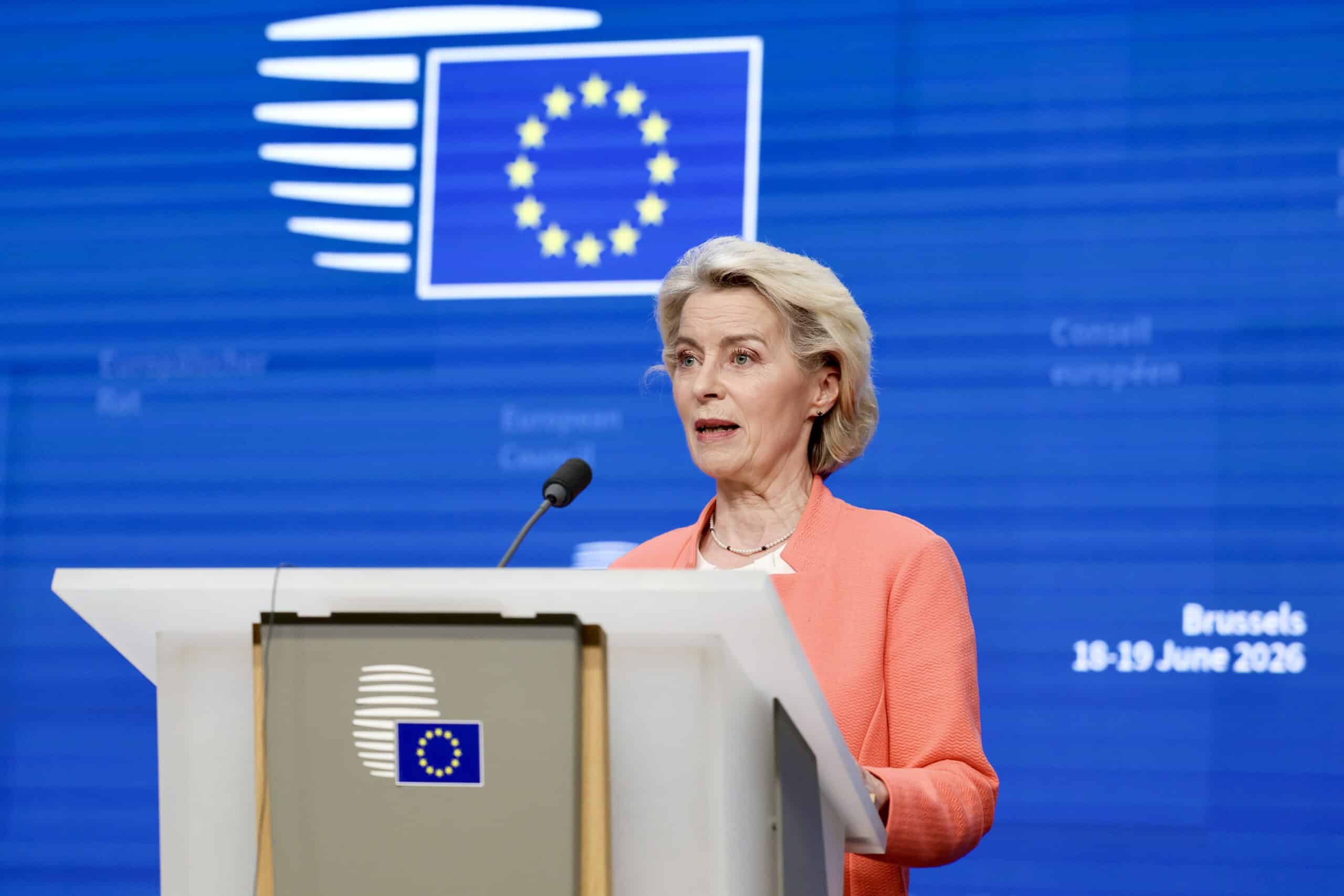
EU leaders agreed in June 2026 to implement a diversification law reducing economic dependence on Chinese suppliers, with specific implementation details still under negotiation among member states. The law will likely require EU companies to source 20-30% of critical supplies from non-Chinese suppliers by 2027-2028. This creates immediate opportunities for sellers sourcing from Vietnam, India, Indonesia, and Thailand. However, the law also increases compliance complexity and documentation requirements. Sellers should begin qualifying alternative suppliers now, as demand for non-Chinese sourcing will spike once the law is finalized. The June 29, 2026 meeting between Chinese Commerce Minister Wang Wentao and EU Trade Commissioner Maros Sefcovic may clarify implementation timelines.