




Russia-Ukraine Conflict Escalation | Supply Chain & Market Risk Assessment for Cross-Border Sellers
- Geopolitical instability threatens logistics corridors, energy costs, and Eastern European market access for 50K+ sellers














Overview
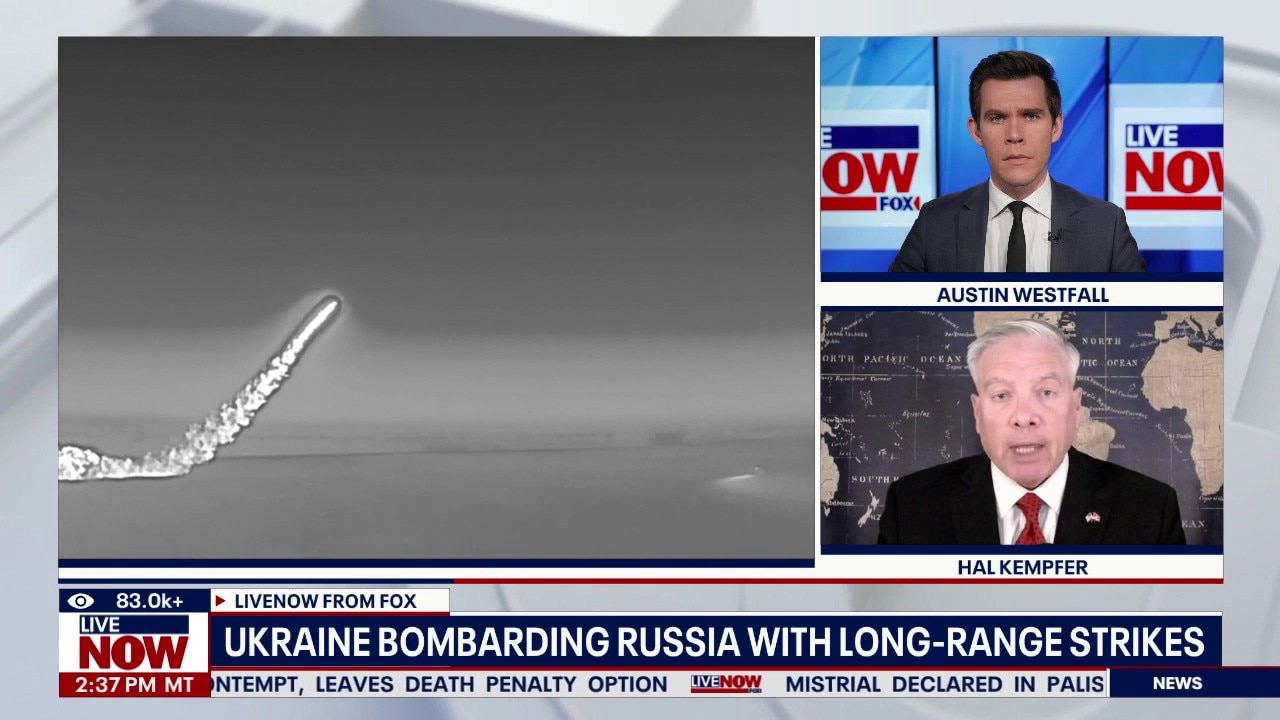
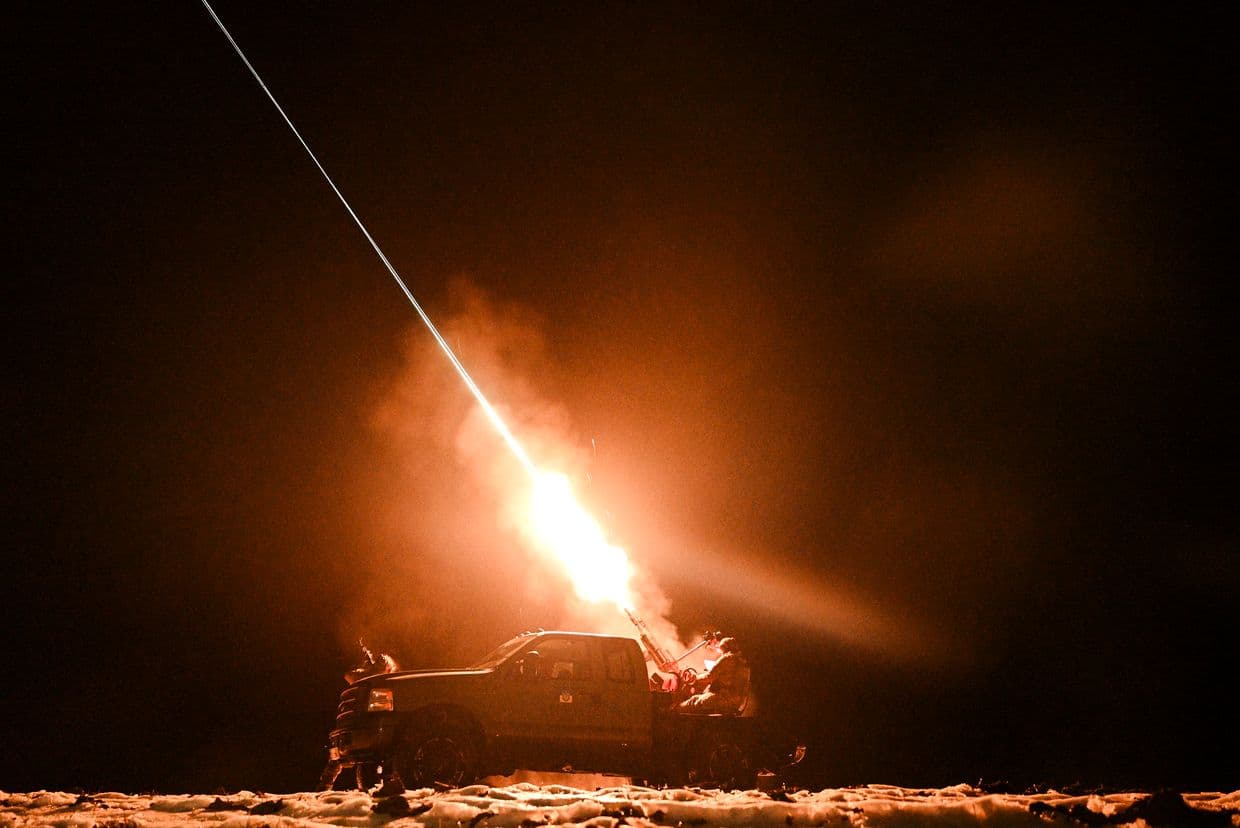
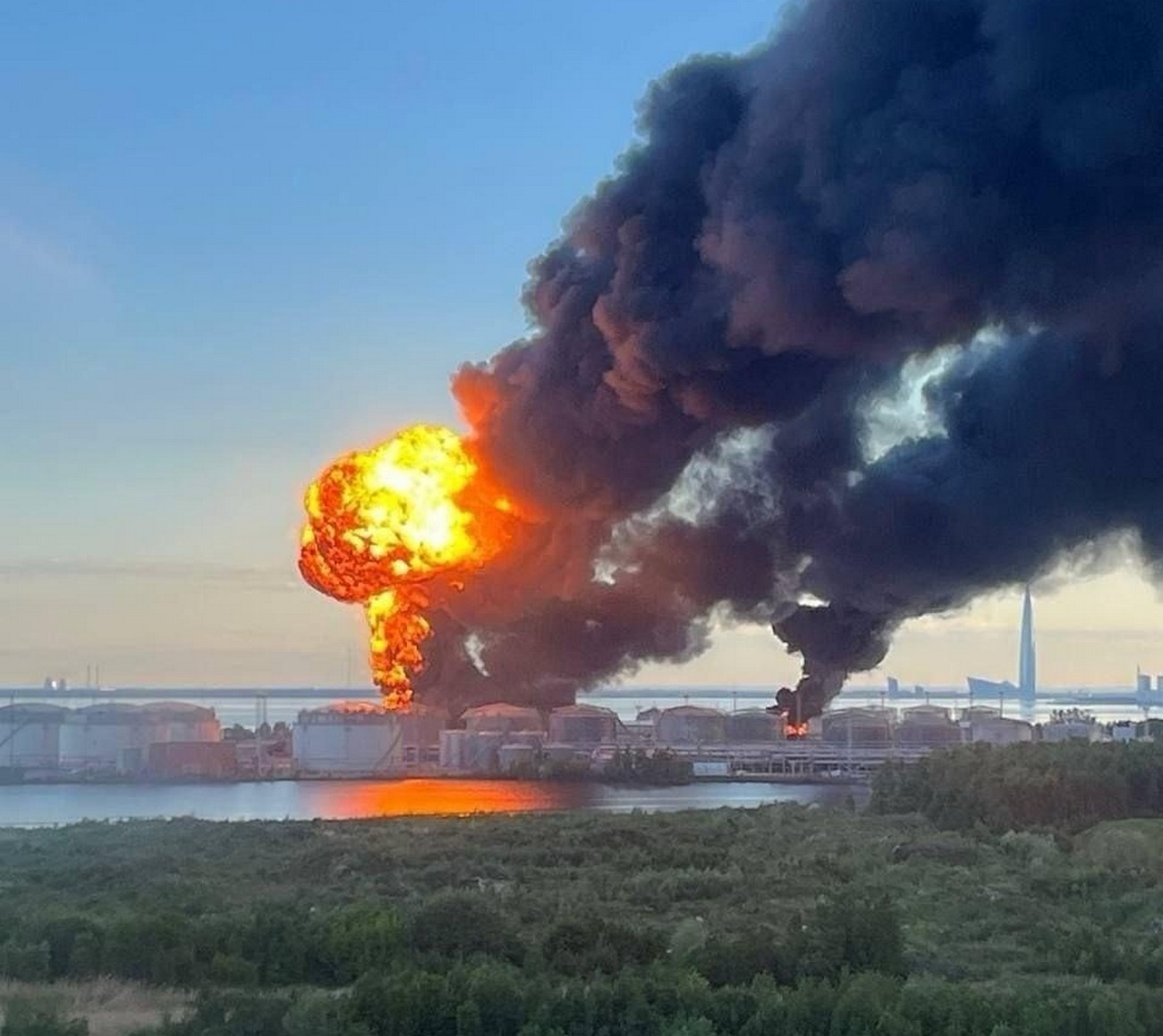
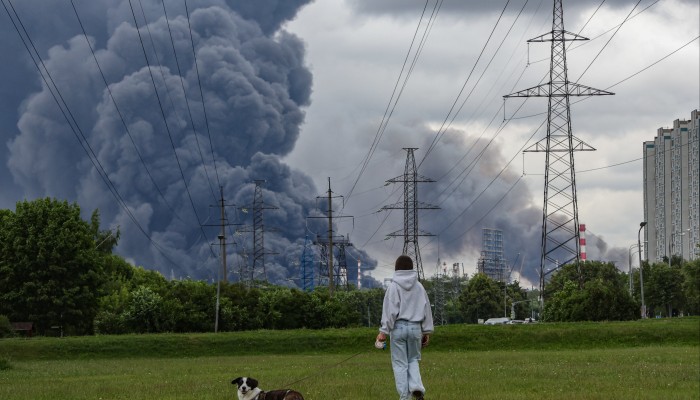
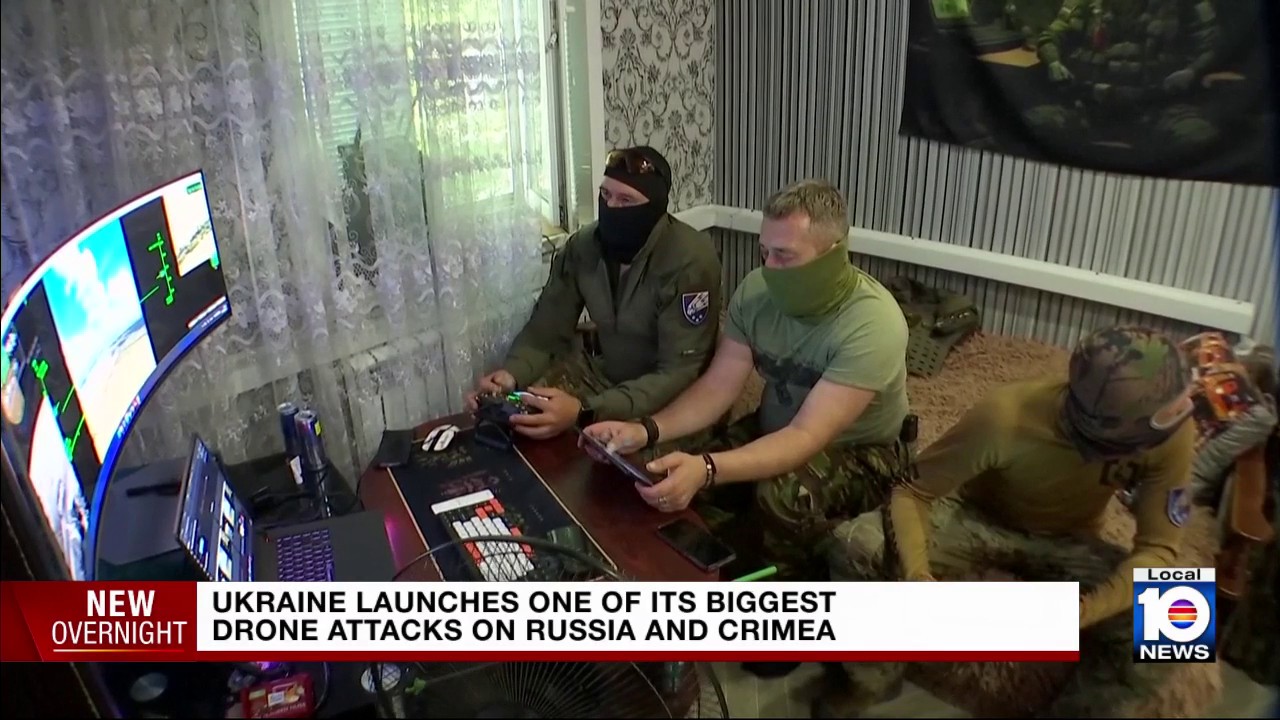
The escalation of Russia-Ukraine military conflict, marked by intensified long-range drone and artillery strikes, presents indirect but significant implications for cross-border e-commerce sellers operating in or shipping through affected regions. While the news focuses on military operations and geopolitical consequences, the underlying supply chain disruptions—fuel shortages, infrastructure damage, and market volatility—create operational challenges for sellers relying on Eastern European logistics networks, energy-dependent fulfillment centers, or customer bases in conflict-adjacent markets.
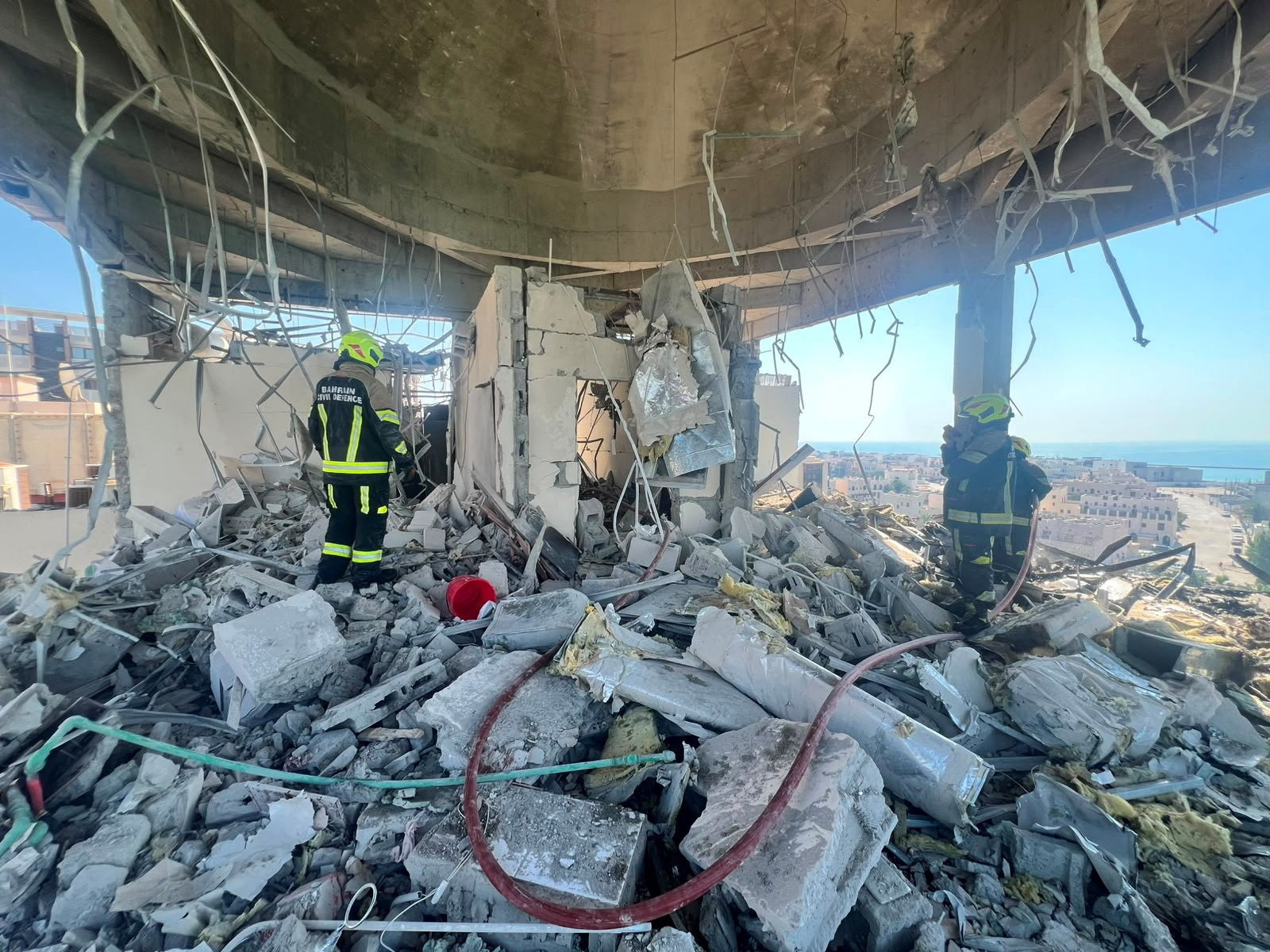
Supply Chain & Logistics Impact: Sellers utilizing 3PL providers or fulfillment centers in Poland, Romania, or other Eastern European hubs face potential disruptions from energy shortages cascading from Russian fuel supply constraints. The conflict's expansion of strike zones increases transportation costs and delivery delays to/from affected regions. Sellers shipping electronics, machinery, or heavy goods—categories with high logistics costs—experience 8-15% margin compression from elevated fuel surcharges and insurance premiums. Cross-border sellers targeting Russian and Ukrainian markets face de facto market closure due to payment system restrictions, customs complications, and consumer purchasing power collapse.
Market Volatility & Currency Risk: Stock market impacts mentioned in reporting correlate with currency instability in Eastern European markets. Sellers with pricing strategies tied to EUR/PLN/RON exchange rates face unpredictable margin erosion. The conflict's expansion signals prolonged uncertainty, making inventory planning for Eastern European distribution increasingly risky. Sellers previously leveraging lower labor costs in Ukraine for customer service or light manufacturing face operational discontinuity.
Competitive Repositioning Opportunity: The conflict creates asymmetric advantages for sellers in Western European and North American markets with diversified logistics networks. Sellers can capitalize on supply constraints by repositioning inventory to less-affected regions and adjusting pricing strategies for markets experiencing supply shortages. However, this requires immediate action to secure alternative fulfillment capacity before logistics costs spike further.
Risk Mitigation Priority: Sellers with exposure to Eastern European markets or logistics networks should immediately audit supply chain dependencies, stress-test inventory forecasts for 30-90 day disruption scenarios, and evaluate alternative fulfillment partners in Western Europe or North America. The conflict's trajectory remains unpredictable, but prolonged escalation will force permanent supply chain restructuring for affected sellers.
Questions 8
How long should I expect these supply chain disruptions to persist?
Geopolitical conflicts typically create 12-24 month supply chain disruptions, with the most severe impacts in months 3-12. The Russia-Ukraine conflict has already persisted 2+ years, suggesting structural changes are becoming permanent. Plan for a 12-month minimum disruption horizon when making fulfillment and inventory decisions. This means: lock in long-term contracts with Western European 3PL providers now (before capacity tightens further), build 60-90 day safety stock for critical SKUs, and diversify supplier relationships away from Eastern European sources. Monitor geopolitical developments monthly and adjust plans if the conflict escalates or de-escalates significantly.
What compliance and sanctions requirements apply to my business?
The U.S. Treasury OFAC maintains comprehensive sanctions lists affecting Russia and Belarus. If you sell to customers in sanctioned countries or use payment processors subject to U.S. jurisdiction, you face legal liability and account suspension. EU sellers must comply with EU sanctions regulations, which are similarly restrictive. Conduct a compliance audit: review your customer database for sanctioned entities, verify your payment processor's sanctions screening, and document compliance procedures. Update your terms of service to explicitly prohibit sales to sanctioned jurisdictions. Non-compliance risks account closure, financial penalties, and legal action—the cost of a single violation typically exceeds $10,000.