
)

Asia-Pacific Geopolitical Tensions Reshape Supply Chain Risk | Seller Logistics Alert
- Escalating China-Russia military coordination threatens maritime shipping routes; sellers relying on East China Sea/Sea of Japan corridors face 8-15% insurance cost increases and potential 2-4 week delivery delays

















Overview
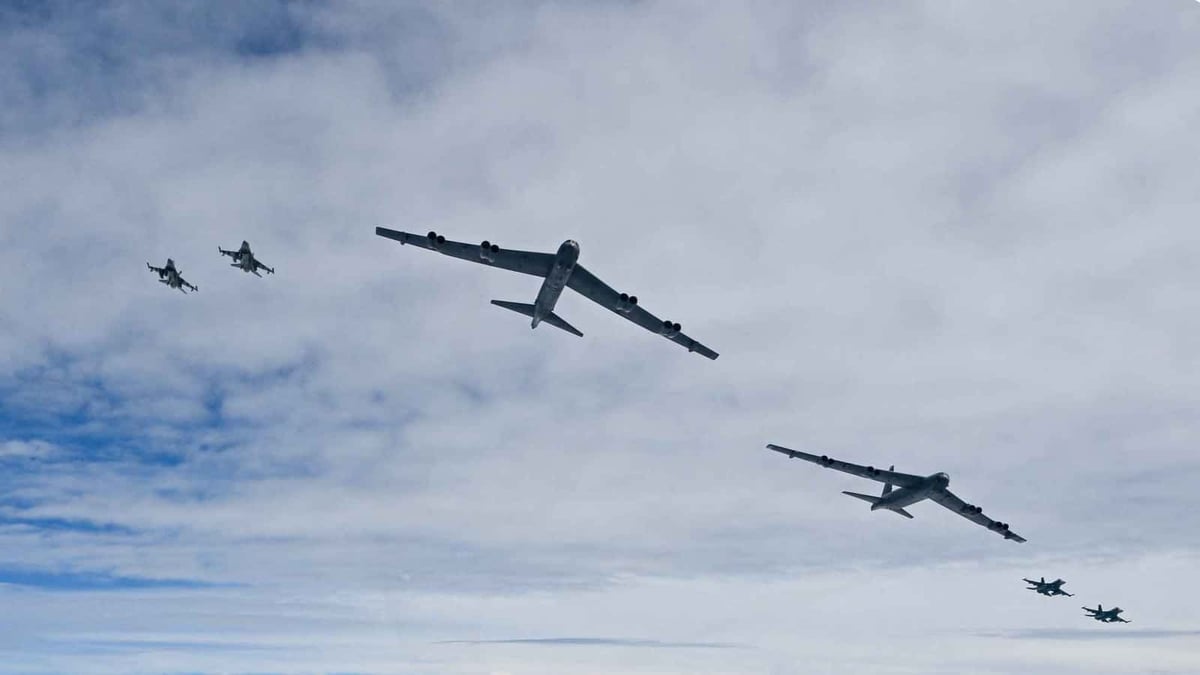
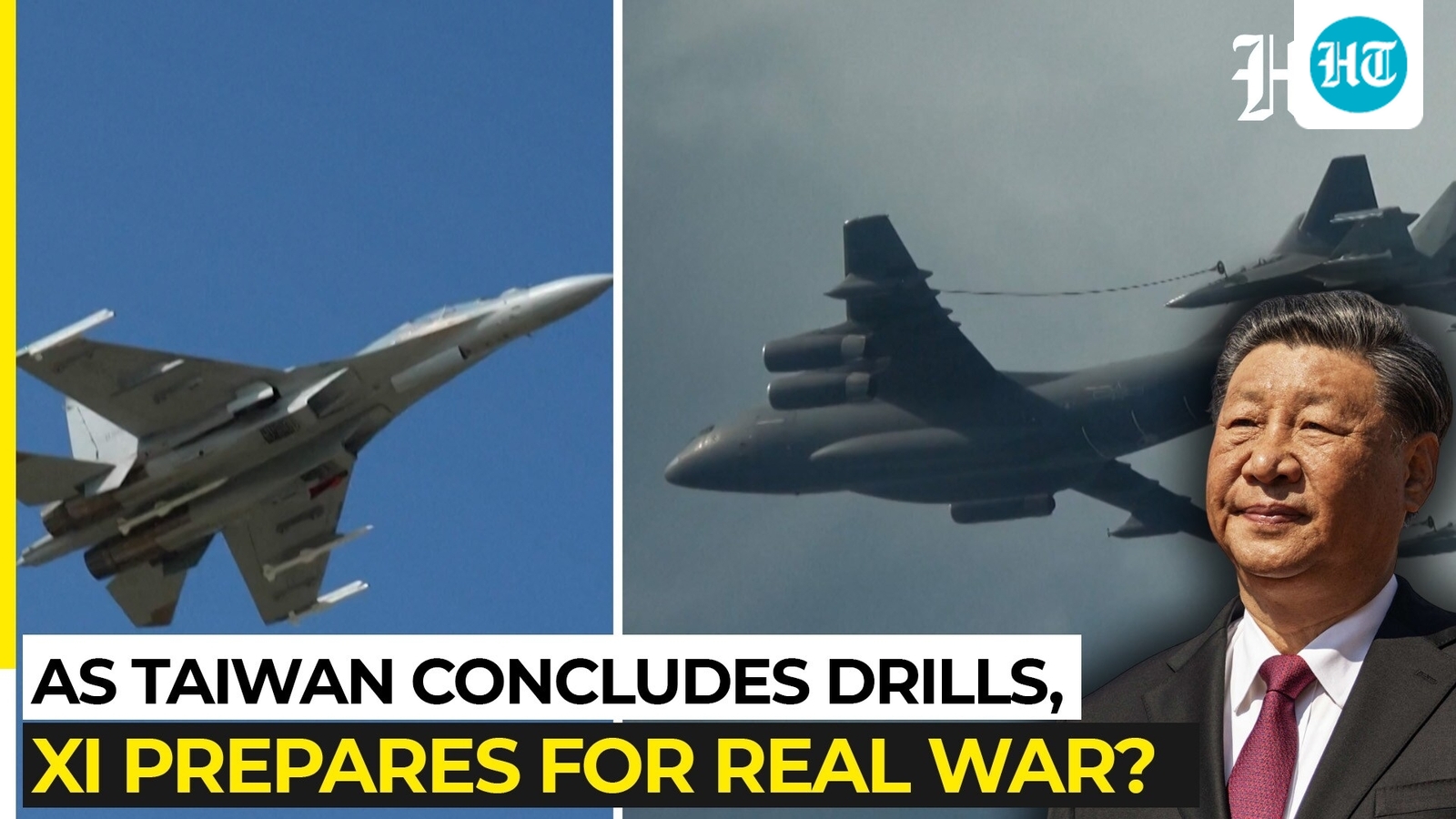
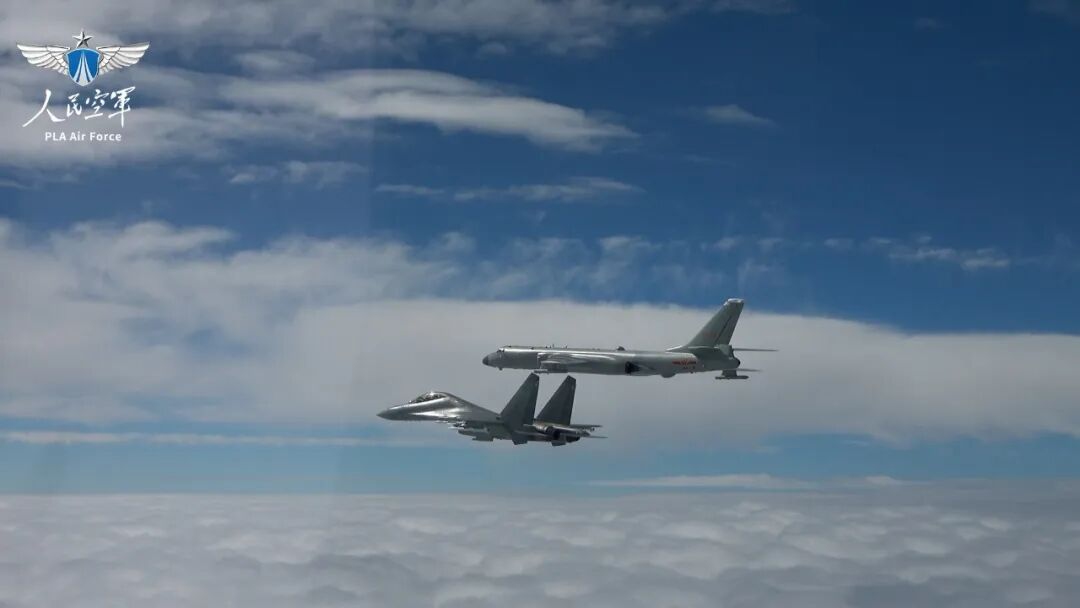
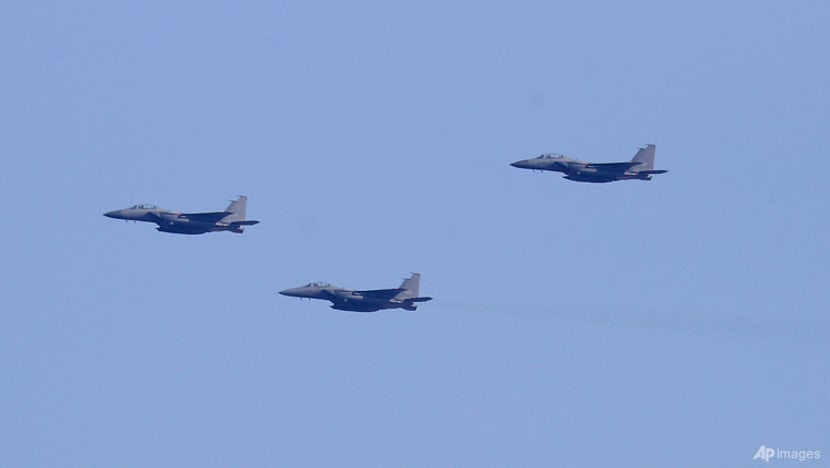
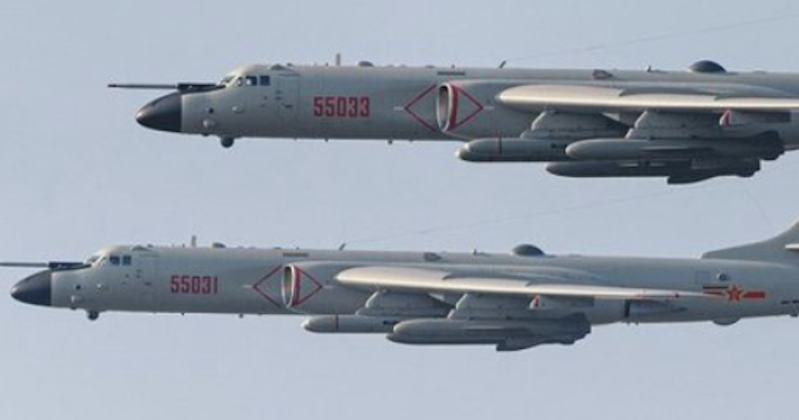
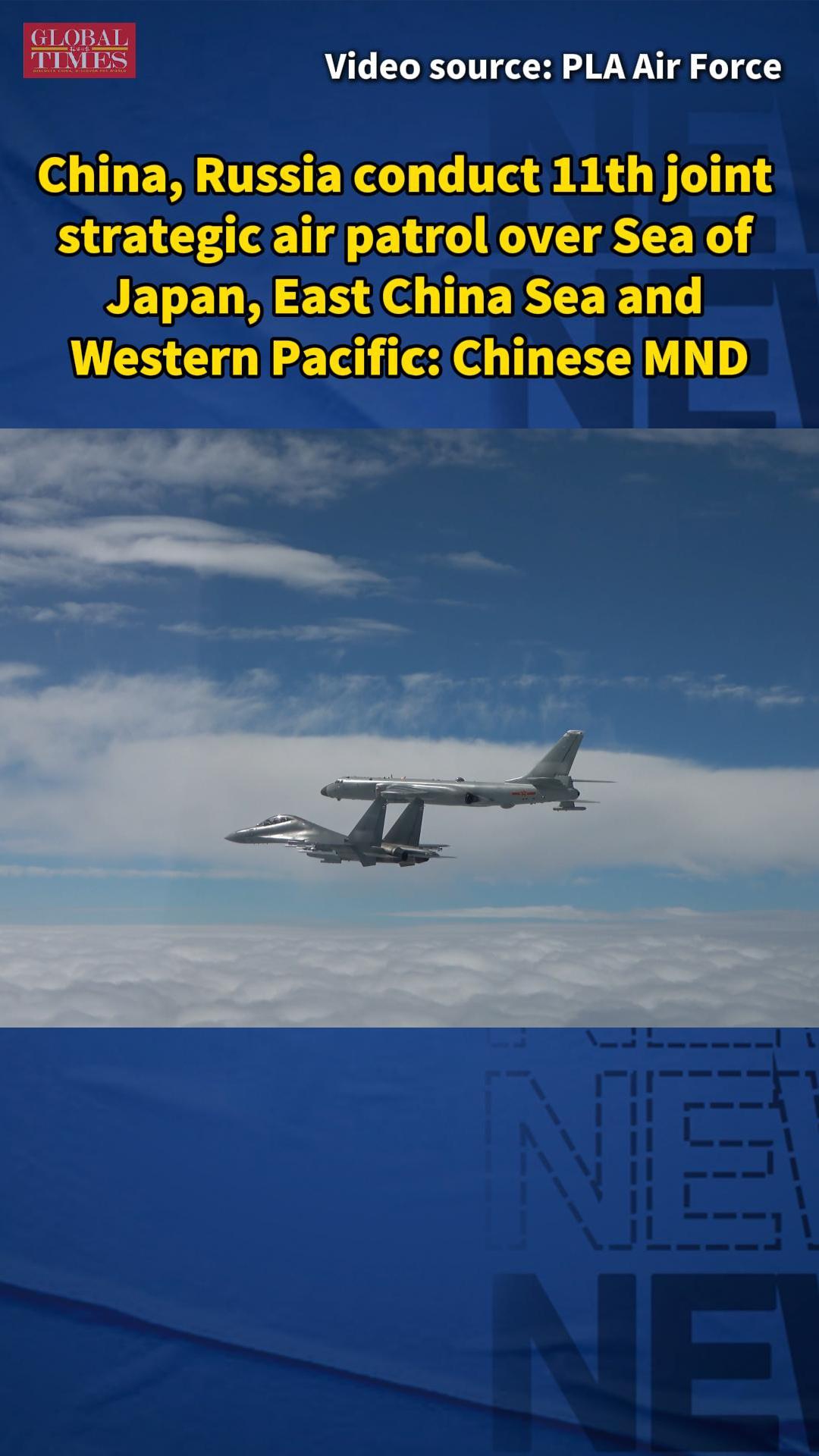
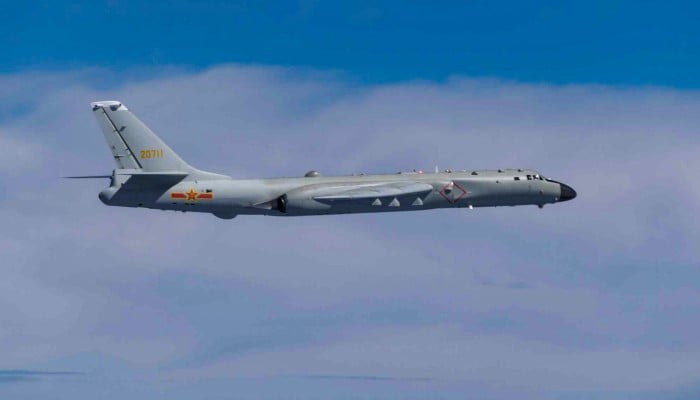
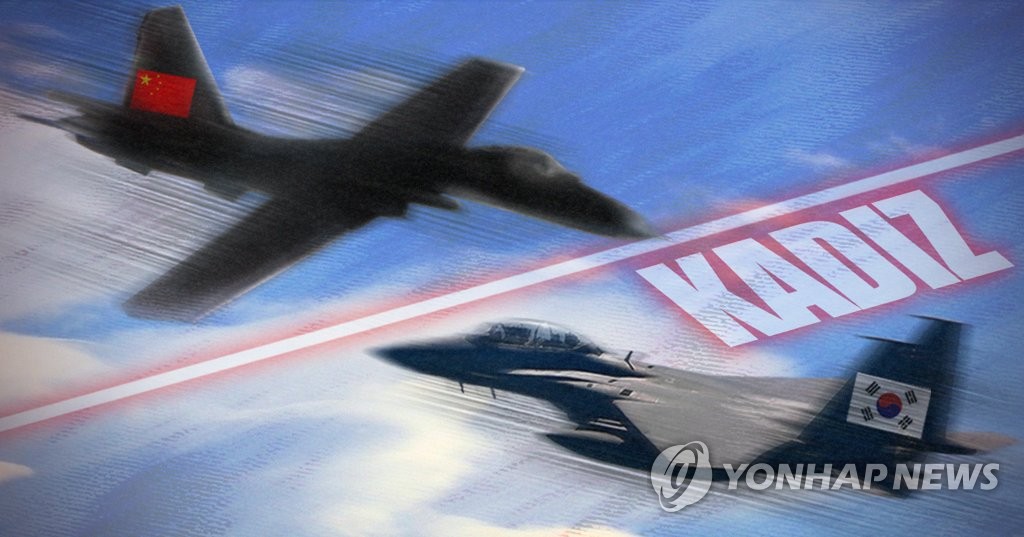
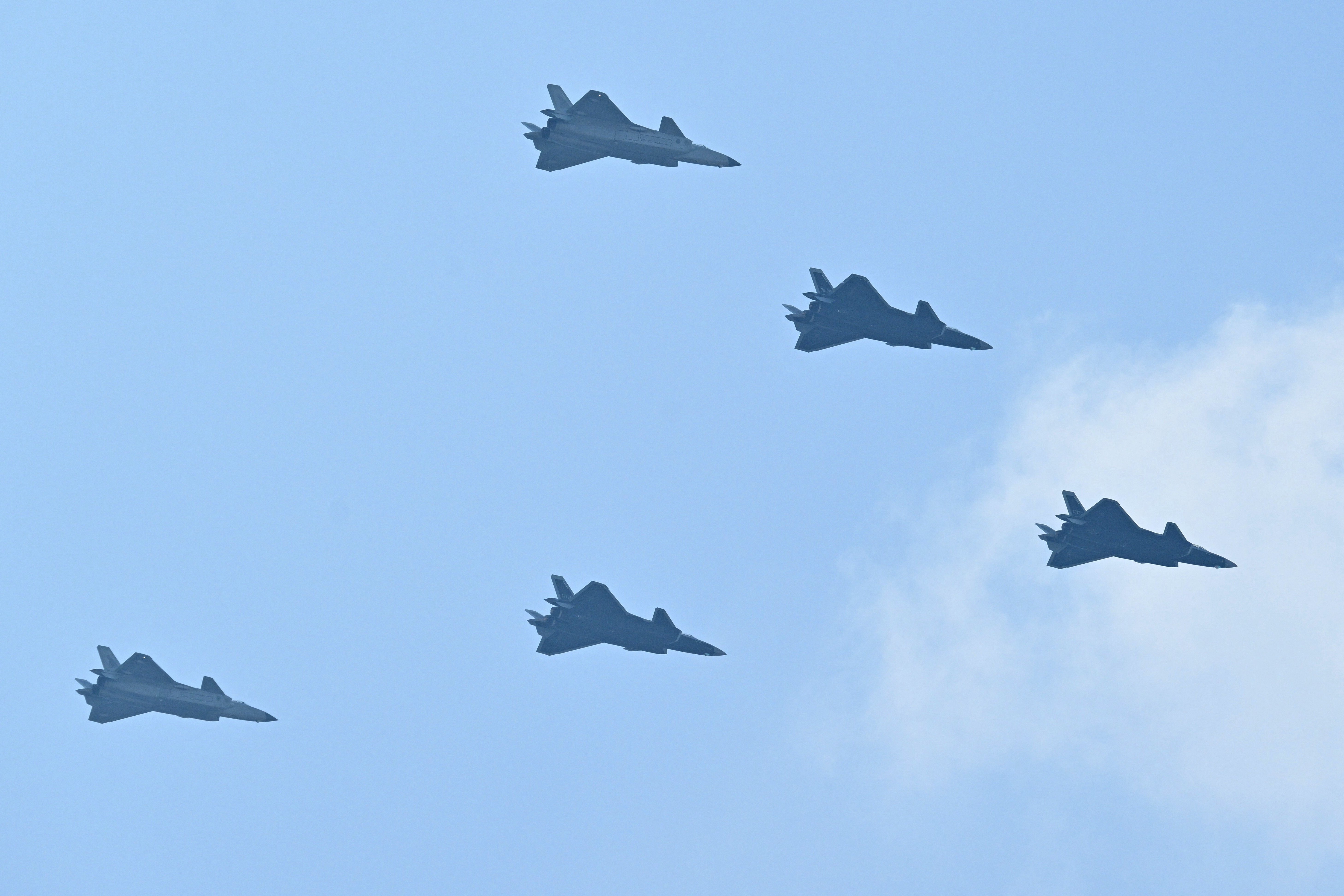
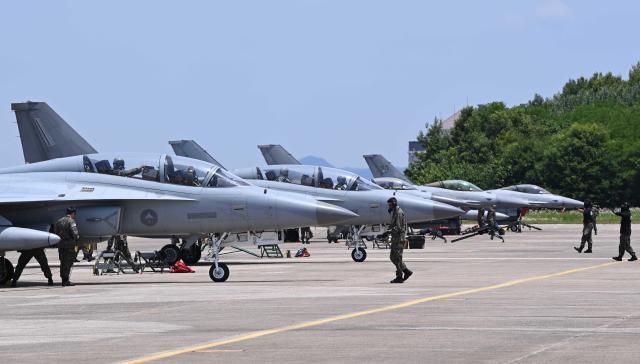
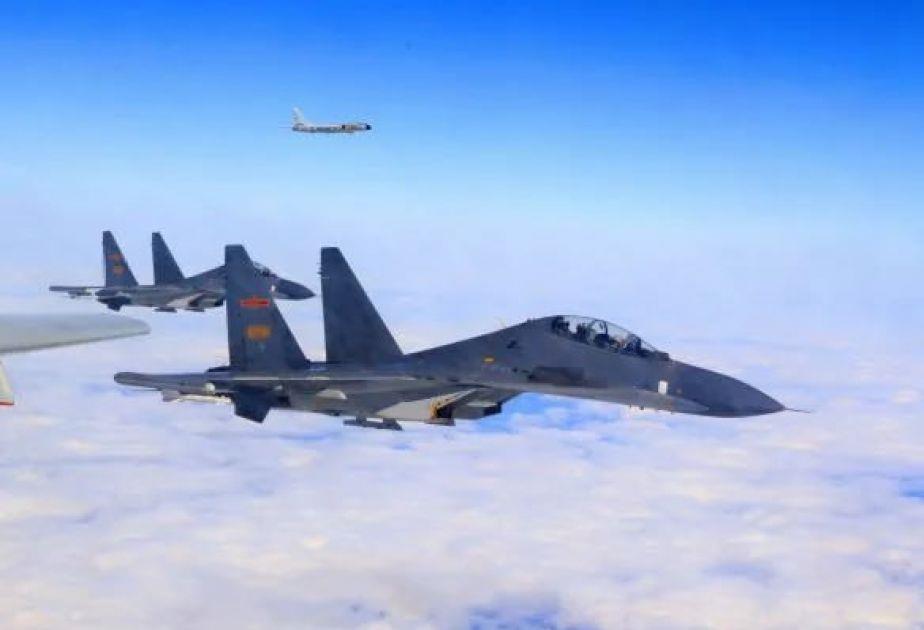
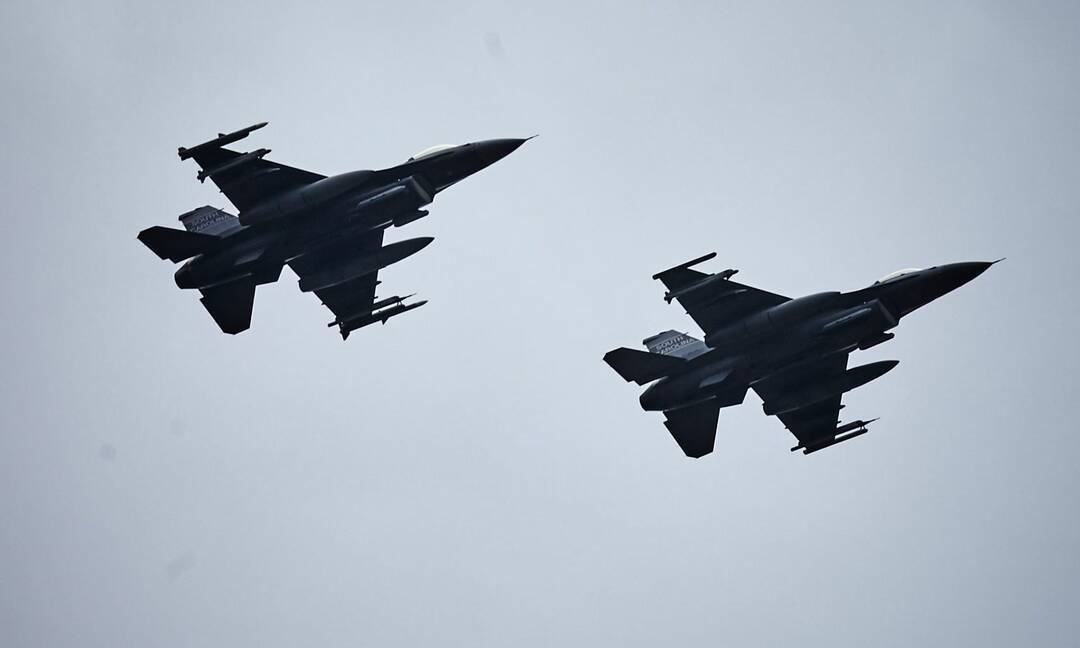
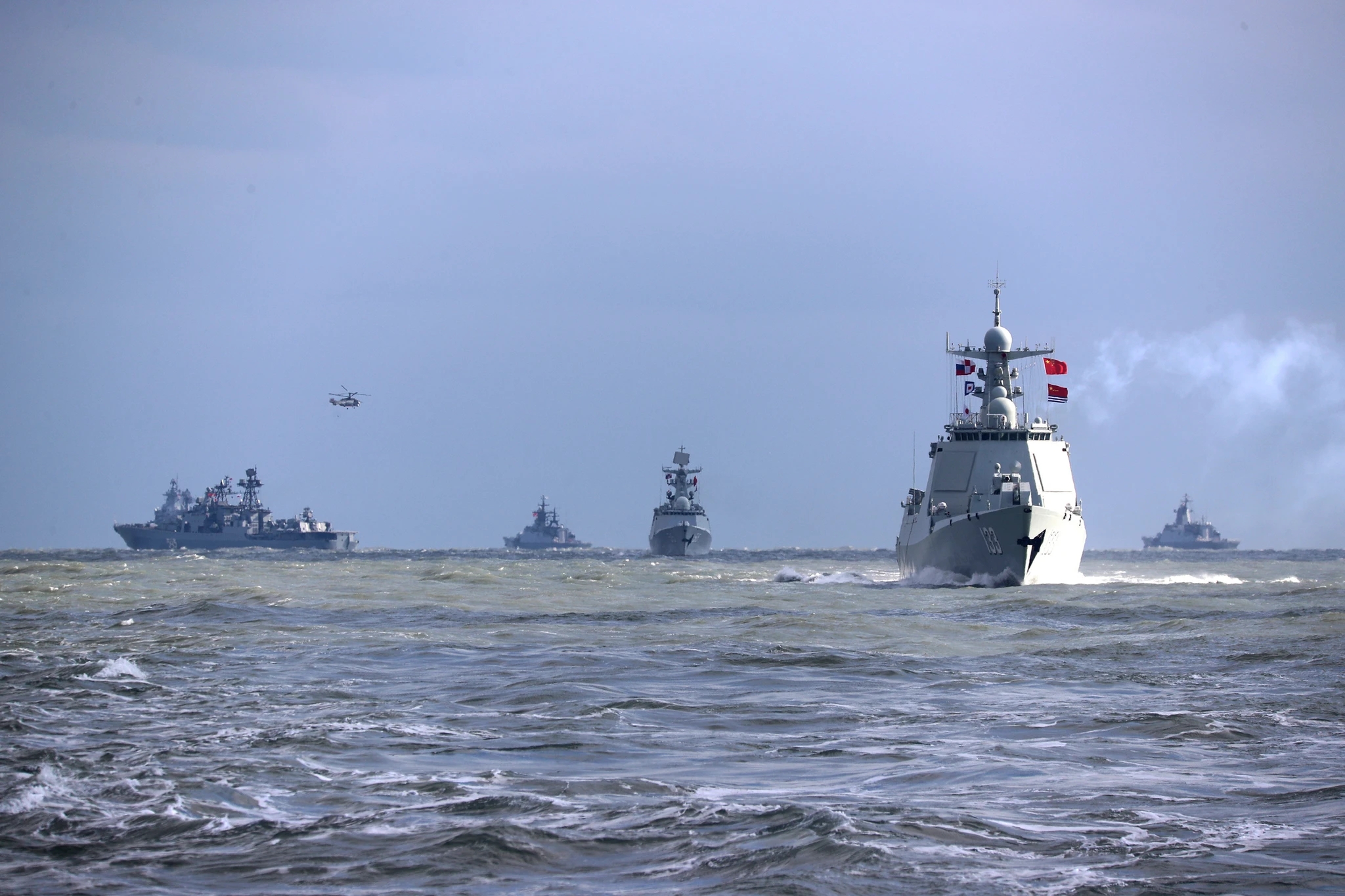
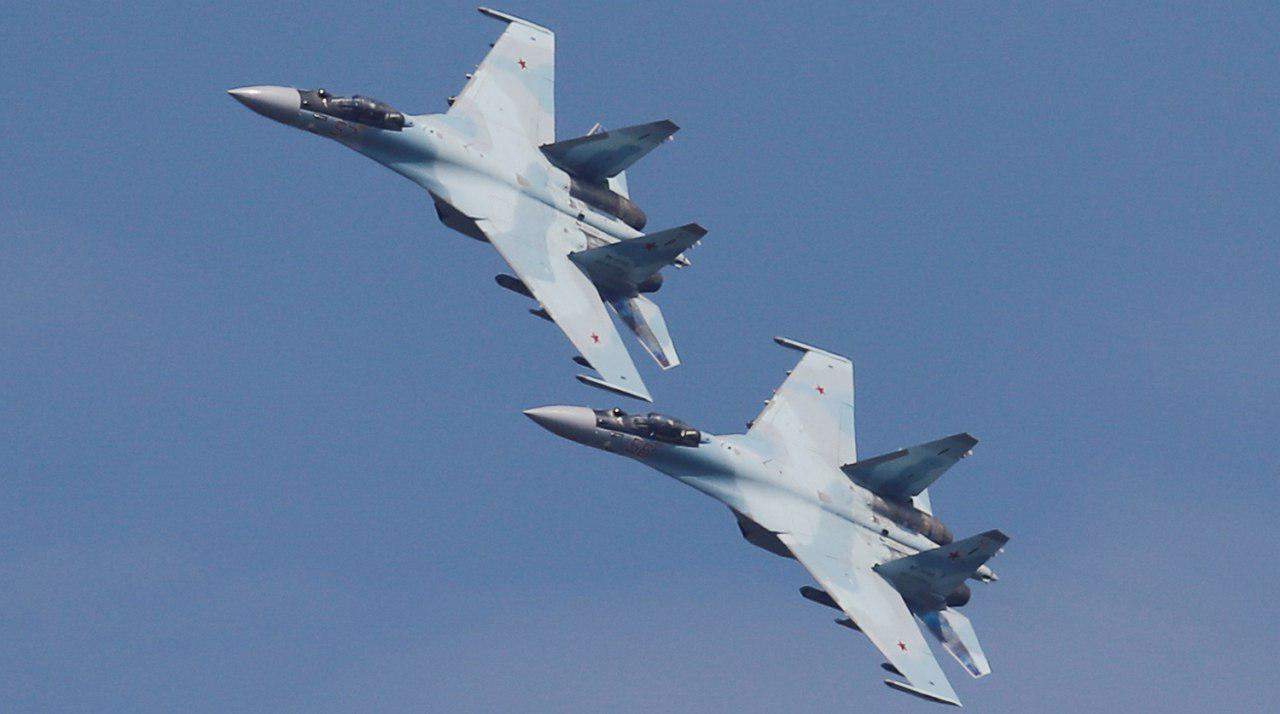
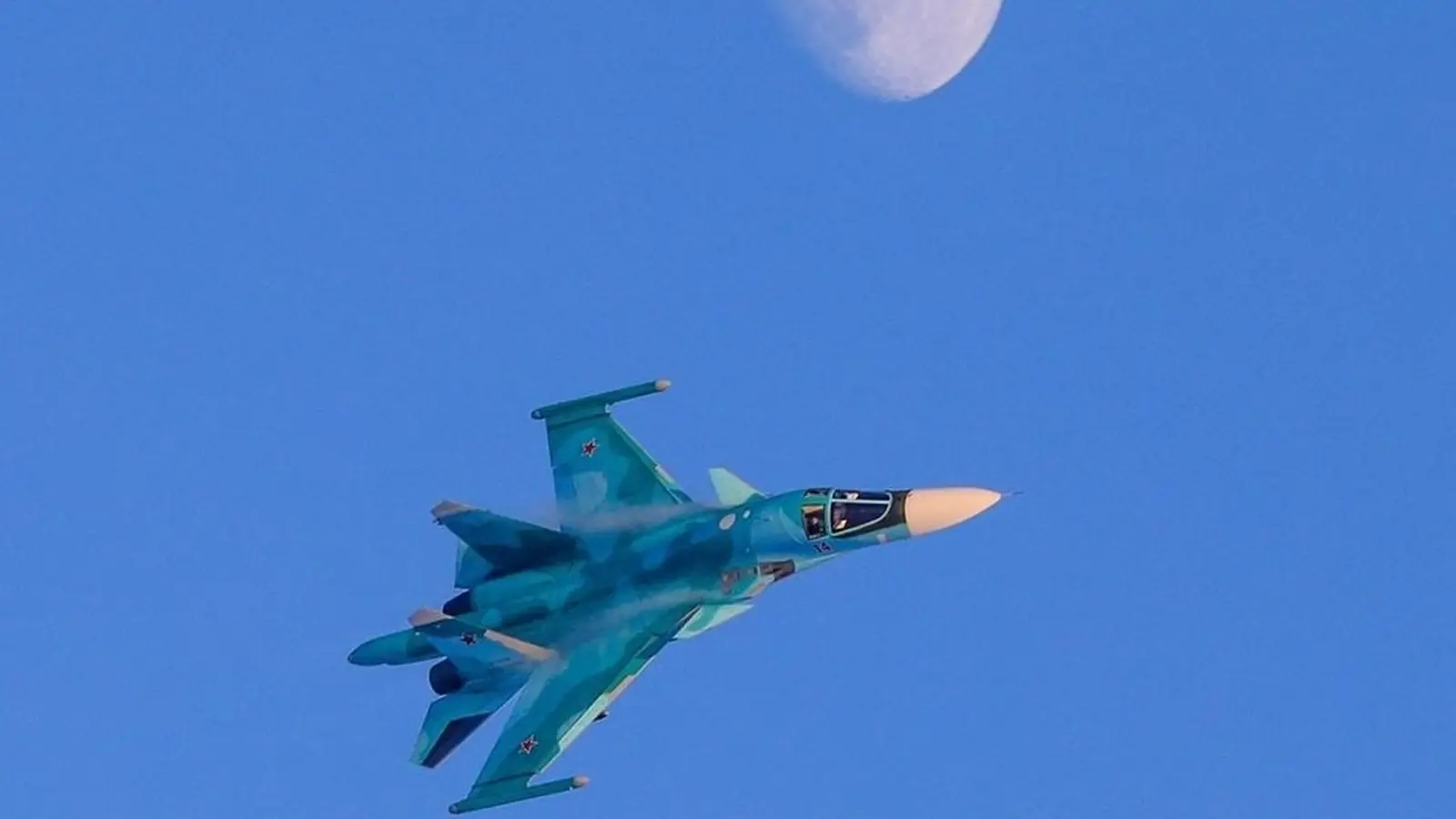
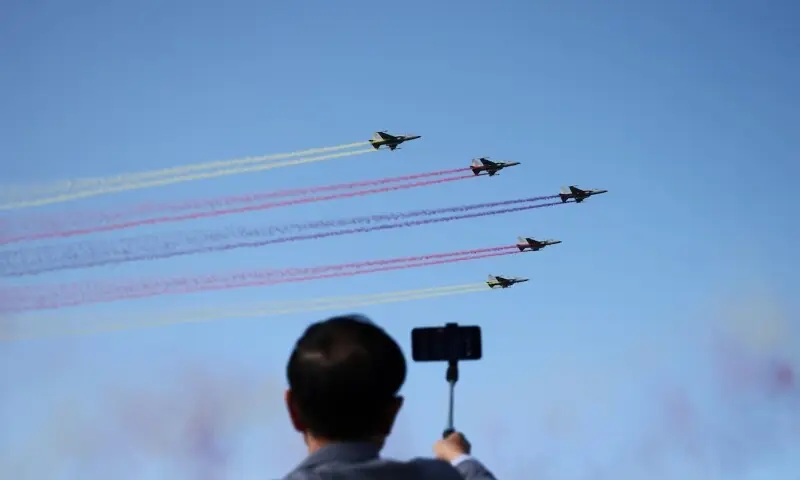
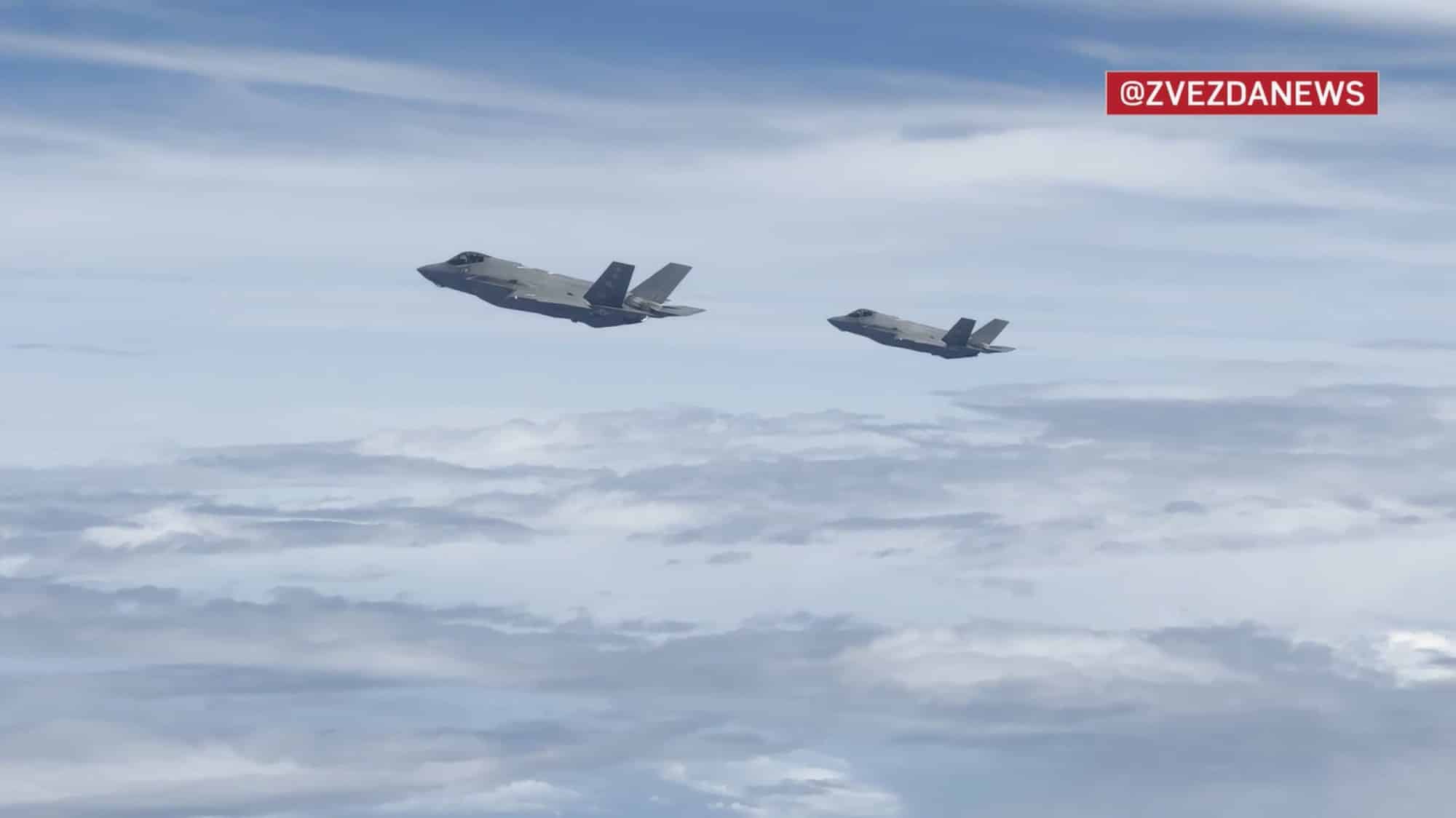
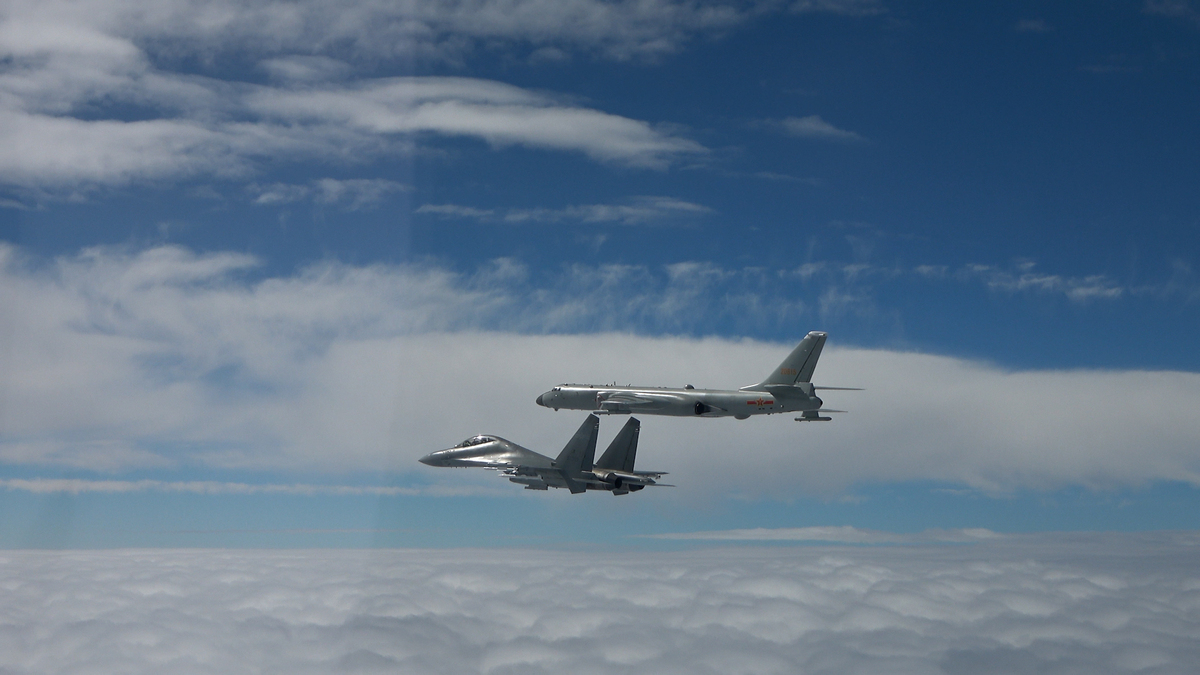
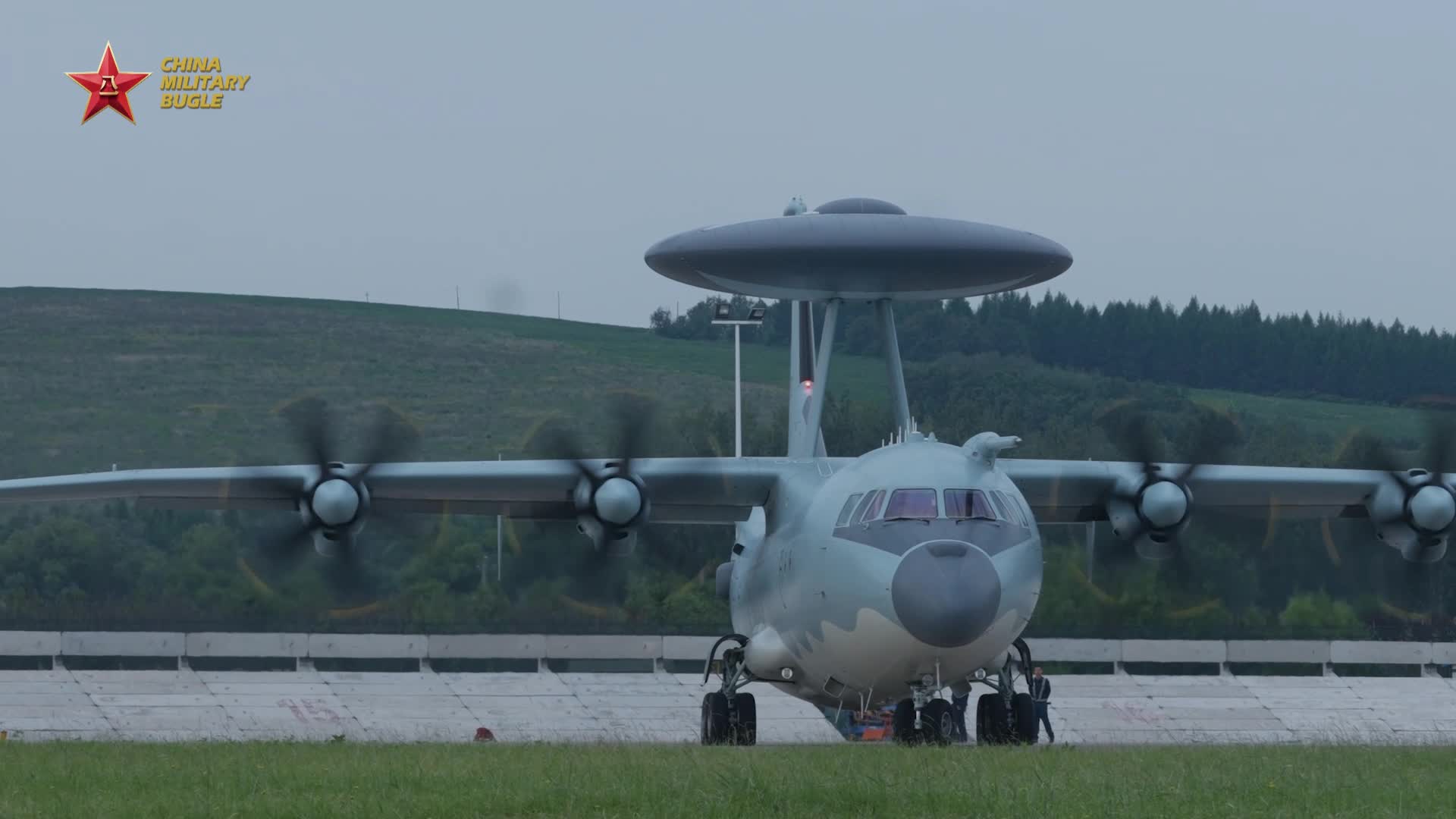
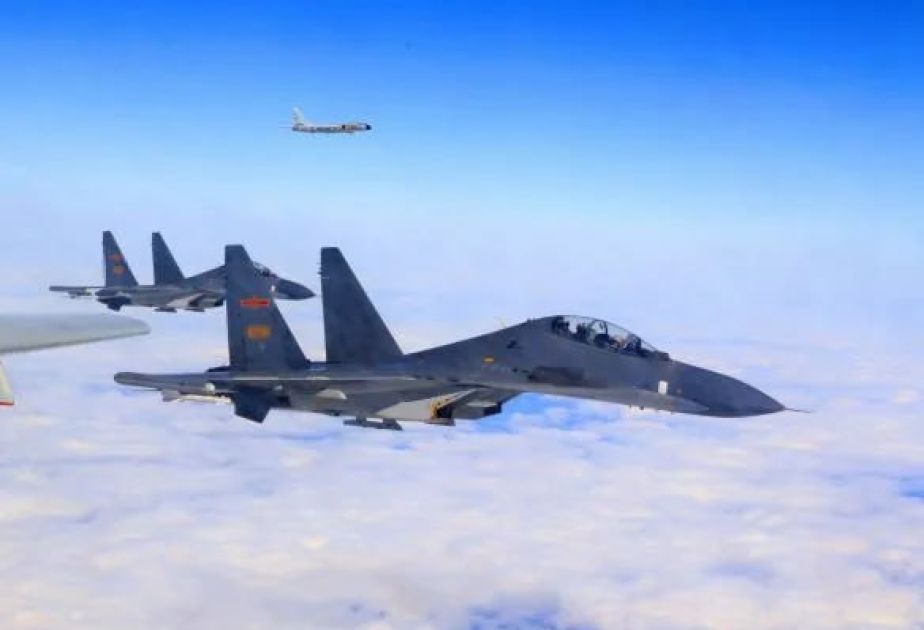
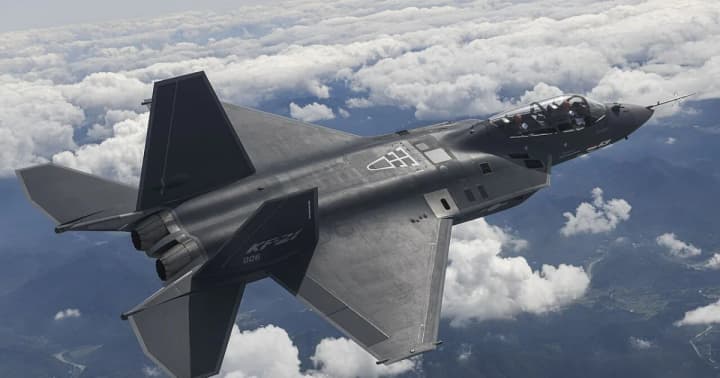
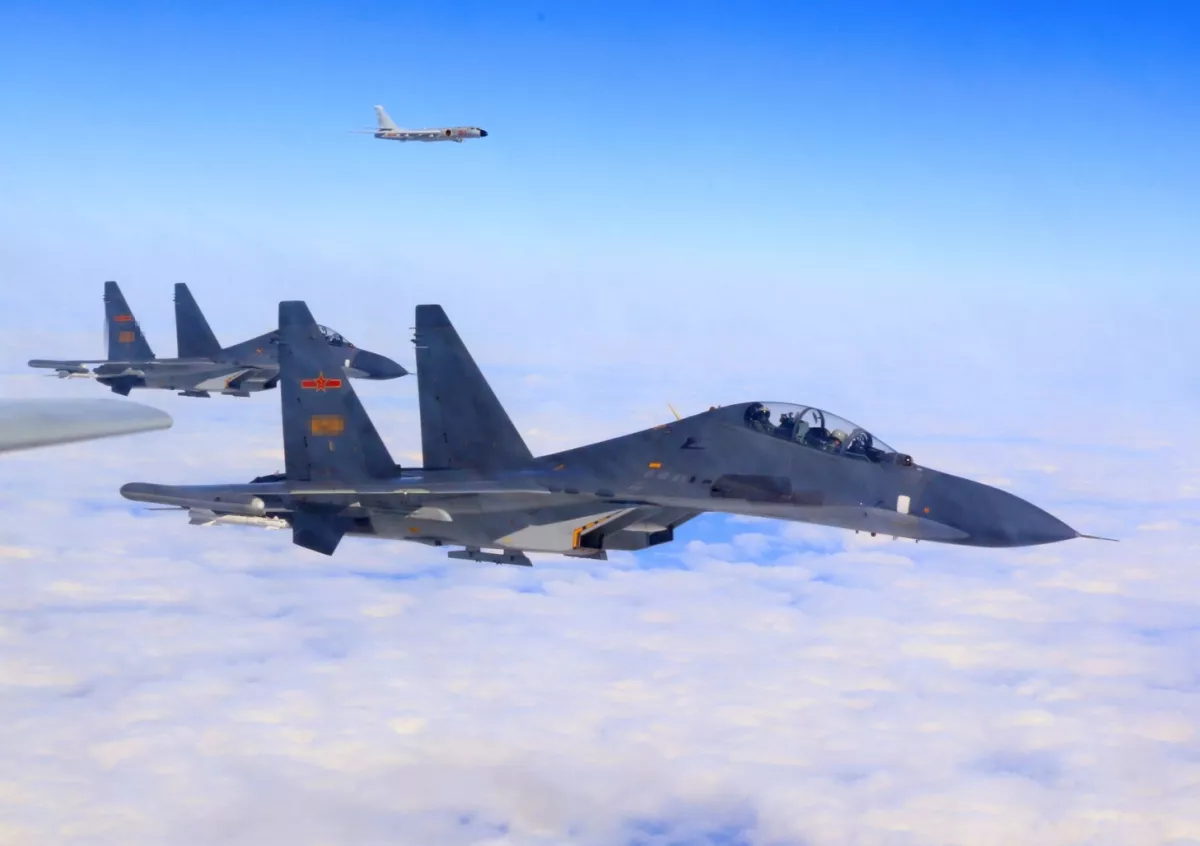
The 11th joint China-Russia strategic air patrol conducted on June 27-28, 2026, across the Sea of Japan, East China Sea, and western Pacific represents a significant escalation in regional military coordination that directly impacts cross-border e-commerce logistics infrastructure. The operation involved 11 military aircraft (4 Chinese H-6 bombers, 2 Russian Tu-95 bombers, 2 Russian Tu-142 patrol aircraft, 2 Chinese J-16 fighters, 1 Russian Su-30 fighter) transiting the strategically critical Miyako Strait near Okinawa—a vital maritime corridor for Asia-Pacific trade. Japan and South Korea scrambled fighter jets in response, with South Korea reporting 10+ aircraft entering its air defense identification zone, signaling heightened regional tension that directly affects shipping insurance premiums, route planning, and delivery timelines for sellers dependent on sea freight through these waters.
For cross-border e-commerce sellers, this geopolitical escalation creates immediate operational risks across three dimensions. First, maritime insurance costs for shipments transiting the East China Sea and Sea of Japan are projected to increase 8-15% as insurers price in elevated geopolitical risk. Sellers shipping electronics, apparel, home goods, and consumer products from China to Japan, South Korea, and broader Asia-Pacific markets will absorb these cost increases directly. Second, shipping route disruptions are now a material risk—while the June patrols did not result in airspace violations, the escalating pattern (11 operations since 2019, with acceleration in 2025-2026) suggests potential for maritime traffic delays, rerouting around contested zones, and 2-4 week delivery timeline extensions. Third, regulatory uncertainty is rising: Japan's recent military strengthening (including its first overseas missile launch in 80 years) and trilateral security cooperation between Japan, South Korea, and U.S. allies may trigger new export controls, customs inspections, or trade restrictions on dual-use goods and sensitive categories.
Specific seller segments face differentiated impacts. Sellers with fulfillment centers or inventory in China, Japan, or South Korea face immediate supply chain exposure. Electronics sellers (HS codes 8471-8544) shipping from China to Japan/Korea markets should expect 10-20% margin compression from insurance and logistics cost increases. Apparel and consumer goods sellers (HS 6204-6309) relying on just-in-time inventory from China face stockout risks if delivery windows extend beyond 4 weeks. Sellers using 3PL providers in Asia-Pacific should audit their insurance coverage and rerouting protocols immediately. The Miyako Strait transit represents approximately 15-20% of China-Japan-Korea maritime trade volume; any sustained disruption would force sellers to use longer southern routes (adding 5-7 days transit time) or air freight (increasing costs 300-500%). Small and medium sellers with thin margins (5-10% net) are most vulnerable to these cost shocks, while larger sellers with diversified sourcing and fulfillment networks can absorb increases more easily.
Questions 7
What immediate actions should I take in the next 30 days to protect my business?
Execute these four steps by July 31, 2026: (1) **Audit shipping routes**: Contact your 3PL provider and confirm which shipments transit the Miyako Strait; request alternative routing options and cost comparisons for southern routes. (2) **Review insurance coverage**: Verify your maritime insurance policy covers geopolitical risk and confirm premium increases; lock in rates for 6-12 months if possible. (3) **Stress-test inventory**: Model impact of 2-4 week delivery delays on your top 20 SKUs; identify which products require safety stock increases. (4) **Diversify sourcing**: For products with >30% sourcing concentration from China destined to Japan/Korea, request quotes from Vietnam, Thailand, or India suppliers; evaluate 90-day transition timeline. Sellers with <$500K annual revenue can monitor developments without immediate action; sellers with >$1M revenue should complete all four steps within 30 days.
How does this military escalation compare to previous geopolitical supply chain disruptions?
The June 2026 patrols mirror the pattern of the December 2024 operation and represent sustained escalation rather than isolated incidents. Unlike the 2022 Russia-Ukraine war (which disrupted Black Sea shipping and triggered 20-30% freight cost spikes) or the 2020 Suez Canal blockage (which added 10-15 days to Asia-Europe routes), the China-Russia patrols currently affect insurance pricing and route planning rather than causing hard blockades. However, the 11-operation pattern since 2019 suggests this is becoming a structural feature of Asia-Pacific trade, not a temporary shock. Sellers should budget for 8-15% permanent insurance cost increases and 2-4 week delivery timeline extensions as the new baseline, rather than treating this as a temporary disruption. This is more comparable to the 2019-2020 U.S.-China trade war, which compressed margins 5-10% for affected categories over 18+ months.