


EU Oil Embargo Accelerates | Shipping Costs Rise 8-15% for Cross-Border Sellers
- Baltic states push for year-end Russian oil ban; EU logistics costs spike amid energy transition; sellers face 3-6 month supply chain recalibration window







Overview
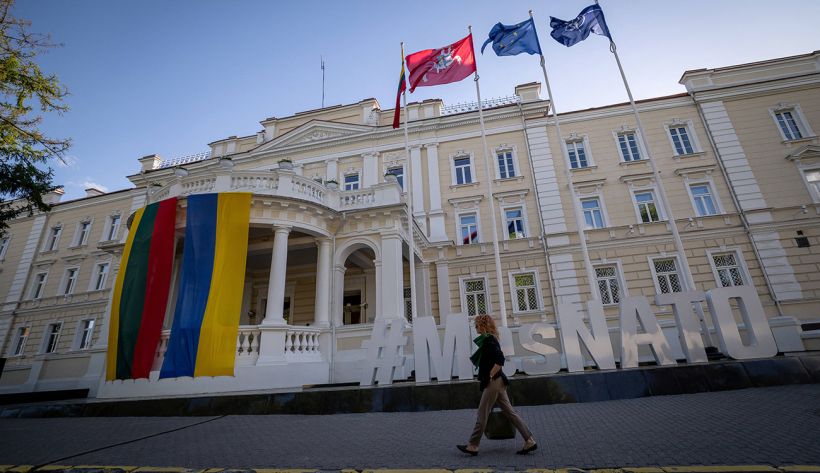
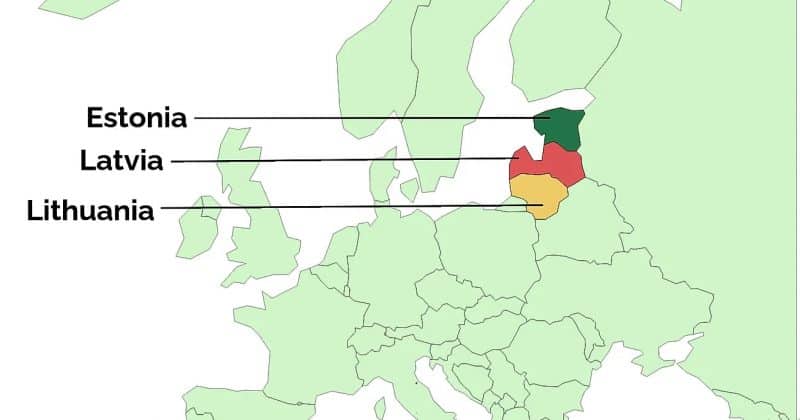
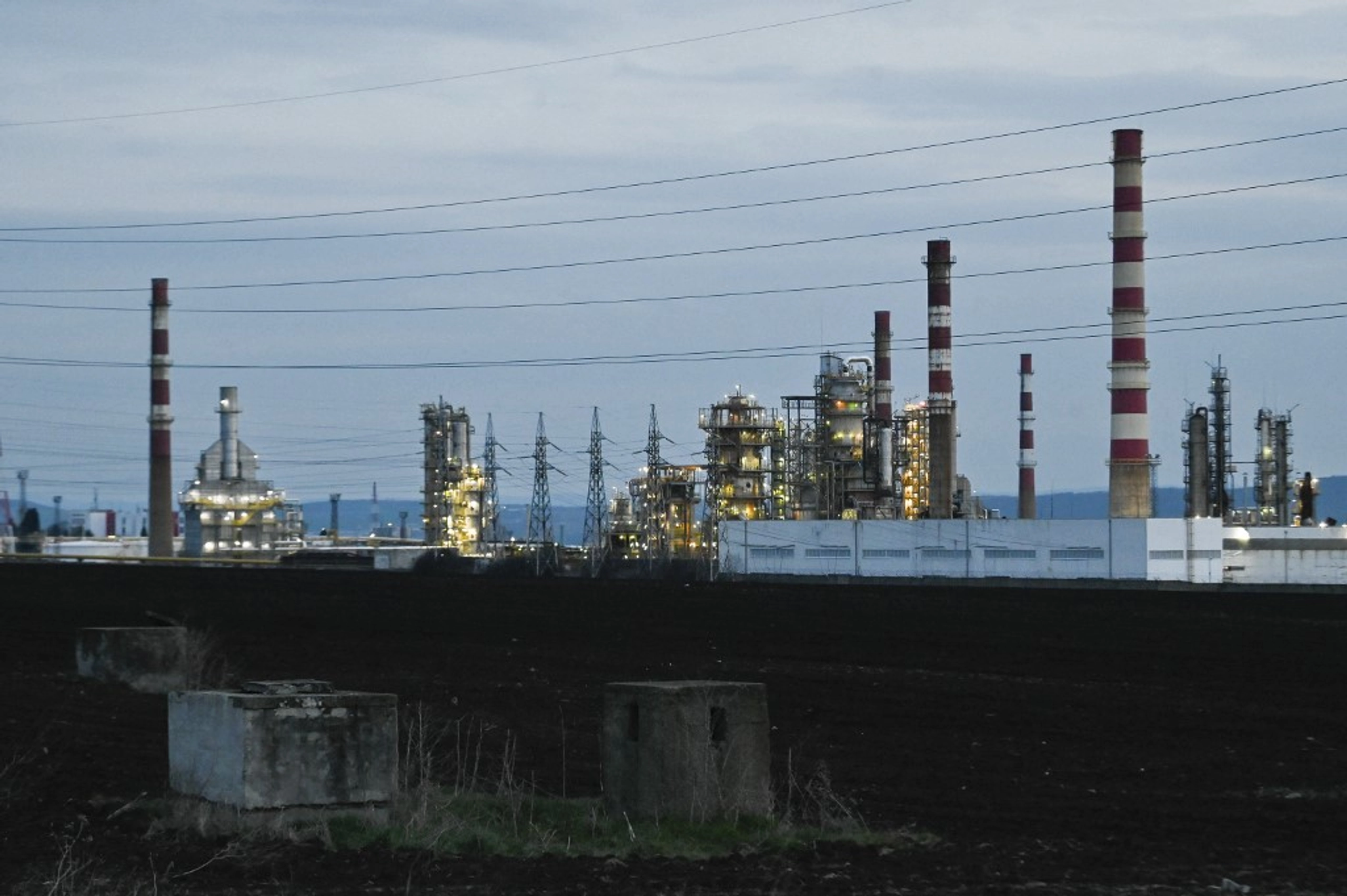
The EU is moving toward a comprehensive Russian oil import ban by end-2026, with Baltic states (Estonia, Latvia, Lithuania) and Poland formally pressuring the European Commission to accelerate implementation. This represents a critical policy shift for cross-border e-commerce sellers, particularly those operating 3PL networks, FBA fulfillment centers, and international logistics corridors across Europe.
Current Status & Timeline: Russian oil's share in EU imports has collapsed from 27% (early 2022) to just 2% (2025), representing 9.7 million tons annually. The European Commission originally scheduled a comprehensive ban proposal for April 15, 2026, but removed it from the agenda in March due to Iran-US tensions and Strait of Hormuz blockade concerns. However, the June 28, 2026 EU energy ministers meeting signals renewed momentum, with Polish Deputy Energy Minister Wojciech Wrohna confirming support for implementation "before the end of the year." This creates a 6-month implementation window (July-December 2026) for sellers to adjust supply chains.
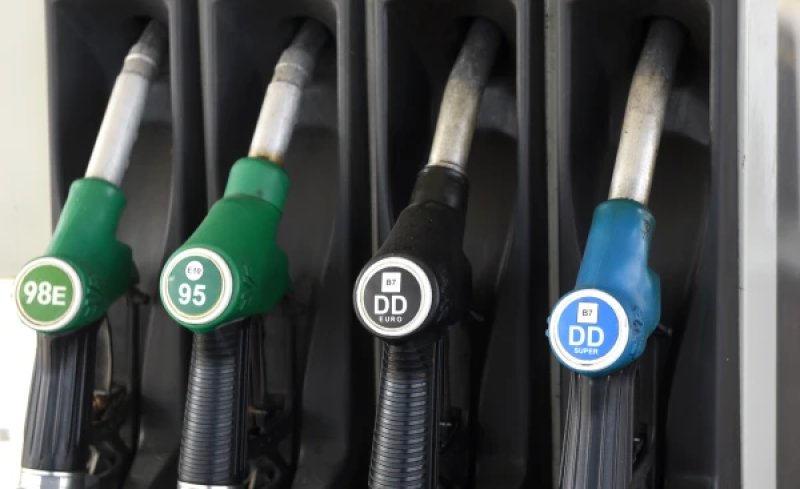
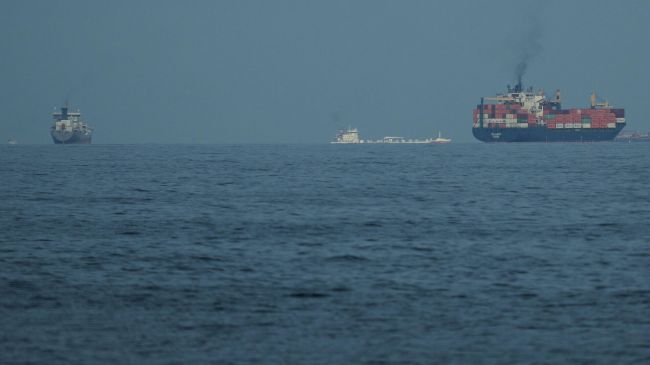
Direct E-Commerce Impact: The accelerated oil ban triggers cascading logistics cost increases. Jet fuel prices—critical for air freight used by Amazon FBA sellers and express cross-border shippers—are expected to rise 8-15% as EU refineries shift away from Russian crude and source alternative supplies from Middle East, North Africa, and North Sea producers. EU Energy Commissioner Dan Jørgensen noted oil markets have "demonstrated depth and resilience," but infrastructure damage in Qatar LNG facilities means full production recovery requires "several years," creating sustained price pressure through 2027-2028.
Seller Segment Impact: (1) Large FBA sellers (1000+ units/month) shipping to EU warehouses face $400-800/month additional fulfillment costs due to increased electricity and fuel surcharges at logistics hubs. (2) Small/medium sellers using 3PL providers in Hungary and Slovakia—countries heavily dependent on Russian oil—face potential service disruptions and 15-25% rate increases as these nations resist the ban but cannot veto it. (3) Electronics/apparel sellers relying on air freight for time-sensitive inventory see margin compression of 3-5% on products with <20% gross margins. (4) Sellers in energy-intensive categories (refrigerated goods, chemicals, industrial products) face the steepest cost increases.
Strategic Sourcing Shift: The ban accelerates a broader EU energy transition toward nuclear (Italy's expansion), renewables, and LNG diversification. This creates tariff arbitrage opportunities for sellers: products manufactured in countries with cheaper renewable energy (Spain, Portugal, Denmark) gain 2-4% cost advantages over traditional manufacturing hubs. Sellers should evaluate sourcing shifts from Hungary/Slovakia (Russian oil-dependent) to Poland, Czech Republic, and Baltic states (EU-aligned energy policies).
Compliance & Risk Window: EU leaders extended sectoral sanctions against Russia for a full year (June 19 decision), signaling long-term commitment. Sellers must audit supply chains for indirect Russian energy exposure—particularly 3PL providers, customs brokers, and logistics partners operating in Hungary/Slovakia. Non-compliance with energy sanctions can trigger €10,000-50,000 fines per violation under EU sanctions regulations.
Questions 8
When should I lock in shipping rates before the oil ban takes effect?
The critical window is **July-September 2026**—immediately after the June 28 EU energy ministers meeting confirmed momentum toward year-end implementation. Fuel surcharges typically increase 30-60 days after crude oil price spikes, so rates will begin rising in August-September. Sellers should negotiate fixed-rate 3PL contracts by end of July 2026 to lock in current pricing before the ban's December implementation. The news indicates the Commission will finalize the proposal in coming weeks, so expect rate increases to accelerate in Q3 2026. Delay beyond September risks 15-25% rate increases for Q4 2026 and 2027.
What are the compliance risks if my 3PL provider violates EU energy sanctions?
EU sanctions violations carry penalties of €10,000-50,000 per violation under EU sanctions regulations. The news reports that EU leaders extended sectoral sanctions against Russia for a full year (June 19 decision), signaling long-term enforcement commitment. Sellers are liable for supply chain violations even if committed by third-party logistics providers. Immediately audit your 3PL contracts for sanctions compliance clauses, verify providers have no indirect Russian energy exposure, and document compliance reviews. Request written certifications from logistics partners confirming no Russian oil sourcing or sanctions violations.