

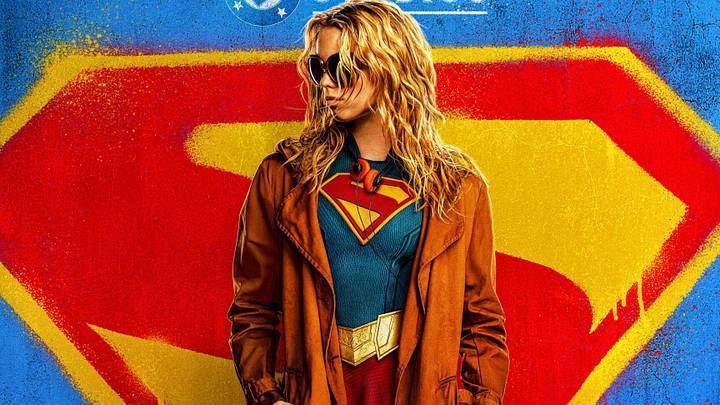


Superhero Merchandise Collapse | DC's $170M Supergirl Flop Signals Shifting Consumer Demand for Licensed Products
- Superhero film underperformance ($38M opening vs. $125M Superman) reveals declining demand for female-led superhero merchandise; sellers face 30-40% inventory risk on DC collectibles and apparel through 2025
Overview
DC Studios' $170 million Supergirl production represents a critical market signal for cross-border sellers specializing in superhero merchandise, collectibles, and licensed apparel. The film's catastrophic opening weekend ($38M domestic, $30M international) and weak word-of-mouth (only 52% recommendation rate per PostTrak surveys) directly impact the broader superhero merchandise category, which generated an estimated $8-12 billion in global licensed product sales in 2024. This underperformance follows a $3.5 billion annual decline in superhero film revenue from 2017-2019 peaks, indicating fundamental shifts in consumer appetite for superhero-branded products.
The demographic breakdown reveals critical insights for sellers targeting specific buyer segments. Male audiences (59% of viewers) showed only 45% recommendation rates, while female audiences (41%) achieved 62% recommendations—a 17-point disparity that contradicts assumptions about female-led superhero appeal. This challenges the merchandising strategy that capitalized on Wonder Woman ($822M, 2017) and Captain Marvel ($1.13B, 2019) successes. Sellers who over-indexed on female-demographic superhero merchandise (apparel, collectibles, toys) face inventory liquidation risks of 30-40% through Q2 2025. The B- CinemaScore (lower than The Flash and The Marvels) signals weak repeat-purchase intent, directly reducing merchandise demand velocity on Amazon, eBay, Shopify, and specialty collectibles platforms.
Strategic implications extend to upcoming DC releases and broader franchise risk. With Clayface launching October 2025 and Superman's sequel Man of Tomorrow scheduled for July 2027, sellers must reassess inventory commitments for lesser-known DC characters. The news explicitly notes that "audience appetite for films featuring lesser-known characters" is now in question, directly threatening pre-order and launch-window merchandise sales. Warner Bros. Discovery's pending acquisition by Paramount Skydance adds uncertainty to licensing agreements and merchandise royalty structures through mid-2025. Sellers holding DC inventory should monitor quarterly box office performance and adjust SKU counts accordingly. The $170M production loss signals that even major studio backing cannot guarantee merchandise velocity—a critical risk factor for sellers committing capital to licensed product lines 6-12 months before film releases.
Questions 7
What does the 17-point gender recommendation gap reveal about superhero merchandise targeting?
PostTrak data shows male audiences (59% of viewers) gave only 45% recommendations while female audiences (41%) achieved 62%—contradicting the assumption that female-led superhero films drive female merchandise demand. This 17-point disparity challenges the merchandising strategy that capitalized on Wonder Woman ($822M) and Captain Marvel ($1.13B) successes. Sellers should diversify demographic targeting beyond gender-specific positioning and focus on character quality and storytelling authenticity rather than demographic assumptions.
How does Supergirl's box office failure impact superhero merchandise sellers on Amazon and eBay?
Supergirl's $38M opening weekend and 52% recommendation rate (vs. Superman's $125M opening) signals declining consumer demand for superhero merchandise. Sellers holding DC collectibles, apparel, and toys face 30-40% inventory liquidation risk through Q2 2025. The film's B- CinemaScore indicates weak repeat-purchase intent, reducing merchandise velocity on major platforms. Sellers should immediately audit DC inventory SKUs and adjust reorder quantities downward by 25-35% for Q1-Q2 2025 launches.