

South Korea's $1.3T Chip Investment Reshapes Global Supply Chain | Seller Opportunities in AI Hardware Ecosystem
- Samsung and SK Hynix commit $1.3 trillion over 10 years; new southwest fab cluster creates supply chain diversification opportunities for electronics sellers and AI infrastructure suppliers




















Overview
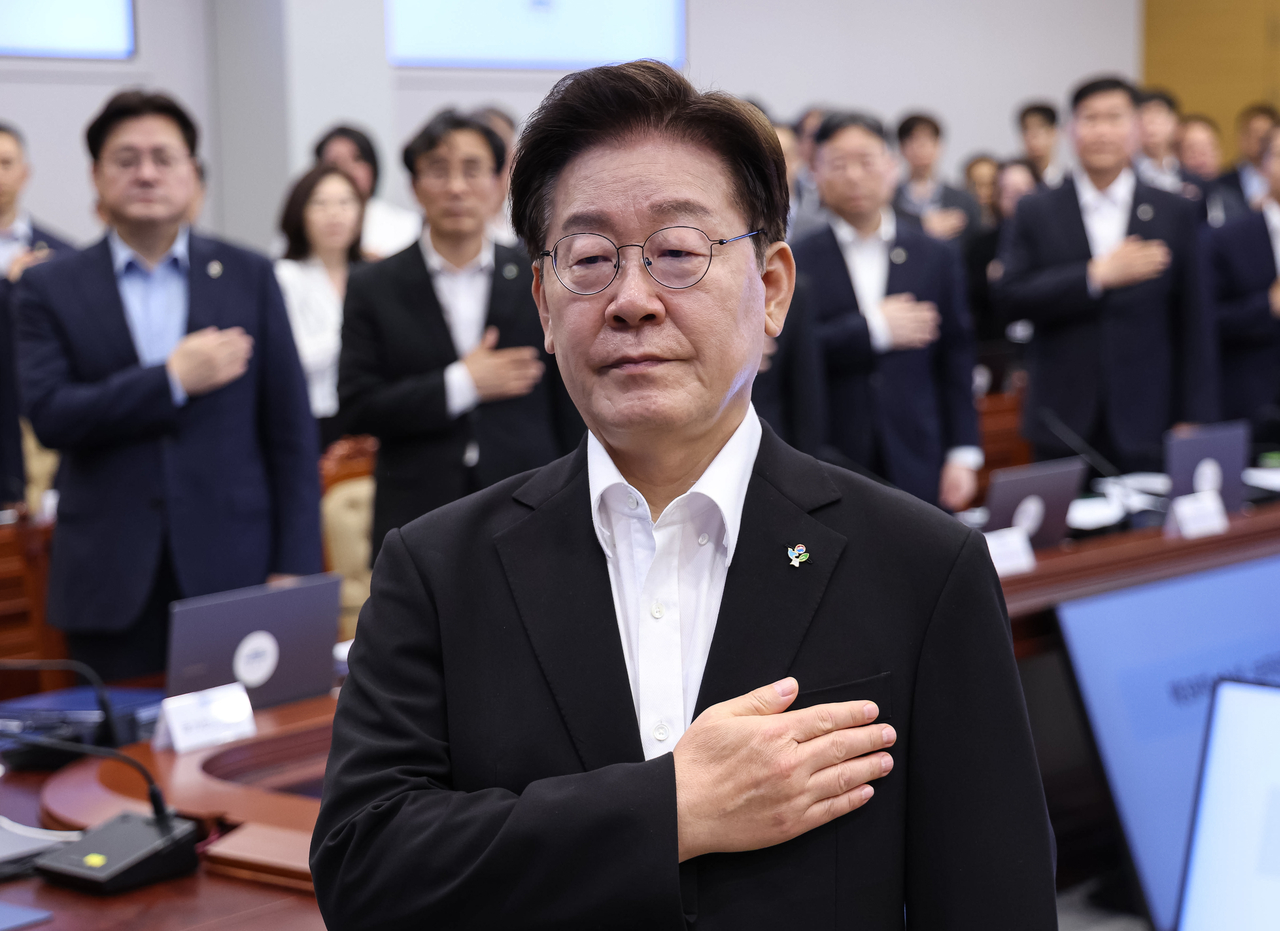
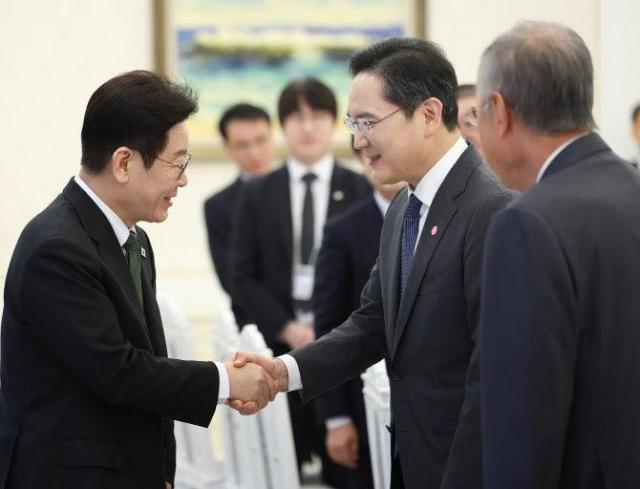
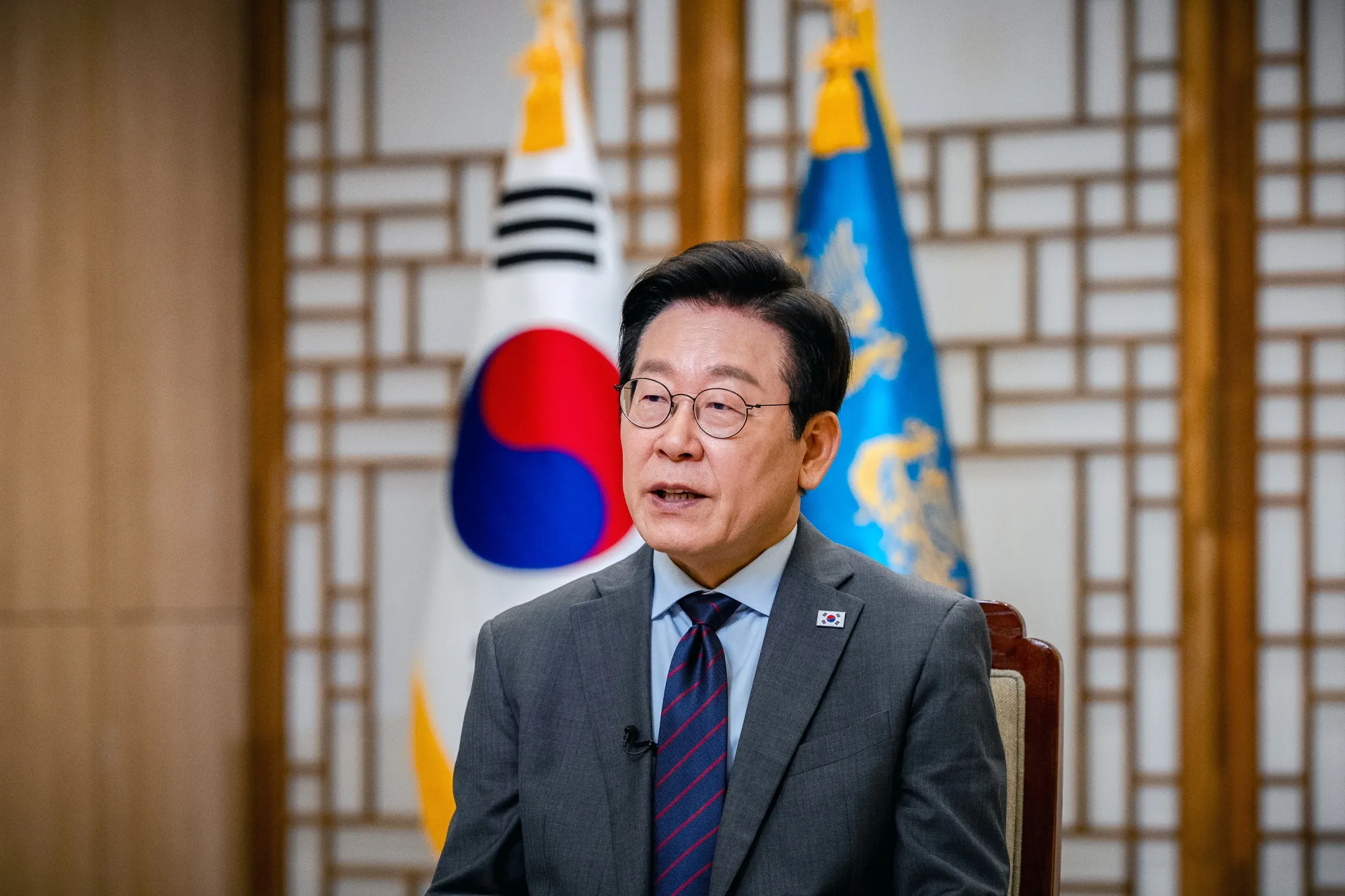
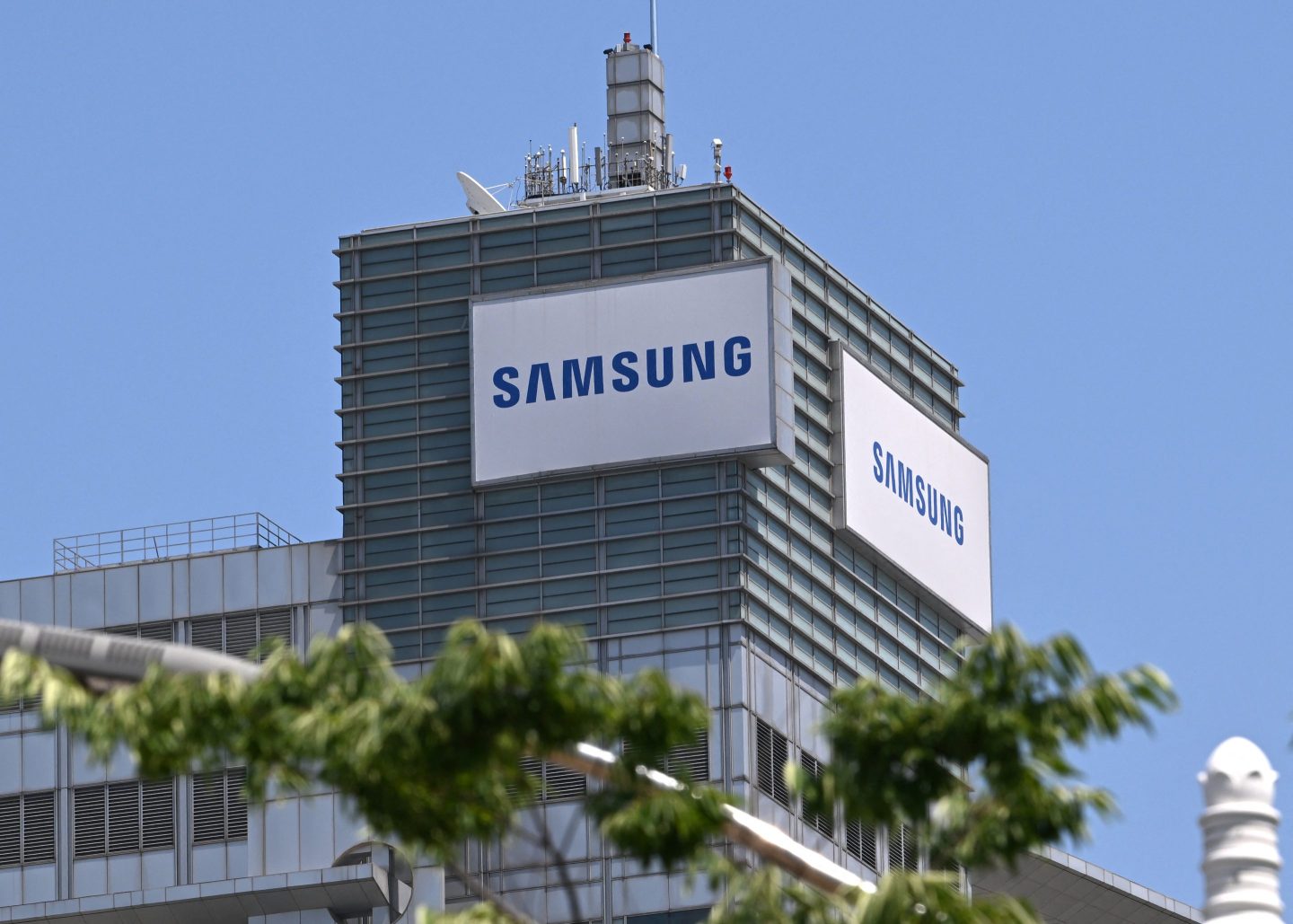
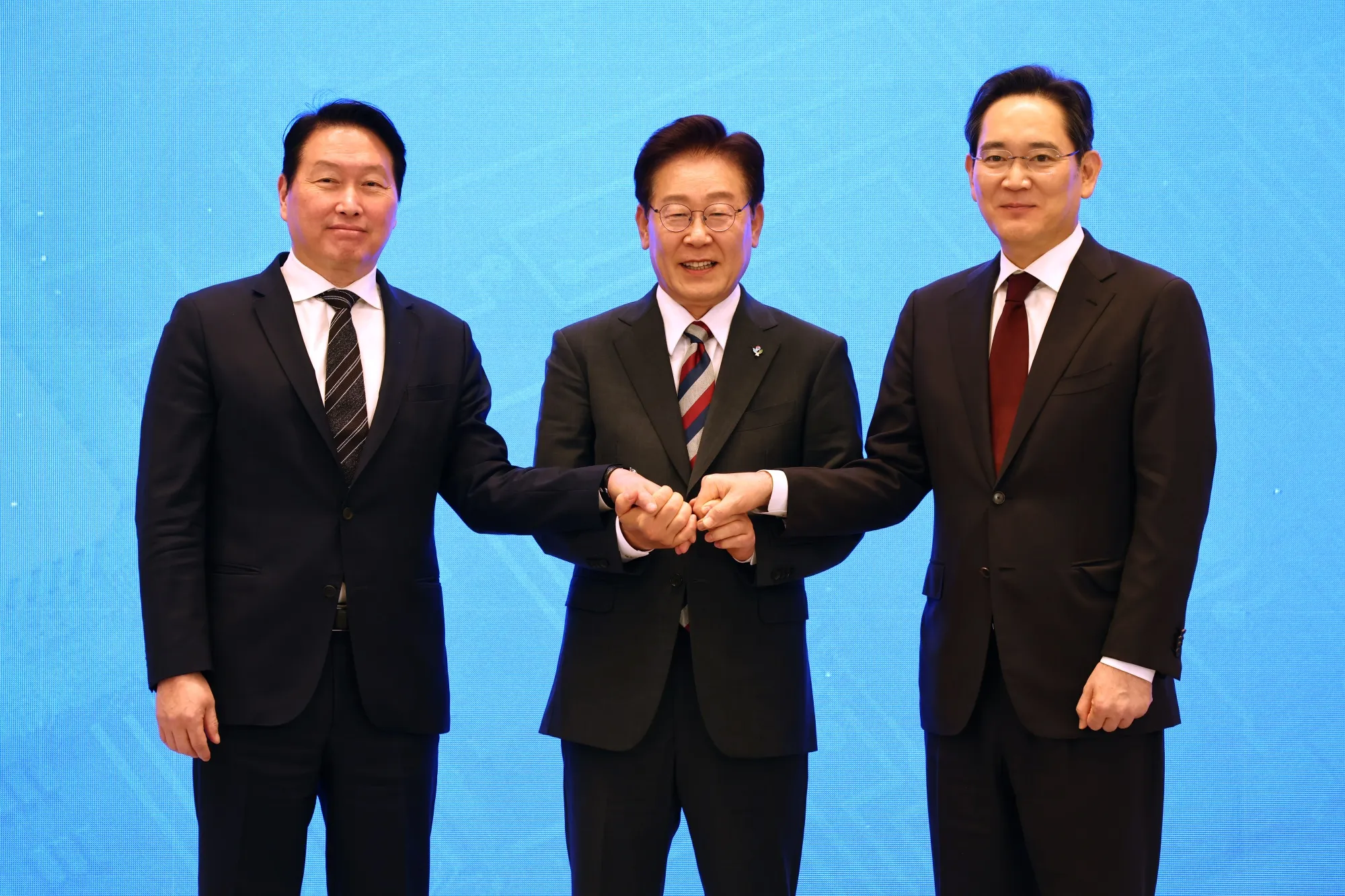
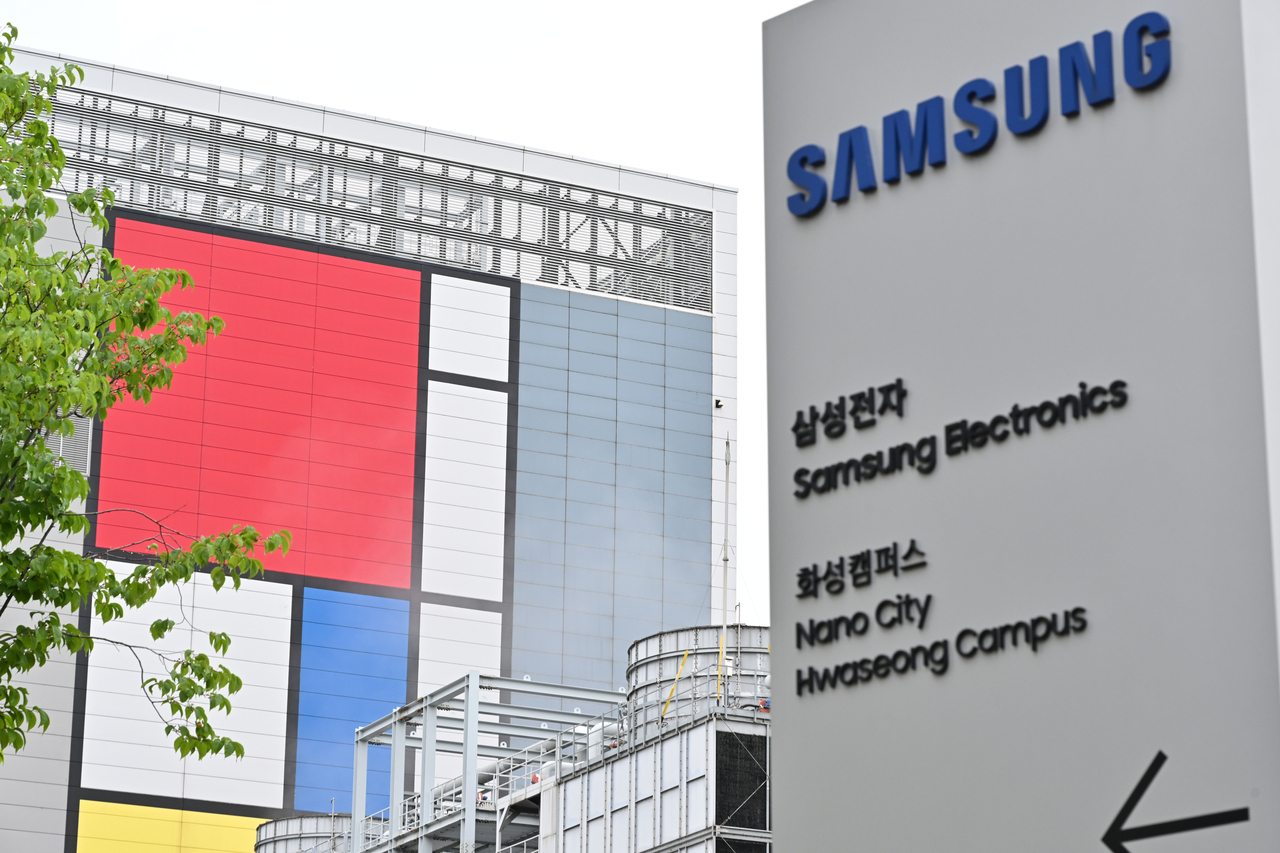
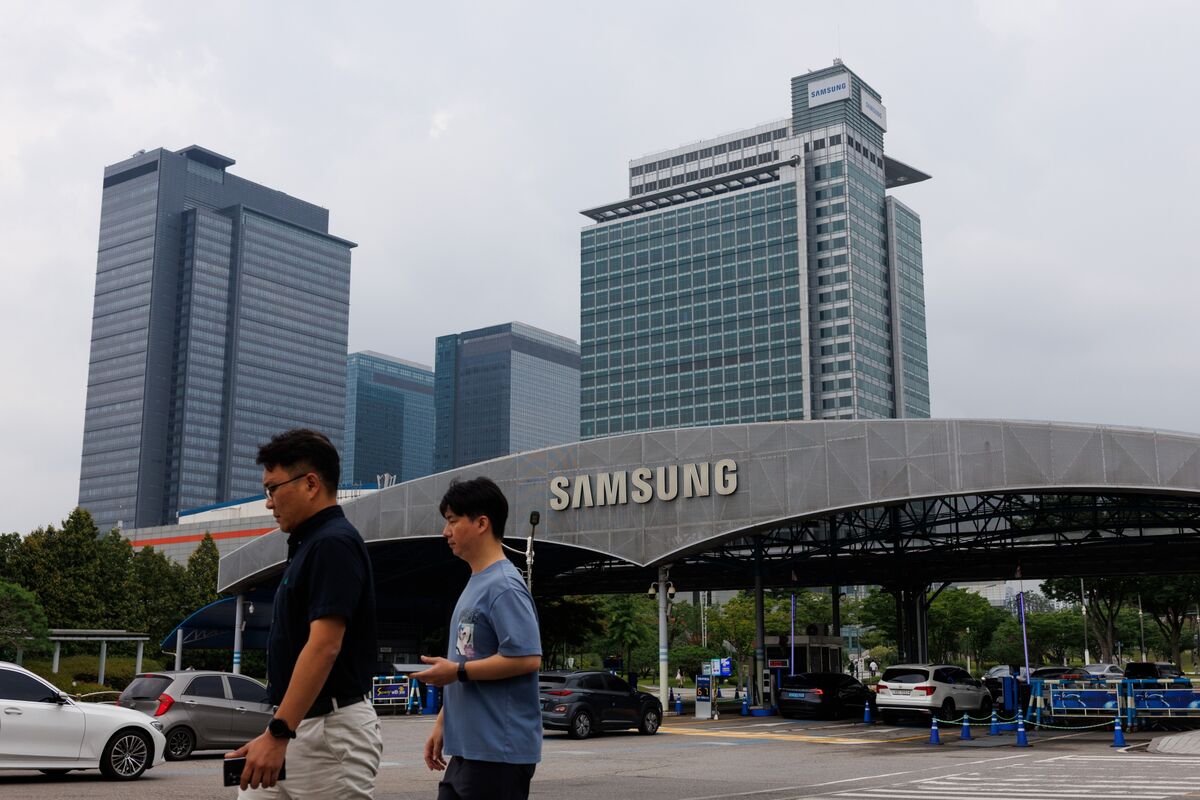
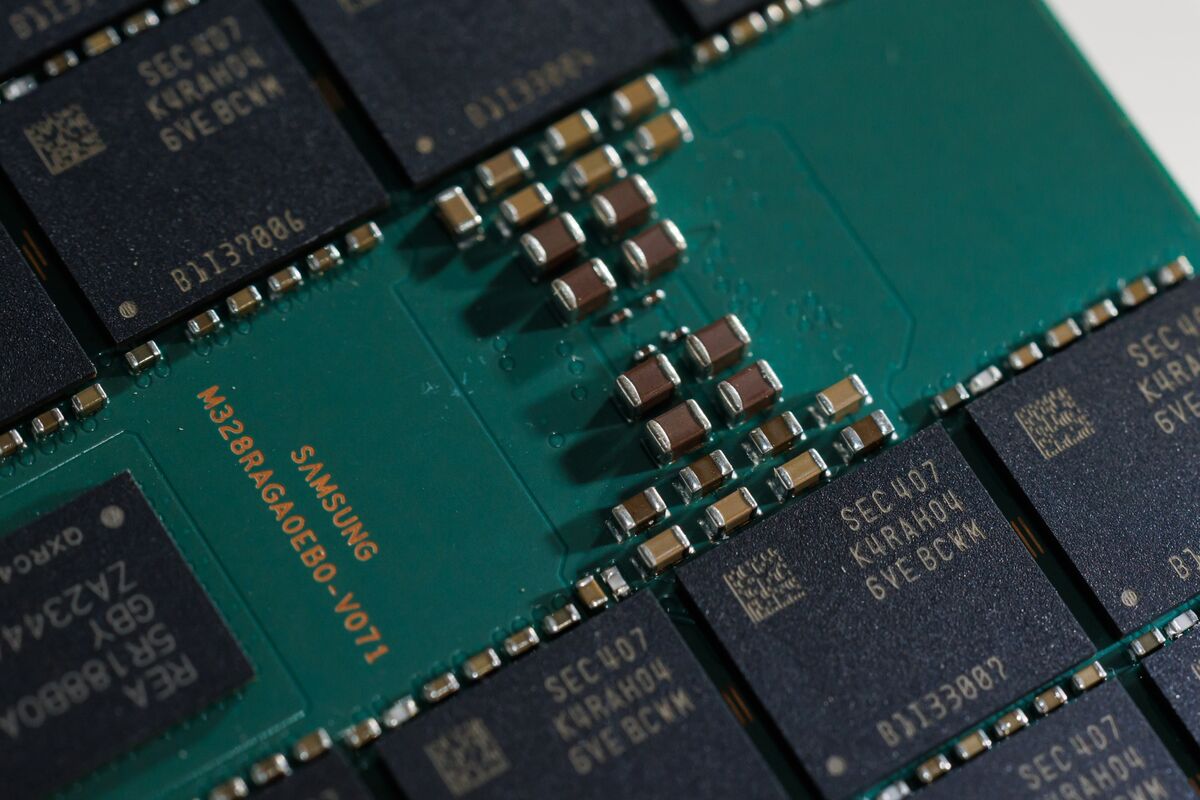
South Korea's announcement of a combined $1.3 trillion investment by Samsung Electronics and SK Hynix over the next decade (June 28-29, 2026) represents a fundamental reshaping of global semiconductor supply chains with direct implications for cross-border e-commerce sellers. President Lee Jae Myung's "Three Mega Projects for the Great Leap Forward" initiative includes construction of 4-5 new semiconductor fabrication plants per company in the Gwangju area, plus advanced packaging facilities and AI data center infrastructure. This $651 billion commitment (1,000 trillion won) signals South Korea's strategic pivot to dominate AI-driven semiconductor manufacturing, directly addressing the critical bottleneck: demand for high-bandwidth memory (HBM) chips significantly outpaces current supply as cloud providers and tech firms expand AI infrastructure globally.
For cross-border sellers, this creates three distinct opportunity windows. First, the supply chain diversification away from concentrated manufacturing reduces geopolitical risk premiums on semiconductor-dependent products (AI accelerators, edge computing devices, smart home electronics). Sellers sourcing from South Korean suppliers gain competitive advantage through improved lead times and reduced tariff exposure compared to China-dependent supply chains. Second, the 10-year investment timeline (2026-2036) creates predictable capacity growth, enabling sellers to lock in long-term pricing with Korean suppliers before competitors recognize the arbitrage opportunity. Third, the government's infrastructure support (power, water, logistics, workforce training) in the southwest region will reduce manufacturing costs by an estimated 8-15% compared to Seoul-based production, translating to 3-6% margin improvements for sellers importing finished components.
The competitive dynamics shift significantly for different seller segments. Large electronics sellers (1000+ SKUs) sourcing AI-related products benefit most immediately—they can negotiate multi-year supply agreements with Samsung and SK Hynix at locked-in prices before capacity constraints ease. Mid-market sellers (100-500 SKUs) should prioritize establishing relationships with Korean component distributors now, as the next 18-24 months represent a window before supply normalization. Small sellers (<100 SKUs) face margin compression risk if they remain dependent on Chinese suppliers; the strategic move is to identify Korean-manufactured alternatives in high-margin categories (industrial IoT, robotics components, AI inference devices) where South Korean suppliers are expanding capacity. The announcement also signals reduced tariff risk for Korean imports into US and EU markets, as South Korea's government is positioning itself as a "trusted semiconductor partner" to counter China supply chain concerns—expect preferential trade treatment within 12-18 months.
Questions 8
What tariff and trade policy implications does South Korea's chip investment create for sellers?
South Korea's positioning as a 'trusted semiconductor partner' to counter China supply concerns signals preferential trade treatment within 12-18 months. Expect: (1) Reduced tariffs on Korean semiconductor imports into US/EU markets compared to Chinese alternatives; (2) Accelerated customs clearance for Korean-origin components; (3) Potential trade agreements favoring Korean suppliers. For sellers, this creates a 12-18 month window where Korean-sourced products gain 2-4% tariff advantages over Chinese alternatives. The announcement also reduces geopolitical risk premiums on Korean imports, improving margins by 1-2%. Sellers should prioritize establishing Korean supplier relationships before tariff advantages are priced into market rates. Monitor US-Korea and EU-Korea trade negotiations for formal tariff reductions on semiconductors and AI-related components.
How should sellers adjust sourcing strategy in response to South Korea's semiconductor mega-project?
Immediate actions (0-3 months): Audit current semiconductor sourcing by origin country and identify products dependent on HBM chips or advanced memory. Contact Samsung and SK Hynix authorized distributors to understand allocation and pricing for 2026-2027. Medium-term (3-12 months): Negotiate multi-year supply agreements with Korean suppliers to lock in pricing before capacity constraints ease and competitors recognize the arbitrage opportunity. Shift 20-30% of semiconductor sourcing from China to South Korean suppliers to reduce geopolitical risk and capture tariff advantages. Long-term (12-36 months): Monitor new fab ramp schedules and adjust pricing strategies as supply normalizes. The government's infrastructure support in the southwest region will reduce manufacturing costs 8-15% by 2028-2029, enabling 3-6% margin improvements for sellers who establish Korean supply relationships now.