


Kunlunxin $50B Hong Kong IPO Signals AI Chip Supply Shift | Seller Sourcing Opportunities
- China's AI semiconductor push creates new hardware sourcing channels for e-commerce sellers; Kunlunxin external sales expansion opens B2B procurement opportunities for electronics retailers and AI product sellers









Overview
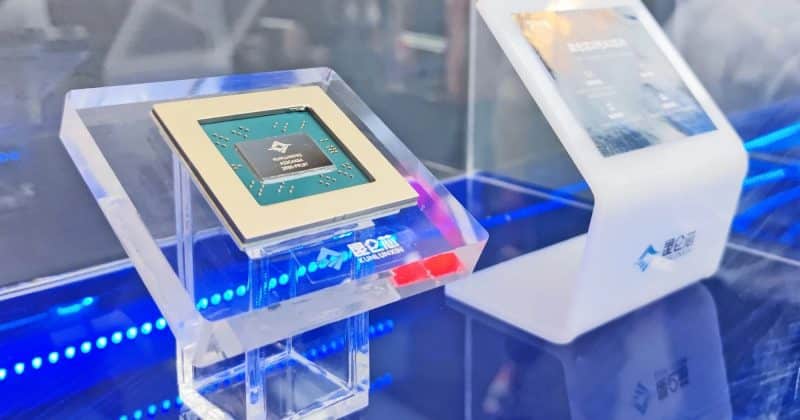
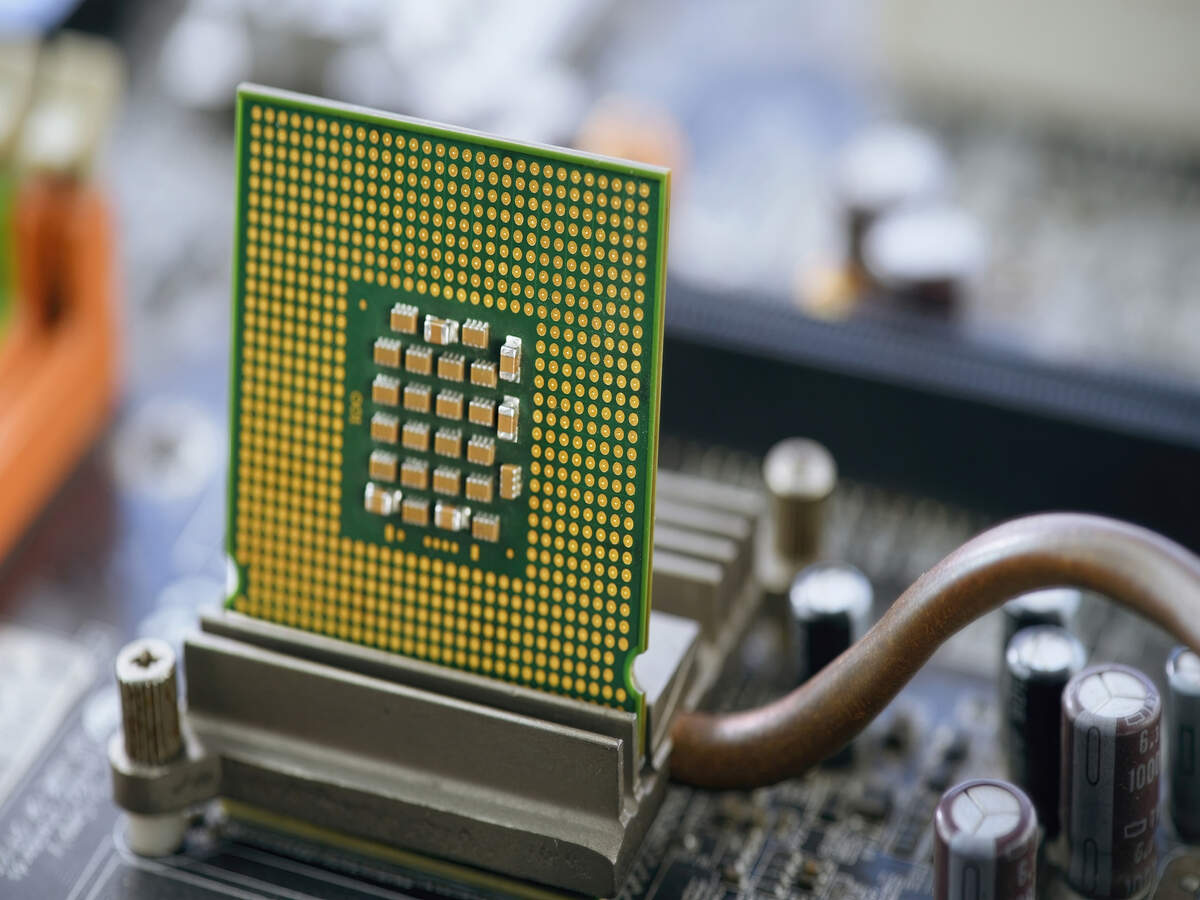
Baidu's Kunlunxin subsidiary is targeting a $50 billion Hong Kong IPO in 2026, marking a critical inflection point in China's AI semiconductor independence strategy. The company confidentially filed its listing application at the start of 2026, with prospective IPO investors encouraged to purchase Kunlunxin semiconductors worth 3-7x their intended investment value—a novel dual-value strategy that simultaneously validates market demand while securing customer commitments. This development directly impacts e-commerce sellers in three critical ways: (1) New Hardware Sourcing Channels: Kunlunxin has expanded external sales over the past two years beyond internal Baidu supply, creating procurement opportunities for electronics retailers, AI product sellers, and tech accessory merchants. Sellers currently sourcing AI-related hardware from US suppliers face 25-40% cost premiums due to supply constraints; Chinese alternatives like Kunlunxin could reduce component costs by 15-25% for products like AI accelerators, edge computing devices, and machine learning inference hardware. (2) Supply Chain Diversification: ByteDance's reported interest in Kunlunxin chips signals broader adoption among Chinese tech giants, reducing single-supplier risk. E-commerce sellers building AI product catalogs (smart home devices, robotics, autonomous systems) can now source from a second-tier supplier with institutional backing, improving inventory stability and negotiating leverage. (3) Market Timing for AI Product Categories: The IPO validates strong demand for AI semiconductors, suggesting 2026-2027 will see accelerated product launches in AI-powered consumer electronics. Sellers should anticipate 30-50% category growth in AI-enabled devices (smart speakers, robotics kits, edge AI cameras) as manufacturing costs decline with increased chip supply competition.
For sellers, the immediate opportunity lies in supply chain intelligence: Kunlunxin's external sales expansion means direct procurement channels will likely open post-IPO. Sellers currently importing AI hardware components from Taiwan or South Korea can negotiate alternative sourcing with Kunlunxin representatives starting Q2 2026. The company's positioning as a "competitive player in external markets" (per the news) indicates aggressive go-to-market strategy targeting non-Baidu customers. Competitive advantage accrues to sellers who establish relationships early: Those securing preferred supplier agreements before mass-market adoption could achieve 10-15% cost advantages over competitors still reliant on traditional semiconductor distributors. The IPO also signals regulatory approval for Kunlunxin's external sales—previously, Chinese semiconductor exports faced scrutiny; Hong Kong listing legitimizes the company as a public entity, reducing geopolitical sourcing risks for Western e-commerce platforms.
Questions 8
How does Kunlunxin's IPO affect pricing for AI-powered e-commerce products?
Cheaper semiconductor supply from Kunlunxin will enable 15-25% cost reductions for AI-powered consumer electronics, creating pricing pressure across the category. Sellers with early access to Kunlunxin chips can undercut competitors by 10-15% on AI products, capturing market share during the 2026-2027 growth phase. However, this advantage is temporary—once Kunlunxin achieves scale and competitors secure their own supply agreements, margins will compress industry-wide. Sellers should use the 12-18 month window of cost advantage to build brand loyalty and market position in AI product categories. Plan for 5-8% annual price declines in AI-powered devices as supply competition intensifies post-IPO.
What supply chain intelligence should sellers gather about Kunlunxin before the IPO?
Sellers should research Kunlunxin's product roadmap, production capacity, and external customer base before Q2 2026 procurement outreach. Key intelligence includes: (1) Which specific chip models are available for external sale (AI inference accelerators, edge processors, etc.); (2) Minimum order quantities and lead times; (3) Pricing structure and volume discounts; (4) Quality certifications and reliability data; (5) Competing suppliers already using Kunlunxin chips (ByteDance, Alibaba, etc.). Monitor Baidu earnings calls and investor presentations for Kunlunxin supply chain updates. Join industry forums and semiconductor trade associations to network with other sellers evaluating Kunlunxin. This intelligence gathering in Q1 2026 will position you to move quickly once IPO completes and procurement channels open.