


Southeast Asia AI Infrastructure Boom | 170K GPUs in Batam Enable Affordable Seller AI Tools by Q1 2027
- 360MW data center in Indonesia reduces latency 40-60% for cross-border sellers; Firmus projects $30B revenue enabling 10-15% cost cuts on AI-powered logistics, pricing, and customer service automation by 2028




)










Overview
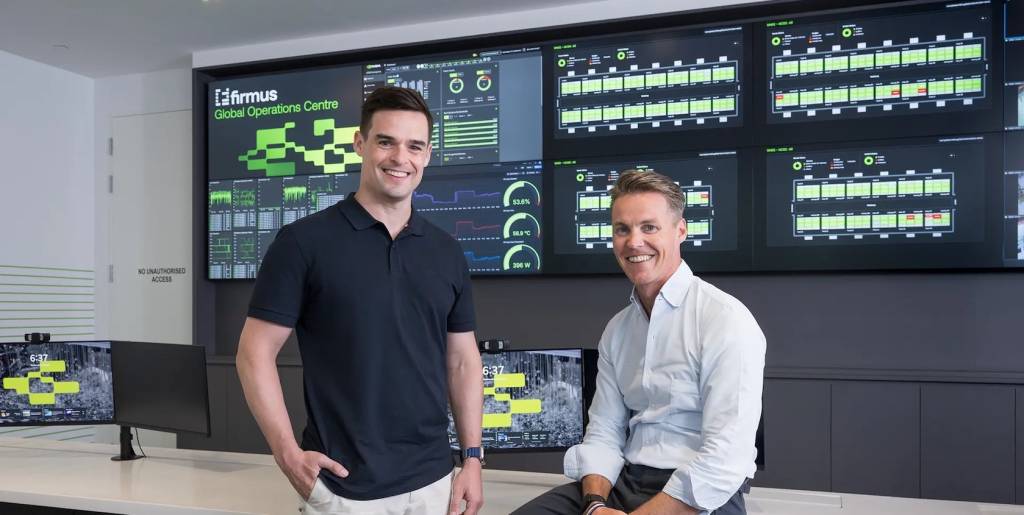
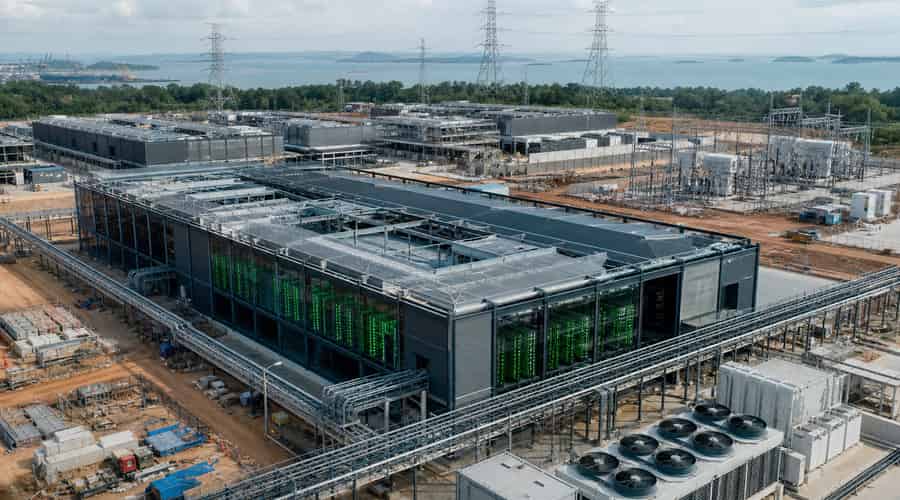
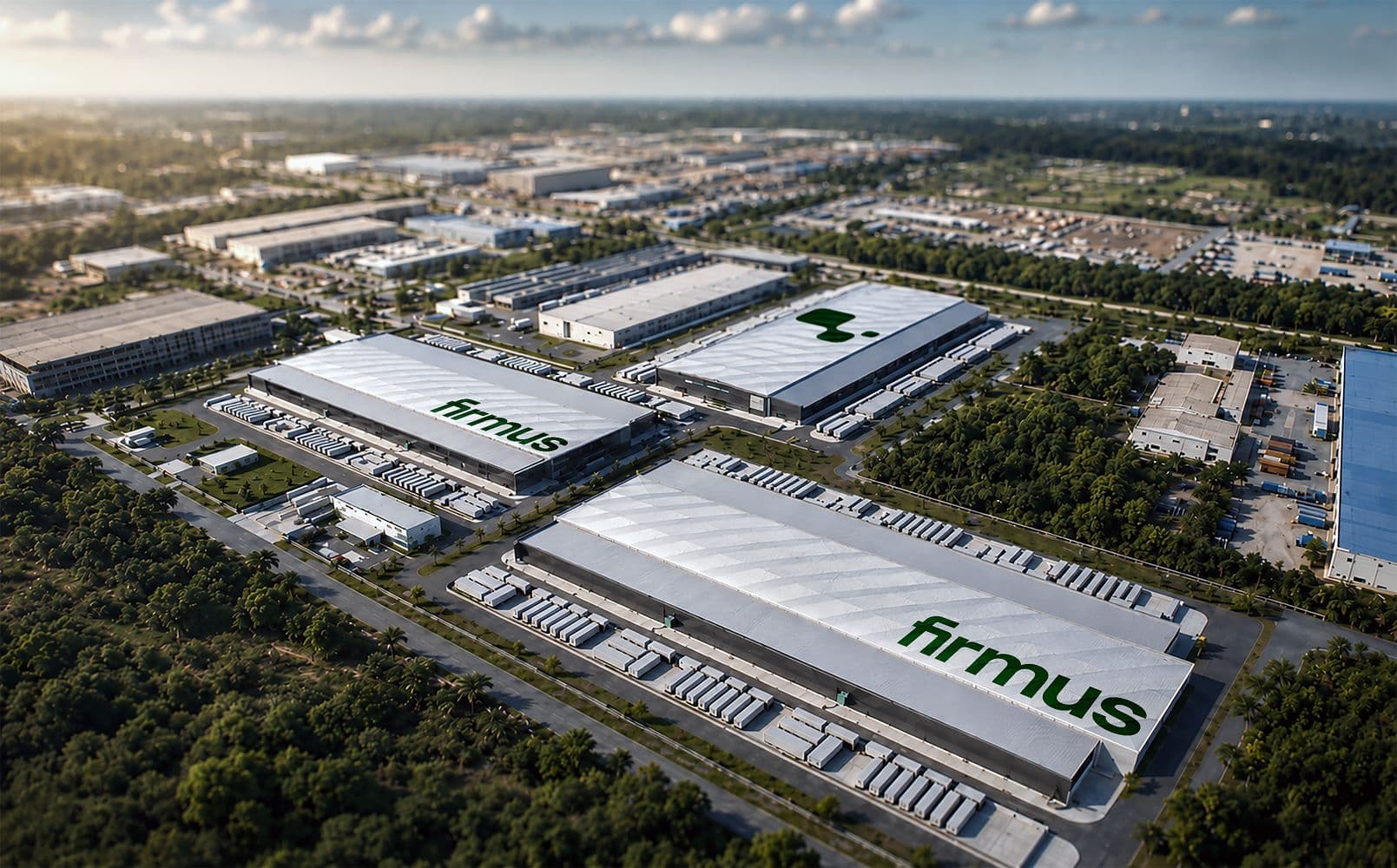
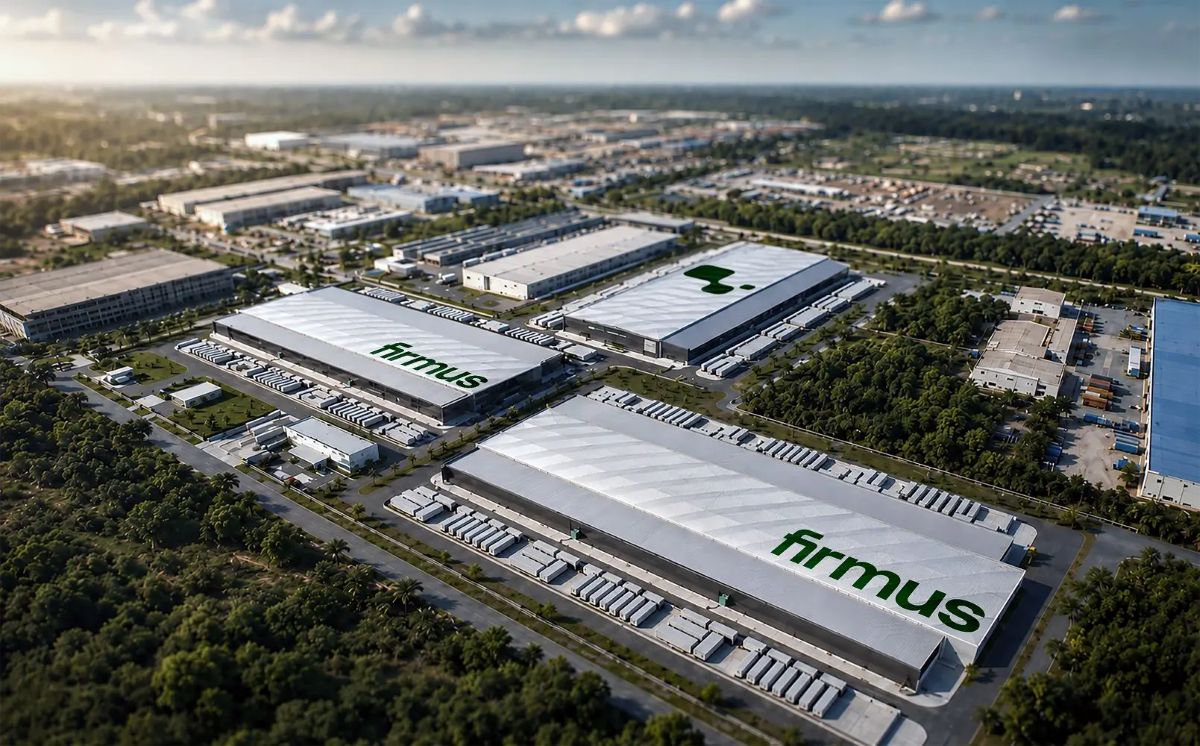
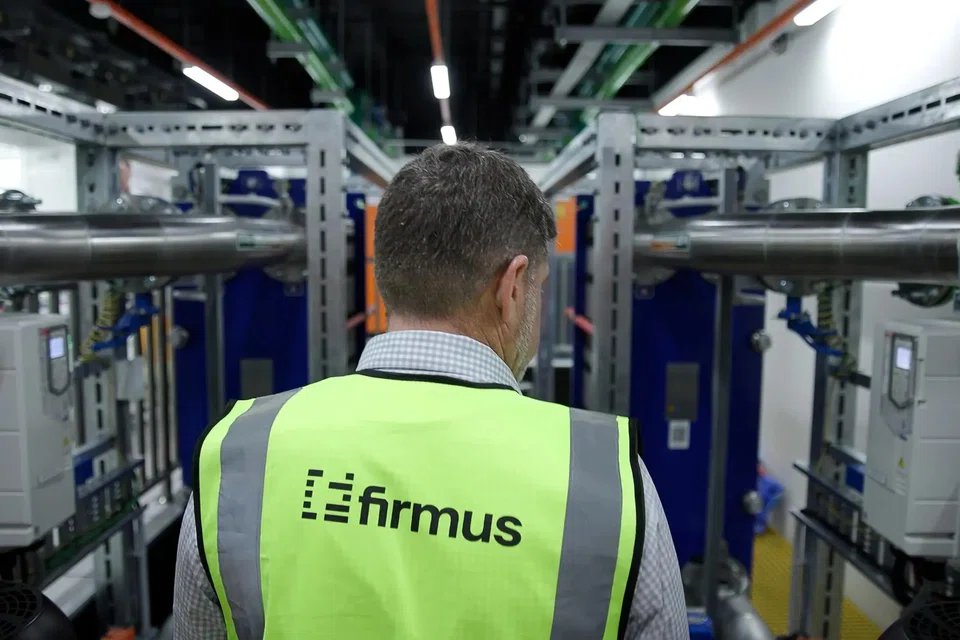
The Firmus-Nvidia partnership represents a watershed moment for cross-border e-commerce sellers in Asia-Pacific. On June 29, 2026, Australian AI infrastructure firm Firmus announced a strategic partnership with Nvidia to deploy 170,000 GPUs in Batam, Indonesia (off Singapore's coast) between Q1 2027 and early 2028, with projected revenue of A$30 billion ($20B USD) over six years. The 360-megawatt Nvidia DSX AI Factory campus will serve as a critical regional hub for AI computing, directly addressing the GPU scarcity that has made advanced AI tools prohibitively expensive for mid-market sellers competing against Amazon, Alibaba, and Shopify's enterprise customers.
For sellers, this infrastructure expansion translates into immediate automation opportunities. Currently, AI-powered tools for product research, dynamic pricing, inventory optimization, and customer service automation cost $500-2,000/month through AWS, Azure, or Google Cloud—pricing that reflects hyperscaler markups and US-based latency penalties for Asia-Pacific operations. Firmus's model explicitly targets "closing the gap between the cost benefits that the large guys have access to" (per CEO Tim Rosenfield), meaning regional AI services will likely cost 30-50% less than hyperscaler equivalents by 2028. For a seller running 5,000+ SKUs across Shopify, Amazon SEA, and TikTok Shop, this could reduce monthly AI infrastructure costs from $1,500 to $750-900, freeing capital for inventory expansion or marketing.
The competitive intelligence advantage is immediate and measurable. With 170,000 GPUs deployed regionally, Firmus will enable sellers to run real-time AI analysis on competitor pricing, inventory levels, and customer sentiment across Southeast Asian marketplaces—tasks currently requiring $3,000-5,000/month in cloud compute. Sellers using Firmus-powered tools starting Q1 2027 will gain 6-12 months of competitive advantage before hyperscalers match pricing. The partnership also signals that independent AI infrastructure operators (Firmus, CoreWeave, which IPO'd at $52.7B in March 2025) are becoming viable alternatives to AWS/Azure, reducing vendor lock-in risk for sellers building proprietary AI systems. Firmus's A$1.35B capital raise and IPO preparation indicate the company will likely launch seller-focused SaaS products (AI-powered listing optimization, dynamic pricing engines, logistics forecasting) by late 2027, creating a new category of affordable, region-specific tools that hyperscalers cannot match on price or latency.
Immediate automation wins for sellers: (1) Product research automation—AI agents can now scan 50,000+ competitor listings daily at 40-60% lower cost, identifying trending categories and pricing gaps in real-time; (2) Dynamic pricing engines—sellers can run hourly price optimization across 10+ marketplaces without exceeding monthly budgets; (3) Customer service chatbots—AI-powered support in local languages (Indonesian, Thai, Vietnamese) becomes economically viable for sellers with 100+ daily inquiries. The time savings are substantial: a seller currently spending 20 hours/week on manual competitor analysis, pricing updates, and customer responses could automate 70-80% of these tasks, recapturing 14-16 hours/week for strategy and growth initiatives.
Questions 7
What risks should sellers monitor regarding the Firmus-Nvidia partnership?
Three key risks: (1) Regulatory uncertainty—Firmus faces 'increased scrutiny' on Australian operations; Indonesia expansion may face permitting delays or environmental assessments, potentially delaying Q1 2027 launch; (2) Vendor concentration—Firmus depends entirely on Nvidia GPU supply; any Nvidia supply disruption delays infrastructure deployment; (3) Competitive response—AWS/Azure will likely launch aggressive regional pricing by late 2027, compressing Firmus's pricing advantage window. Sellers should pilot Firmus tools starting Q1 2027 but maintain AWS/Azure contracts as backup until Firmus demonstrates 12+ months of reliable service.
Which seller segments benefit most from cheaper regional AI infrastructure?
Mid-market sellers (1,000-10,000 SKUs, $500K-5M annual revenue) benefit most because they currently can't afford enterprise AI tools ($2,000-5,000/month) but have enough complexity to justify automation. Small sellers (<1,000 SKUs) can now access tools previously reserved for enterprise sellers. Large sellers (>10,000 SKUs) benefit from cost reduction—a seller with 20,000 SKUs could reduce AI infrastructure costs from $5,000/month to $2,000-2,500, saving $36,000-36,000 annually. Sellers in Indonesia, Thailand, Vietnam, Philippines gain additional advantage from reduced latency and local language support.