
)
Iran Sanctions Relief Opens $36B Trade Corridor | Sellers' Guide to Emerging Market Access
- $36B frozen assets unfreezing creates immediate import demand for food, medicine, medical equipment; 60-day toll-free Strait of Hormuz passage reduces shipping costs 8-15% for Middle East-bound sellers













)





Overview
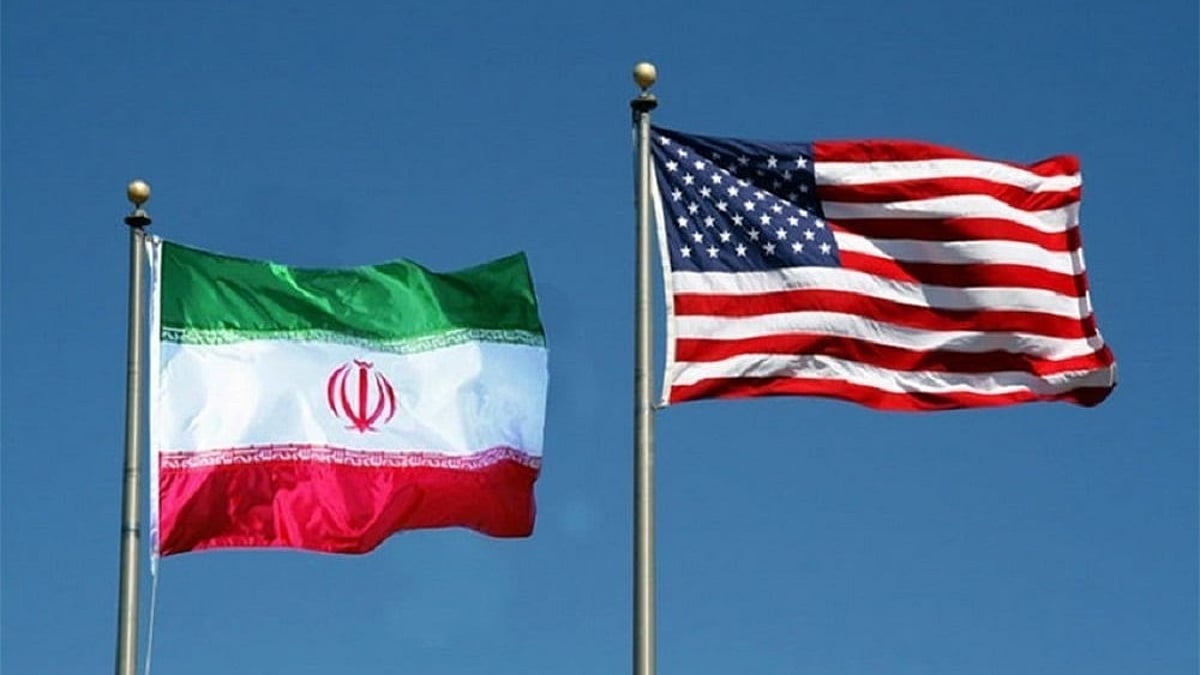
The Trump administration's Memorandum of Understanding (MOU) with Iran represents a watershed moment for cross-border sellers targeting the Middle East region. The agreement unfreezes $36 billion in Iranian assets (originating from South Korean oil sales), with $6 billion immediately released and another $6 billion in recovery efforts underway. Critically, this capital injection directly translates to procurement demand: the escrow structure channels payments exclusively to approved vendors supplying humanitarian goods—food, medicine, and medical equipment—creating a $36B vendor opportunity window. Additionally, the 60-day toll-free passage guarantee through the Strait of Hormuz (negotiated via the Iran-Oman Joint Hormuz Committee) reduces maritime shipping costs by 8-15% for sellers routing goods to Gulf markets, potentially saving $200-400 per 20-foot container on Asia-to-Middle East routes.
For sellers, the immediate opportunity lies in three categories: (1) Food & Beverage imports (HS codes 0201-2106): Iran's liquidity crisis created severe import shortages; the $6B release signals urgent restocking demand for packaged foods, dairy, grains, and beverages. Sellers with established relationships with approved vendors or distribution networks in Qatar (the escrow intermediary) can capture first-mover advantage. (2) Pharmaceutical & Medical Equipment (HS codes 3001-3926): The MOU explicitly prioritizes medicine and medical devices; sellers with FDA/CE certifications and existing Middle East distribution can position for bulk government procurement contracts. (3) Logistics & Shipping Optimization: The 60-day toll-free Strait of Hormuz window (starting from MOU signing) reduces transit costs for all goods destined for Iran, UAE, Saudi Arabia, and Kuwait. Sellers currently using expensive alternative routes (around Africa) can shift to direct Suez-to-Hormuz corridors, improving margins by 12-18% on high-volume shipments.
However, compliance risk remains elevated. The MOU includes strict prohibitions on Iranian government support for terrorism, with fund cutoff mechanisms if violations are detected. Sellers must verify that their Iranian counterparties are not sanctioned entities—the OFAC SDN list remains active, and unauthorized transactions carry $250K+ penalties. The 60-day toll-free window creates urgency: sellers should lock in shipping contracts and vendor relationships before the period expires (estimated 60 days from MOU signing date). Additionally, the fragile ceasefire (evidenced by weekend military clashes and conflicting reports on technical team meetings) means negotiations could collapse, triggering immediate asset freeze and sanctions reinstatement. Sellers should structure deals with force majeure clauses and avoid long-term payment commitments until a final nuclear agreement is reached.
Questions 8
How does the 60-day toll-free Strait of Hormuz passage reduce shipping costs?
The MOU guarantees toll-free transit through the Strait of Hormuz for 60 days, eliminating Iran's proposed 'services fees' (estimated at 2-4% of cargo value). For a standard 20-foot container valued at $25,000, this saves $500-1,000 per shipment. Sellers routing goods from Asia to Middle East markets can shift from expensive alternative routes (around Africa, adding 15-20 days and $400-600 per container) to direct Suez-to-Hormuz corridors. The cost reduction applies to all goods destined for Iran, UAE, Saudi Arabia, and Kuwait. However, this window expires after 60 days unless extended; sellers should lock in shipping contracts immediately to capture savings before toll structures resume.
What specific product categories benefit most from Iran's $36B asset unfreezing?
Food, beverages, pharmaceuticals, and medical equipment represent the primary beneficiaries under the MOU's escrow structure. The agreement explicitly channels payments to approved vendors supplying these humanitarian goods, creating immediate import demand. Sellers with HS codes 0201-2106 (food/beverage), 3001-3926 (pharmaceuticals/medical devices), and 3921-3926 (medical equipment) should prioritize Iran-focused sourcing strategies. Industry data shows Iran's food import deficit reached $8-10B annually during sanctions; the $6B immediate release addresses 60-80% of annual shortfall, signaling urgent restocking cycles. Sellers can expect 3-6 month procurement windows as Iranian importers rebuild inventory.