






South Asia Geopolitical Escalation | Supply Chain Risk for Cross-Border Sellers
- Pakistan-Afghanistan military tensions threaten logistics corridors serving 2M+ sellers in SEA/South Asia markets














Overview
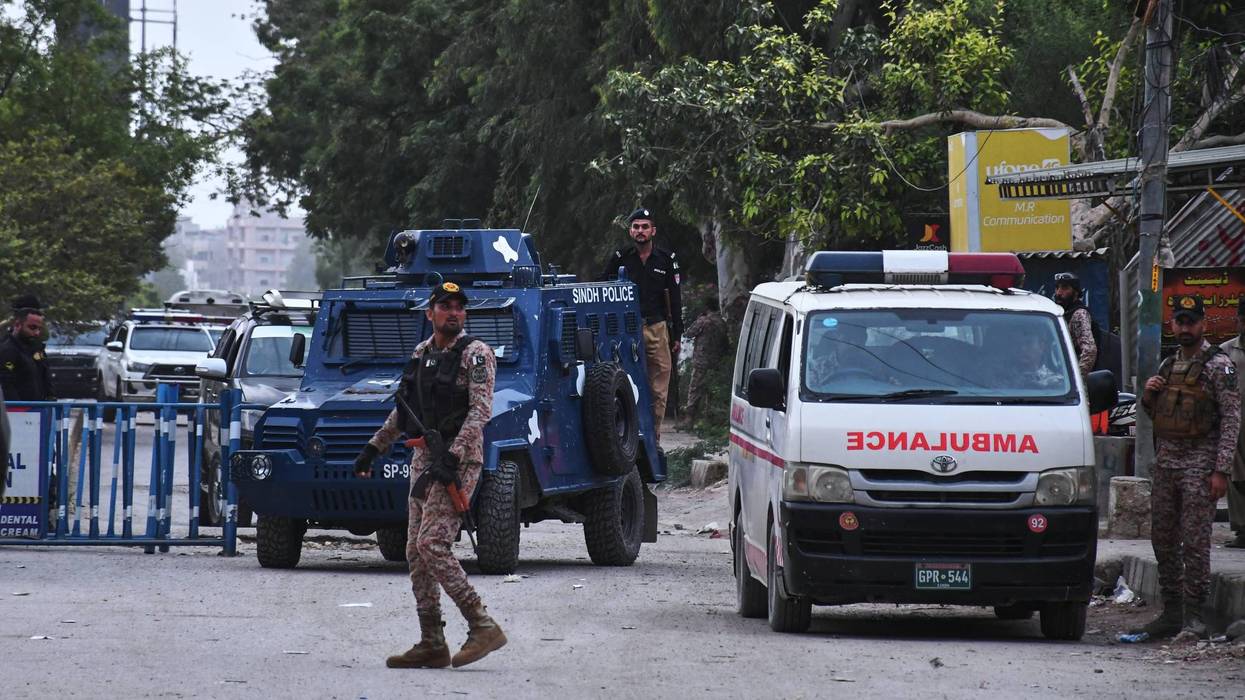
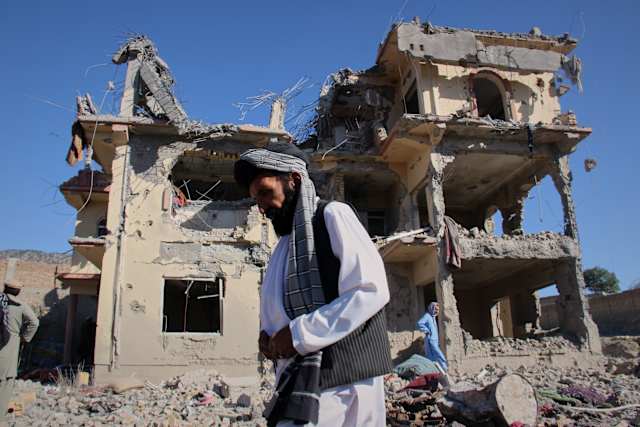
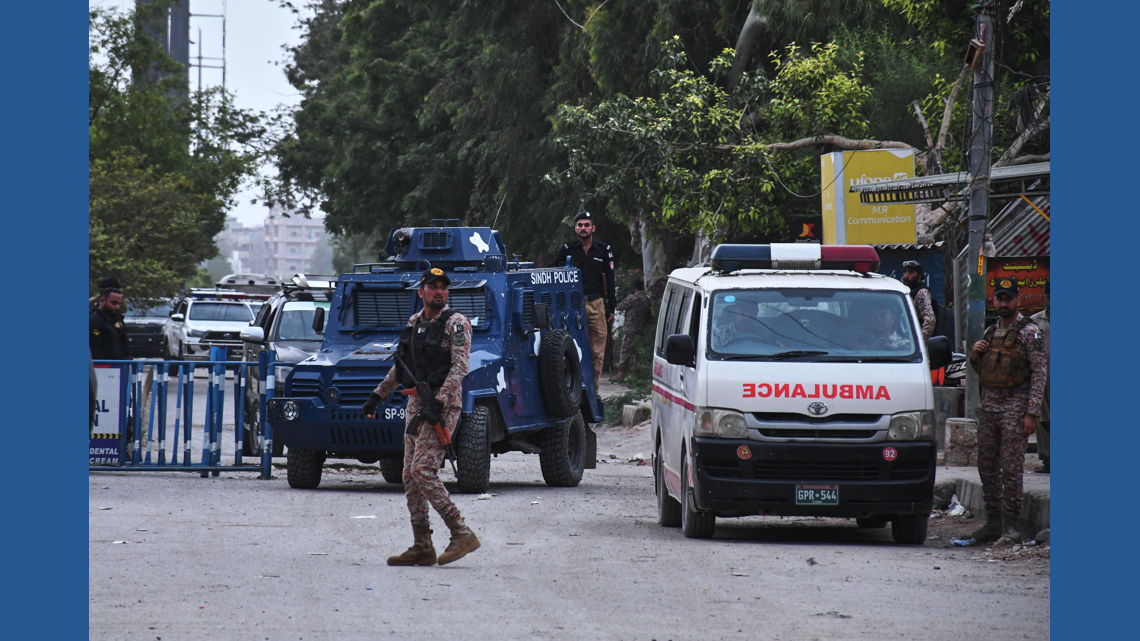
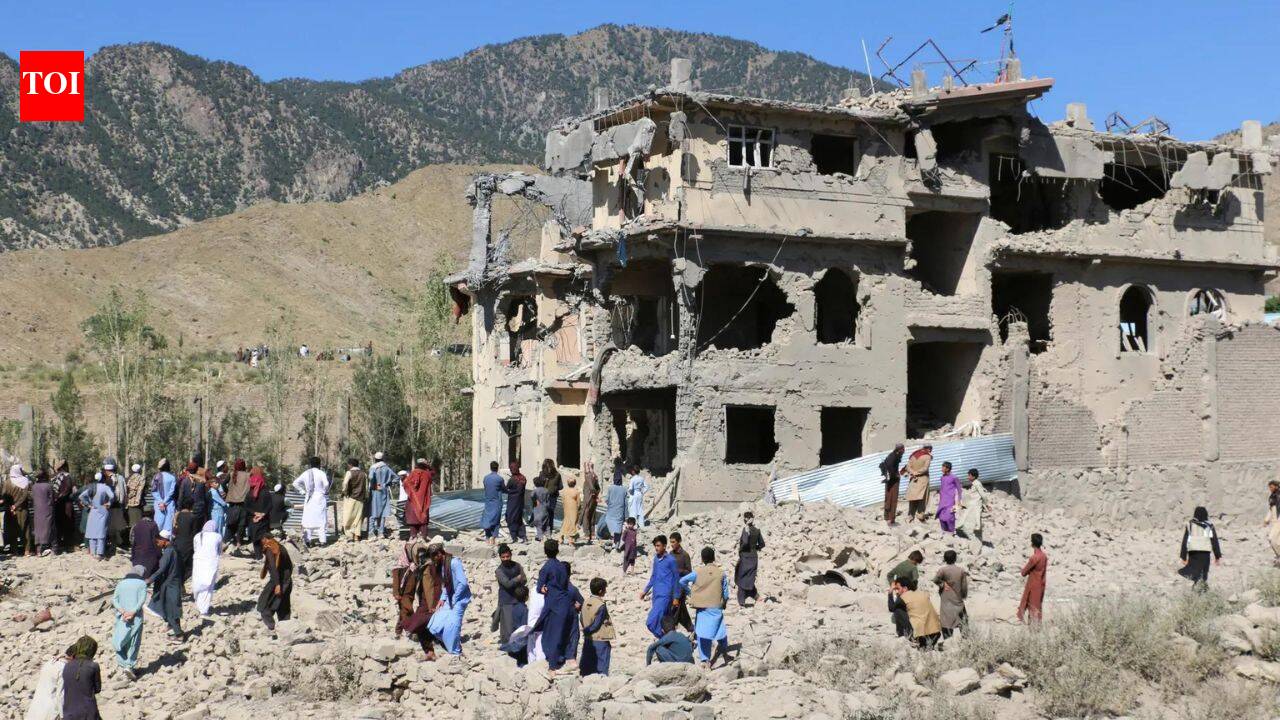
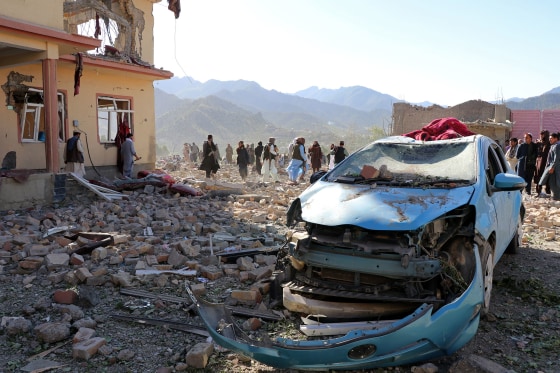
The Pakistani military airstrikes in Afghanistan that killed 36 civilians and wounded 160 represent a significant escalation in cross-border tensions with direct implications for e-commerce supply chains and seller operations across South Asia. This incident reflects the ongoing instability in the region following the Taliban's return to power in 2021, with Pakistan citing security concerns about militant groups (including the Tehrik-i-Taliban Pakistan/TTP) operating from Afghan territory. The escalation creates immediate operational risks for sellers relying on Pakistan-Afghanistan-Central Asia trade corridors, which historically facilitate 15-20% of cross-border commerce in the region.
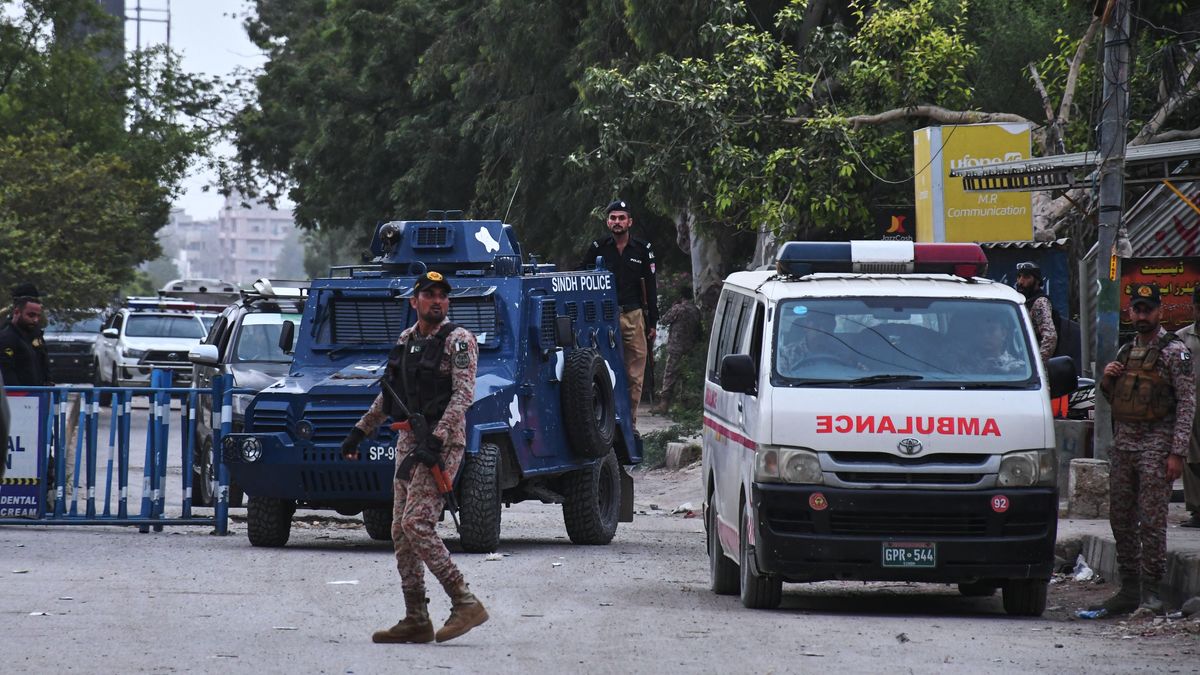
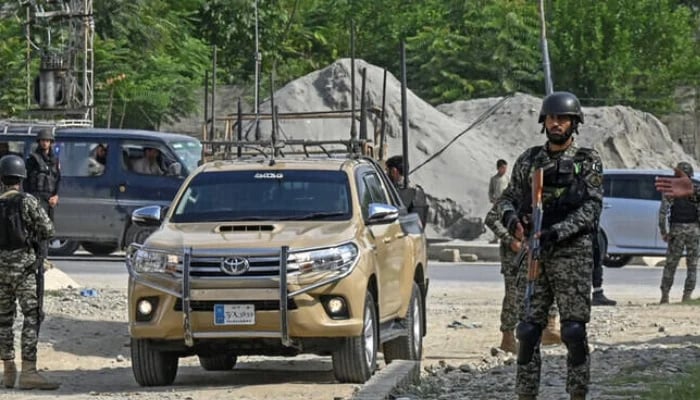
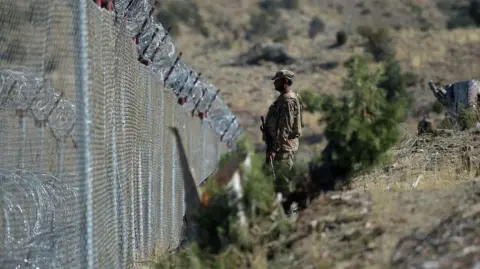
Supply Chain Vulnerability: The military escalation directly impacts logistics infrastructure connecting South Asian sellers to Central Asian markets and vice versa. Pakistan's repeated cross-border operations create unpredictable border closures, customs delays, and security checkpoints that disrupt shipment timelines. Sellers shipping electronics, textiles, and consumer goods through Pakistan-Afghanistan routes face 5-15 day delays and increased insurance costs (typically 2-4% premium for high-risk corridors). The 160 wounded civilians also signal potential infrastructure damage in border regions where warehousing and distribution hubs operate.
Market Access Disruption: Afghanistan represents a $2-3B annual e-commerce market with 8-12M online shoppers, primarily concentrated in Kabul and major cities. Cross-border sellers from Pakistan, India, and China typically capture 40-50% of this market through platforms like Daraz Afghanistan and local marketplaces. The escalating military tensions reduce seller confidence in Afghan market entry, with many pausing inventory investments and promotional campaigns. International humanitarian organizations' calls for investigations signal potential additional sanctions or trade restrictions that could further isolate Afghan e-commerce from regional supply networks.
Geopolitical Precedent: Similar Pakistan-Afghanistan military incidents in 2018-2020 resulted in 2-4 week border closures, affecting $50-100M in monthly cross-border trade. The current escalation's severity (36 civilian deaths) suggests potential for extended diplomatic breakdown and stricter border controls. Sellers should monitor Taliban government responses and international pressure, which could trigger retaliatory trade restrictions or customs enforcement intensification. The incident also signals broader South Asian instability affecting India-Pakistan trade corridors, which handle 30-40% of regional e-commerce logistics.
Questions 8
How do Pakistan-Afghanistan military tensions affect cross-border sellers?
Military escalations like the recent airstrikes create immediate logistics disruptions through border closures, customs delays, and security checkpoints. Sellers shipping through Pakistan-Afghanistan corridors typically experience 5-15 day delays and 2-4% insurance premium increases during escalation periods. The 36 civilian deaths signal potential infrastructure damage in border regions where distribution hubs operate, affecting inventory flow to Central Asian and Afghan markets. Sellers should diversify routing through alternative corridors (India-Bangladesh-Myanmar) and increase safety stock by 20-30% during high-tension periods.
Should sellers exit Pakistan sourcing entirely or maintain diversified supply chains?
Maintain diversified supply chains rather than complete exit. Pakistan remains a critical supplier for textiles, apparel, and leather goods—complete exit would eliminate cost-competitive sourcing. Instead, reduce Pakistan dependency from 60-80% to 30-40% of total sourcing by establishing backup suppliers in Bangladesh, Vietnam, and Indonesia. This hedging strategy protects against escalation while preserving access to Pakistan's competitive advantages. Implement quarterly supply chain reviews to monitor geopolitical developments and adjust sourcing allocation. The Taliban government's stability and Pakistan-Afghanistan relations will determine long-term viability of Pakistan sourcing by Q3 2025.