


China-Japan Export Controls Escalate | Critical Supply Chain Disruptions for Cross-Border Sellers
- 40 Japanese entities blacklisted/watchlisted as of June 29, 2026; rare earth export bans threaten $43.3B GDP impact; sellers sourcing Japanese electronics/components face 15-30% cost increases and 3-6 week delivery delays






)










Overview
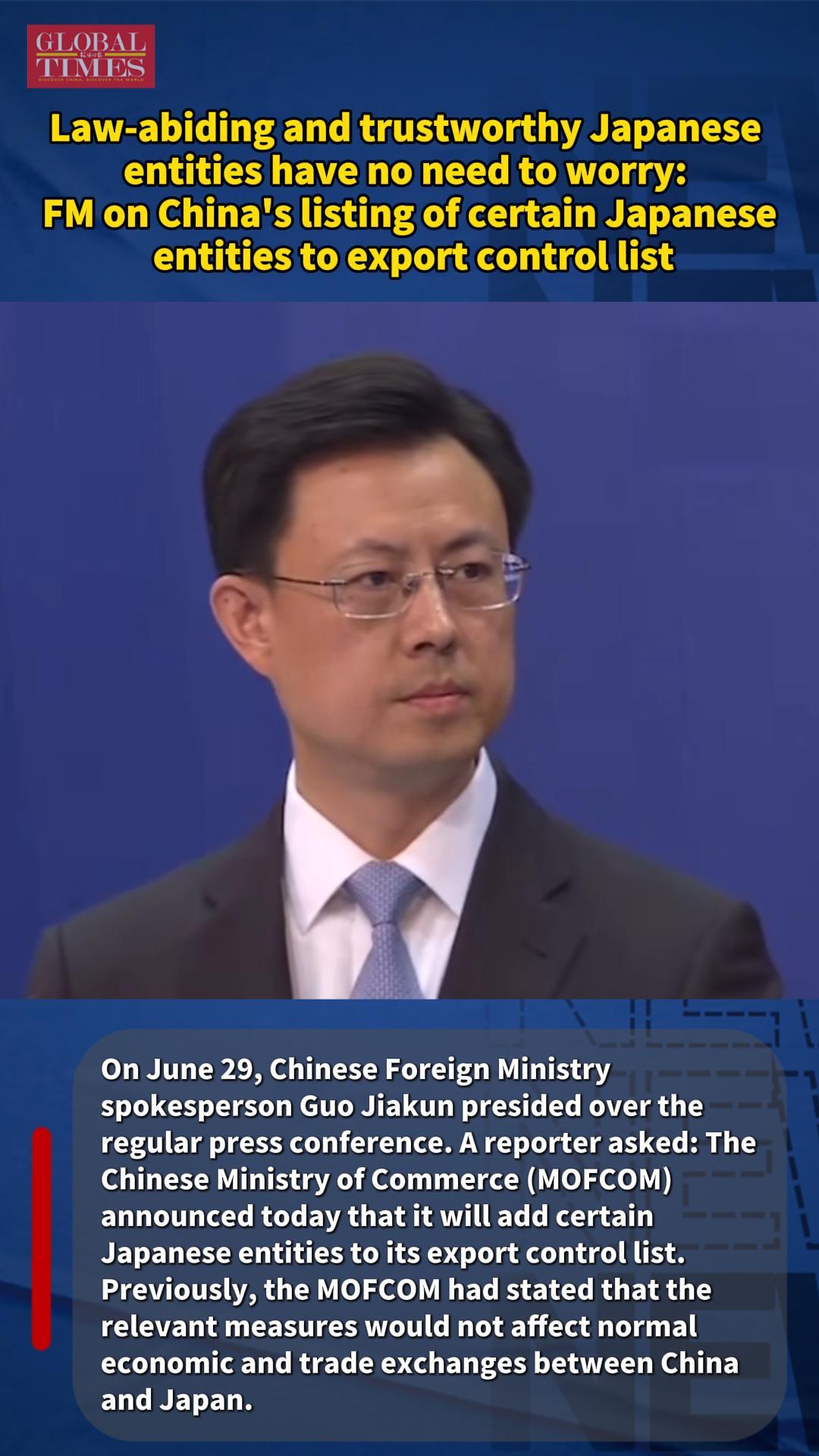
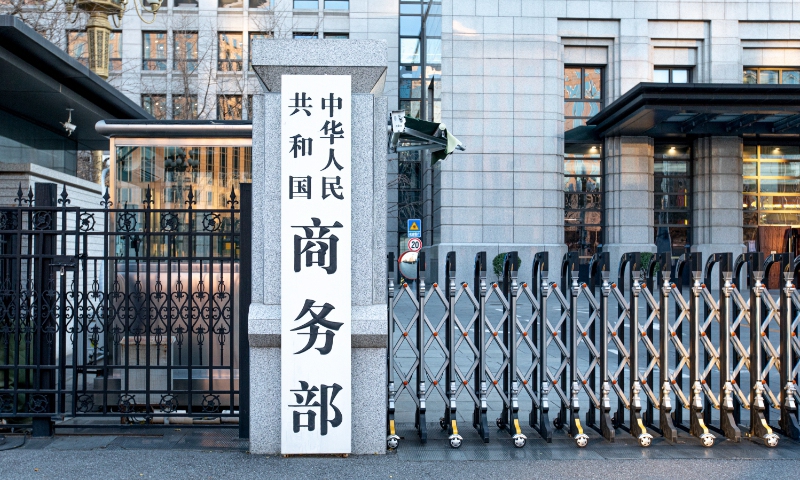
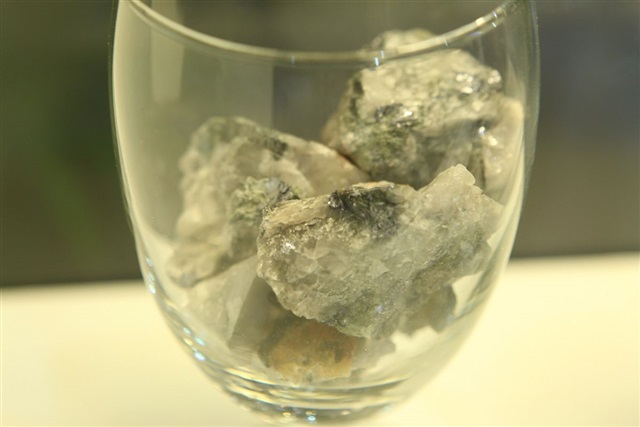
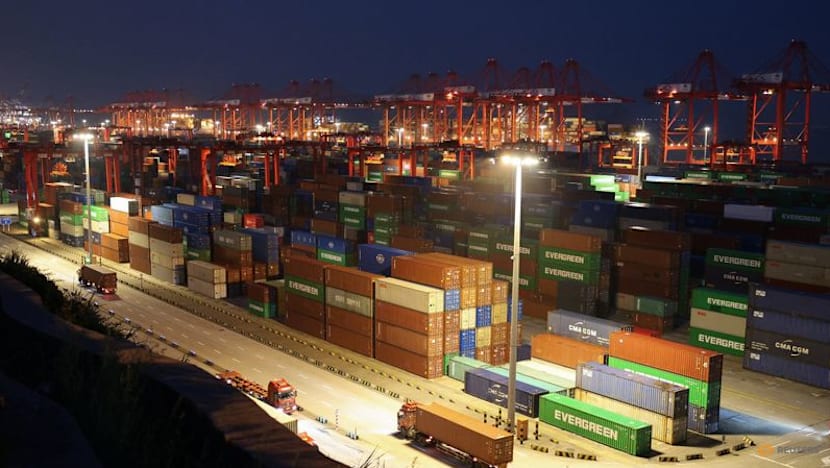
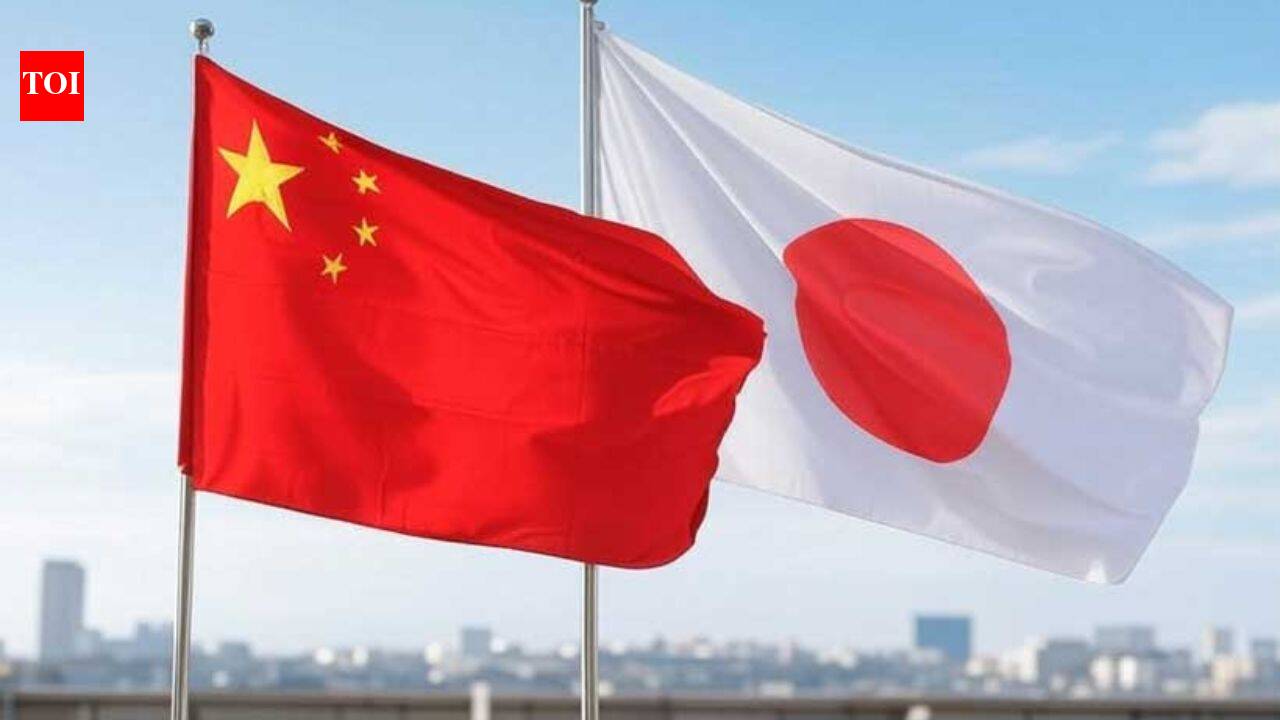
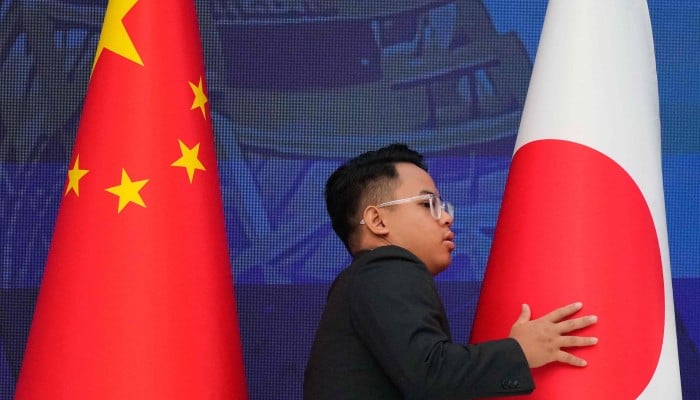
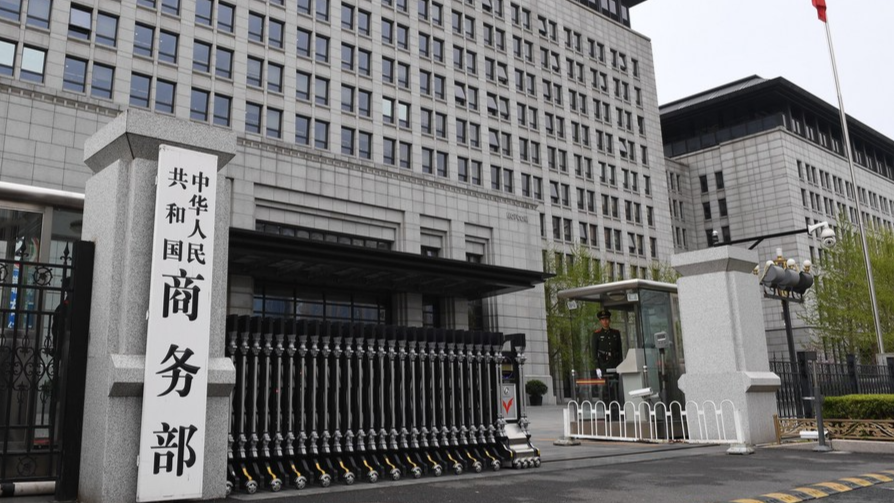
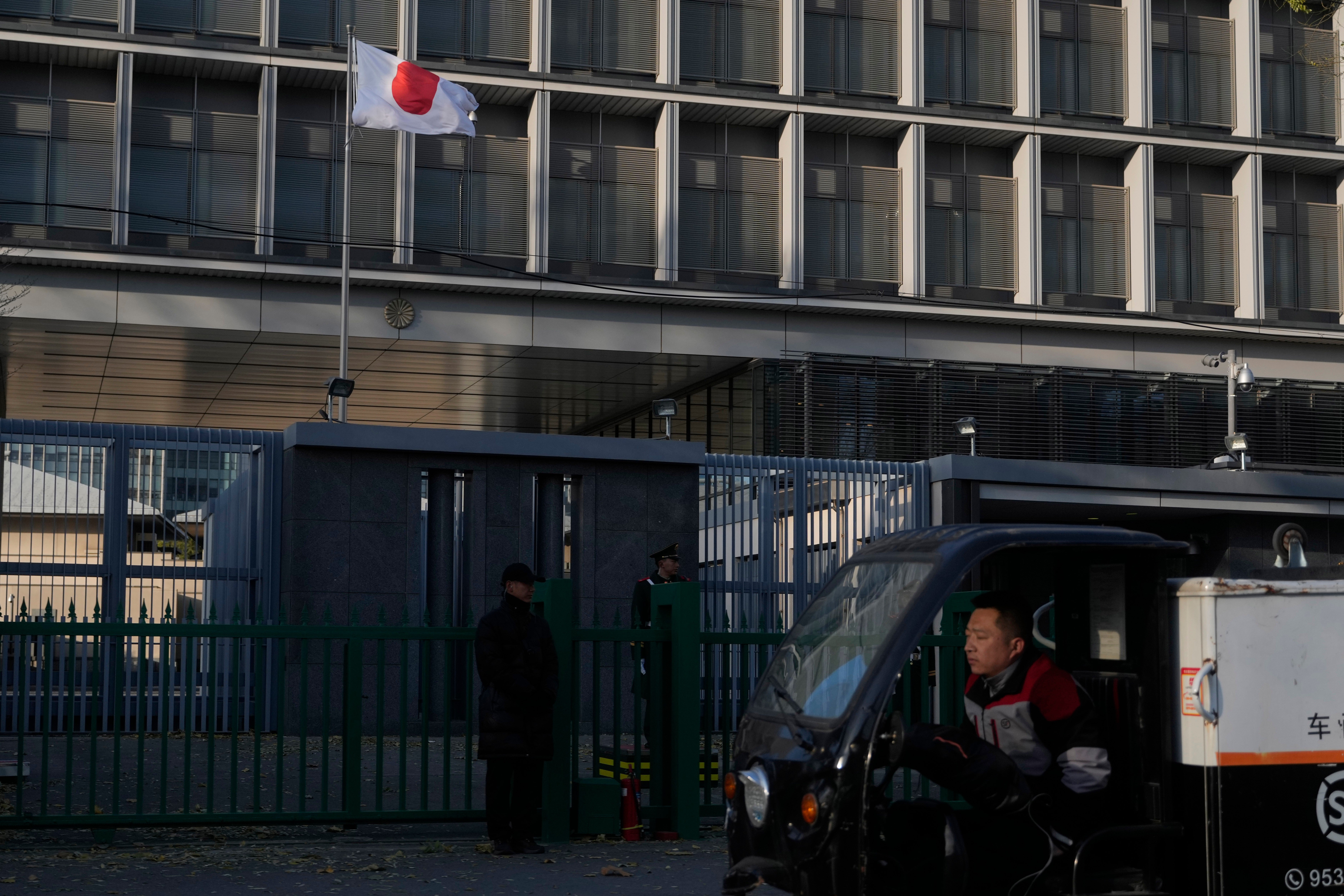
China's escalating export controls on Japan represent a critical geopolitical supply chain shock for cross-border e-commerce sellers. Between January and June 2026, China's Ministry of Commerce blacklisted 20 Japanese entities and placed another 20 on enhanced licensing watch lists, effective immediately as of June 28-29, 2026. Targeted companies include Mitsubishi Electric, Mitsubishi Heavy Industries, Hitachi, Komatsu, OKI Electric Industry, and Terra Drone Corporation. The restrictions prohibit transfer of Chinese-origin dual-use items—rare earth minerals, permanent magnets, and critical minerals—creating immediate supply chain fractures for sellers dependent on Japanese component sourcing.
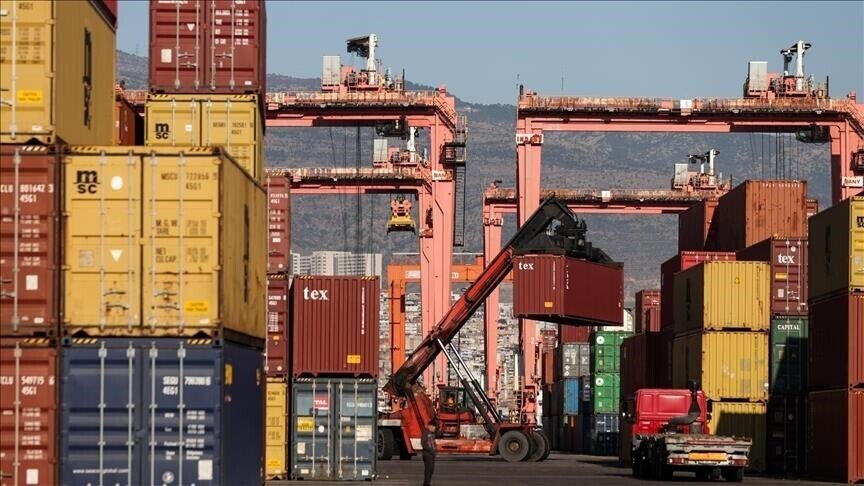
The economic magnitude is substantial: economist Koki Akimoto at Daiwa Institute of Research estimates a one-year cutoff of Chinese rare earth imports would reduce Japan's real GDP by 1.3% ($43.3 billion/7 trillion yen). This signals severe supply constraints rippling through global electronics, automotive, and industrial equipment categories. For cross-border sellers, the immediate impacts include: (1) Component sourcing delays: Japanese manufacturers reliant on Chinese rare earths and permanent magnets face 3-6 week production delays, directly affecting sellers importing finished goods or components; (2) Cost escalation: Sellers must absorb 15-30% cost increases as Japanese suppliers seek alternative rare earth sources from Vietnam, Australia, or domestic processing (Japan has invested since 2010 in domestic refining but remains 60-70% dependent on China/Vietnam); (3) Compliance complexity: Dual-use item classifications create regulatory uncertainty—sellers must verify whether products contain restricted materials, requiring enhanced documentation and potential customs delays.
Market-specific opportunities emerge for sellers willing to pivot sourcing strategies. The restrictions create tariff arbitrage windows: sellers can shift sourcing from Japan-based manufacturers (now facing Chinese material constraints) to Vietnamese, South Korean, or Indian suppliers of equivalent electronics and components. Vietnam's rare earth processing capacity and India's growing electronics manufacturing offer 8-12% cost advantages over Japan-constrained supply chains. Additionally, sellers in non-defense categories (consumer electronics, appliances, industrial tools) can capitalize on Japanese manufacturers' need to liquidate inventory before supply chains fully break—expect 20-35% discounting on Japanese-branded products through Q3 2026. The restrictions specifically target defense-related applications, leaving civilian consumer electronics relatively unaffected, creating a 60-90 day window to source Japanese products at depressed prices before alternative sourcing stabilizes.
Timing is critical: the policy took effect immediately on June 28-29, 2026, with no transition period. Sellers with existing Japanese supplier relationships must audit their supply chains within 14 days to identify rare earth/permanent magnet dependencies. Companies sourcing from blacklisted entities (Mitsubishi Electric, Mitsubishi Heavy Industries) face immediate shipment blocks; those on the watch list (20 additional entities) face enhanced licensing scrutiny adding 2-3 weeks to approval cycles. The geopolitical driver—Prime Minister Sanae Takaichi's November 2025 comments about potential military response to Chinese Taiwan action—suggests this policy will persist for 12+ months, making temporary workarounds insufficient. Sellers must commit to permanent sourcing diversification by Q3 2026 to avoid margin compression.
Questions 8
How do China's export controls on Japan affect sellers sourcing Japanese electronics?
China's blacklisting of 20 Japanese entities (including Mitsubishi Electric and Mitsubishi Heavy Industries) and watchlisting of 20 more as of June 28-29, 2026, immediately blocks shipments of rare earth minerals and permanent magnets to these companies. For cross-border sellers importing Japanese-manufactured electronics, components, or finished goods, this creates 3-6 week production delays and 15-30% cost increases as Japanese suppliers scramble to source rare earths from Vietnam, Australia, or domestic processors. Sellers must audit their supplier relationships within 14 days to identify exposure to blacklisted entities and plan alternative sourcing by Q3 2026 to avoid margin compression.
Which product categories are most vulnerable to Japan-China export control disruptions?
Electronics (semiconductors, circuit boards, industrial controls), automotive components (sensors, magnets, rare earth alloys), industrial equipment (motors, generators, precision tools), and defense-adjacent products face the highest risk. The restrictions specifically target dual-use items containing rare earths and permanent magnets. Consumer electronics, appliances, and non-defense industrial tools remain relatively unaffected, creating a 60-90 day window for sellers to source Japanese-branded products at 20-35% discounts before supply chains stabilize. Sellers in these lower-risk categories should capitalize on Japanese manufacturer inventory liquidation through Q3 2026.