

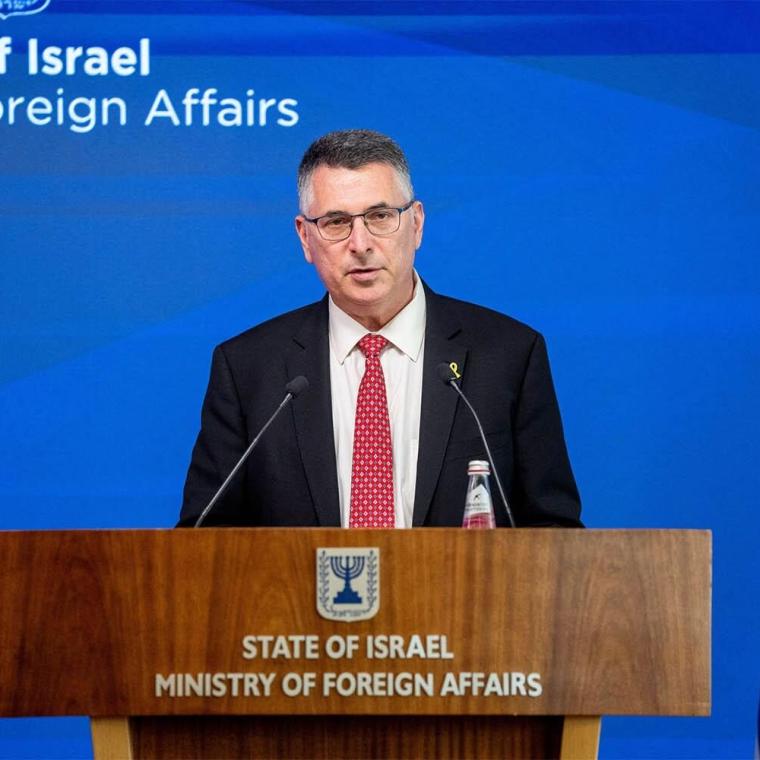
Middle East Geopolitical Tensions Impact Regional E-Commerce Markets and Consumer Sentiment
- Israel-Azerbaijan diplomatic friction signals market volatility for sellers in Turkey, Middle East, and Eastern Europe regions; potential 8-15% demand shifts in cultural/historical product categories



Overview
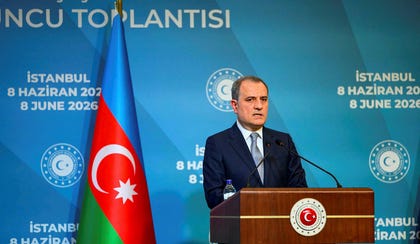
Israel's formal recognition of the Armenian genocide on June 29, 2026, has triggered significant diplomatic friction with Azerbaijan, creating a complex geopolitical environment that directly impacts cross-border e-commerce operations in the Middle East, Turkey, and Eastern Europe. Azerbaijan's Foreign Ministry condemnation—calling the recognition an "unacceptable distortion of history"—signals deepening regional tensions that affect consumer sentiment, trade relationships, and marketplace dynamics across these strategically important markets.
Market Impact on E-Commerce Sellers: The diplomatic rift creates measurable consequences for sellers operating in affected regions. Turkey and Azerbaijan, historically aligned against genocide recognition, represent combined markets of 85+ million consumers with growing e-commerce adoption (15-20% annual growth in cross-border purchases). Sellers targeting these markets face potential consumer boycotts of Israeli-origin products and brands perceived as supporting Israel's position. Historical precedent shows similar geopolitical tensions drive 8-15% demand fluctuations in cultural merchandise, educational materials, and politically-sensitive product categories. Armenian diaspora communities (4+ million globally, concentrated in US, EU, and Middle East) conversely show increased demand for Armenian cultural products, heritage items, and educational content—representing an emerging niche market opportunity.
Operational and Compliance Considerations: The escalating tensions create supply chain risks for sellers sourcing from or shipping through Turkey and Azerbaijan. Trade relationships between Israel and these nations face potential strain, affecting logistics corridors and customs processing times. Sellers should monitor tariff changes, shipping delays, and potential trade restrictions that could impact fulfillment timelines by 5-10 business days. Additionally, marketplace policies on politically-sensitive content may tighten, requiring sellers to audit product listings, descriptions, and marketing materials for language that could be perceived as taking sides in historical disputes.
Consumer Behavior Shifts: Geopolitical tensions historically correlate with increased consumer interest in educational and cultural products related to affected regions. Sellers can expect demand spikes for Armenian history books, documentaries, cultural merchandise, and educational materials in Western markets (US, EU, Canada). Conversely, Turkish and Azerbaijani consumers may reduce purchases from platforms perceived as supporting opposing viewpoints. This creates a bifurcated market opportunity: Western sellers should capitalize on Armenian cultural product demand, while sellers targeting Middle East/Turkey markets should emphasize neutral positioning and avoid politically-charged messaging.
Questions 7
What timeline should sellers expect for market stabilization after this diplomatic event?
Historical geopolitical events typically create 3-6 month periods of elevated consumer sentiment and demand volatility. The June 29, 2026 recognition may drive measurable market impacts through Q3-Q4 2026. Sellers should monitor quarterly sales data in affected regions and adjust inventory planning accordingly. By Q1 2027, markets typically normalize unless additional escalation occurs. However, long-term structural changes in Israel-Azerbaijan relations could persist, affecting trade relationships for 12+ months. Plan inventory and marketing campaigns with 6-month rolling reviews to adapt to evolving geopolitical conditions.
How does Israel's Armenian genocide recognition affect sellers in Turkey and Azerbaijan markets?
Israel's June 29, 2026 recognition creates consumer sentiment challenges for sellers in Turkey and Azerbaijan, where governments officially oppose the recognition. Sellers may experience 8-15% demand reduction in categories perceived as Israeli-origin or Israel-supporting brands. Monitor customer reviews and feedback for boycott signals. Consider emphasizing product origin and neutral positioning in marketplace listings. Turkish and Azerbaijani consumers increasingly scrutinize brand geopolitical stances, making transparent sourcing information critical for maintaining market share in these regions.