


Semiconductor Shortage Drives Gaming Hardware Prices Up 2.5x | Seller Pricing Strategy Shift Required Through 2027
- Memory and storage component costs locked in at elevated levels for 5+ years; gaming electronics sellers face structural margin compression requiring immediate inventory and pricing repositioning
Overview
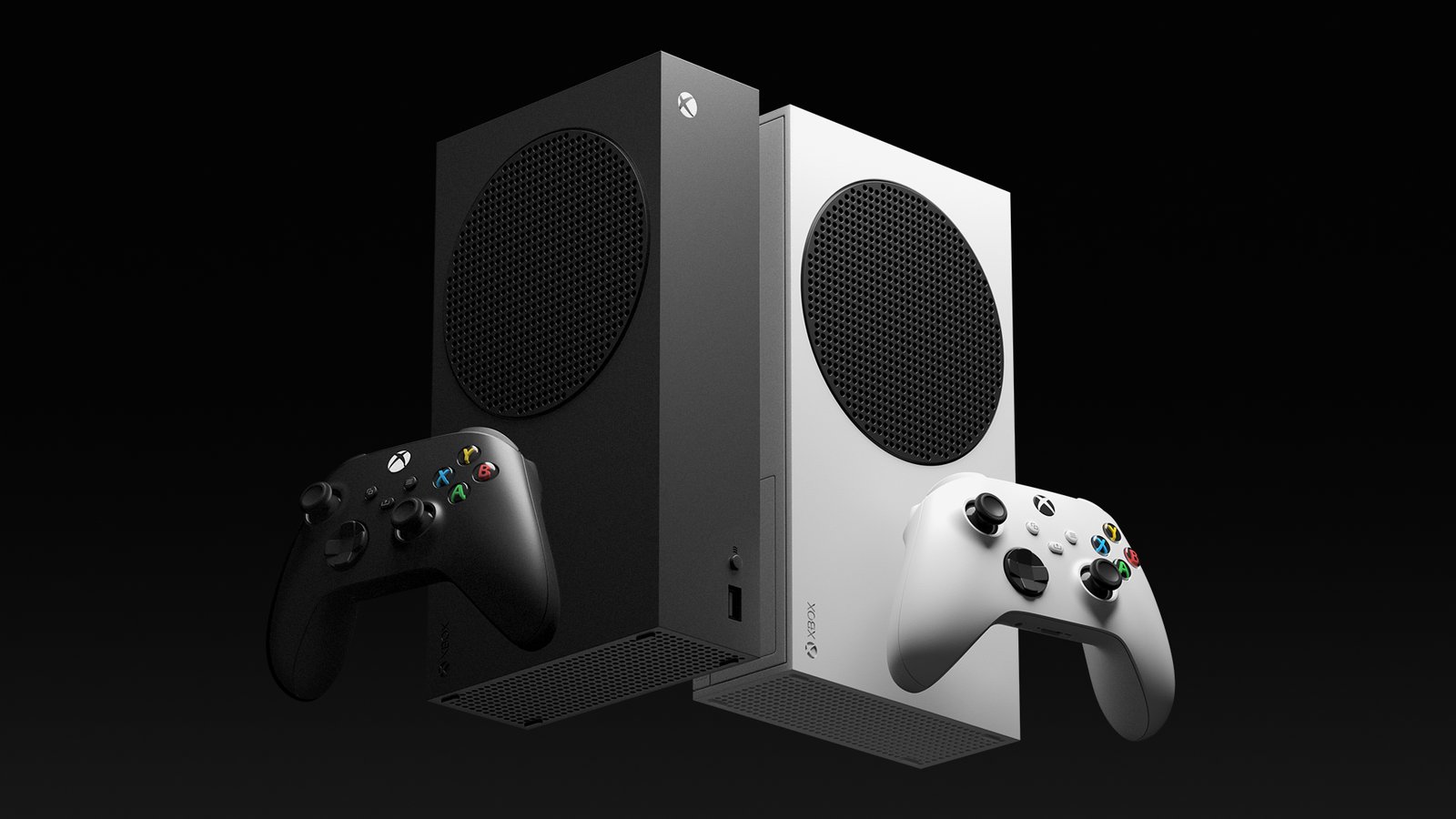
The semiconductor supply crisis is fundamentally reshaping gaming hardware economics for e-commerce sellers. Major technology companies—Microsoft, Apple, Micron, and Lenovo—have issued coordinated warnings that gaming hardware and consumer electronics prices will remain structurally elevated through at least 2027, with no return to pre-2023 pricing levels. Microsoft specifically reported console storage and memory prices have increased by more than 2.5x, with expectations for another doubling by fall 2027. This represents a permanent shift, not a temporary market fluctuation.
The root cause: AI infrastructure is competing directly with gaming hardware for limited semiconductor supplies. Apple attributed price increases to "unprecedented demand for memory and storage components driven by rapid AI data center expansion." Micron, a critical memory supplier, has locked in elevated pricing for the next five years and revealed that industry semiconductor investments were shut down in 2023 due to poor pricing and margins. This supply constraint is structural—manufacturers do not expect resolution quickly. The convergence of AI data center buildout and gaming console production competing for the same semiconductor wafer capacity creates sustained cost pressures throughout 2026 and beyond.
For e-commerce sellers, this creates three immediate challenges: (1) Margin compression on gaming hardware categories—sellers stocking PlayStation 6, Microsoft's next-generation consoles, and PC gaming systems like Valve's Steam Machine face 40-60% higher COGS compared to 2022 levels, directly reducing profit margins on products already facing price sensitivity from consumers; (2) Inventory valuation risk—existing stock purchased at lower costs will face competitive pressure from new shipments at elevated prices, while slow-moving inventory becomes a cash flow liability; (3) Customer acquisition cost inflation—higher retail prices reduce conversion rates on gaming hardware, requiring sellers to increase PPC spend or accept lower sales velocity. Lenovo's executive director Martin Hiegl stated prices will "never" return to previous levels, signaling this is a permanent business model reset for the gaming hardware category.
AI-powered competitive opportunities emerge for sellers who act immediately: Sellers can use dynamic pricing algorithms to model margin scenarios across different price points and inventory turnover rates, identifying the optimal balance between volume and profitability. Predictive analytics can forecast which gaming subcategories (peripherals, accessories, refurbished units) will maintain better margins as primary hardware becomes commoditized. Sentiment analysis on gaming forums and social media reveals which customer segments are most price-sensitive versus willing to pay premiums for specific features, enabling targeted marketing. Sellers should immediately audit their gaming hardware inventory, calculate true landed costs including the 2.5x memory component multiplier, and reposition pricing strategies to reflect the new cost structure before competitors establish market share at the new price equilibrium.
Questions 8
Which gaming hardware categories will be most affected by the price increases?
Next-generation gaming consoles including Microsoft's upcoming hardware, Sony's PlayStation 6, and PC gaming systems like Valve's Steam Machine will face the most severe price increases due to their high memory and storage component content. Console storage and memory represent the largest cost drivers, increasing 2.5x already. Sellers should expect 40-60% margin compression on primary gaming hardware while gaming peripherals and accessories may maintain better margins. Refurbished gaming hardware could become a higher-margin alternative as new console prices rise.
What immediate actions should sellers take to protect margins on gaming hardware inventory?
Sellers should immediately audit current gaming hardware inventory and recalculate landed costs using the 2.5x memory component multiplier reported by Microsoft. Implement dynamic pricing algorithms to model margin scenarios across different price points and inventory turnover rates. Use predictive analytics to identify which gaming subcategories (peripherals, accessories, refurbished units) will maintain better margins as primary hardware becomes commoditized. Consider shifting inventory mix toward higher-margin gaming accessories and away from primary hardware. Update pricing within 30 days to reflect the new cost structure before competitors establish market share.