



UK Political Instability & Brexit Legacy | Cross-Border Seller Risk Assessment 2024-2025
- 10-year Brexit anniversary marks renewed regulatory uncertainty for EU-UK sellers; political transitions signal potential customs/VAT policy shifts affecting 50K+ cross-border merchants








Overview
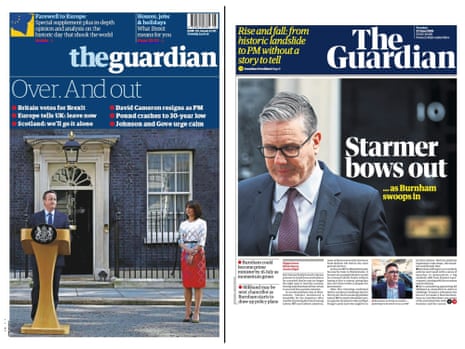
The 10-year anniversary of the Brexit referendum (June 24, 2016) coincides with significant UK political transition, as Prime Minister Keir Starmer's resignation marks the second major leadership change directly tied to Brexit consequences. David Cameron's 2016 departure followed the unexpected Leave vote, while Starmer's exit reflects ongoing political instability rooted in the same Brexit faultline. For cross-border e-commerce sellers, this political turbulence signals heightened regulatory risk during a critical period when UK-EU trade frameworks remain unsettled and subject to renegotiation.
The Brexit Impact on Seller Operations: The article emphasizes how Brexit represents a "fundamental rupture in the nation's political landscape" with reverberations through subsequent leadership changes. This instability directly affects sellers operating in UK-EU corridors through three mechanisms: (1) Customs Uncertainty – Political transitions historically precede regulatory reviews; the Good Friday Agreement concerns mentioned in the news highlight potential tariff/customs duty changes affecting Northern Ireland-EU trade routes; (2) VAT Compliance Volatility – Leadership changes often trigger tax policy reviews; sellers with UK VAT registrations face potential rate adjustments or threshold modifications; (3) Trade Agreement Renegotiation Risk – The article notes media coverage focused on "customs unions" and "trade arrangements" rather than technical details, suggesting public/political confusion about current frameworks. This confusion creates enforcement inconsistency.
Seller Segments Most Affected: Cross-border sellers shipping from EU to UK (or vice versa) face the highest risk, particularly those in electronics, apparel, and home goods categories where tariff sensitivity is highest. Small sellers (£1-10M annual revenue) with limited compliance infrastructure are most vulnerable to sudden policy changes, while larger sellers with dedicated trade compliance teams can absorb regulatory shifts more easily. The article's reference to "unprecedented constitutional uncertainty regarding Scotland and Northern Ireland" specifically threatens sellers using Northern Ireland as a logistics hub for EU access—a common strategy to minimize post-Brexit friction.
Forward-Looking Regulatory Signals: Political instability typically precedes policy announcements. The 10-year anniversary moment creates a natural inflection point for UK government review of Brexit implementation. Sellers should anticipate potential announcements regarding: customs duty harmonization (Q1-Q2 2025), VAT threshold adjustments (typical in spring budgets), and Northern Ireland Protocol modifications (ongoing negotiation point). The article's emphasis on how "right-wing media campaigned against EU membership for nearly a decade" suggests sustained political pressure for harder Brexit positions, which could manifest in stricter customs enforcement or reduced trade facilitation measures.
Questions 7
How does UK political instability affect my cross-border seller operations?
UK political transitions, particularly those tied to Brexit implementation, create regulatory uncertainty that directly impacts customs procedures, VAT compliance, and tariff rates. The article highlights how the 10-year Brexit anniversary coincides with leadership change, signaling potential policy reviews. Sellers shipping to/from UK should expect possible announcements regarding customs duty harmonization or VAT threshold adjustments within 6 months. Monitor UK government trade policy announcements weekly and maintain flexibility in pricing strategies to absorb potential tariff increases of 5-15% on affected categories.
What specific customs risks should sellers monitor given the political transition?
The article emphasizes constitutional uncertainty regarding Scotland and Northern Ireland, particularly concerning the Good Friday Agreement. This directly threatens sellers using Northern Ireland as a logistics hub for EU access—a common post-Brexit strategy. Political transitions typically precede customs enforcement reviews. Sellers should: (1) audit current Northern Ireland shipment routes for compliance gaps, (2) verify that goods meet Rules of Origin requirements (minimum 45% UK/EU content), (3) prepare for potential stricter customs documentation requirements. The risk window is highest during Q1-Q2 2025 when new government typically announces trade policy.