



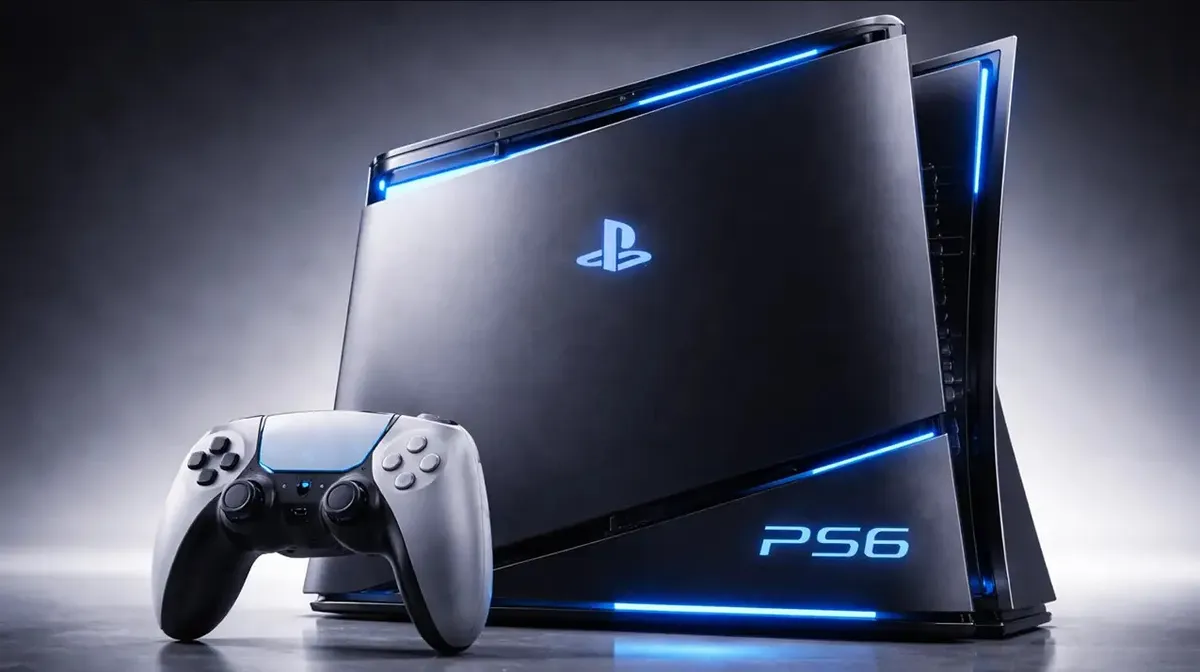

PS6 2027 Launch & $960 BOM Crisis | Gaming Hardware Sellers Face Margin Compression & Accessory Opportunity Window
- DRAM pricing locks in $200+ cost increases through 2028; PS6 retail prices projected $850-$950; creates 18-month accessory/peripheral sales window before console saturation


Overview
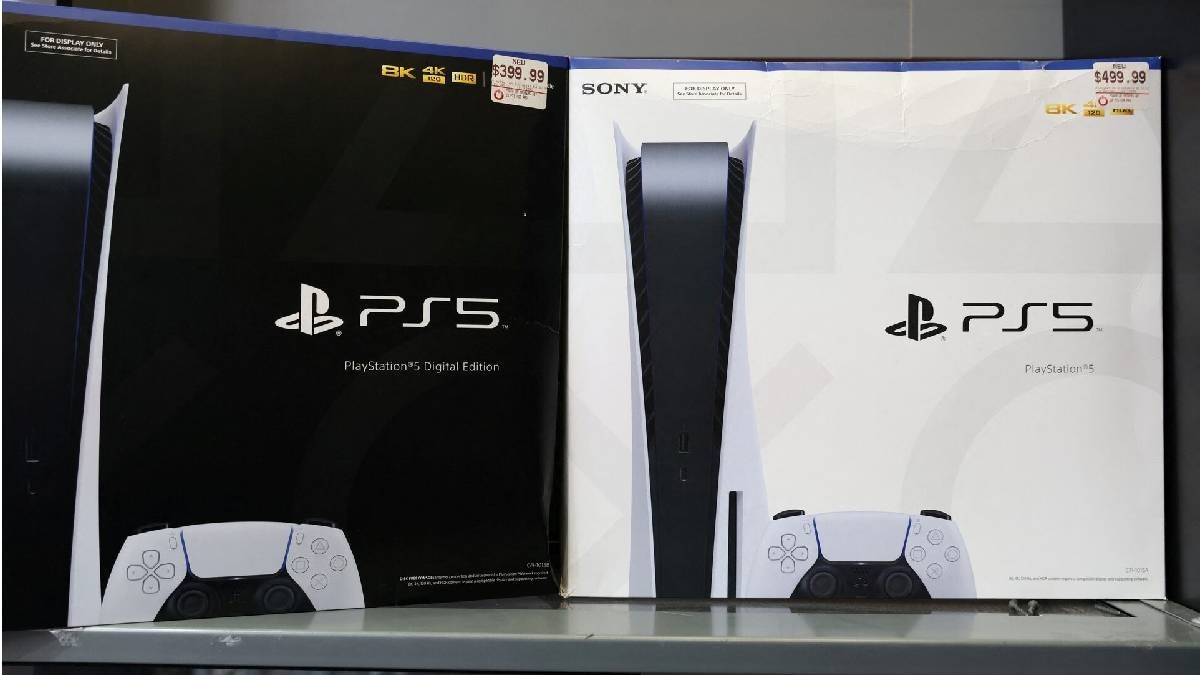
Sony's PlayStation 6 faces a critical hardware cost crisis that reshapes the gaming accessory and peripheral market for cross-border sellers. According to hardware leaker KeplerL2, the PS6's bill of materials (BOM) has surged approximately $200 since previous estimates, reaching ~$960 total—driven by persistent DRAM pricing pressures expected through 2028. Current market projections place the PS6 Digital Edition at $850-$899 retail and Disc Edition at $950+, representing a significant jump from PS5's $499-649 pricing. This mirrors Sony's April 2026 PS5 price increase to $649.99 and Microsoft's subsequent $100-150 Xbox Series price hikes, signaling industry-wide component cost pressures.
The strategic timing conflict reveals a critical seller opportunity window. News 2 indicates Sony will launch in 2027 (not 2028) to position the PS6 before NVIDIA's RTX 60 Series (2028) and AMD's RDNA 5 (2027) GPU launches intensify PC gaming competition. This 2027 launch creates an 18-month window (2027-2028) where PS6 early adopters will drive demand for accessories, controllers, charging docks, headsets, and storage solutions—before PC gaming becomes a more affordable alternative at comparable price points. Memory manufacturers like Micron have locked multi-year contracts, constraining supply and maintaining elevated component pricing through the PS6 window.
For e-commerce sellers, this creates three distinct market phases: (1) Pre-Launch (2025-2027): Demand for PS5 accessories remains strong as consumers delay upgrades; sellers should maximize PS5 peripheral inventory. (2) Launch Window (2027-2028): PS6 accessory demand spikes as early adopters purchase complementary products; third-party controller, headset, and storage sellers can capture 30-40% margin premiums on new-generation products. (3) Post-2028: PC gaming competition intensifies as GPU prices drop, potentially reducing console accessory demand by 15-25% as consumers shift to PC peripherals. The higher PS6 retail price ($850-950 vs. PS5's $499 launch) creates consumer price sensitivity—making affordable accessories and bundles more attractive than premium options. Sellers should monitor Micron's contract terms and DRAM spot prices through 2027 to anticipate potential BOM cost reductions post-launch, which could trigger PS6 price cuts (historical precedent: PS3 price reductions) and accessory margin compression.
Questions 8
How much will PS6 cost at launch and why is pricing so high?
PS6 is projected to retail at $850-$899 for the Digital Edition and $950+ for the Disc Edition, compared to PS5's $499-649 launch pricing. The $200+ increase in bill of materials (BOM) costs—driven by DRAM pricing pressures and multi-year contracts locked by manufacturers like Micron—forces Sony to pass costs to consumers. News 1 confirms the PS6 BOM has risen to approximately $960, reflecting a persistent RAM crisis expected through 2028. This pricing mirrors Sony's April 2026 PS5 price increase to $649.99 and Microsoft's $100-150 Xbox Series hikes. For sellers, this higher console price point reduces consumer purchasing power for accessories, making affordable third-party peripherals more competitive than premium options.
Why is Sony launching PS6 in 2027 instead of delaying for cheaper components?
According to leaker Moore's Law Is Dead (MLID), Sony prioritizes value positioning over component cost reductions. Launching in 2027 positions the PS6 before NVIDIA's RTX 60 Series (2028) and AMD's RDNA 5 (2027) arrive, which will intensify DIY PC gaming competition and drive down PC component prices. Delaying until 2028 risks consumers opting for comparably-priced or more powerful custom-built PCs instead. Sony has historical precedent for post-launch price reductions (PS3 example), allowing flexibility to adjust pricing if DRAM costs improve after release. This timing strategy creates an 18-month window (2027-2028) where PS6 accessories will see peak demand before PC gaming becomes a more affordable alternative.