


Game Pass Deal Freeze Signals Subscription Model Shift | Digital Product Sellers Watch
- Microsoft pauses third-party Game Pass negotiations, affecting indie developers and digital marketplace dynamics; subscription service economics reshape across platforms


Overview
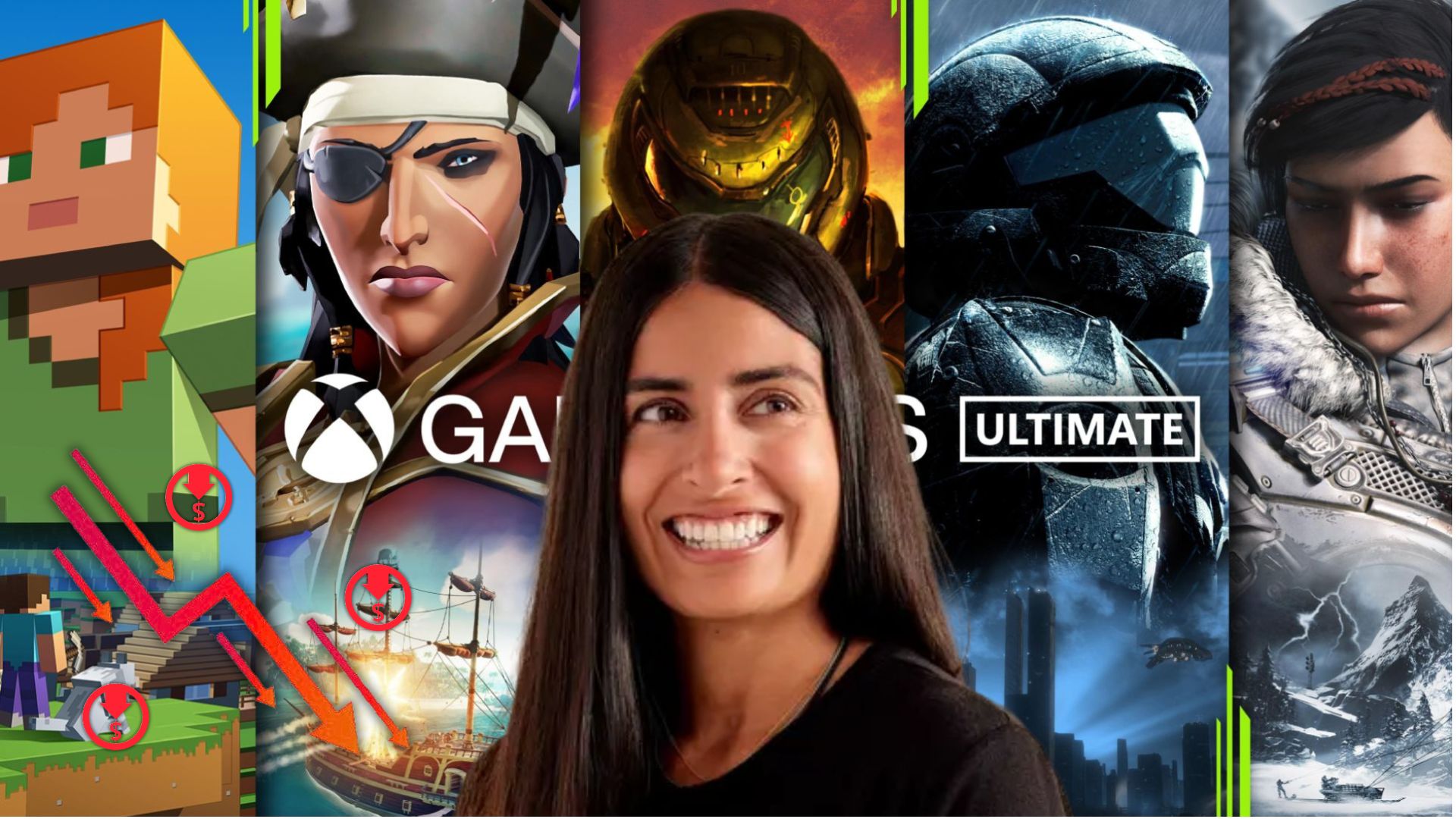
Microsoft's Xbox division has reportedly suspended new third-party Game Pass subscription deals, creating significant operational uncertainty for independent game developers who relied on guaranteed revenue from platform partnerships. According to Fernando Rizo of Kaboodle Games, developers in advanced negotiations suddenly had deals frozen as Microsoft reassesses its subscription service economics under new CEO Asha Sharma. The pause follows a 50% Game Pass price increase that triggered subscriber losses, subsequent price reductions, and Xbox console price increases of $100-$150, signaling a fundamental recalibration of Microsoft's gaming business strategy.
The suspension affects both new third-party contracts and titles in early negotiations, with multiple developers confirming the freeze at the B2B First Playable trade show in Italy. This represents a critical shift in how platform operators manage content acquisition costs—a pattern with broader implications for digital product distribution. Game Pass historically provided indie and mid-tier developers with guaranteed revenue streams, mitigating market risk compared to traditional publishing. The freeze threatens planned launches and promotional strategies for studios that structured projects around Game Pass revenue guarantees. Industry sources suggest Xbox is evaluating alternative approaches, including flexible pricing tiers and potential first-party-only subscription options, though the company has not officially confirmed timelines for lifting the freeze.
For digital product sellers and marketplace operators, this development reveals how subscription service economics are being stress-tested across platforms. The pause reflects Xbox's struggle to balance subscriber acquisition costs against content licensing expenses—a challenge that extends to Amazon Prime Video, Netflix gaming, and other subscription platforms competing for content. The 50% price increase followed by reductions demonstrates that platform operators are experimenting with pricing elasticity and content exclusivity strategies. Microsoft's 100 million subscriber target by 2030 requires significant content investment, yet the current trajectory suggests the company is prioritizing profitability over growth. This indicates a broader industry shift toward sustainable unit economics in subscription services, with implications for how platforms value third-party content partnerships and how independent creators should diversify revenue streams beyond single-platform dependencies.
Questions 8
Why did Microsoft pause Game Pass third-party developer deals?
Microsoft is reassessing Game Pass economics after a 50% price increase triggered significant subscriber losses that remained depressed even after subsequent price reductions. CEO Asha Sharma's strategic recalibration involves evaluating the entire subscription model's viability, including content acquisition costs. The pause allows Microsoft to evaluate alternative approaches such as flexible pricing tiers and potential first-party-only options. The company aims to reach 100 million subscribers by 2030, but current trajectory suggests fundamental changes are necessary to achieve sustainable profitability while maintaining competitive positioning against rival subscription platforms.
How does this affect independent game developers?
The freeze creates immediate operational uncertainty for indie studios that structured projects around guaranteed Game Pass revenue. Developers in advanced negotiations suddenly lost deal momentum, with Fernando Rizo of Kaboodle Games describing the situation as 'everybody got the rug pulled out from under them.' Game Pass historically provided indie developers with guaranteed revenue that mitigated market risk compared to traditional publishing. The suspension threatens planned launches and promotional strategies, forcing developers to diversify revenue streams or seek alternative distribution channels. The freeze's duration remains unclear, creating cash flow and planning challenges for independent studios.