





DRAM Price-Fixing Lawsuit Threatens Electronics Sellers | 700% Cost Surge Impact
- Samsung, SK Hynix, Micron face June 2026 antitrust lawsuit; DRAM prices surged 700% since 2022; electronics sellers face 8-15% margin compression on laptops, desktops, gaming devices








Overview
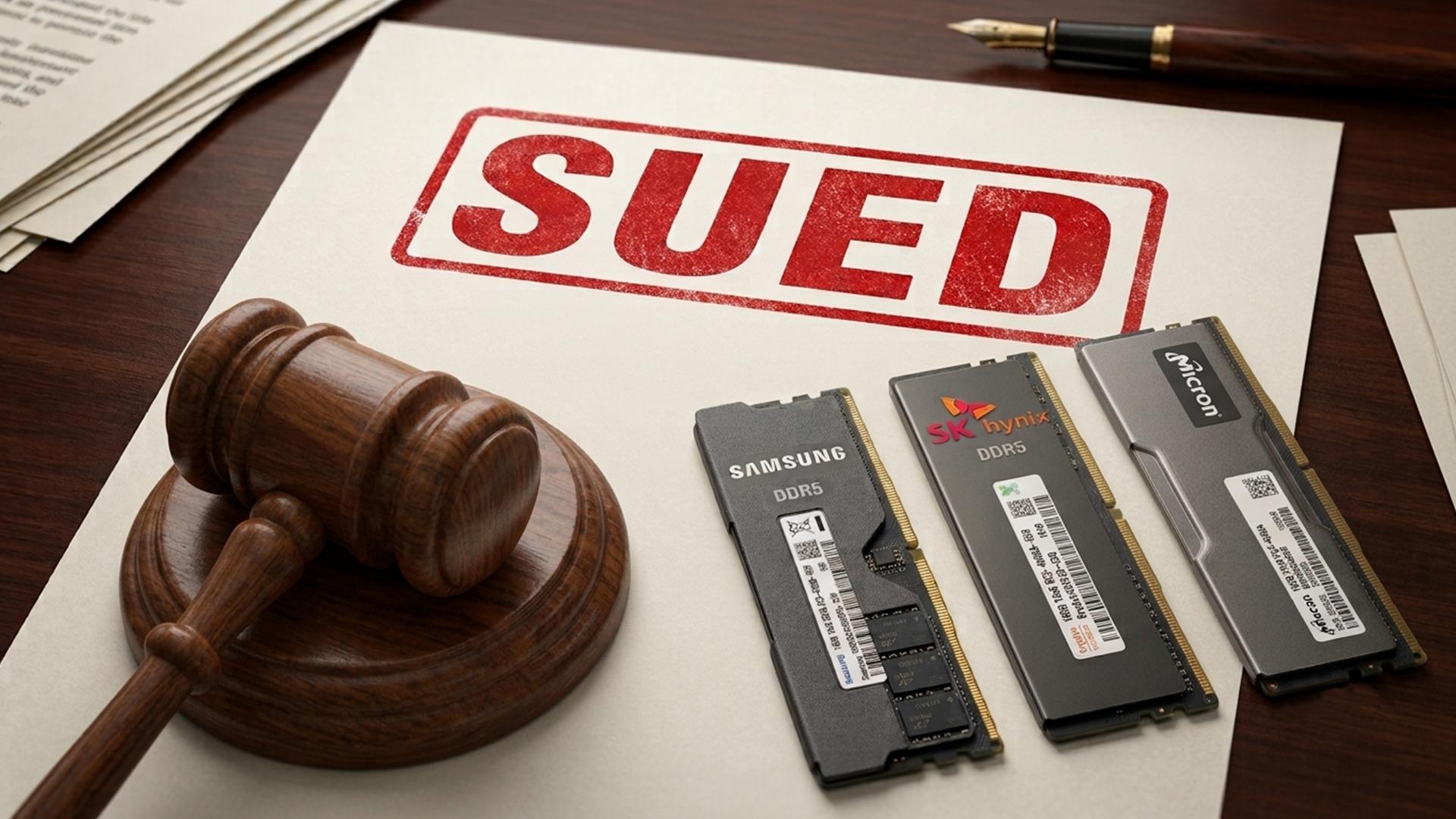
The DRAM price-fixing lawsuit filed June 25, 2026 (Case 23:26-cv-06345) against Samsung, SK Hynix, and Micron represents a critical supply chain crisis for cross-border electronics sellers. The three companies control nearly the entire global DRAM market and allegedly conspired to restrict conventional memory supply while shifting production to high-bandwidth memory (HBM) for AI data centers, causing conventional DRAM prices to surge approximately 700% over four years starting from 2022. Judge Noel Wise oversees the case in the U.S. District Court for the Northern District of California, with plaintiffs including JB Tech Solutions LLC and Troy's Computers LLC seeking treble damages and injunctive relief.
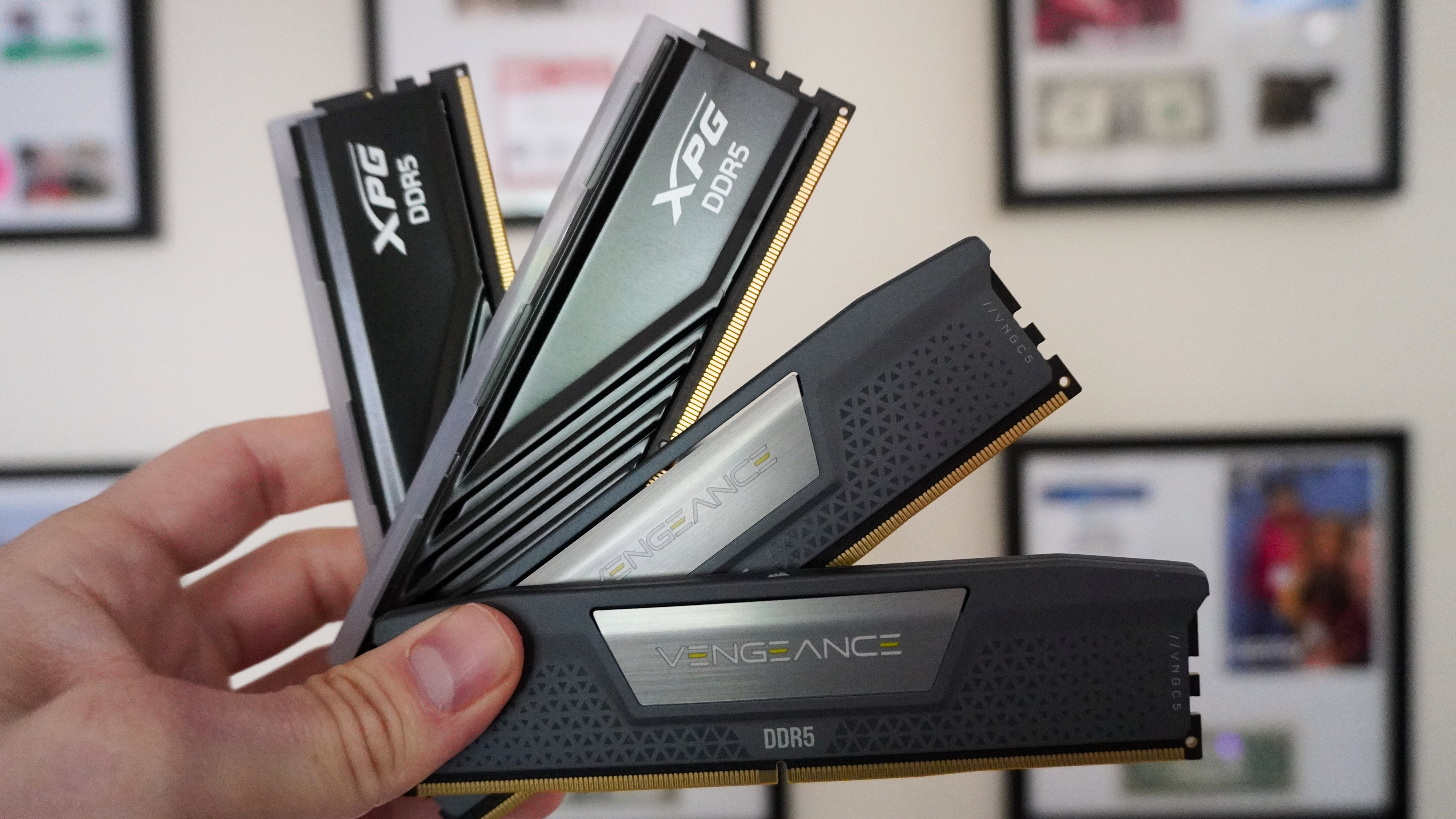
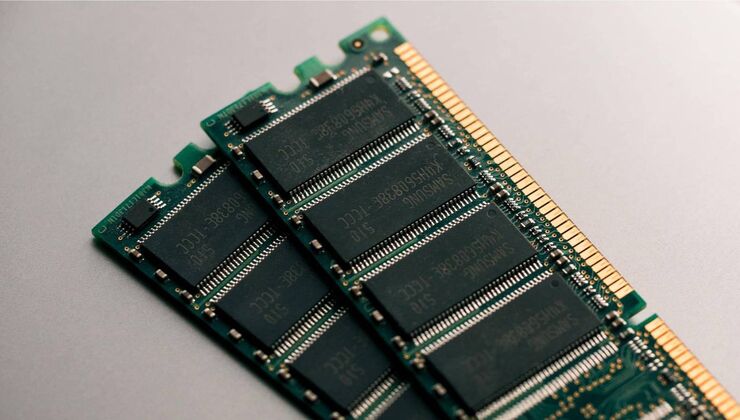
For electronics sellers on Amazon, eBay, and Shopify, this lawsuit exposes a fundamental supply constraint that directly impacts product costs and margins. Micron's 2025 shutdown of its consumer-facing Crucial DRAM business—described as occurring at its "most profitable point in its history"—signals deliberate market abandonment of consumer segments. The three manufacturers have secured multi-year partnerships extending through 2030 with AI data center operators, explicitly prioritizing enterprise customers over consumer markets. This creates a two-tier supply system: enterprise buyers receive stable, long-term contracts while consumer electronics sellers face volatile spot market pricing with limited inventory access. Sellers sourcing laptops, desktops, gaming PCs, and memory modules from ODMs and contract manufacturers face 8-15% margin compression as component costs remain elevated. The lawsuit echoes a 2005 DOJ settlement where Samsung paid $300 million in criminal fines for DRAM price-fixing between 1999-2002, indicating this is the third alleged price-fixing cycle involving these same companies.
The compliance and market structure implications are severe: $15-20 billion barriers to entry for new DRAM fabrication prevent competitive discipline, and 12-18 month customer qualification timelines lock in existing supplier relationships. Device manufacturers including Apple, OnePlus, and Nothing have already raised retail prices citing elevated memory costs, signaling that price increases will cascade through the entire consumer electronics supply chain. Valve noted its upcoming Steam Machine console costs more than desired due to the AI chip boom. Supply shortages are expected to persist for years, creating sustained pressure on seller margins. The lawsuit outcome remains uncertain, but antitrust enforcement could force production reallocation from data centers back to consumer markets, potentially relieving pricing pressure by 2027-2028.
Questions 8
What alternative sourcing strategies can electronics sellers pursue?
Sellers can pursue several strategies: (1) Source from ODMs and contract manufacturers with existing enterprise contracts who may have secondary supply channels; (2) Shift product mix toward lower-memory-requirement devices (tablets, e-readers, basic laptops); (3) Diversify across multiple suppliers to reduce single-source risk; (4) Consider refurbished or used electronics markets where DRAM costs are already sunk; (5) Explore emerging memory technologies like NAND flash alternatives for specific applications. The 12-18 month customer qualification timeline means new supplier relationships require immediate action. Sellers should also monitor lawsuit developments for potential supply relief announcements.
How does the DRAM price-fixing lawsuit affect electronics sellers on Amazon and eBay?
The lawsuit directly impacts seller margins on laptops, desktops, gaming PCs, and memory modules. DRAM prices have surged 700% since 2022 due to alleged supply restriction by Samsung, SK Hynix, and Micron. Electronics sellers face 8-15% margin compression as component costs remain elevated, with no relief expected until 2027-2028 at earliest. Sellers must either absorb costs, raise retail prices (risking Buy Box loss), or shift to alternative product categories with lower memory dependencies. The lawsuit outcome could force production reallocation from AI data centers back to consumer markets, potentially relieving pricing pressure.