


Morocco's Climate Crisis Unleashes Deadly Floods Exposing Systemic Vulnerability
- Catastrophic Weather Patterns Reveal Critical Infrastructure Risks in North African Regions


















Overview
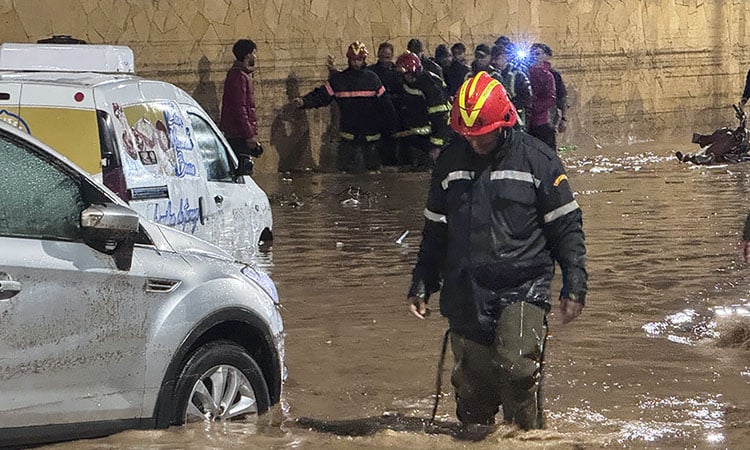
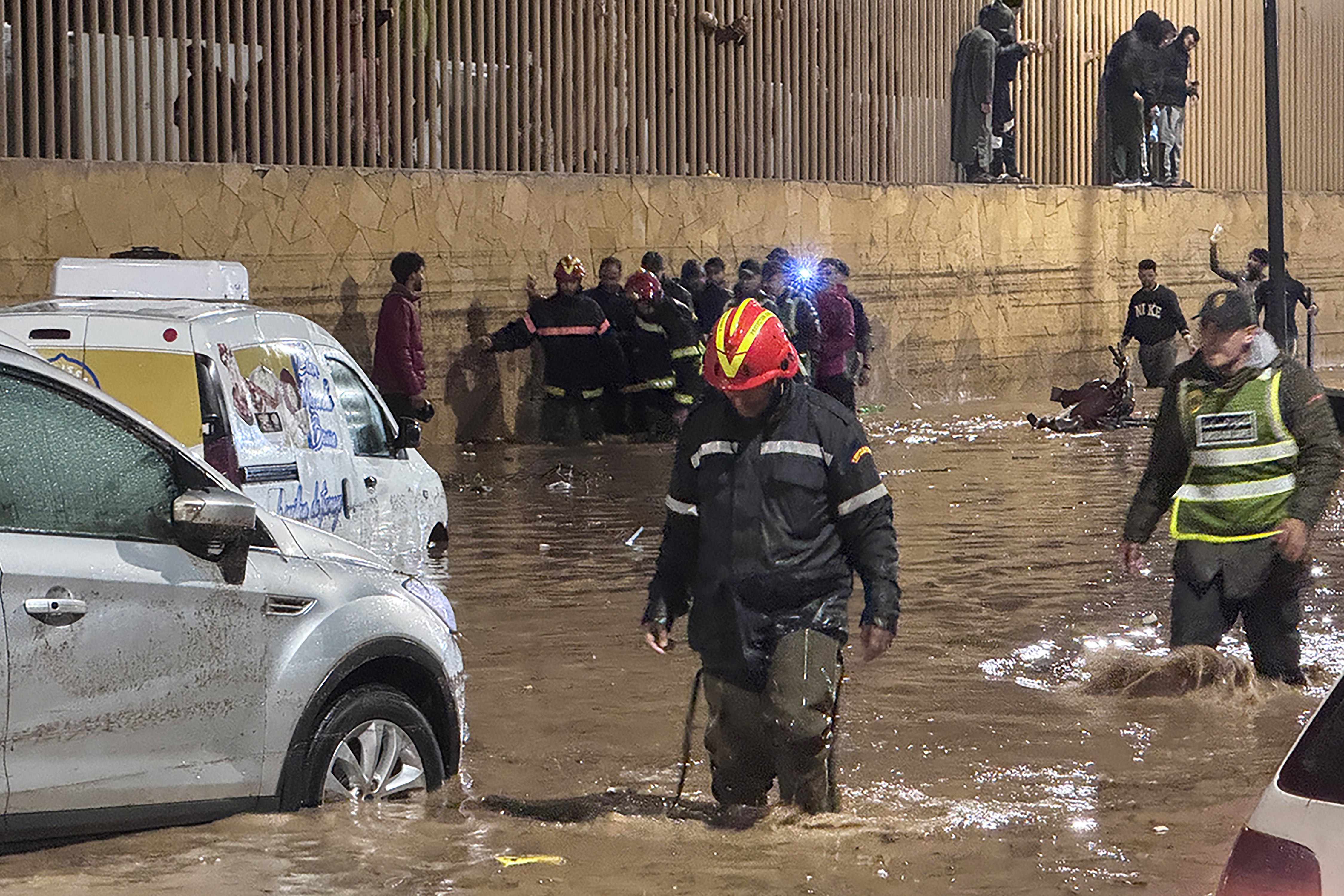
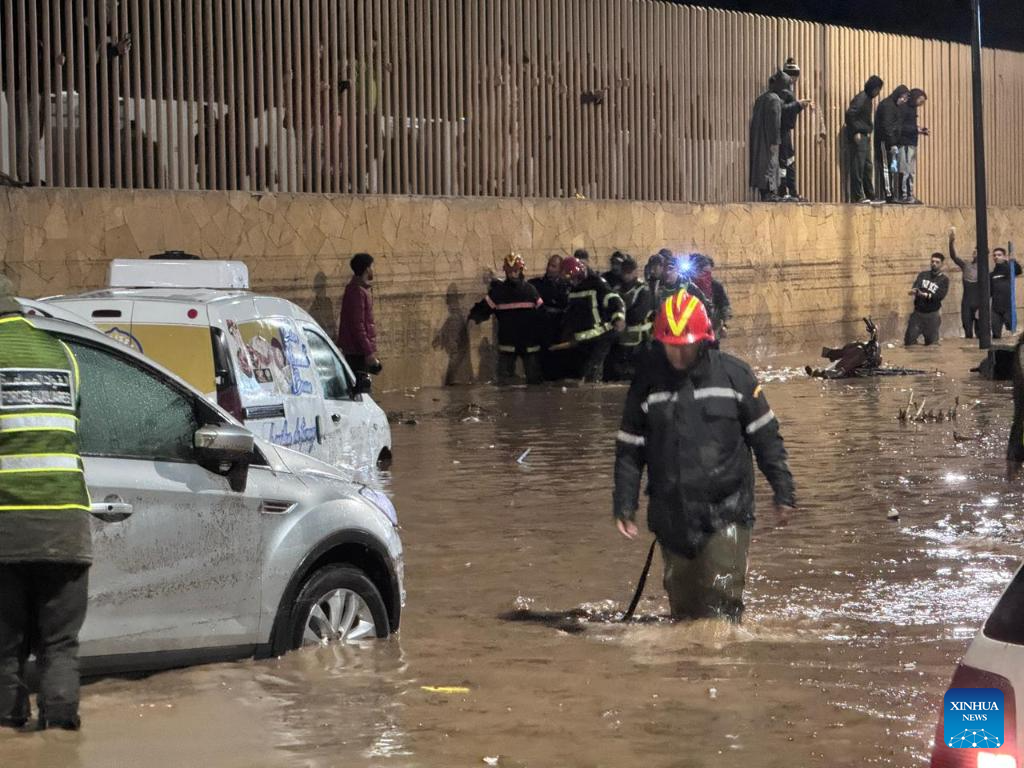
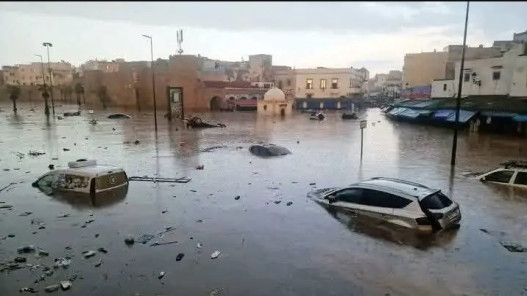
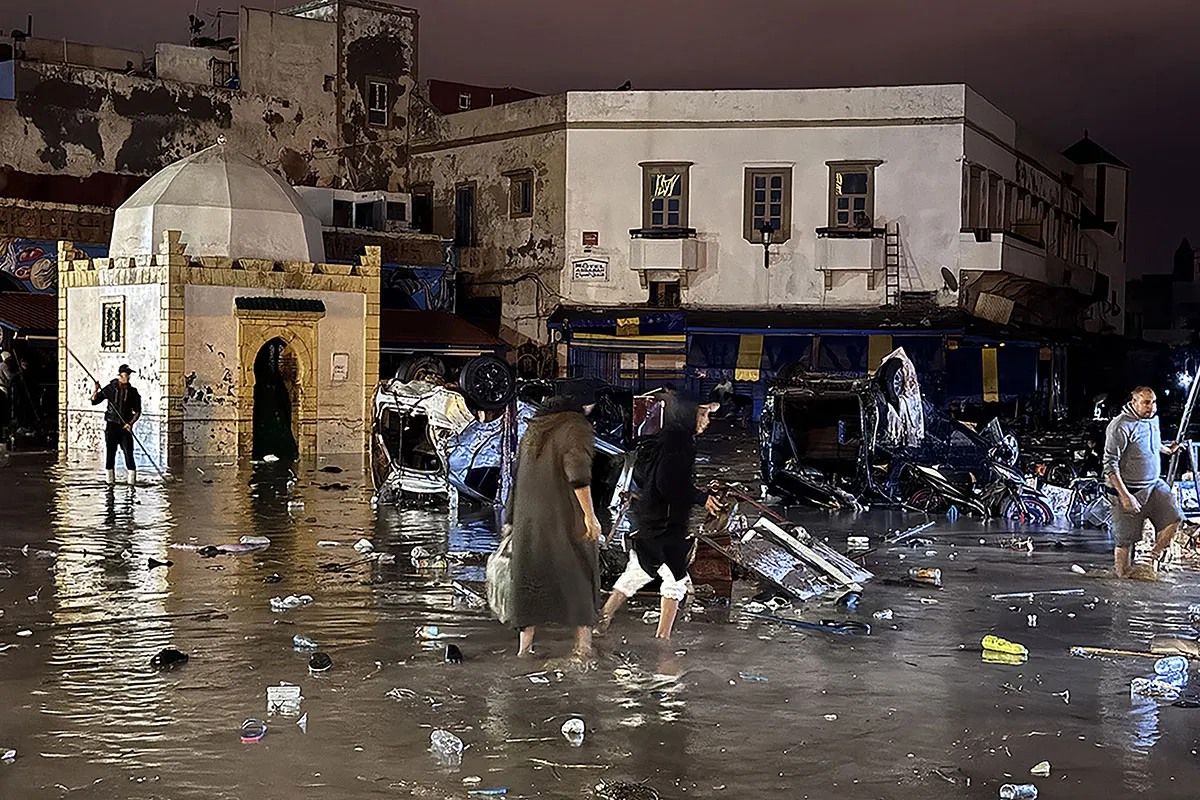
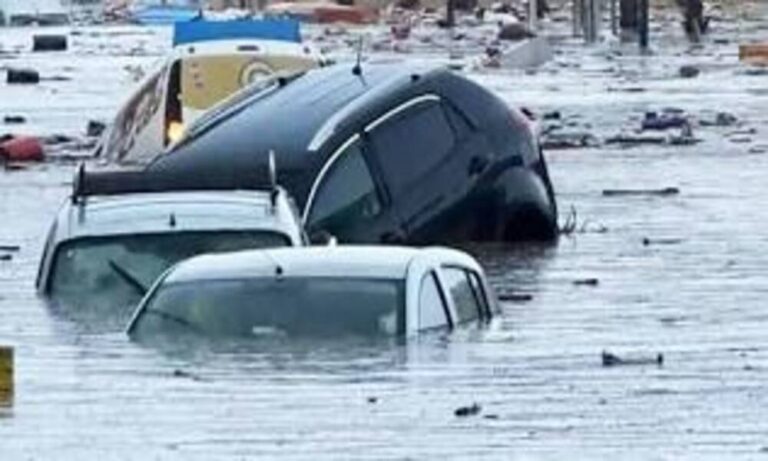
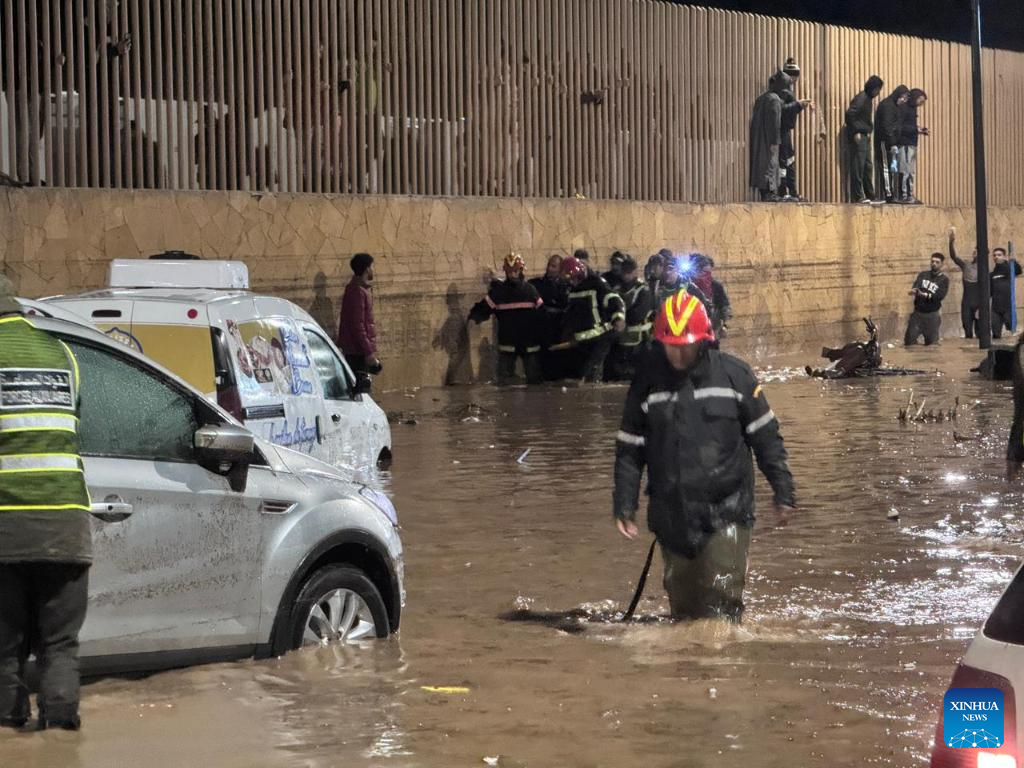
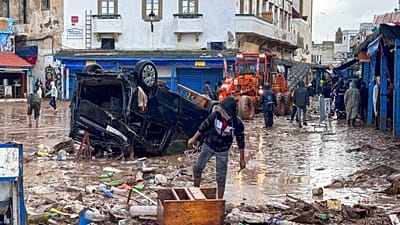
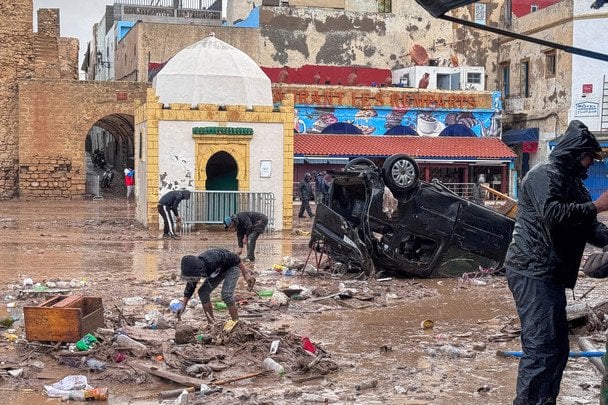
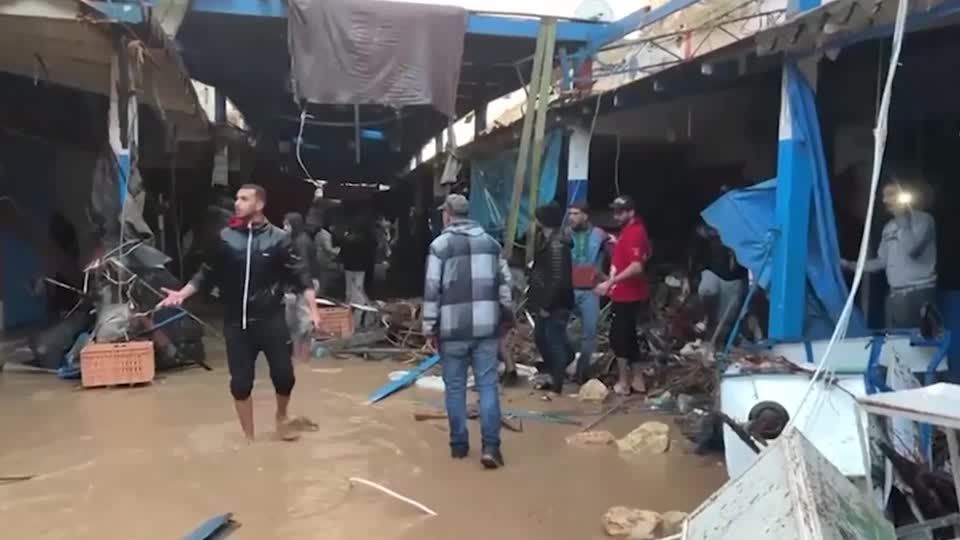
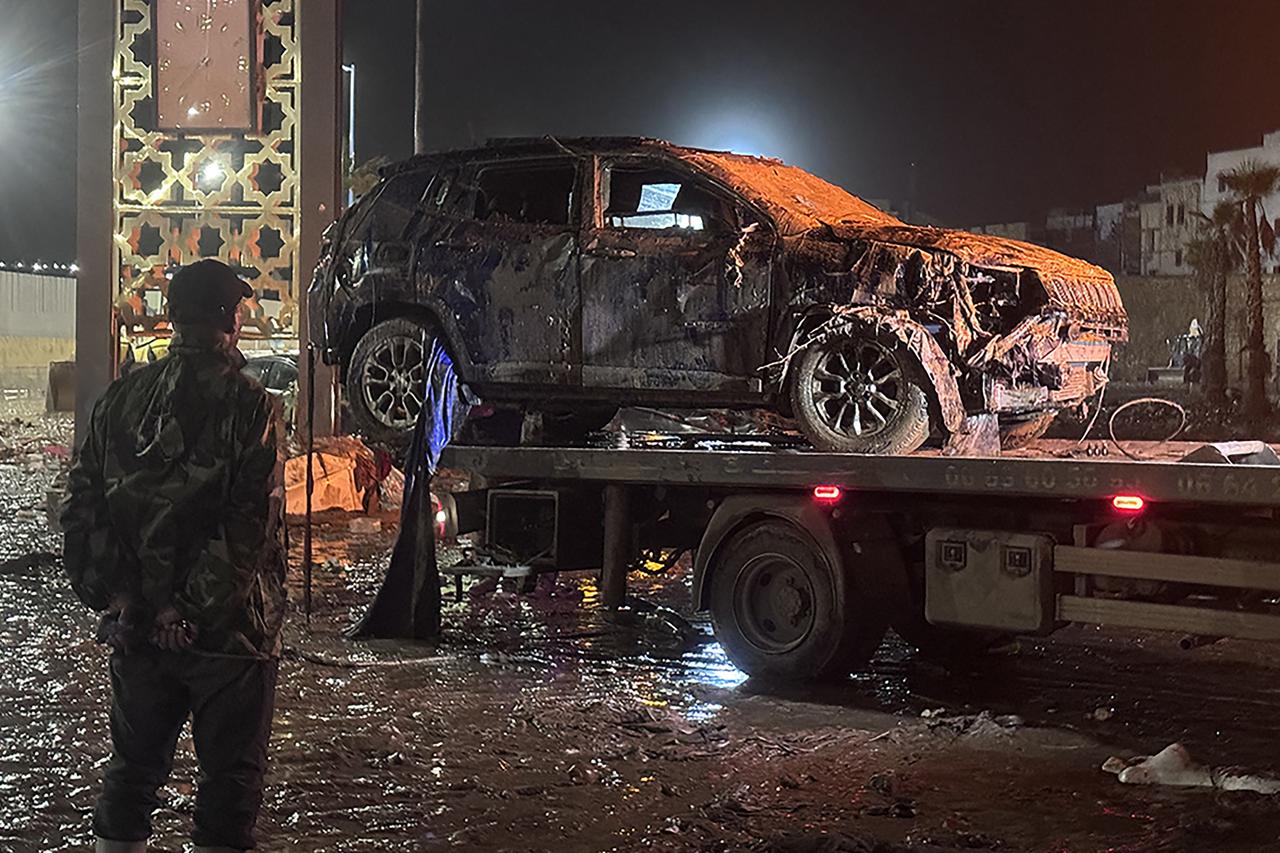
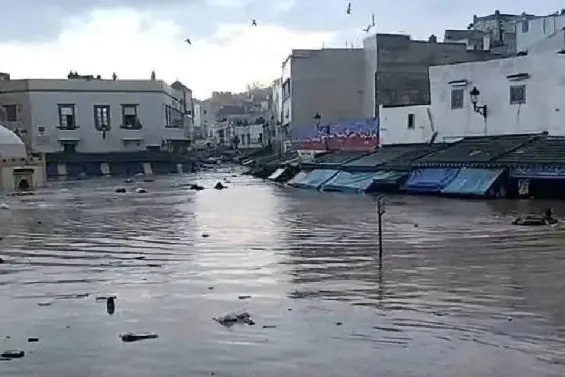
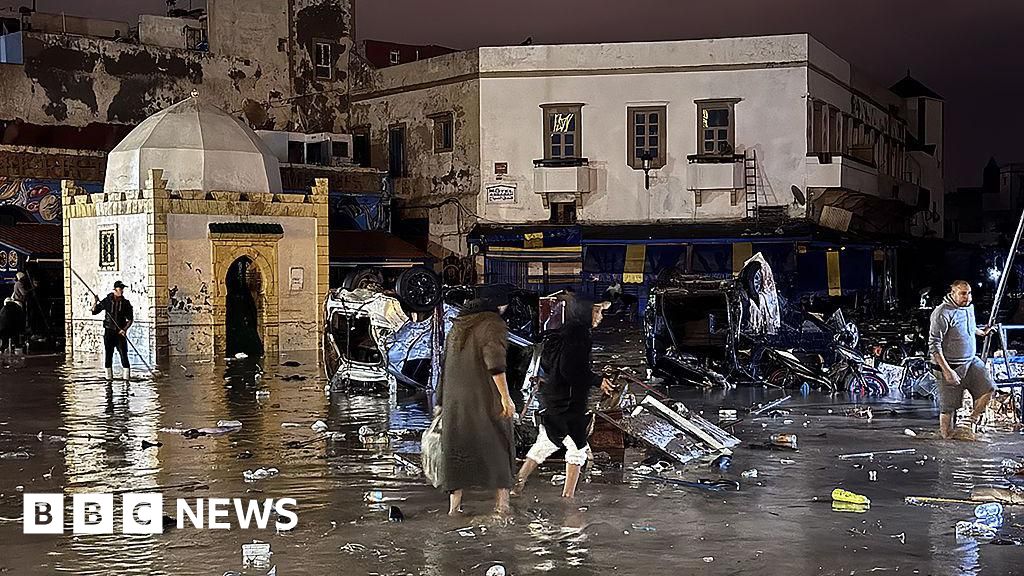
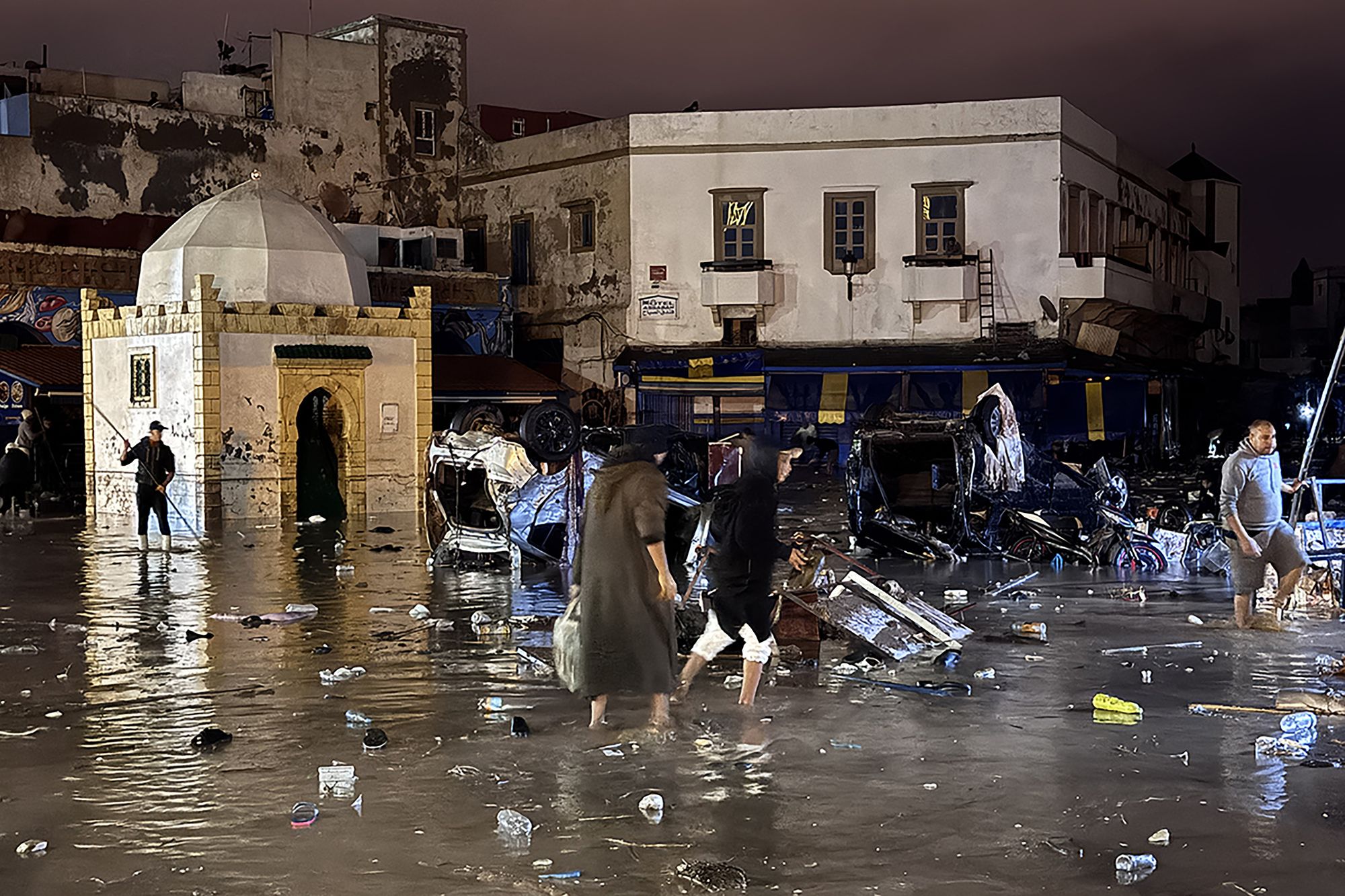
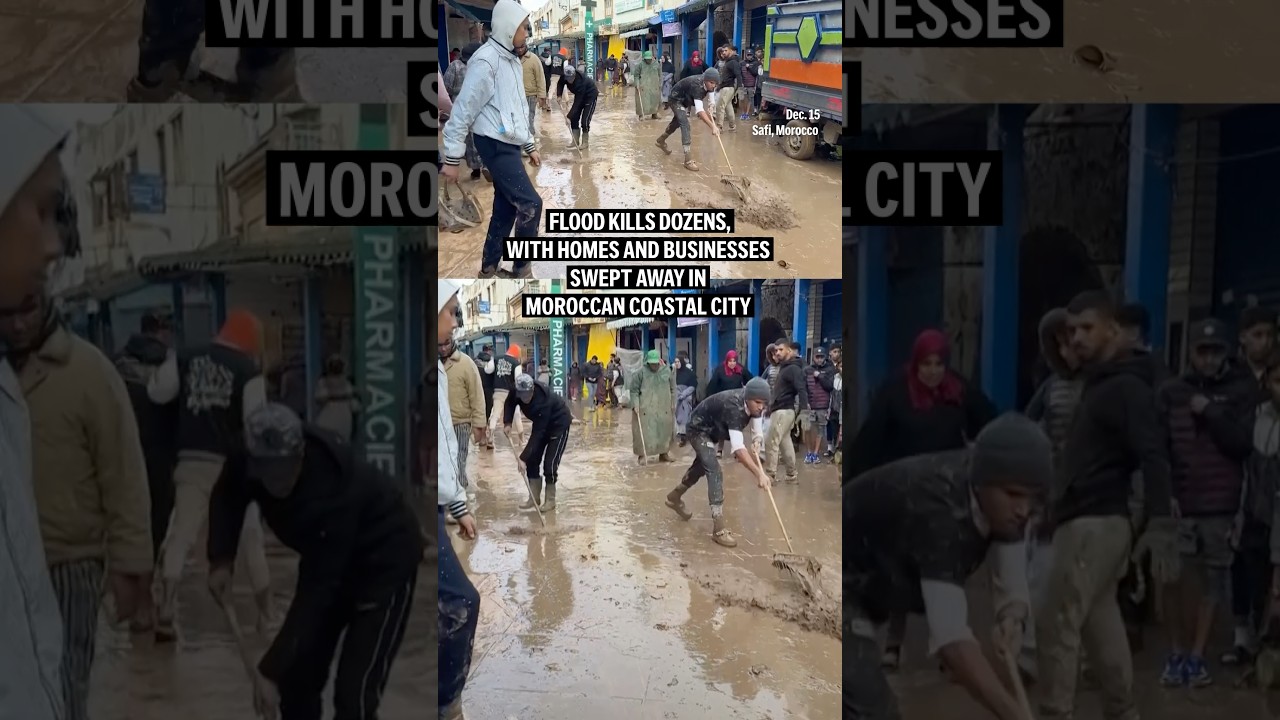
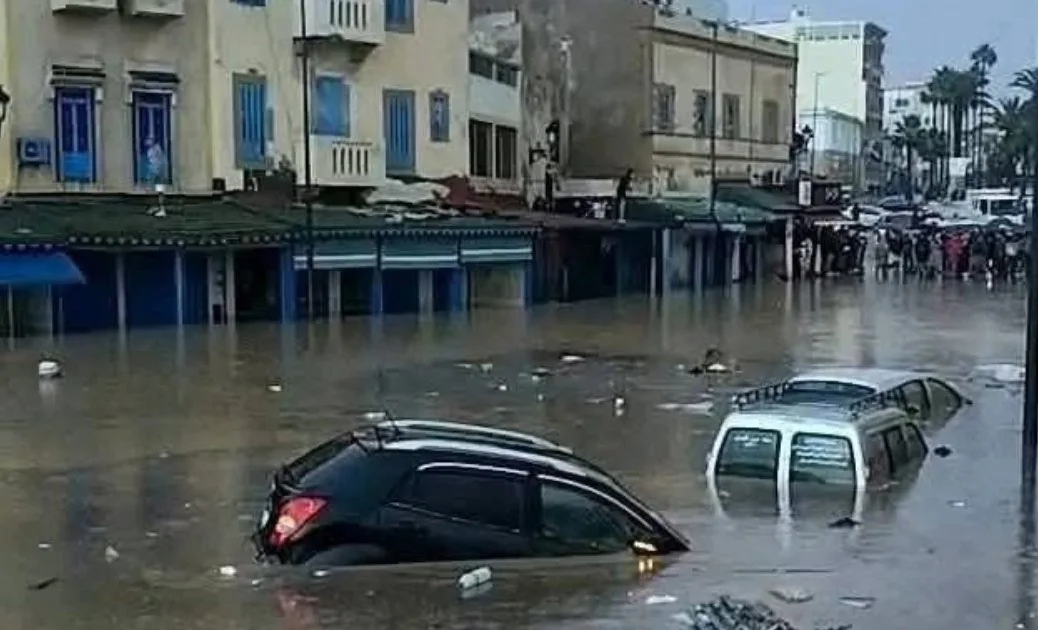
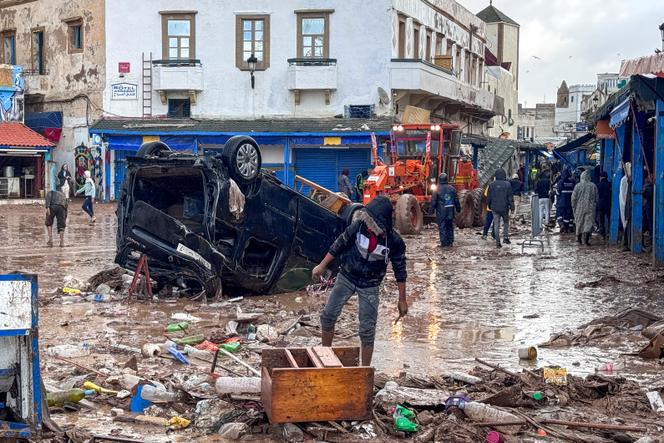
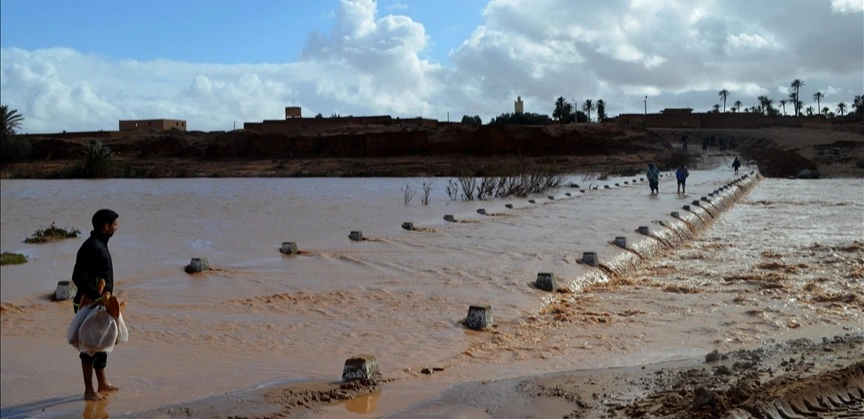
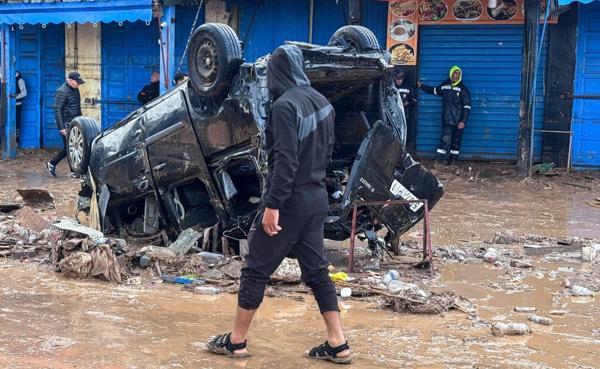
Climate change has transformed Morocco's environmental landscape from chronic drought to sudden, deadly flooding, exposing a profound systemic vulnerability that threatens human lives and national infrastructure. The catastrophic flood event in Safi, which killed at least 37 people and destroyed over 70 homes, represents more than a singular disaster—it signals a broader ecological transformation with far-reaching implications.
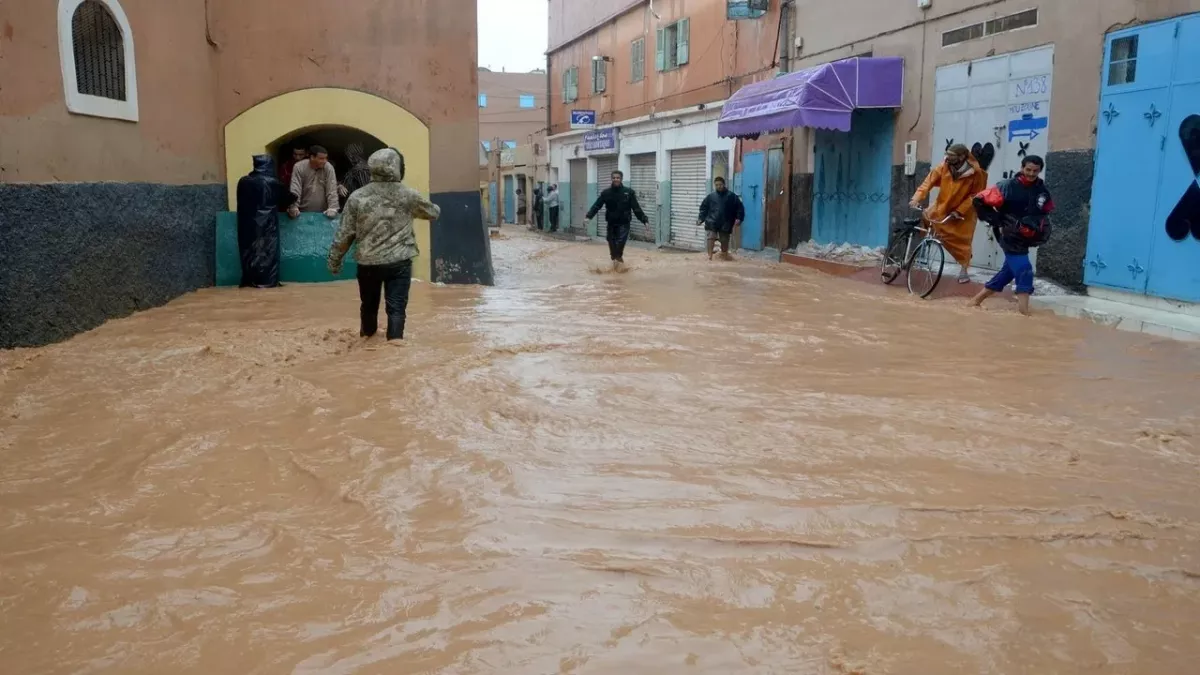
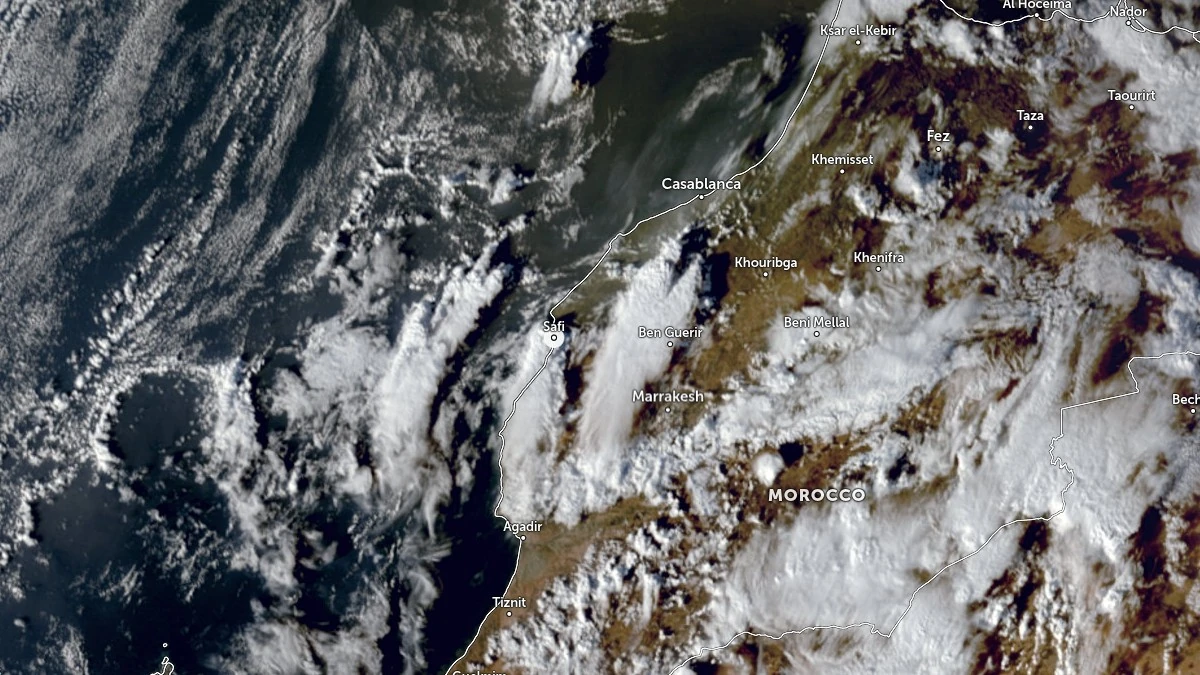
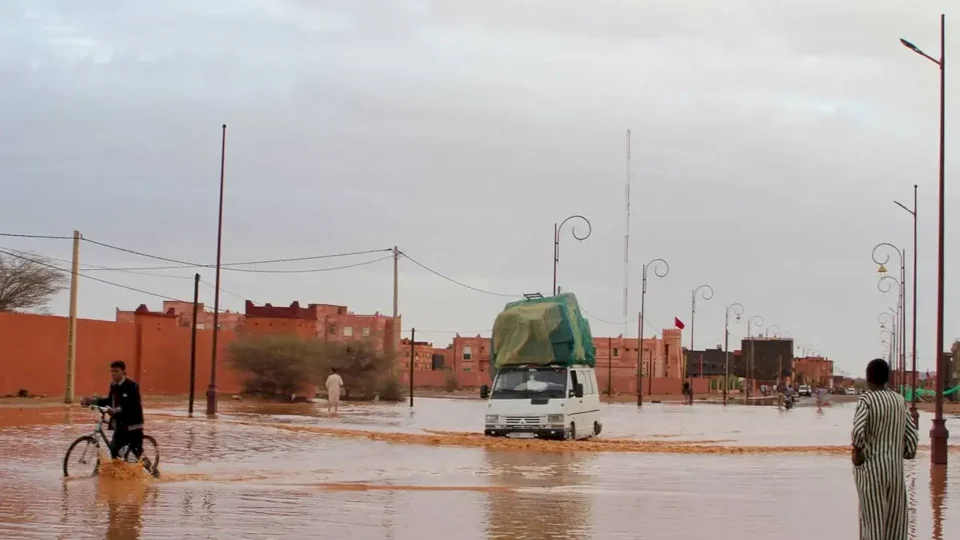
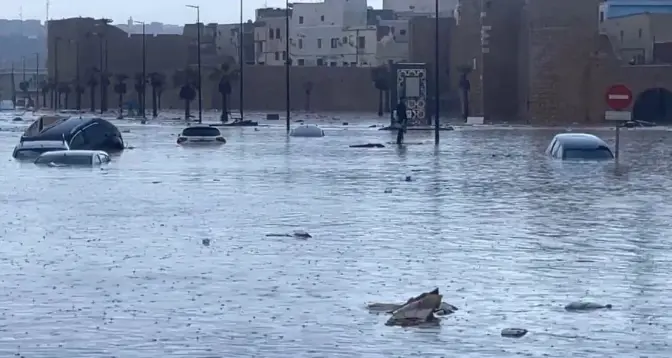
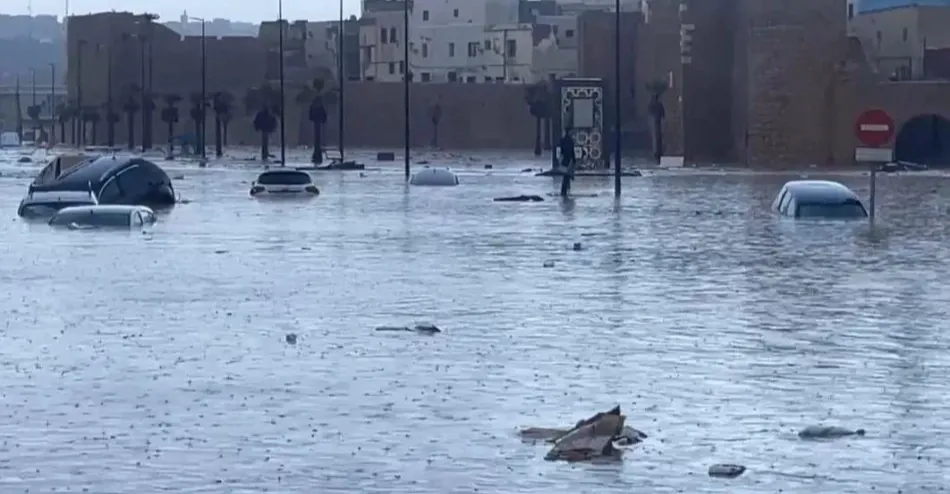
The underlying pattern reveals a critical environmental paradox: seven consecutive years of drought have fundamentally altered Morocco's landscape, creating conditions that dramatically increase flood susceptibility. Hardened soil surfaces, depleted water reservoirs, and altered precipitation patterns have transformed routine rainfall into potential catastrophes. Within just one hour of torrential rain, the city of Safi experienced total infrastructure collapse, with provincial roads blocked, transportation networks disrupted, and entire neighborhoods inundated.
Climate resilience emerges as the most pressing challenge for Morocco and similar regions facing extreme weather volatility. The flood's impact extends beyond immediate human tragedy, disrupting educational systems, transportation infrastructure, and local economic activities. The national meteorological service's forecast of continued heavy rainfall suggests this is not an isolated incident but part of a systemic environmental shift. The event underscores an urgent need for comprehensive disaster preparedness strategies that go beyond traditional emergency response, requiring fundamental reimagining of urban planning, infrastructure design, and community adaptation mechanisms.
Critically, these floods arrive in the context of compounded national trauma—occurring shortly after a devastating building collapse in Fes that killed 419 people—which amplifies the psychological and structural vulnerability of communities already under extreme stress. The recurring nature of these disasters suggests that Morocco is experiencing a profound ecological transition that demands immediate, strategic, and holistic intervention.
For policymakers, urban planners, and community leaders, the message is clear: adaptive resilience is no longer optional but existential. The floods in Safi are not just a local tragedy but a harbinger of the complex challenges posed by accelerating climate change in vulnerable regions.
Questions 3
What makes these floods different from previous flooding events in Morocco?
Unlike previous incidents, these floods occur in a context of compounded national vulnerability—following a major building collapse and occurring during a period of extreme climate volatility. The scale, speed, and total infrastructure disruption suggest a systemic environmental transformation rather than a typical natural disaster.
How can communities in similar regions prepare for such extreme weather events?
Communities must develop multi-layered resilience strategies including: improved urban drainage systems, flexible infrastructure design, community early warning networks, and adaptive urban planning that anticipates climate volatility. Investment in predictive meteorological technologies and decentralized emergency response capabilities will be crucial.