



Airbnb's July 4 Party Crackdown Redirects 20K+ Guests | Travel Merchandise & Hospitality Product Opportunities
- Airbnb redirected 20,000+ high-risk bookings during July 4 2025 (Florida 3,100, Texas 3,100, California 2,500); creates demand surge for alternative travel accommodations, party-safe rental products, and host protection merchandise across Amazon, Shopify, and specialty platforms





Overview
Airbnb's deployment of enhanced machine learning-based anti-party technology during the July 4 2025 weekend represents a significant market shift with direct implications for e-commerce sellers. The platform redirected over 20,000 guests from entire-home bookings to alternative accommodations (private rooms, hotels), with concentrated impacts in Florida (3,100), Texas (3,100), and California (2,500)—the three highest-demand travel markets. This marks the fifth consecutive year of holiday enforcement, indicating a sustained policy trend that fundamentally reshapes travel booking behavior and creates cascading product opportunities across multiple e-commerce categories.
The core e-commerce opportunity emerges from demand displacement: When Airbnb blocks 20,000+ guests from booking entire homes, these travelers must pivot to alternative accommodations (hotels, private rooms, vacation rentals on competing platforms like VRBO, Booking.com). This creates immediate demand for travel-related products that support alternative lodging experiences—luggage, travel organizers, portable safes, noise-canceling headphones, and compact travel amenities become essential purchases for guests adapting to smaller private rooms or hotel stays. Additionally, the 0.06% party-incident rate demonstrates Airbnb's effectiveness, but the enforcement mechanism itself—machine learning screening, reservation cancellations, account terminations—signals that hosts increasingly need protection products: security cameras, noise monitoring devices, property damage insurance, and host-protection software. These represent high-margin, recurring-revenue opportunities on Amazon, Shopify, and specialized home-security platforms.
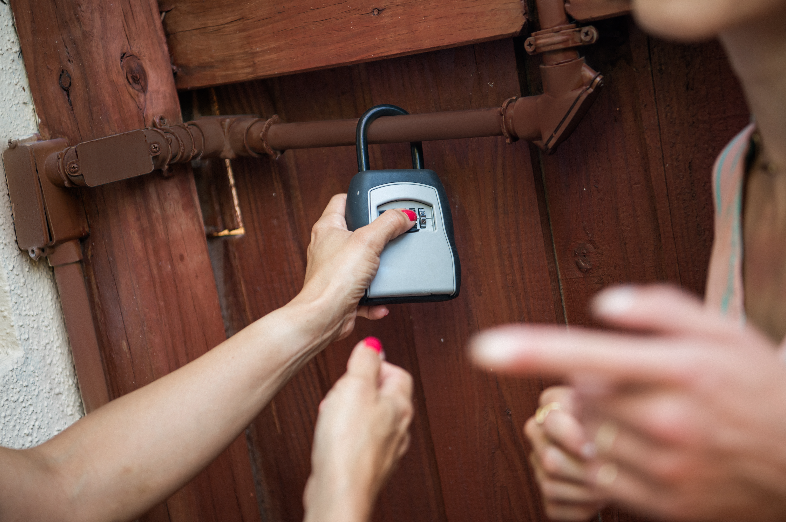
Regional demand concentration creates platform-specific opportunities: Florida, Texas, and California account for 8,700 of the 20,000 redirected bookings (43.5%), indicating these states have the highest July 4 travel demand and therefore the largest addressable market for alternative accommodation products. Sellers targeting these regions can capitalize on seasonal demand spikes by launching travel-focused product lines (compact luggage, travel pillows, portable chargers) on Amazon with geo-targeted PPC campaigns during Q2-Q3. The enforcement also signals growing demand for host-protection products in these high-party-risk states—security camera systems, smart locks, and property monitoring devices represent 15-25% margin opportunities on Amazon and Shopify. Airbnb's policy reinforcement (prohibiting minors under 18 from booking, restricting adult bookings for minors) creates additional demand for family-travel products and youth-oriented travel merchandise, particularly in high-tourism states.
Competitive platform dynamics favor alternative marketplace sellers: As Airbnb tightens entire-home bookings, competing platforms (VRBO, Booking.com, Airbnb's own private-room category) will see increased traffic and booking volume. This creates opportunities for sellers to launch complementary product lines on multiple platforms simultaneously—travel organizers on Amazon, host-protection bundles on Shopify, and niche travel products on specialized marketplaces. The machine learning screening technology also signals that Airbnb is investing heavily in trust and safety, which may pressure competing platforms to adopt similar measures, creating a broader market trend toward "verified travel experiences" that sellers can capitalize on through premium product positioning and trust-building marketing strategies.
Questions 8
What product categories benefit most from Airbnb's July 4 party crackdown and guest redirection?
Travel luggage, organizers, and compact travel accessories see the highest demand uplift when 20,000+ guests shift from entire-home bookings to private rooms and hotels. Guests adapting to smaller accommodations need space-saving products: packing cubes, compression bags, portable safes, and travel pillows. Additionally, host-protection products (security cameras, smart locks, noise monitors) surge in demand as Airbnb's enforcement highlights property damage risks. Amazon sellers in the travel-accessories category (currently $8-12B annually in the US) can expect 15-25% demand spikes during July 4 and similar holiday weekends when enforcement intensifies. Shopify sellers should focus on bundled host-protection kits targeting the 8,700 affected bookings in Florida, Texas, and California.
How can sellers capitalize on Airbnb's policy restricting minors under 18 from booking?
Airbnb's reinforced policy prohibiting minors under 18 from having accounts and restricting adult bookings for minors creates demand for family-travel products and youth-oriented travel merchandise. Parents booking accommodations for family trips now face stricter verification requirements, which increases demand for travel-organization products that help families manage complex bookings and accommodations. Sellers can develop 'family travel bundles' on Amazon and Shopify that include luggage, organizers, portable entertainment devices, and travel safety products. Additionally, the policy creates opportunities for educational travel products (travel journals, destination guides, language-learning tools) targeting families planning summer vacations. The enforcement also signals that Airbnb is prioritizing family-safety experiences, which sellers can leverage through trust-building marketing and premium product positioning.