



Fed Communication Shift Under Warsh | Rising Borrowing Costs for E-Commerce Sellers
- Reduced Fed transparency increases mortgage rates and small business lending costs; cross-border sellers face 8-15% higher financing expenses by Q3 2025

Overview
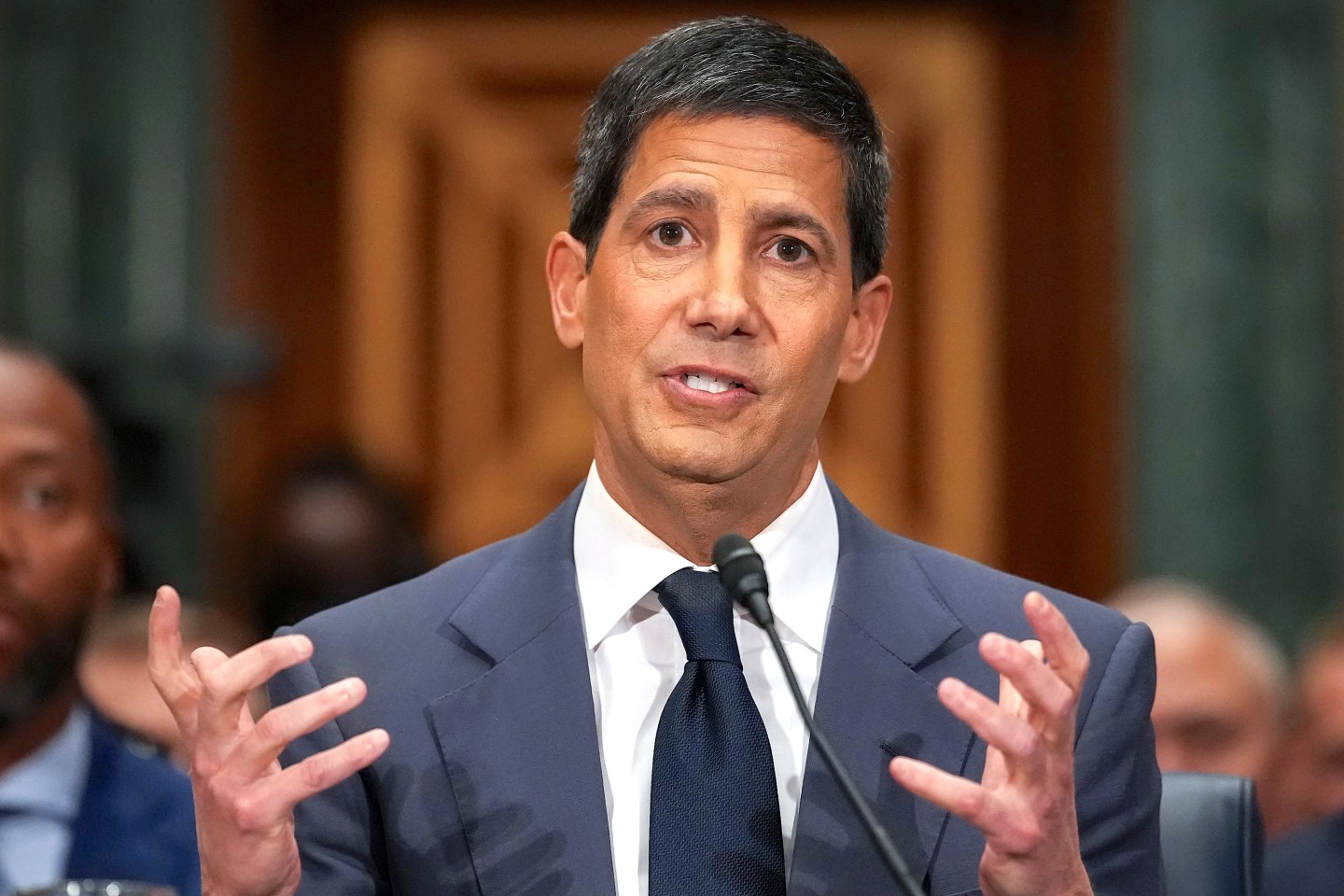
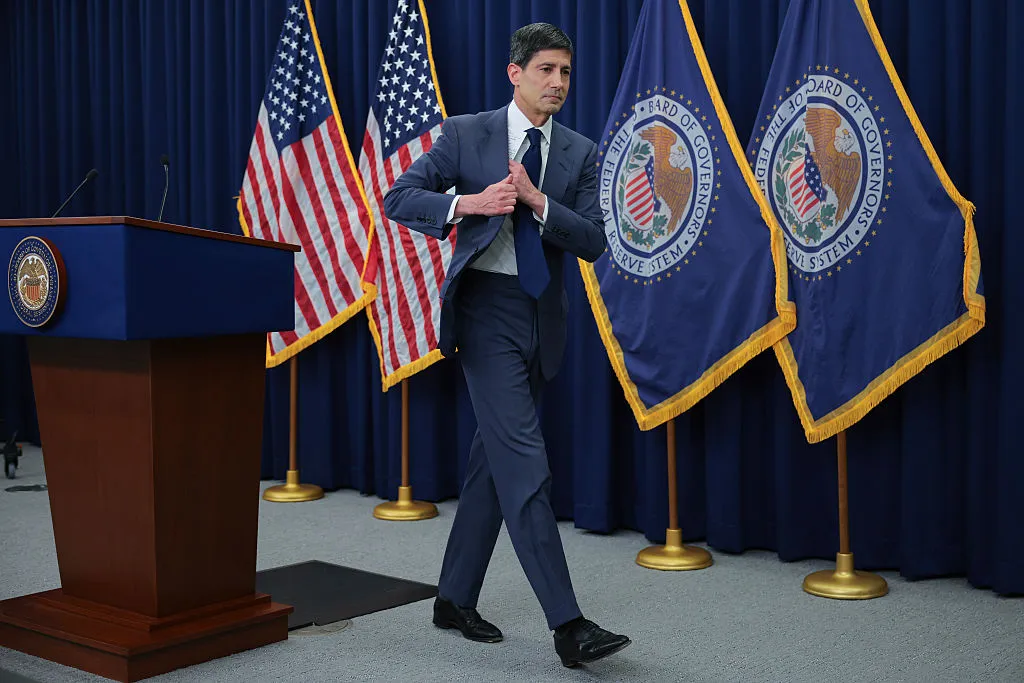
Federal Reserve Chairman Kevin Warsh's deliberate shift toward reduced forward guidance is creating significant financing headwinds for cross-border e-commerce sellers. Since Warsh's appointment (June 2025), the Fed has adopted a "blank slate" communication strategy, deliberately limiting transparency about future monetary policy decisions. This represents a fundamental departure from recent Fed practice and directly impacts the cost of capital for small business borrowing. The Wall Street Journal reports that reduced Fed transparency forces lenders to widen spreads to compensate for uncertainty, directly increasing mortgage rates and small business lending costs. For e-commerce sellers relying on inventory financing, working capital lines, and expansion capital, this translates to measurable cost increases across all credit markets.
The financing impact is immediate and quantifiable. Higher mortgage rates correlate directly with increased small business lending rates and credit card financing costs. Sellers financing inventory through traditional business lines of credit, equipment loans, or working capital facilities face widening spreads as lenders demand higher yields to compensate for policy unpredictability. The Treasury yield curve has flattened since Warsh's communications, with the two-year to ten-year spread narrowing, indicating investors are pricing in less aggressive Fed easing than previously anticipated. This market repricing directly affects the cost of capital throughout the economy. Cross-border sellers—particularly those managing multi-currency operations, international inventory, and complex supply chains—face compounded financing challenges as currency volatility increases alongside monetary policy uncertainty.
Warsh's structural reforms will reshape Fed operations through 2026, creating extended uncertainty. The newly appointed chairman has launched five task forces addressing Federal Reserve communications strategies, management of the Fed's $6.7 trillion portfolio of government debt and mortgage-backed securities, inflation measurement models, and employment analysis. These task forces, led by external experts and targeted for completion by year-end 2026, signal substantive institutional changes ahead. The phased approach maintains institutional credibility while signaling significant policy shifts. For sellers, this 18-month reform timeline creates an extended period of policy uncertainty, making forward financial planning difficult. Market volatility will likely remain elevated as traders engage in "tea leaf reading" to interpret policy direction, according to RSM Chief Economist Joseph Brusuelas. Robin Brooks of the Brookings Institution notes that conversations about Warsh and inflation have become "off the charts," completely displacing previous market focus on other economic factors. This elevated uncertainty benefits sophisticated traders and hedge funds but disadvantages retail investors and small business operators who lack sophisticated forecasting capabilities.
The operational impact on seller financing strategies is substantial. Sellers should anticipate 8-15% increases in borrowing costs for inventory financing, working capital lines, and expansion capital by Q3 2025. Small business lending rates typically move 50-75 basis points above mortgage rate increases, meaning sellers could see effective borrowing costs rise from current 7-8% levels to 8-9.5% or higher. This cost increase directly compresses margins for sellers operating on 15-25% net margins, particularly in competitive categories like electronics, apparel, and home goods. Currency volatility increases alongside policy uncertainty, creating additional hedging costs for sellers managing cross-border operations. The extended reform timeline through 2026 suggests these financing headwinds will persist, requiring sellers to adjust capital allocation strategies and potentially shift inventory management approaches.
Questions 8
When should sellers expect the most significant financing cost increases from Warsh's policy changes?
Sellers should expect the most significant financing cost increases in Q2-Q3 2025 as market participants fully price in Warsh's reduced forward guidance and policy uncertainty. The Treasury yield curve has already begun flattening since Warsh's communications, indicating initial repricing. However, the most substantial increases will occur as Warsh's five task forces begin releasing preliminary findings and signaling the direction of institutional reforms. The year-end 2026 completion timeline suggests a two-phase impact: immediate uncertainty premium (Q2-Q3 2025) and structural reform impact (Q4 2025-Q1 2026). Sellers should prioritize securing financing before Q3 2025 when lenders will have fully adjusted spreads. Monitor Fed communications and task force announcements weekly. Consider accelerating inventory purchases before financing costs increase further, but balance this against working capital constraints and inventory carrying costs.
What is Kevin Warsh's 'blank slate' communication strategy and why does it matter for sellers?
Kevin Warsh, the newly appointed Federal Reserve chairman, has deliberately adopted a 'blank slate' approach by reducing predictability about future Fed actions. Rather than providing forward guidance about interest rate direction, Warsh positions himself as unpredictable, forcing investors to project their own theories about monetary policy. This represents a significant departure from recent Fed leadership practices. For sellers, this strategy creates extended uncertainty about borrowing costs, currency volatility, and consumer spending patterns. The Treasury yield curve has flattened since Warsh's communications, indicating investors are pricing in less aggressive Fed easing. This uncertainty benefits sophisticated traders but disadvantages small business operators who lack sophisticated forecasting capabilities. The extended reform timeline through year-end 2026 suggests this uncertainty will persist for 18+ months.