



Political Asylum Migration Patterns | Emerging Market for Refugee Support Products & Services
- Chinese dissident Dong Guangping's May 2026 maritime escape highlights growing demand for safety equipment, survival gear, and diaspora community services across North America and Asia-Pacific markets






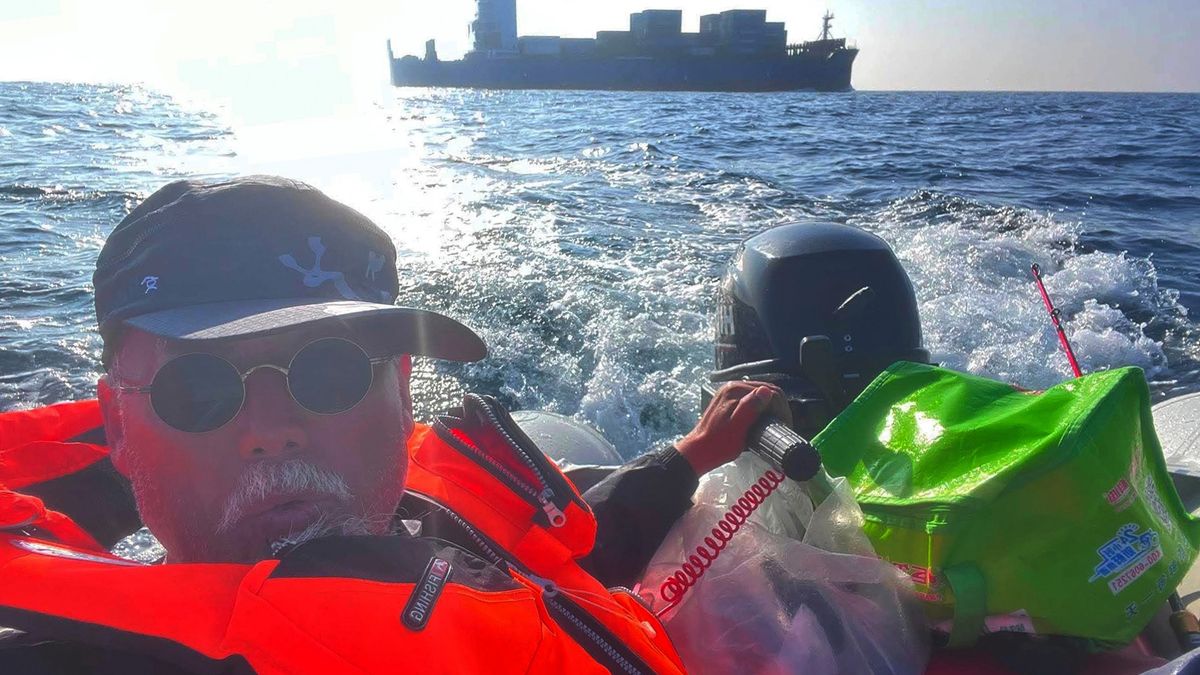


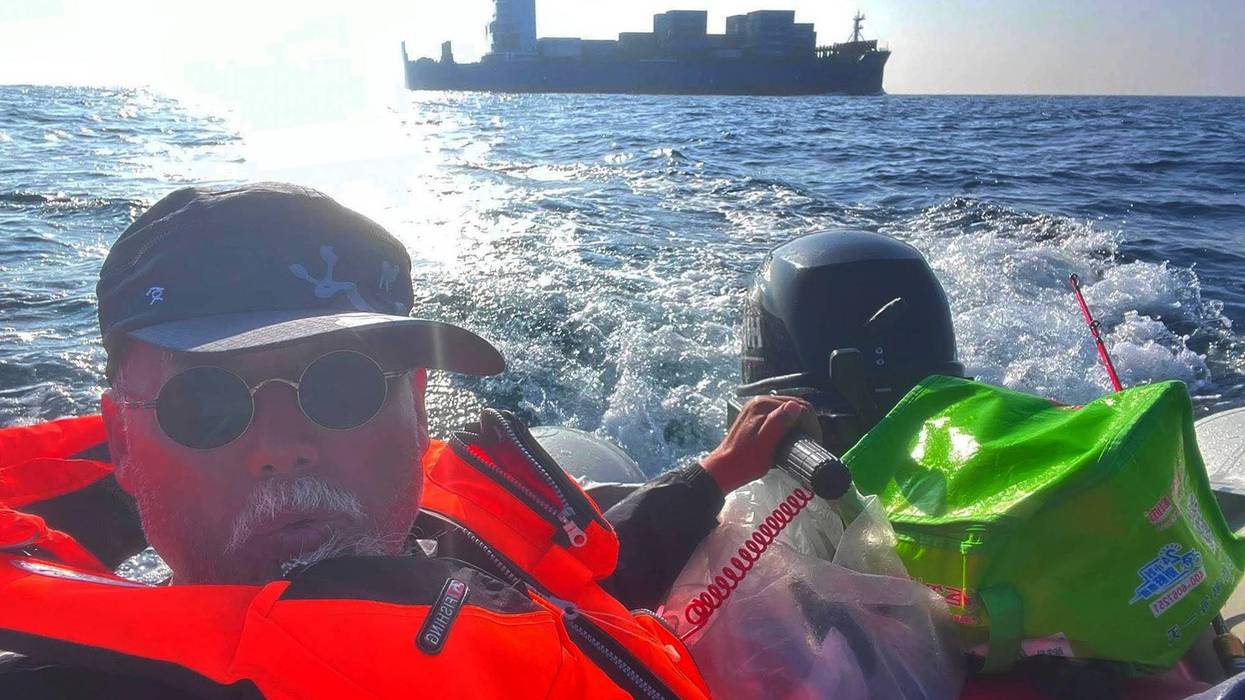


!role~Preview!mt~photo!fmt~JPEG%20Baseline)


Overview
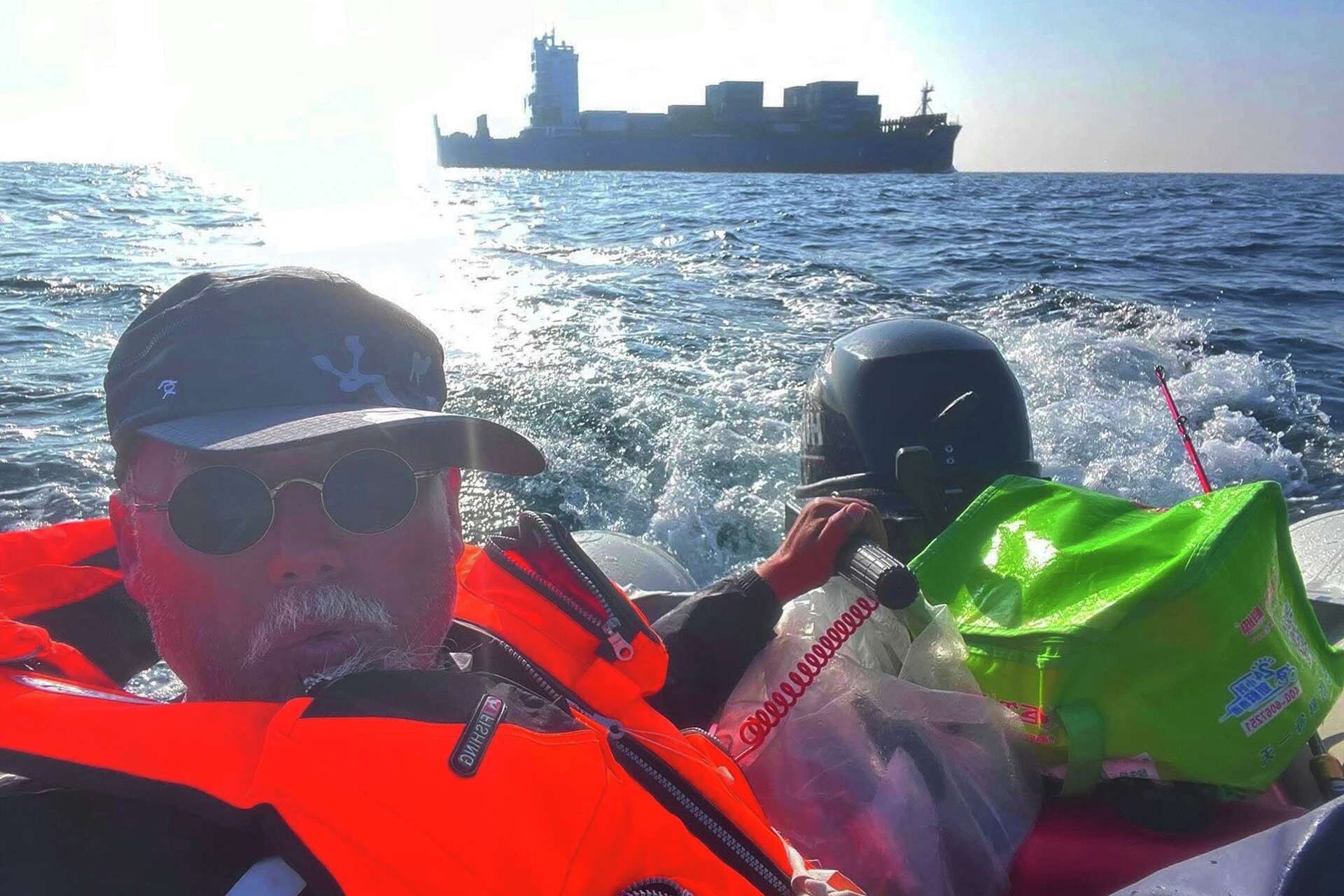
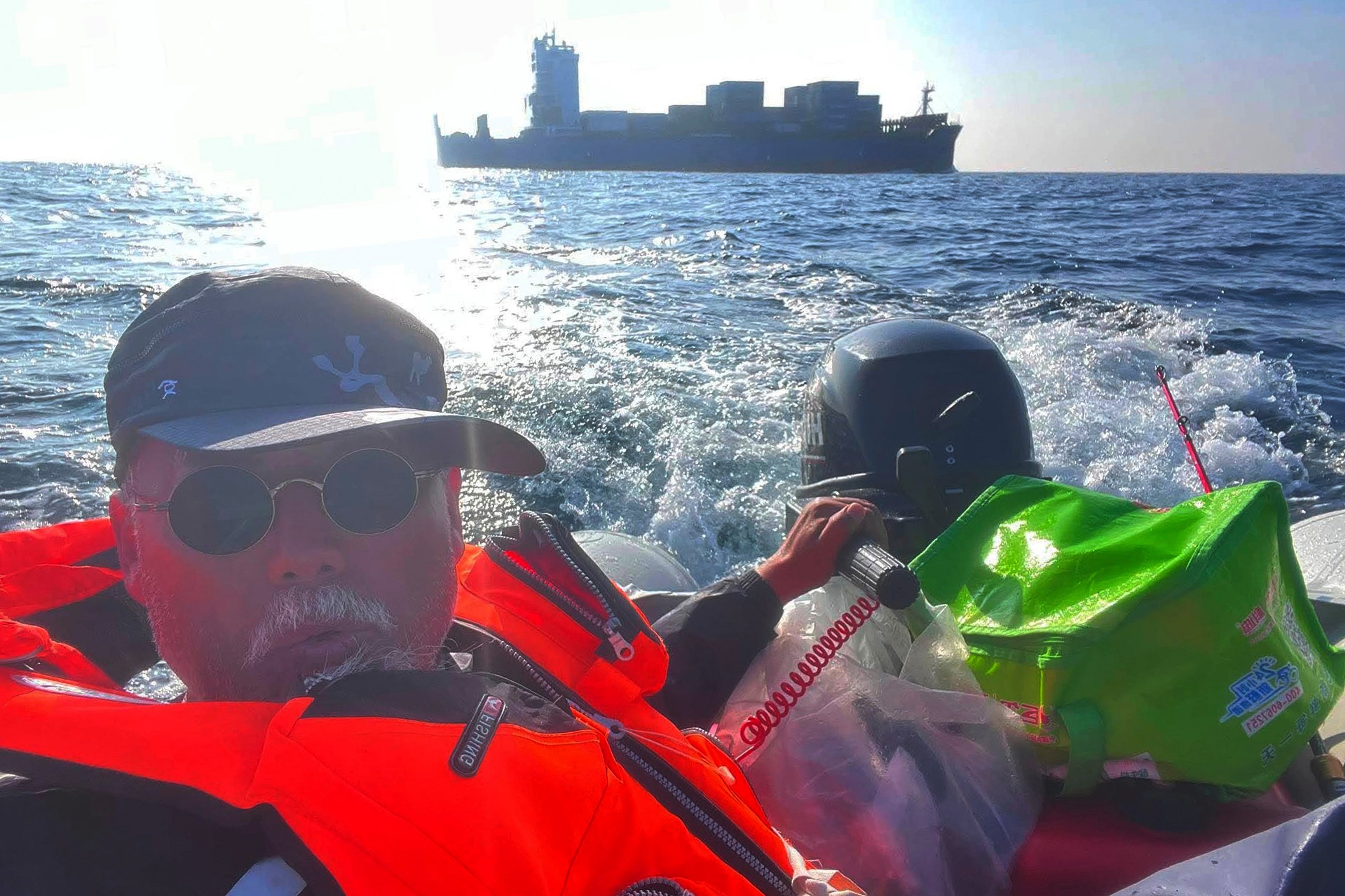
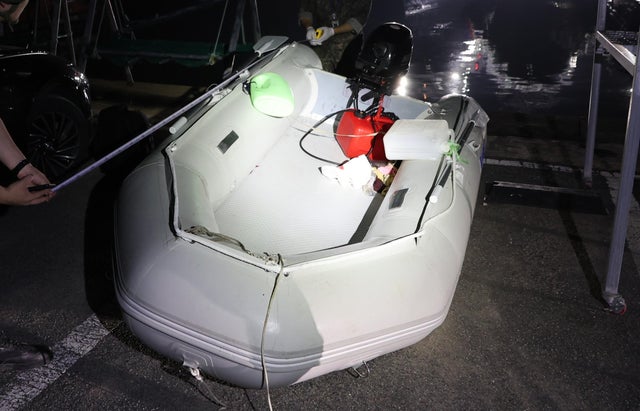
Political asylum cases like Dong Guangping's successful escape to Canada in June 2026 reveal significant but underexplored e-commerce opportunities in refugee support ecosystems. The case—involving a 68-year-old activist who departed Weihai on May 24, 2026 in a 10.8-foot inflatable rubber boat, endured 36 hours at sea with failing engine and dying phone, and arrived in Toronto via Air Canada on June 27, 2026—demonstrates the critical role of survival equipment, maritime safety gear, and diaspora community services in cross-border migration flows.
Product Category Opportunities: The news directly references inflatable boats, marine engines, communication devices (phones), and survival equipment as essential merchandise for high-risk migration. Sellers specializing in marine safety products (life jackets, emergency beacons, waterproof containers, portable chargers) can target diaspora communities and humanitarian organizations supporting refugee networks. The Yellow Sea crossing and multiple failed escape attempts (Thailand, Vietnam, Taiwan) indicate sustained demand for durable, portable survival gear across Southeast Asia and East Asia markets. Amazon, eBay, and Shopify sellers in the outdoor/survival category can capitalize on this segment through targeted marketing to diaspora networks and NGOs. Historical precedent—another dissident escaped via jet ski three years earlier (2023)—suggests recurring demand patterns for specialized maritime equipment.
Market Dynamics & Consumer Behavior: Dong's case exemplifies broader patterns of Chinese diaspora resettlement in Canada, South Korea, and Western nations. The news highlights that his wife and daughters were already resettled in Canada, indicating family reunification as a key driver of migration. This creates demand for relocation services, household goods, cultural products, and community-specific merchandise targeting Chinese diaspora communities in Toronto, Vancouver, and other Canadian cities. Social media documentation by activist Sheng Xue (posting photos, sharing meals of noodles with eggs, tomatoes, and shrimps) reveals diaspora community engagement patterns—sellers can leverage this through ethnic food products, cultural merchandise, and community-focused marketing on platforms serving Asian diaspora audiences.
Operational & Compliance Considerations: The case involves multiple jurisdictions (China, South Korea, Canada, Thailand, Vietnam, Taiwan), highlighting complex customs, immigration, and logistics challenges. Sellers shipping survival equipment or diaspora-targeted products must navigate varying regulations across these regions. South Korea's detention of Dong by coast guard (May 2026) and subsequent legal proceedings underscore the importance of compliance with maritime and immigration regulations. Canada's open asylum policies create a growing market for settlement services and products, while the lack of official Immigration, Refugees and Citizenship Canada statement suggests evolving policy frameworks that sellers should monitor. The 10+ escape attempts over a decade indicate sustained, recurring demand rather than one-time events.
Questions 7
What compliance and regulatory challenges should sellers anticipate?
The case involves multiple jurisdictions (China, South Korea, Canada, Thailand, Vietnam, Taiwan) with varying maritime, immigration, and customs regulations. Sellers must navigate: (1) export controls on maritime safety equipment from China; (2) South Korea's coast guard detention protocols affecting product liability; (3) Canadian immigration regulations affecting settlement services; (4) customs duties on survival gear across multiple borders. The lack of official Canadian immigration statement regarding Dong's status suggests evolving policy frameworks. Sellers should monitor regulatory changes and maintain compliance documentation, particularly for products with dual-use potential (survival equipment that could be used for unauthorized maritime activities).
How does this case compare to previous dissident escapes and what does that reveal?
The news references another dissident who escaped via jet ski three years earlier (2023), who faced months of detention and legal complications. Dong's successful escape via inflatable boat suggests evolving tactics and potentially improved equipment. This pattern indicates: (1) sustained, recurring demand for maritime escape equipment; (2) market evolution toward more reliable, durable products; (3) increasing sophistication in diaspora support networks (Sheng Xue's coordination, family pre-positioning in Canada). Sellers can use this historical pattern to forecast demand trends and develop product roadmaps for the refugee support category, which appears to be a persistent, growing market segment.