



South Korea Supply Chain Risk Alert | Semiconductor Concentration Threatens Cross-Border Sellers
- KOSPI concentration risk creates supply chain vulnerability for sellers sourcing from Samsung, SK Hynix; potential 15-25% cost increases if chip sector corrects







Overview
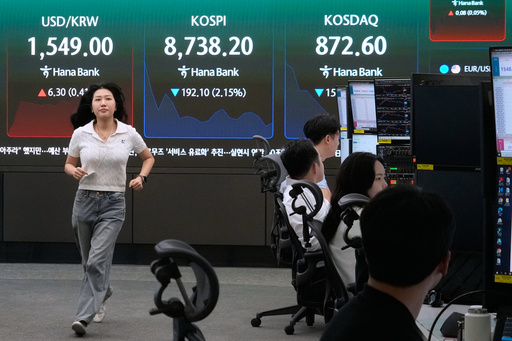
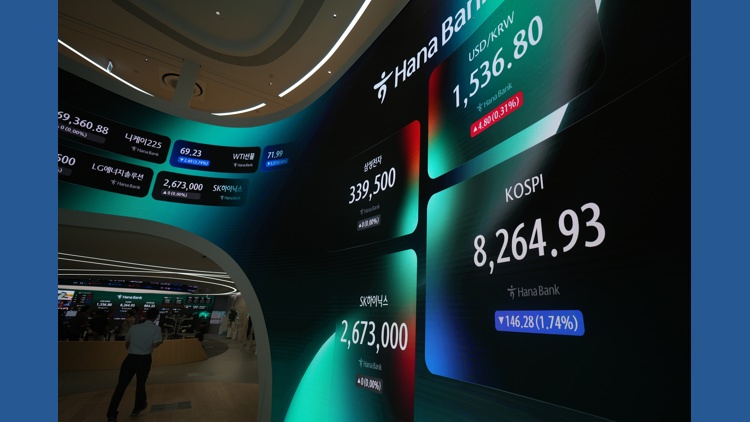
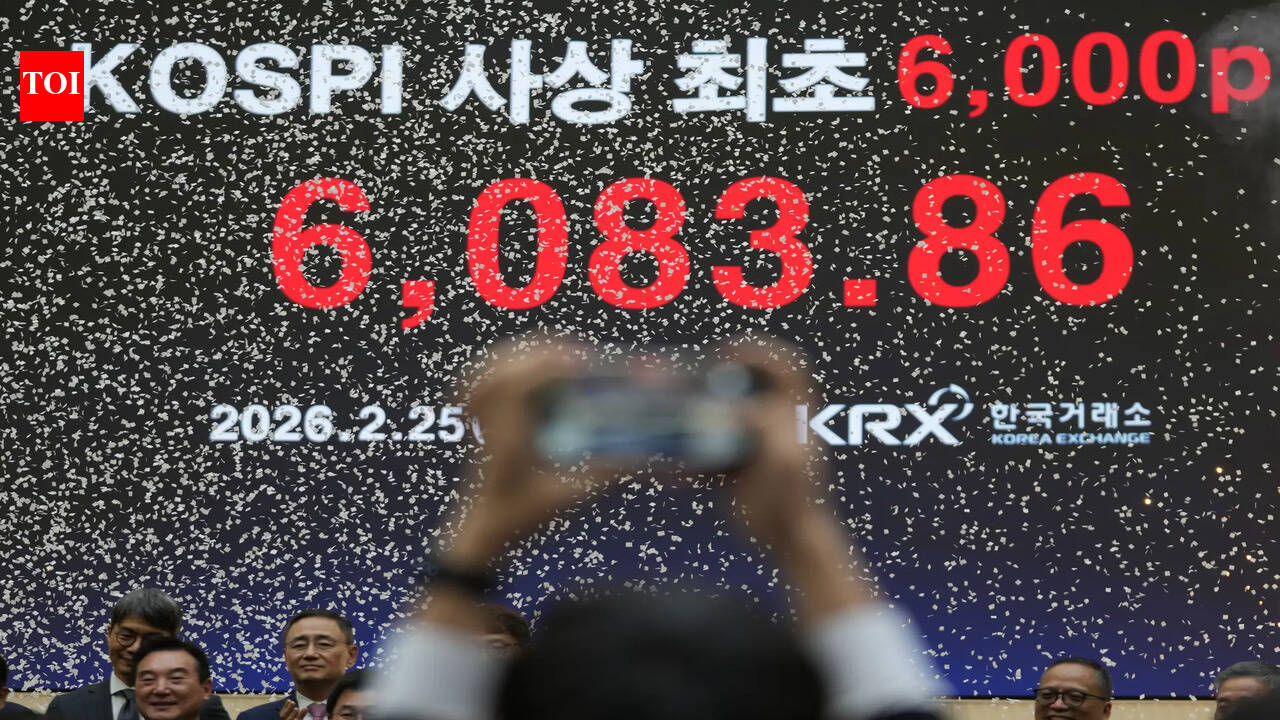
South Korea's semiconductor sector dominance is creating systemic supply chain risk for cross-border e-commerce sellers, with Samsung Electronics and SK Hynix driving disproportionate gains in the KOSPI index while reducing market diversification. The news reports that chip-related companies now dominate market capitalization and trading volumes, driven by global AI demand and memory chip exports, but this concentration mirrors historical patterns preceding market corrections. For sellers sourcing electronics, IoT devices, smart home products, and tech components from South Korean suppliers, this market instability presents immediate operational risks.
Supply Chain Vulnerability Assessment: Sellers relying on Korean manufacturing partners face three critical risks. First, if semiconductor stocks experience a significant correction, Korean suppliers may reduce capital expenditures, delaying production timelines by 4-8 weeks and increasing component costs by 15-25%. Second, Korean logistics providers and 3PL operators dependent on semiconductor industry health could face cash flow constraints, potentially raising shipping costs from Korean ports by 8-12% and reducing service reliability. Third, counterparty risk increases—suppliers may face financial stress if the broader Korean economy experiences headwinds following a chip sector downturn.
Category-Specific Impact: Electronics sellers (HS codes 8471-8517) sourcing memory chips, semiconductors, and tech components from South Korea face the highest exposure. Smart home device sellers, gaming peripheral manufacturers, and IoT product suppliers typically source 30-50% of components from Korean suppliers. Sellers in these categories should immediately audit supplier concentration—if more than 20% of critical components source from a single Korean supplier, diversification becomes urgent. Logistics sellers using Korean ports (Busan, Incheon) for Asia-Pacific distribution should evaluate alternative routing through Singapore or Hong Kong ports, which may add 3-5 days transit time but reduce counterparty risk.
Immediate Actions Required: Sellers should conduct supply chain mapping within 14 days to identify Korean supplier dependencies, request 90-day forward commitments from key suppliers before potential market correction, and evaluate alternative sourcing from Vietnam, Taiwan, or Japan for non-critical components. Consider increasing safety stock by 20-30% for high-velocity SKUs sourced from Korea, which may increase working capital by $5-15K for mid-sized sellers but provides 6-8 week buffer against supply disruptions. Monitor KOSPI index and Samsung/SK Hynix stock performance as leading indicators—a 15%+ correction in chip stocks should trigger immediate supplier communication and contingency activation.
Questions 7
How does South Korea's semiconductor concentration affect my supply chain?
South Korea's chip sector now dominates the KOSPI index, creating systemic risk where a market correction could trigger supplier financial stress and production delays. If Samsung Electronics and SK Hynix stocks decline 15%+, suppliers may reduce capital expenditures, delaying component shipments 4-8 weeks and increasing costs 15-25%. Sellers sourcing memory chips, semiconductors, or tech components from Korean suppliers face immediate exposure. Conduct supplier audits within 14 days to identify concentration risk—if more than 20% of critical components source from a single Korean supplier, begin diversification immediately to Vietnam, Taiwan, or Japan alternatives.
Which product categories are most vulnerable to Korean supply chain disruption?
Electronics sellers (HS codes 8471-8517) face highest risk, including smart home devices, gaming peripherals, IoT products, and consumer electronics. These categories typically source 30-50% of components from Korean suppliers. Memory chip-dependent products (SSDs, RAM modules, smartphones) are most exposed. Sellers in these categories should increase safety stock by 20-30% for high-velocity SKUs, adding $5-15K working capital but providing 6-8 week supply buffer. Consider shifting 15-20% of component sourcing to alternative suppliers within 60 days to reduce Korean supplier concentration below 50% of critical components.