
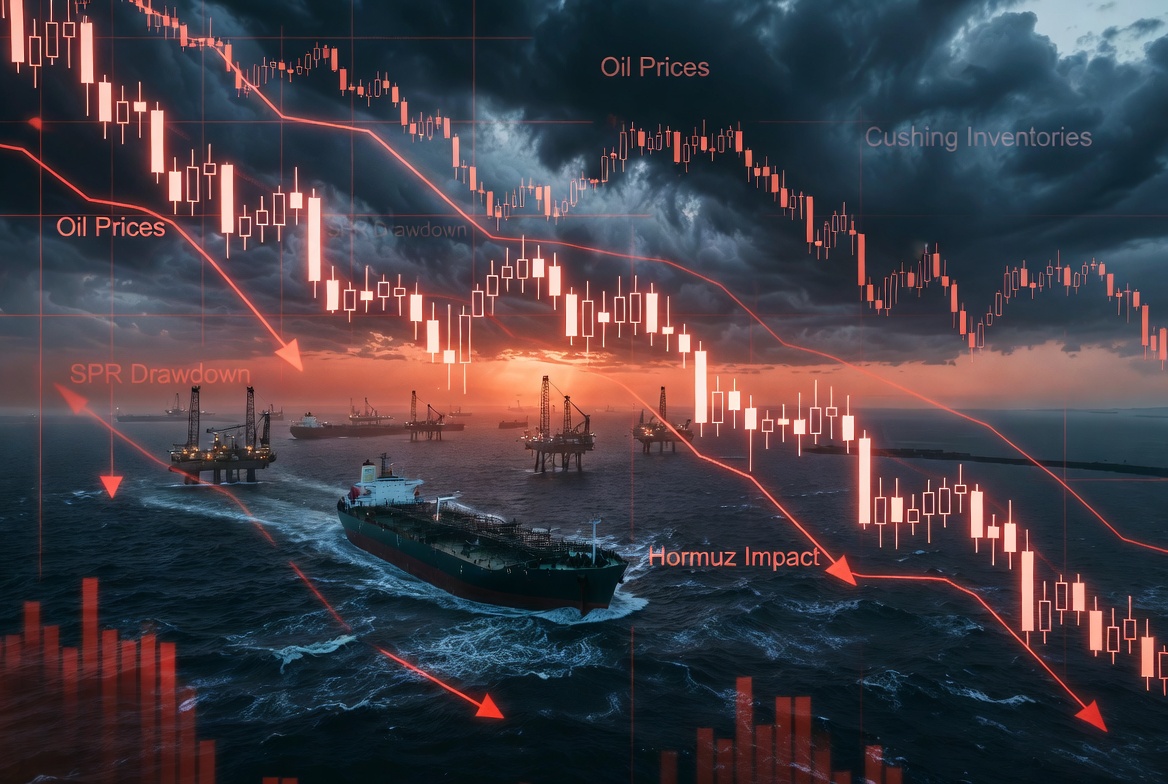



Strait of Hormuz Shipping Crisis Drives 15-25% Freight Cost Surge for Cross-Border Sellers
- Maritime disruption forces Asia-to-US importers to reroute shipments; renewable energy boom creates $3.4T product opportunity in EV and solar categories
















Overview
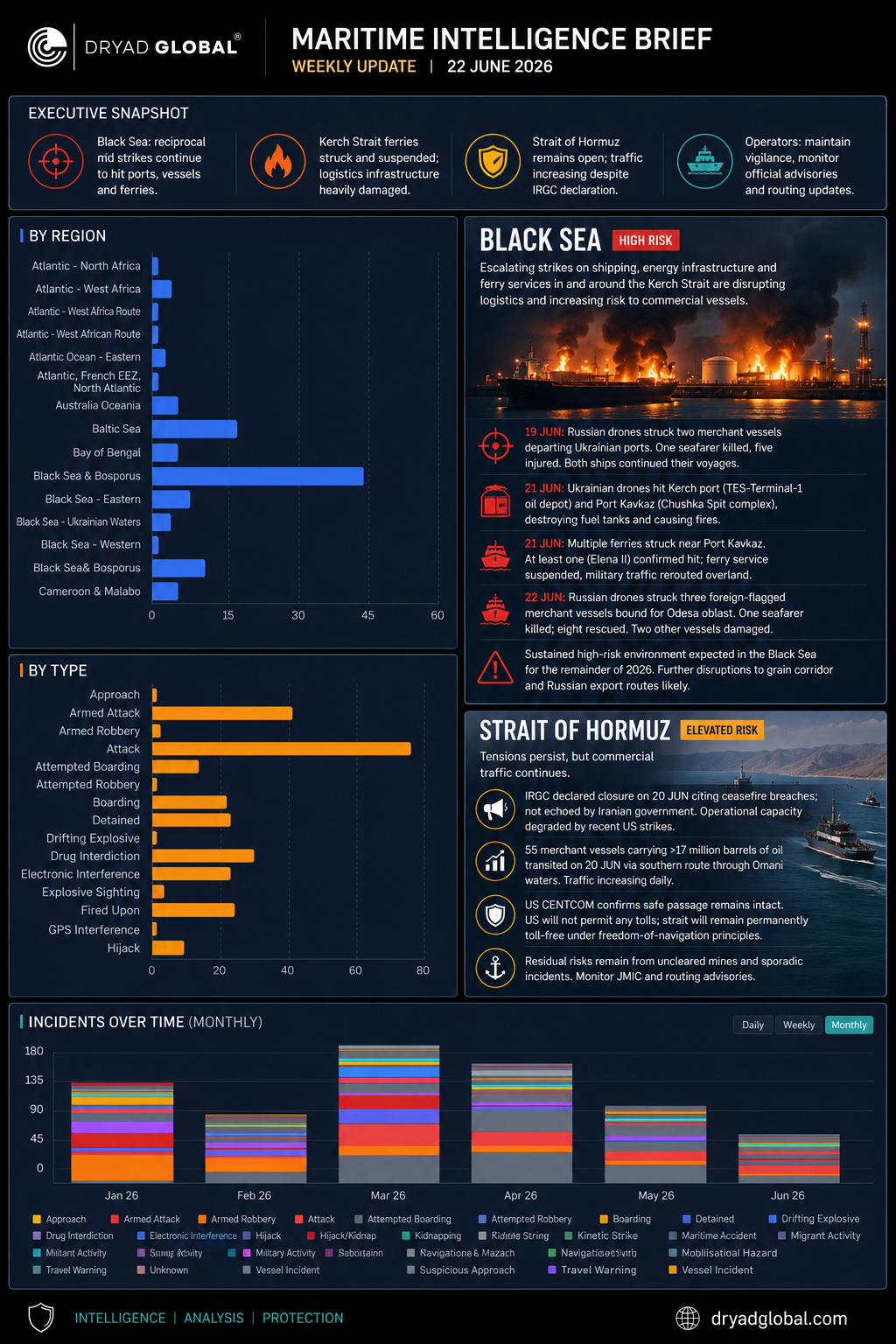
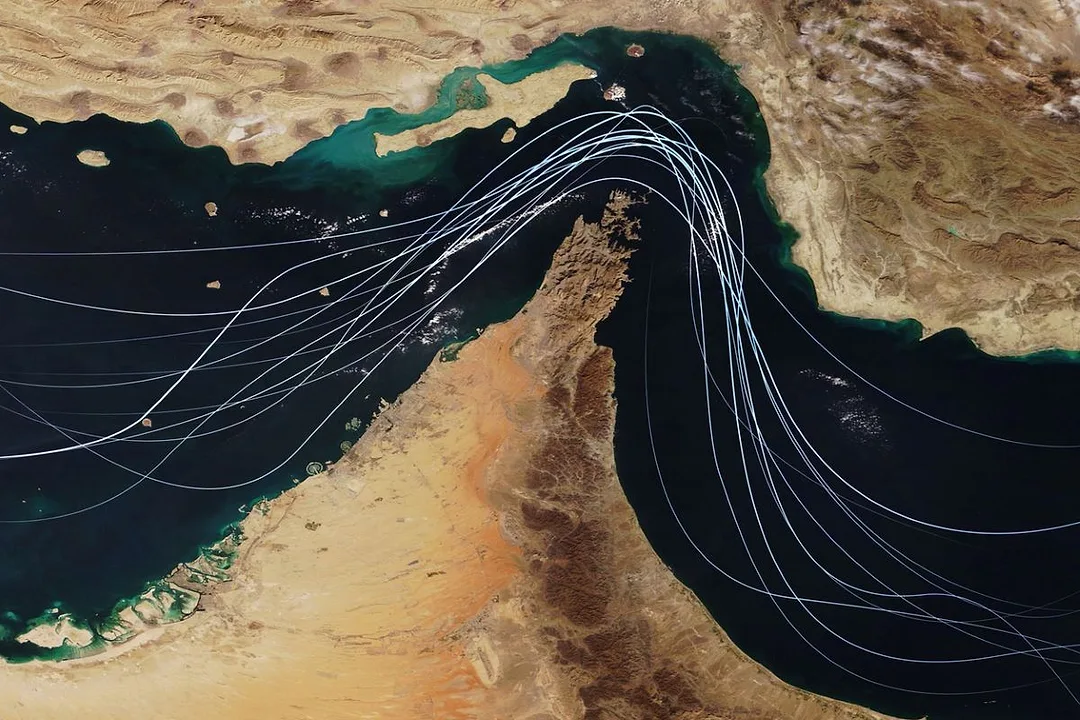
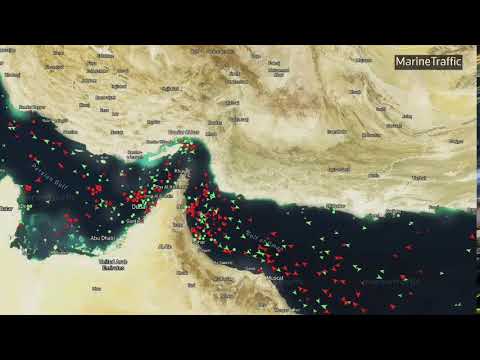
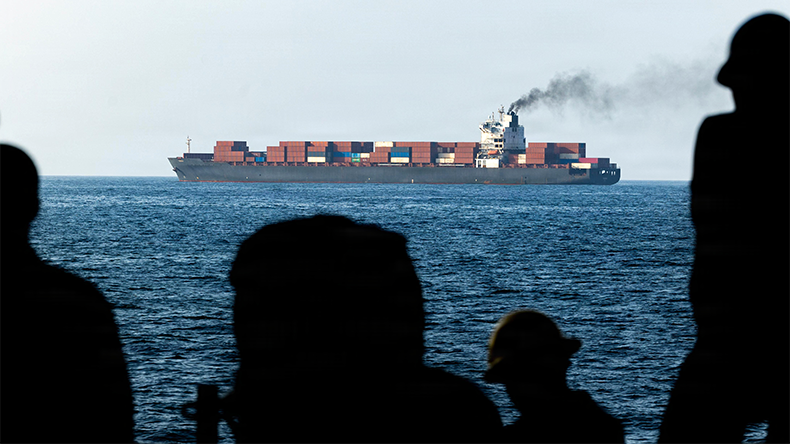
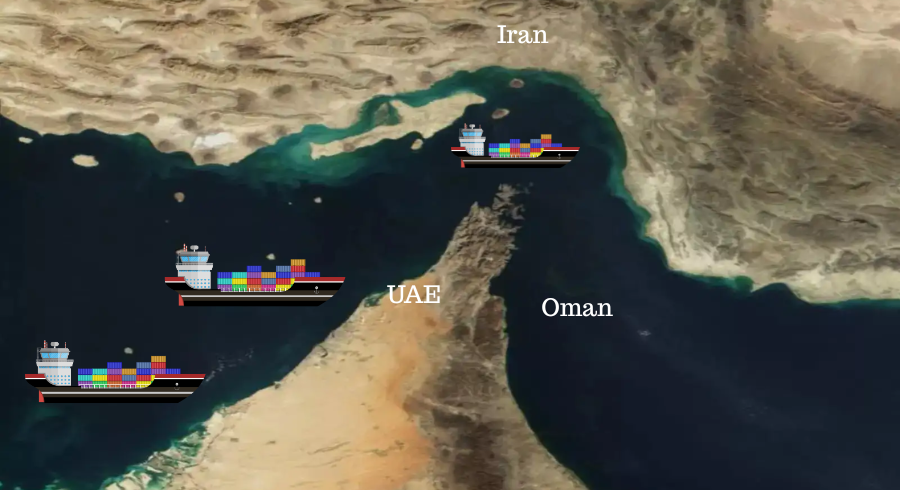
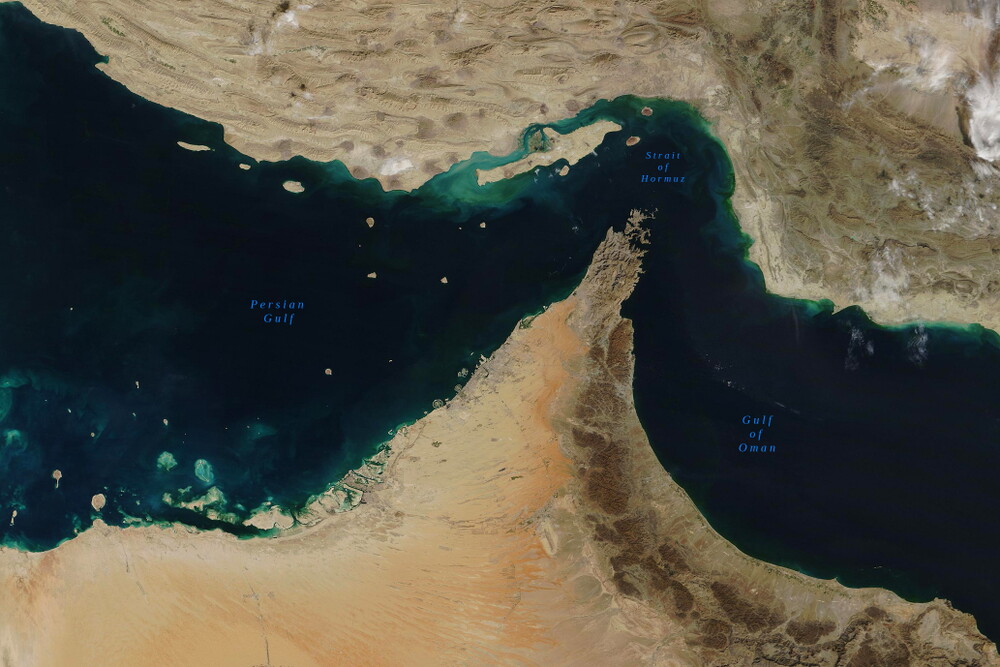
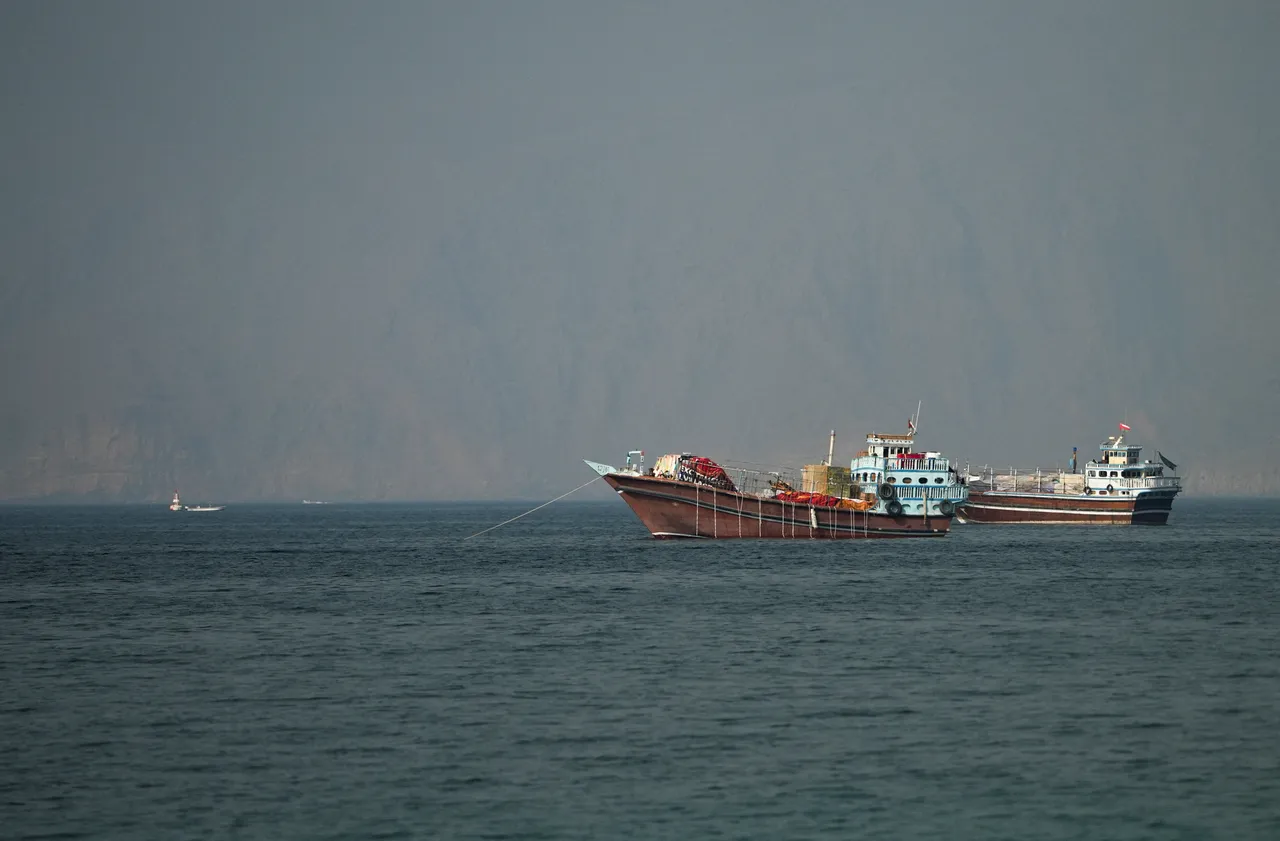
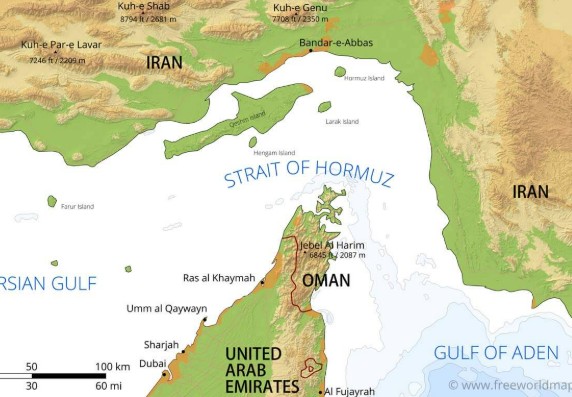
The U.S.-Iran military escalation has created a critical supply chain crisis for cross-border e-commerce sellers. According to Kpler shipping data cited by The New York Times, daily vessel crossings through the Strait of Hormuz—which handles nearly one-fifth of global oil and LNG supplies—dropped sharply following a four-day exchange of attacks beginning February 28, 2026. The waterway experienced a prolonged 100+ day closure, forcing sellers importing goods from Asia to face route diversions, premium freight rates, and extended transit times. For sellers relying on maritime logistics, this translates to immediate cost increases of 15-25% on affected shipments, with particular impact on high-volume importers moving 1,000+ units monthly from China, Vietnam, and India to US and EU markets.
The operational impact is immediate and severe. Sellers importing electronics, apparel, home goods, and consumer products from Asia now face three critical challenges: (1) Shipping cost escalation—alternative routes via Suez Canal or air freight command 20-30% premiums over standard Hormuz passages; (2) Transit time extension—rerouted shipments add 10-21 days to typical 30-40 day ocean transit, compressing inventory turnover and increasing working capital requirements; (3) Permit complexity—Iran's demand for vessel permits and use of Iranian waters creates regulatory uncertainty, forcing logistics providers to navigate conflicting international maritime law. Sellers exporting to Middle Eastern markets (UAE, Saudi Arabia, Kuwait) face reciprocal challenges with outbound shipments. The news explicitly states that "companies importing goods from Asia or exporting to Middle Eastern markets face potential route diversions, longer transit times, and premium freight rates," with "uncertainty surrounding permit requirements and safe passage" adding planning complexity.
However, the energy crisis simultaneously unlocks a $3.4 trillion product opportunity. News 2 reveals that the Hormuz disruption is catalyzing a structural shift toward renewable energy, with global energy investment projected to reach $3.4 trillion in 2026. Electric vehicle sales surged 30% year-on-year in Europe, 75% in Latin America, and 80% in Asia Pacific during Q1 2026—representing explosive demand for EV-related products (chargers, batteries, accessories, components). Solar panel exports from China jumped 120% to Africa and 150% to Southeast Asia, signaling massive growth in solar equipment, mounting hardware, and installation tools. Approximately 20 countries announced new energy efficiency measures, creating demand for smart home devices, LED lighting, energy monitoring systems, and insulation products. South Korea's plastic-free economy restructuring opens opportunities in sustainable packaging, reusable containers, and eco-friendly alternatives. Sellers positioned in these high-growth categories can capitalize on 75-150% export growth rates while competitors remain focused on traditional logistics challenges.
Strategic seller segmentation reveals divergent impacts. Large sellers (10,000+ monthly units) with established 3PL networks can absorb 15-25% freight cost increases through volume negotiations and alternative routing, though margins compress 2-4%. Mid-market sellers (1,000-10,000 units) face the greatest pressure—freight costs rise $200-500 per shipment, forcing difficult choices between price increases (risking Buy Box loss) or margin compression. Small sellers (<1,000 units) may shift to air freight despite 40-50% cost premiums, or pause inventory replenishment entirely. Conversely, sellers in renewable energy categories (solar, EV, energy efficiency products) can command 10-15% price premiums due to surging demand, offsetting logistics cost increases. Asia-based sellers exporting to Europe benefit from Suez routing (avoiding Hormuz entirely), while China-to-US sellers face maximum disruption. The timing window is critical: sellers must make routing decisions within 2-4 weeks before freight rates stabilize at elevated levels.
Questions 8
What sourcing country shifts should sellers consider to avoid Hormuz routing?
Sellers should evaluate sourcing diversification toward Vietnam, India, Indonesia, and Mexico to bypass Hormuz routing entirely. Vietnam and India offer competitive manufacturing costs (5-15% premium vs. China) while routing shipments through Suez Canal (avoiding Hormuz) or directly to US West Coast via transpacific routes. Mexico provides nearshoring advantages for US sellers, eliminating maritime routing risks entirely. The news indicates that Asia-based sellers exporting to Europe benefit from Suez routing, while China-to-US sellers face maximum disruption. Industry data shows that Vietnam's manufacturing capacity has grown 40% since 2023, with lead times comparable to China (45-50 days vs. 40-45 days). India offers 30-40% labor cost advantages in apparel and consumer goods, though quality control requires 2-3 month vetting. Immediate action: identify top 10 SKUs by volume and evaluate sourcing alternatives within 4 weeks. Pilot 10-20% volume shift to Vietnam or India suppliers, with full transition within 3-6 months if Hormuz disruption persists. Budget 5-10% cost premium for diversification, offset by reduced logistics risk and potential freight savings.
How long is the Hormuz shipping crisis expected to last and when should sellers expect normalization?
The news reports a 100+ day closure that has since reopened, but ongoing U.S.-Iran tensions create persistent disruption risk. The military escalation began February 28, 2026, with the strait experiencing extended closure before reopening, though daily vessel crossings remain below pre-crisis levels. The news states that 'the situation reflects broader Middle East instability that could persist, requiring contingency planning for affected supply chains,' indicating 3-6 month minimum disruption window. Shipping rates typically normalize 4-8 weeks after geopolitical tensions ease, but permit requirements and Iranian demands for vessel compliance create structural uncertainty. Sellers should plan for elevated freight costs through Q2-Q3 2026 (3-6 month horizon) and maintain contingency routing through Q4 2026. Monitor weekly updates from Kpler shipping data and US State Department travel advisories. Establish decision triggers: if Hormuz remains closed >30 days, shift 50% of inventory to alternative sourcing (Vietnam, India, Mexico) or increase air freight allocation to 15-20% of volume.