


Southeast Asia Solar Boom Drives $407M Import Surge | Tariff Arbitrage & Market Entry Opportunity
- Philippines becomes world's largest solar panel market with 145% YoY import growth; Chinese suppliers gain 33% market share advantage; 3-year payback period creates $6,500+ household spending opportunity across SEA region

Overview
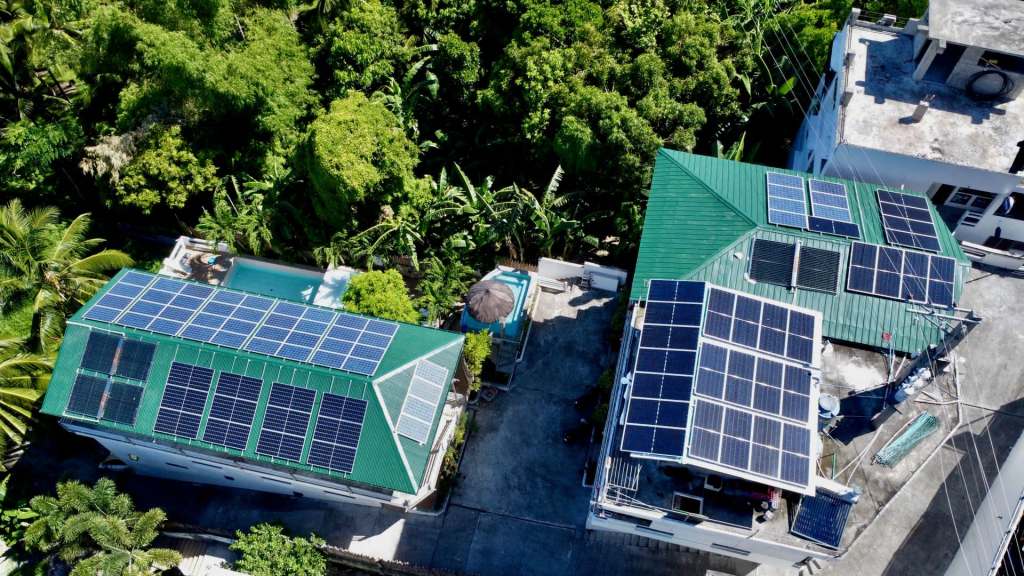
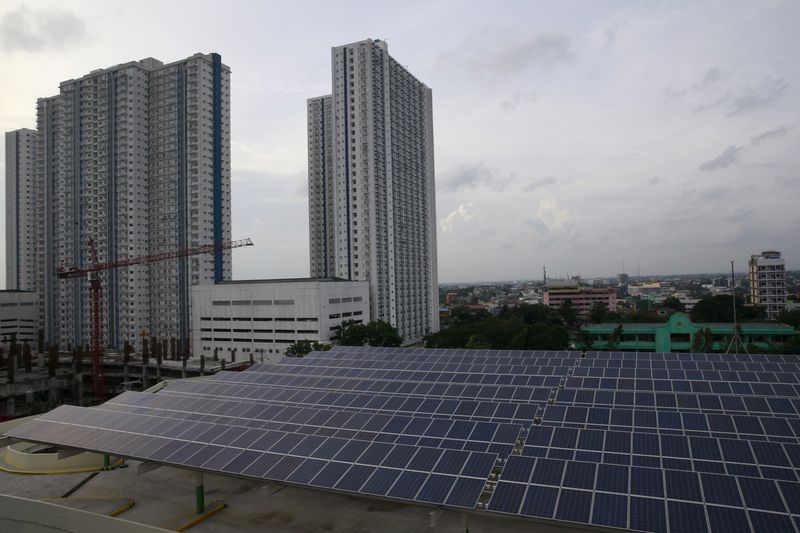
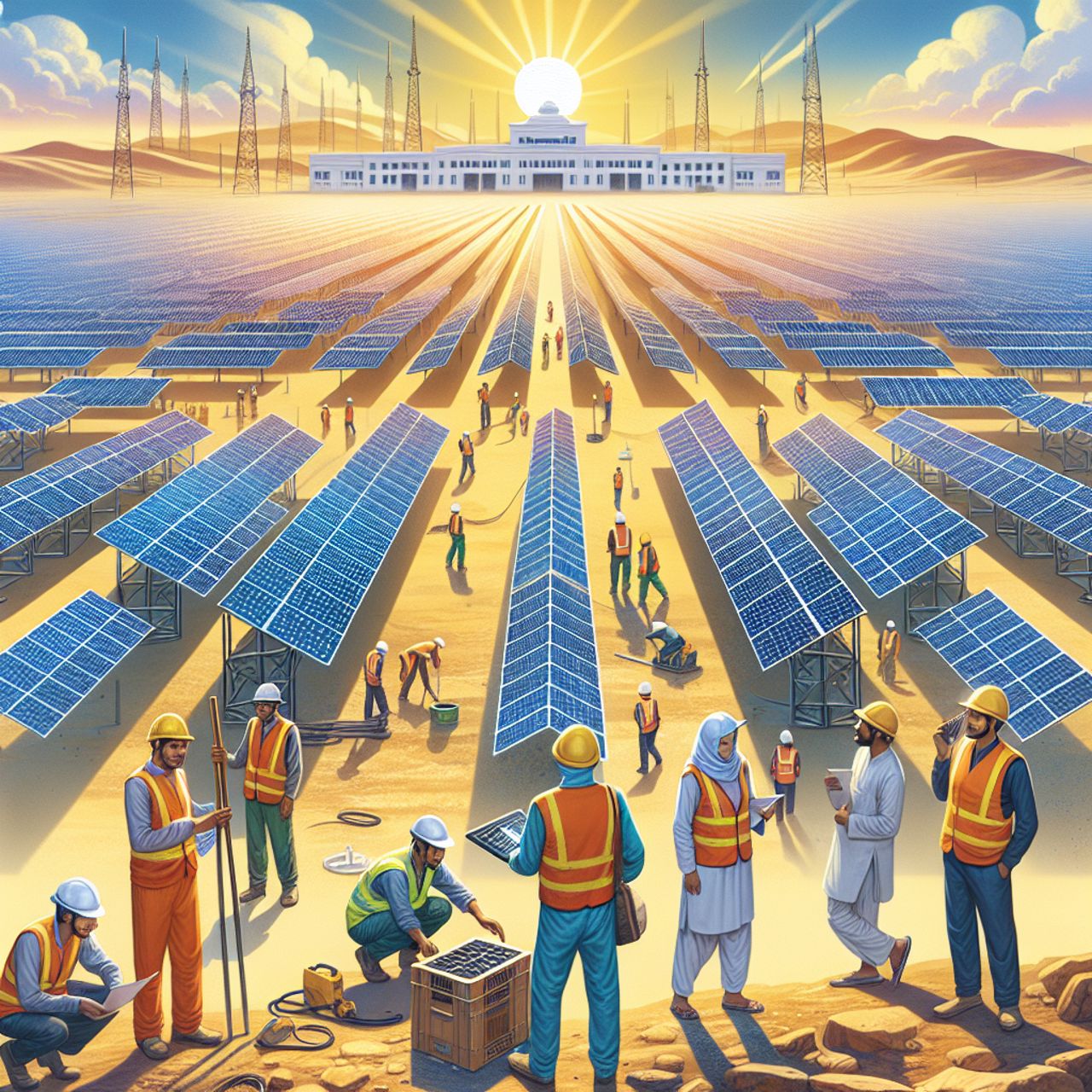
The Philippines has emerged as the world's largest residential solar panel market since February 2024, driven by geopolitical energy shocks and electricity price inflation. Solar panel imports surged to $407 million in Q1-Q2 2024, representing a 145% year-over-year increase, with Chinese shipments rising by nearly one-third despite global exports declining 13% in May. This represents a critical tariff arbitrage and market access opportunity for cross-border sellers, particularly those sourcing from China and Vietnam.
Market Dynamics & Tariff Opportunity: The Philippines maintains the highest residential power prices in Southeast Asia outside Singapore, with Meralco raising rates 10% since the Iran conflict began. Median households now spend 12% of monthly income on electricity, compressing solar payback periods from 4 years to 3.1 years. This economic pressure creates sustained demand: Manila-based installer Philergy German Solar received 2-12x more inquiries in early 2024, peaking at 3,000 daily inquiries. Distributed solar capacity could triple to 3,500 megawatts within two years. The weakening Philippine peso (down significantly against USD) creates favorable sourcing conditions for Chinese manufacturers exporting to the Philippines, while simultaneously making imports more expensive for local consumers—a classic tariff arbitrage window.
Competitive Advantage & Sourcing Strategy: Chinese suppliers have captured a 33% market share increase in Philippine imports, signaling that tariff structures favor Chinese solar equipment. Vietnam and India represent alternative sourcing corridors with potentially lower tariff exposure. Sellers should evaluate HS codes 8541.40 (solar cells) and 8504.40 (power converters/inverters) for tariff rate differentials across origin countries. The supply chain currently shows component hoarding and volatile equipment costs, indicating first-mover advantage for sellers establishing reliable inventory pipelines. Installation services lag demand by 40-50%, creating B2B opportunities for equipment distribution to local installers.
Regional Expansion & Market Access: The trend extends across Southeast Asia—Malaysia and Indonesia report installation rates increasing from 5-7 to 8-10 houses daily post-conflict. China shipped 5.5 gigawatts of solar capacity to SEA in March 2025, double the prior year. This indicates market access windows opening in multiple countries simultaneously. Sellers should prioritize Philippines (highest price elasticity), Malaysia (architect/professional segment), and Indonesia (largest population base) for phased market entry. Government-subsidized loans up to 500,000 pesos exclude private-sector workers, creating B2C e-commerce opportunity for financing-conscious middle-class households earning 353,200 pesos annually.
Questions 7
How does the Strait of Hormuz geopolitical risk create long-term market opportunity?
Southeast Asia's heavy dependence on imported oil for electricity generation creates structural vulnerability to geopolitical disruptions. The Iran conflict triggered 10% electricity price increases at Meralco, demonstrating direct geopolitical-to-consumer cost transmission. Industry experts predict this trend will continue as unpredictable geopolitical events recur, establishing solar as long-term energy security solution rather than temporary response. This transforms solar from climate initiative into essential infrastructure, supporting sustained demand beyond current crisis cycle. Sellers should position solar equipment as energy security hedge rather than cost-saving measure, targeting risk-conscious households and businesses. The geopolitical risk premium supports higher pricing and customer willingness-to-pay, improving margins. Expect demand to remain elevated for 3-5 years as households build resilience against future supply shocks.
What supply chain gaps exist in the current solar market that sellers can exploit?
Installations lag demand by 40-50% due to component hoarding and volatile equipment costs, creating B2B opportunity for reliable equipment distribution to local installers. Philergy German Solar received 2-12x more inquiries than capacity, indicating severe installer shortage. Distributed solar capacity could triple to 3,500 megawatts within two years, but supply constraints limit growth. Sellers can establish competitive advantage by securing stable inventory pipelines from Chinese/Vietnamese manufacturers and offering just-in-time delivery to installers. The component hoarding indicates price volatility—sellers with hedged inventory positions can offer price stability to installers, capturing margin premium. Government-subsidized loans exclude private-sector workers (estimated 40-50% of target market), creating financing gap for e-commerce platforms to fill.