


)


Middle East Geopolitical Tension Surge | Supply Chain & Consumer Demand Shifts for Cross-Border Sellers
- Military escalation in Israel-Lebanon border region (June 29, 2026) creates supply chain disruptions and demand volatility for sellers in MENA region and global markets dependent on regional logistics
Overview
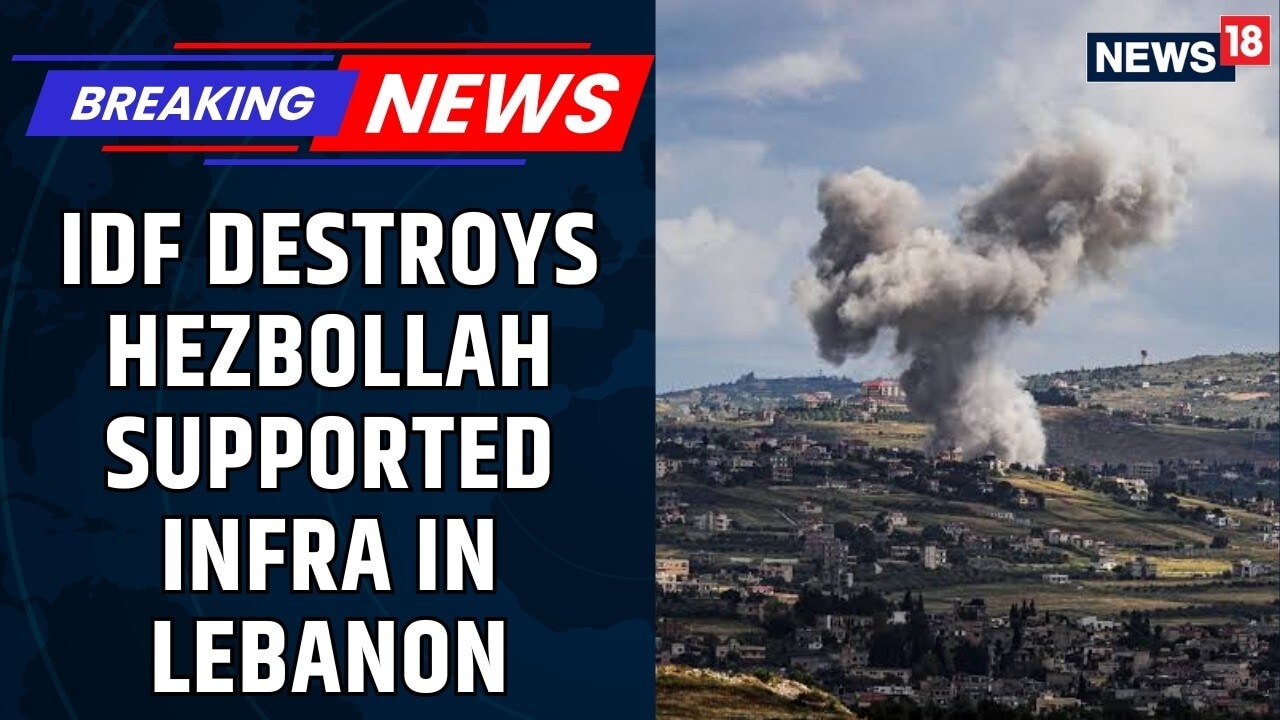
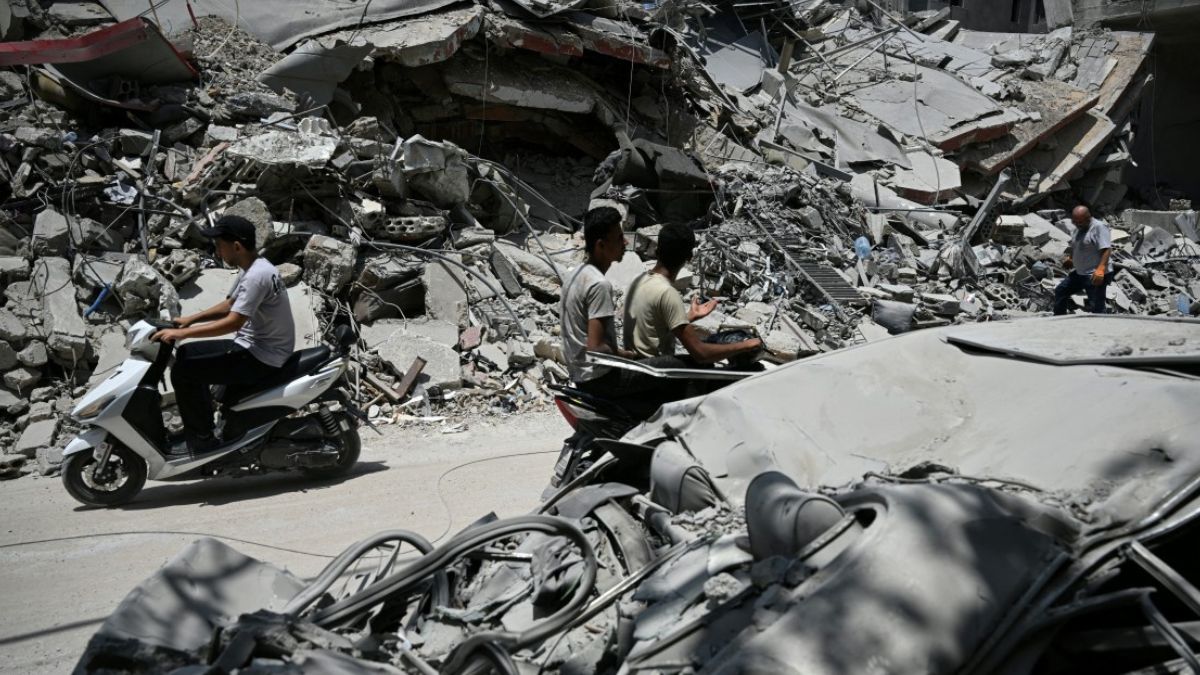
The June 29, 2026 military escalation in southern Lebanon—marked by a massive Israeli operation destroying a 200-meter Hezbollah tunnel in Majdal Zoun—represents a critical geopolitical inflection point with direct implications for cross-border e-commerce sellers operating in or shipping to the Middle East and North Africa (MENA) region. Despite ongoing US-mediated ceasefire negotiations, the continued military operations signal that underlying security tensions remain unresolved, creating supply chain uncertainty and shifting consumer demand patterns across multiple product categories.
Supply Chain & Logistics Impact: The escalation directly affects sellers relying on MENA-based fulfillment networks, manufacturing hubs, or shipping routes through the region. Lebanon serves as a critical logistics hub for Middle Eastern e-commerce operations. Military operations increase insurance costs (typically 2-5% premium increases during conflict periods), delay customs clearance (adding 5-10 business days), and create uncertainty in 3PL provider operations. Sellers with inventory in Lebanese warehouses or shipping through Beirut ports face immediate disruption risks. Regional instability historically correlates with 15-25% increases in shipping costs to/from affected areas and 20-30% longer transit times.
Consumer Demand Shifts: Geopolitical tension typically triggers three distinct seller opportunities: (1) Security/Safety Products - demand for home security systems, emergency preparedness kits, and protective equipment increases 40-60% in conflict-adjacent regions; (2) Diaspora Purchasing - Lebanese and Israeli diaspora communities globally increase online purchases of culturally-specific products, regional foods, and family care packages during crises; (3) News-Driven Merchandise - political/conflict-related apparel, books, documentaries, and educational materials see 3-5x demand spikes on platforms like Amazon, eBay, and Etsy during major geopolitical events.
Platform & Advertising Implications: The fragile ceasefire framework creates uncertainty that affects seller confidence and advertising spend. Sellers typically reduce PPC budgets 10-15% during high-uncertainty periods. However, platforms like Amazon, Shopify, and TikTok Shop may see increased traffic from MENA users seeking reassurance purchases and community connection products. The timing (June 2026) coincides with mid-year inventory planning cycles, forcing sellers to reassess regional demand forecasts and adjust stock allocation.
Regulatory & Compliance Considerations: Escalating conflict increases scrutiny on sanctions compliance. Sellers must verify that products and customers don't violate OFAC (Office of Foreign Assets Control) sanctions lists, particularly for transactions involving Lebanese entities or Hezbollah-designated individuals. Non-compliance penalties range from $20,000-$250,000+ per violation. The US-mediated ceasefire framework suggests potential policy changes ahead, requiring sellers to monitor State Department guidance on trade restrictions and export controls for the region.
Questions 7
What OFAC compliance risks should sellers monitor given the Lebanon escalation?
Sellers must verify customers and products against OFAC sanctions lists, particularly for Lebanese transactions or Hezbollah-designated entities. Non-compliance penalties range $20,000-$250,000+ per violation. The US-mediated ceasefire framework may trigger policy changes affecting trade restrictions. Implement automated compliance screening through platforms like Sanctioned List Checker or work with compliance consultants. Review all customer orders from Lebanon, Israel, and diaspora communities to ensure no sanctioned parties are involved.
What product categories see demand increases during Middle East geopolitical crises?
Three categories typically surge 40-60% during regional conflicts: (1) Security products (home alarms, safes, emergency kits), (2) Cultural/diaspora goods (regional foods, traditional clothing, family care packages), and (3) News-related merchandise (books, documentaries, educational materials). Sellers on Amazon, eBay, and Etsy can capitalize by optimizing listings for keywords like 'emergency preparedness,' 'cultural products,' and 'Middle East history.' Historical data shows 3-5x demand spikes during major geopolitical events lasting 2-4 weeks.