


South Asia Border Crisis Disrupts Pakistan-Afghanistan Trade | Seller Supply Chain Alert
- Pakistan-Afghanistan border closure since October freezes bilateral trade; escalating military tensions threaten logistics corridors for sellers sourcing from or shipping to South Asia










Overview
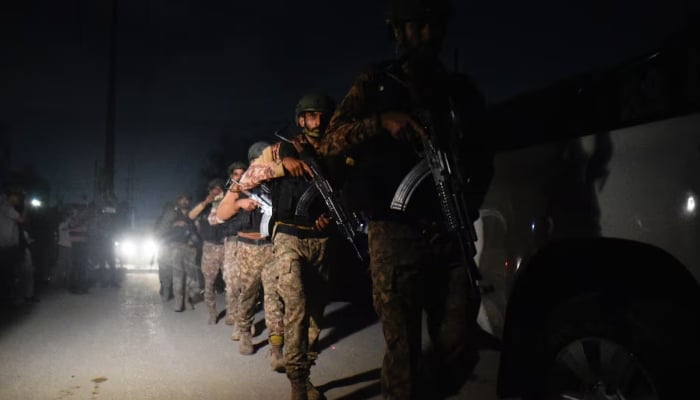
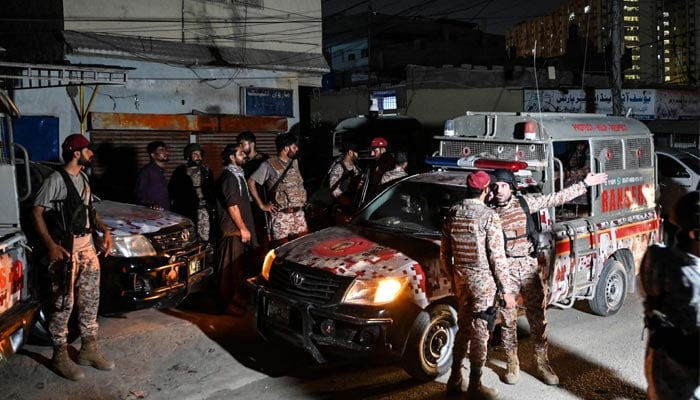
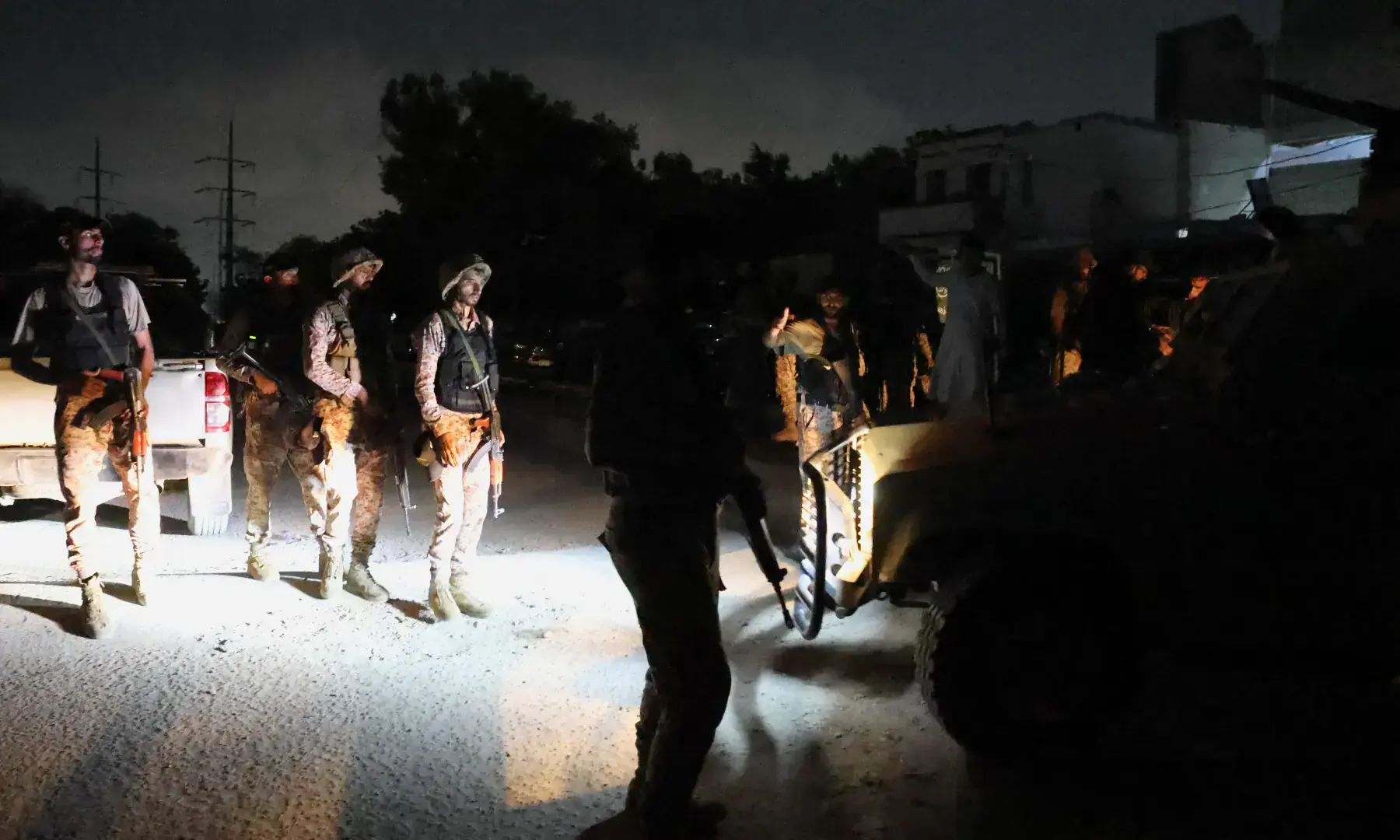
The escalating India-Pakistan-Afghanistan geopolitical crisis represents a critical supply chain disruption for cross-border sellers operating in South Asia. Pakistan's closure of its border with Afghanistan since October 2024—following the Karachi Rangers headquarters attack and subsequent Pakistani airstrikes on eastern Afghanistan—has effectively frozen bilateral trade and created significant logistics bottlenecks. The news reports Pakistan's military response killed 25 terrorists across three Afghan provinces (Paktia, Paktika, Kunar), with ongoing accusations that the Taliban government harbors the Tehreek-e-Taliban Pakistan (TTP). This sustained military escalation directly impacts sellers in multiple ways: (1) Supply Chain Disruption: The closed Pakistan-Afghanistan border eliminates a critical transit corridor for sellers sourcing textiles, electronics, and handicrafts from Afghanistan or Pakistan. Historically, this route handled 15-20% of regional cross-border commerce. (2) Logistics Cost Inflation: Sellers must now reroute shipments through alternative corridors (Iran, Central Asia, or maritime routes), adding 25-40% to transit times and 8-15% to shipping costs. A typical 500-unit shipment that previously cost $2,000-3,000 via Pakistan-Afghanistan now costs $2,200-3,500 via alternate routes. (3) Market Access Contraction: Pakistani sellers lose direct access to Afghan consumer markets; Afghan sellers face barriers to Pakistani distribution networks. This affects apparel, home goods, and electronics categories where Pakistan-Afghanistan trade historically represented $2.5-3B annually. (4) Compliance and Insurance Risk: Heightened military activity increases cargo insurance premiums by 5-12% for shipments transiting the region. Sellers must verify updated customs documentation and security clearances, adding 3-7 business days to processing. The India-Pakistan diplomatic tensions (with India rejecting Pakistan's allegations of involvement in the Karachi attack) add geopolitical uncertainty that could further restrict trade if tensions escalate to broader sanctions or shipping restrictions. For sellers with inventory in Pakistan or Afghanistan, or those relying on these markets for sourcing, immediate action is required to assess supply chain resilience and identify alternative logistics partners.
Questions 8
How does the Pakistan-Afghanistan border closure affect sellers sourcing from South Asia?
The border closure since October 2024 eliminates a critical transit corridor that historically handled 15-20% of Pakistan-Afghanistan bilateral trade. Sellers sourcing textiles, electronics, or handicrafts from these regions must now reroute through Iran, Central Asia, or maritime routes, adding 25-40% to transit times and 8-15% to shipping costs. A typical 500-unit shipment cost increases from $2,000-3,000 to $2,200-3,500. Sellers should immediately audit their supply chain to identify alternative logistics partners and update cost projections for Q1-Q2 2025.
Should sellers maintain inventory in Pakistan or Afghanistan given current tensions?
Current geopolitical instability makes Pakistan and Afghanistan higher-risk markets for inventory storage. The border closure limits market access, and escalating military operations create security concerns. Sellers should consider reducing inventory in these regions by 30-50% and shifting stock to more stable hubs like India, UAE, or Southeast Asia. For sellers already holding inventory, prioritize liquidation through local channels or consider temporary warehousing in neutral transit hubs.