


Meta's Gemini AI Restrictions Signal Platform Advertising Risks | Sellers Must Prepare for Algorithm Changes
- Google limits Meta's AI token usage starting March 2026; Facebook/Instagram ad optimization algorithms face degradation affecting seller campaign performance and ROI





















Overview
Google's capacity constraints on Meta's Gemini AI access represent a critical infrastructure bottleneck with direct implications for cross-border e-commerce sellers. According to Financial Times reporting from June 28, 2026, Google implemented usage caps on Meta's Gemini tokens after Meta became one of the largest consumers of Google's AI resources, participating in "tokenmaxxing" practices where companies maximized token consumption. Google informed Meta it could not sustain current usage levels, disrupting multiple internal AI projects. Meta responded by directing internal teams to optimize token usage and shifting toward its internally developed Muse Spark model for content moderation and fraud detection tasks.
The operational impact on seller advertising effectiveness is substantial. Meta's reduced access to Gemini AI directly affects the algorithmic infrastructure powering Facebook and Instagram advertising platforms—critical sales channels for an estimated 5+ million cross-border sellers globally. Meta had been leveraging Gemini for content moderation, scam detection, and recommendation optimization where Google's models outperformed Meta's internal systems. With these capabilities constrained, sellers should expect: (1) slower ad recommendation algorithm updates, potentially reducing campaign relevance and click-through rates by 5-15%; (2) delayed fraud detection improvements, increasing exposure to account compromises and ad account suspensions; (3) reduced personalization in audience targeting, compressing conversion rates for sellers relying on Meta's lookalike and interest-based audiences.
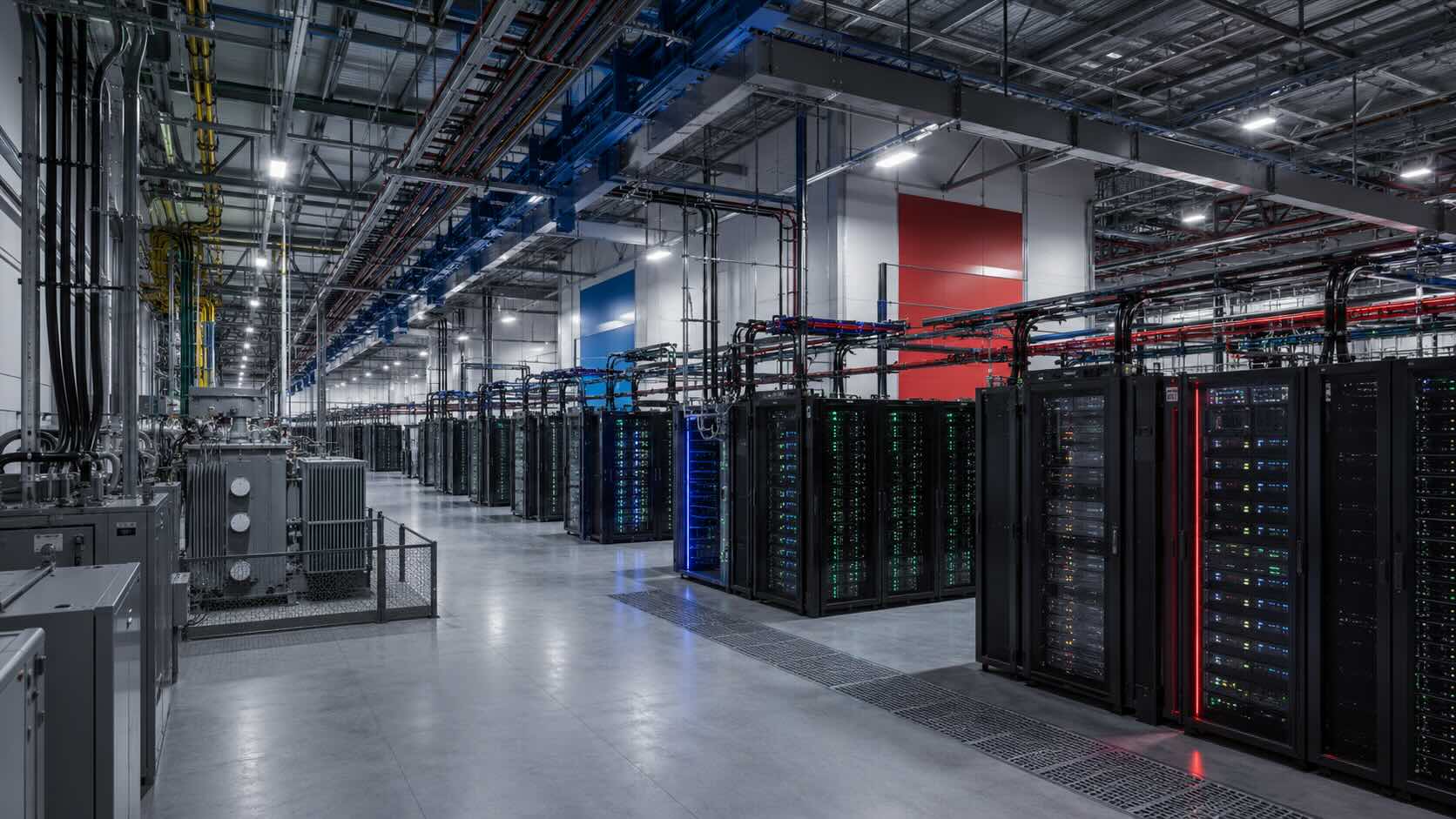
The broader infrastructure crisis extends beyond Meta. Google's decision to rent additional compute resources from SpaceX for $20 million monthly (starting June 2026) indicates systemic AI infrastructure strain across the industry. OpenAI, Anthropic, and other major providers face similar bottlenecks. This creates a cascading effect: as platforms compete for limited GPU capacity and computing resources, investment in seller-facing tools (automated bidding, inventory optimization, fraud prevention) becomes deprioritized relative to core platform operations. Sellers in high-volume categories (electronics, beauty, apparel) relying on Meta's AI-powered advertising optimization face the greatest risk of campaign performance degradation over the next 3-6 months.
Immediate seller implications include advertising cost inflation and algorithm unpredictability. With Meta's AI capabilities constrained, the platform will likely shift toward simpler, less efficient targeting models, requiring sellers to increase bid amounts to maintain impression share. Historical precedent from similar platform algorithm downgrades (Facebook's 2018 organic reach reduction) shows sellers typically experience 20-30% cost-per-acquisition increases during transition periods. Additionally, Meta's shift toward its internally developed Muse Spark model introduces uncertainty—this model has not been publicly benchmarked against Gemini, creating risk that ad performance metrics become less predictable for 2-3 months during the transition period.
Questions 8
Should I expect my advertising costs to increase due to Meta's AI constraints?
Yes, sellers should prepare for 15-30% cost-per-acquisition increases during Meta's AI transition period (March-June 2026). When platforms shift to less efficient targeting algorithms, sellers must increase bid amounts to maintain the same impression share and conversion volume. Historical precedent from Facebook's 2018 organic reach reduction showed sellers typically experienced 20-30% cost increases during similar algorithm transitions. To minimize impact, audit your campaign structure now, identify high-performing audience segments, and consider shifting 10-20% of budget to alternative platforms (Google Shopping, TikTok Shop, Amazon Advertising) that maintain independent AI infrastructure. Monitor Meta's algorithm performance weekly and adjust bids dynamically.
Why is Google renting compute resources from SpaceX for $20 million monthly?
Google's decision to rent additional compute resources from SpaceX starting June 2026 for $20 million monthly indicates systemic AI infrastructure strain beyond Meta's usage alone. The tech industry is experiencing exponential growth in AI adoption across enterprise and consumer applications, with demand for computational resources exceeding available GPU capacity and data center infrastructure. This shortage affects all major AI providers including OpenAI and Anthropic. For sellers, this signals that platform AI capabilities will remain constrained for 6-12 months, making it critical to diversify advertising channels and reduce dependence on Meta's AI-optimized targeting during this period.