
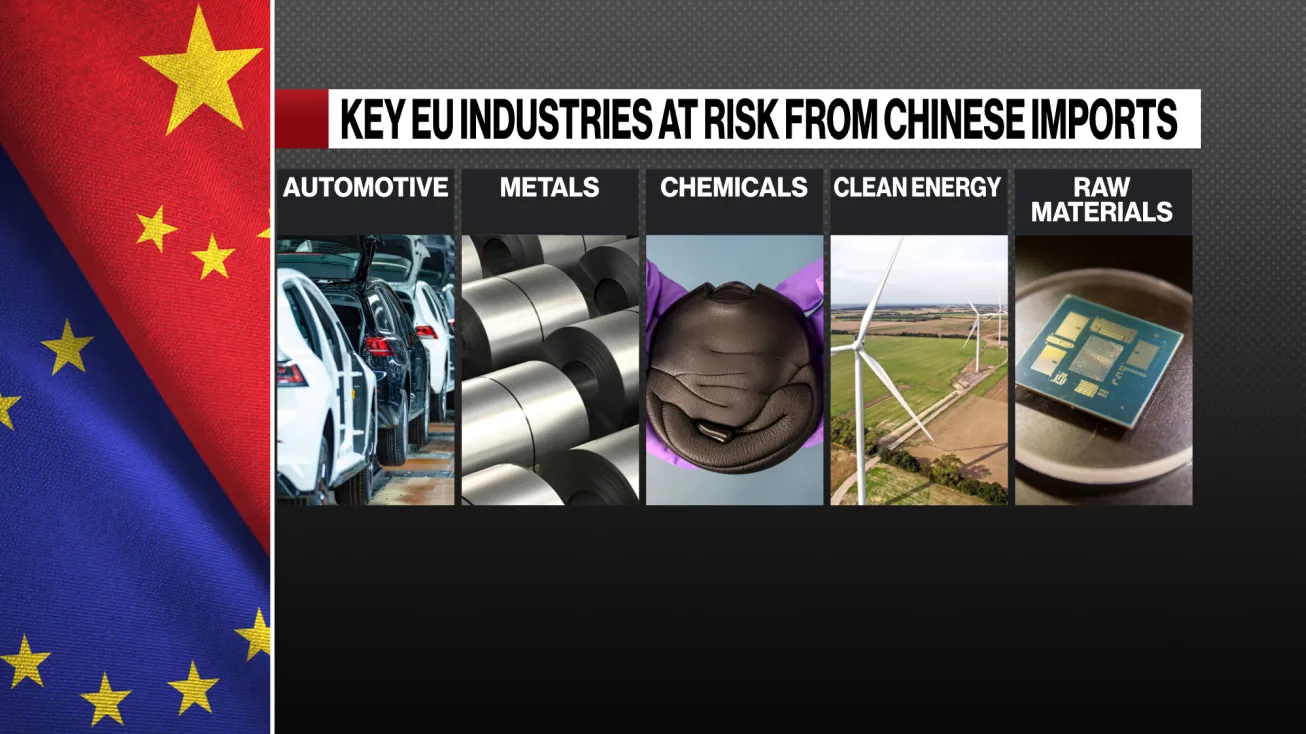

EU-China Trade War Escalates | Tariff Shock Reshapes Cross-Border Seller Strategy
- EU trade deficit with China surges 15% YoY; emergency tariffs on chemicals/machinery expected before August recess; sellers must diversify sourcing immediately










)

Overview
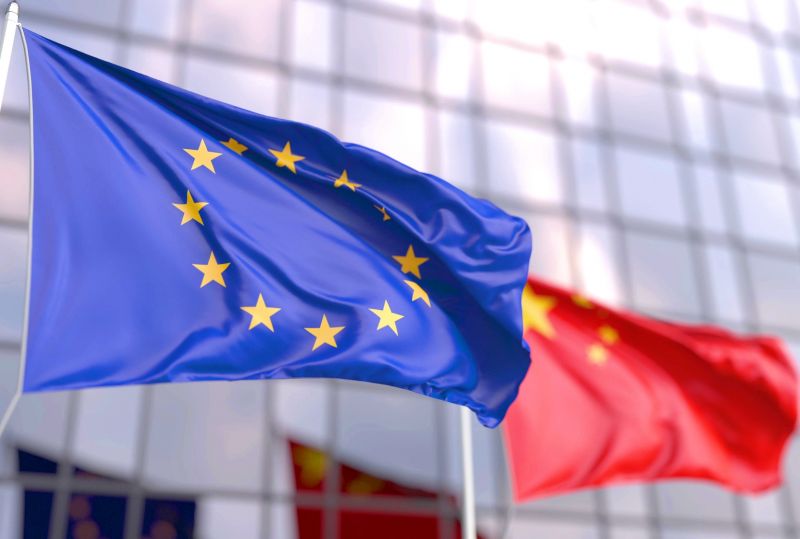
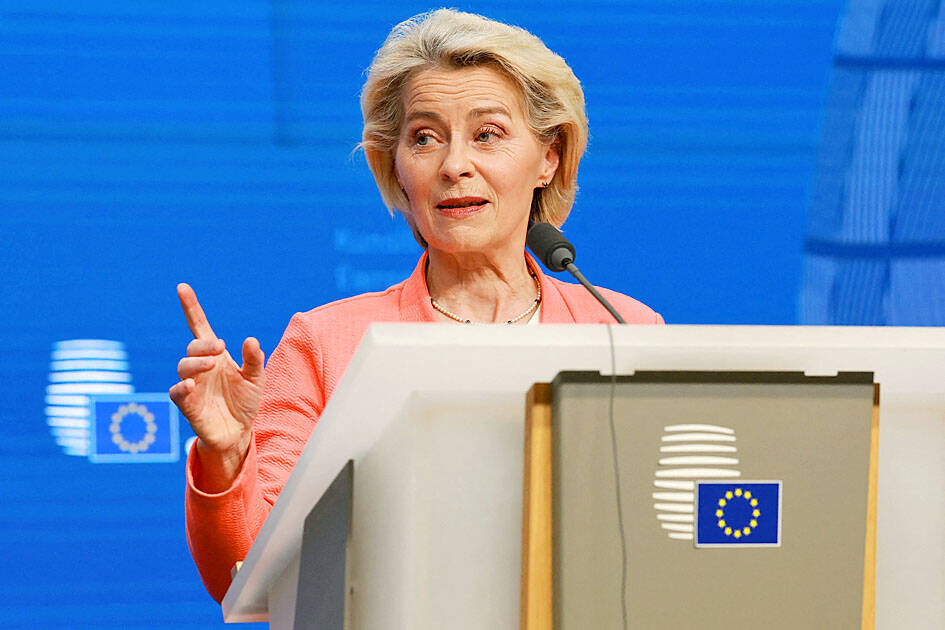
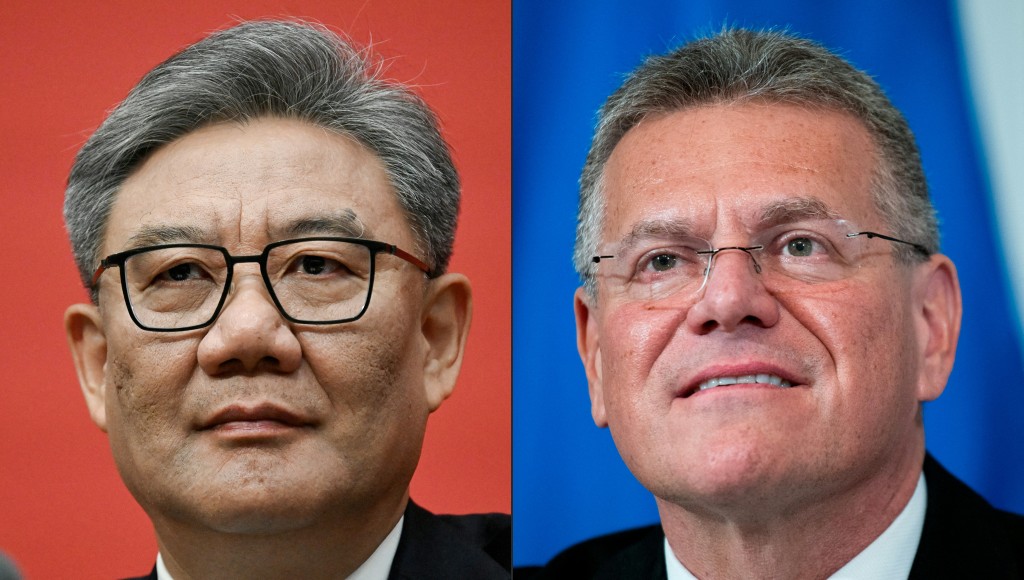
The European Union faces a critical trade inflection point as escalating tensions with China threaten to fundamentally reshape cross-border e-commerce supply chains. The bloc's trade deficit with China widened 15% year-on-year in May 2024, while Germany's deficit expanded 31.6%—signaling structural overcapacity in Chinese manufacturing that directly impacts sellers sourcing from the region. EU officials explicitly cite "subsidies, massive overcapacities, and artificial currency manipulation" as unfair competitive practices, setting the stage for emergency tariffs and quotas in chemicals and machinery sectors before the Commission's August recess.
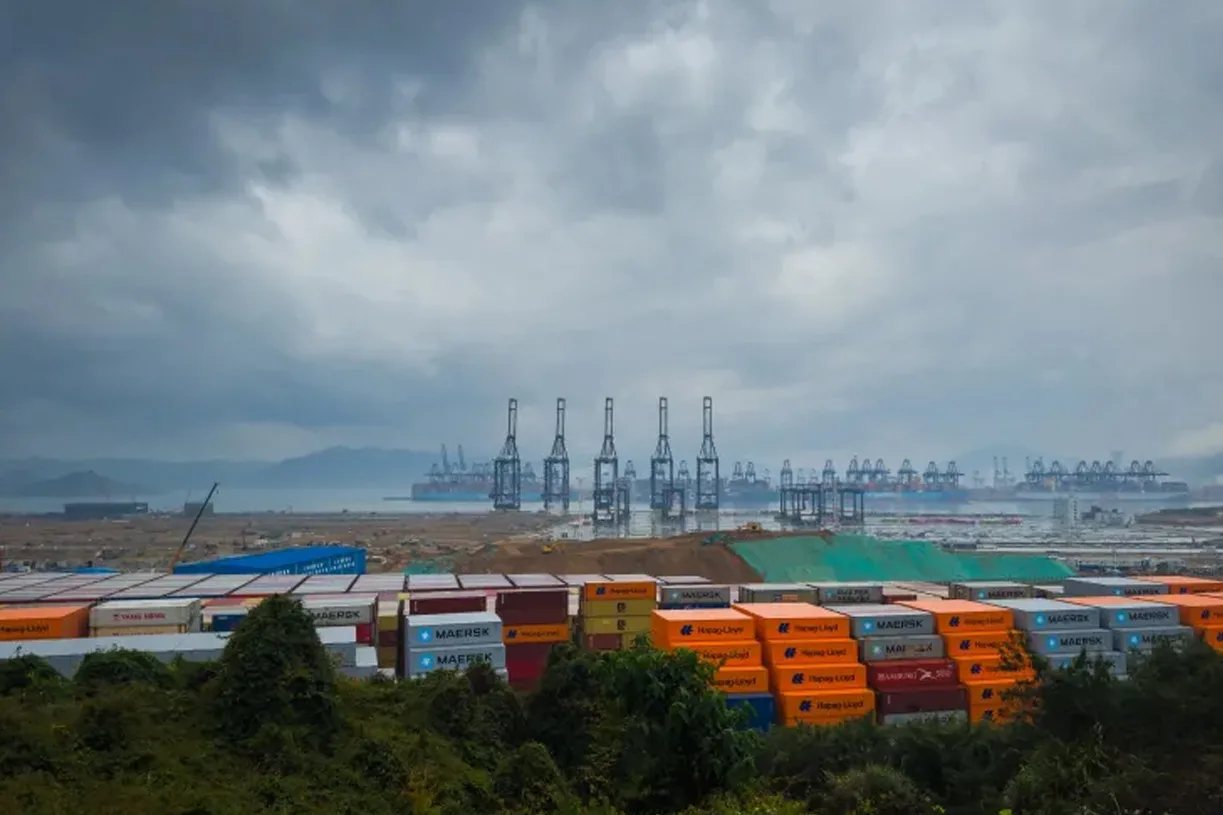
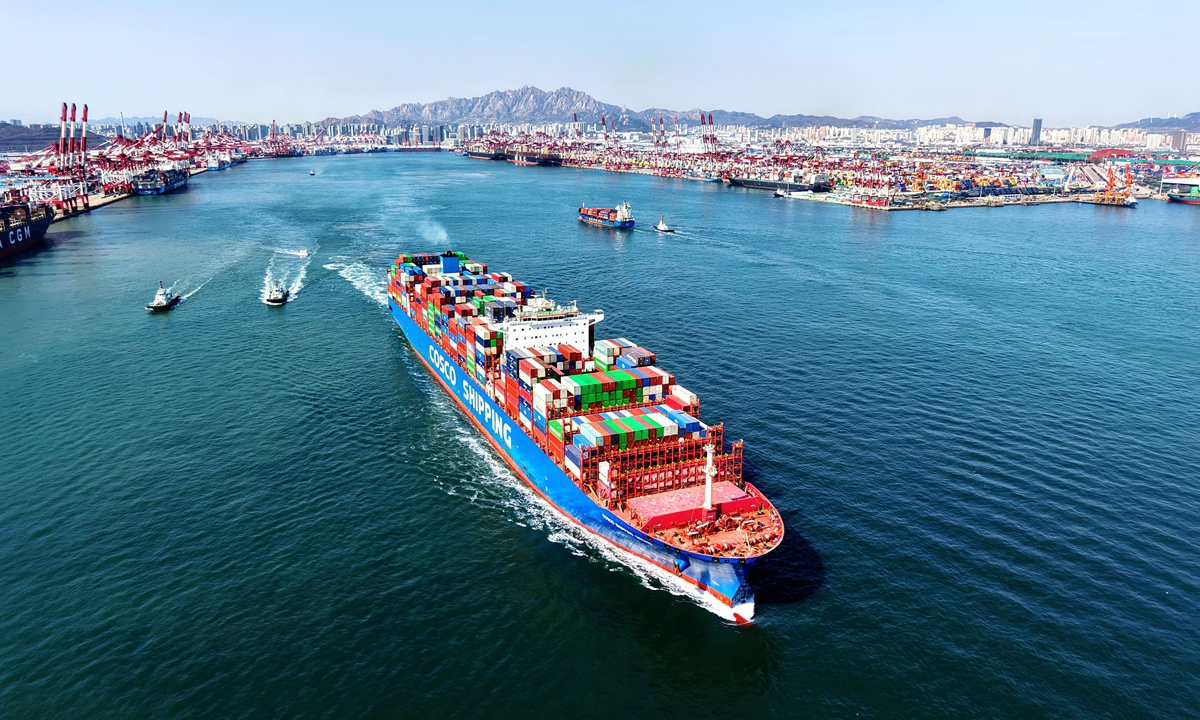
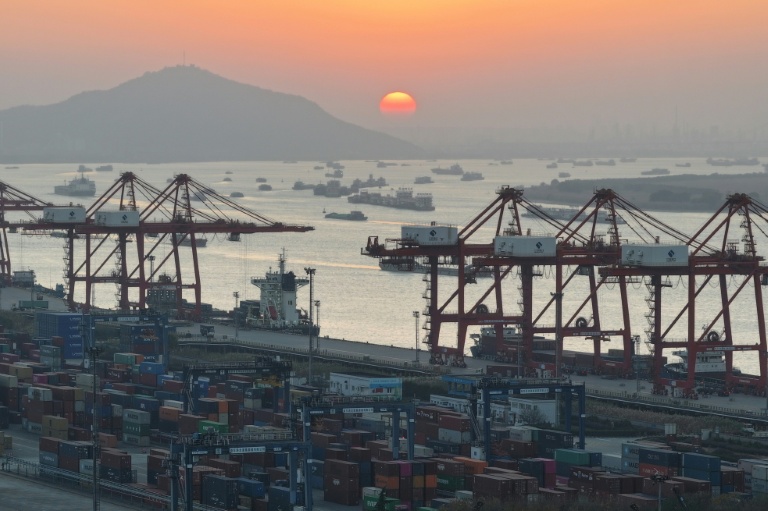
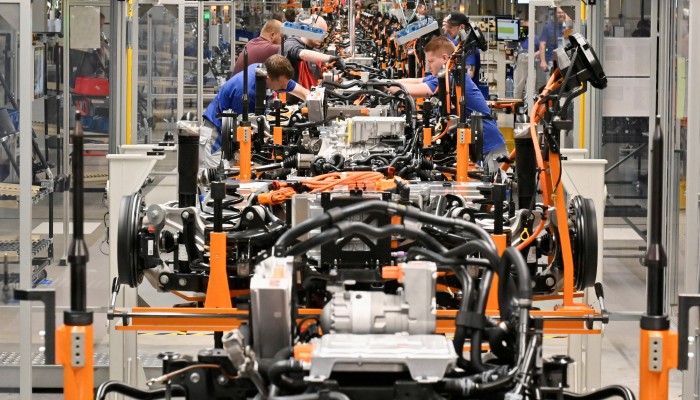
For cross-border sellers, this represents a critical 4-6 week window before tariff implementation. The EU is developing a Section 301-equivalent mechanism granting sweeping tariff powers and a "diversification instrument" requiring companies to broaden supplier bases—effectively mandating sourcing shifts away from China. This creates immediate arbitrage opportunities: sellers currently sourcing electronics, chemicals, machinery, and industrial components from China face 15-40% cost increases post-tariff, while alternative sourcing from Vietnam, India, and Southeast Asia offers 8-15% cost advantages during the transition period.
The competitive dynamics shift dramatically by seller segment. Large multinational sellers with established supply chains in Vietnam and India gain immediate advantages, while small-to-medium sellers (SMEs) relying on Chinese suppliers face margin compression of 12-25% unless they act within 30 days. The news reveals Beijing's potential flexibility through Airbus negotiations ($379M shipments boosting French imports 24% in May), suggesting selective tariff exemptions may emerge for strategic sectors—creating opportunities for sellers to lobby for category-specific relief or negotiate early supplier diversification agreements.
The structural shift from "managed competition" to "systemic economic conflict" indicates this is not a temporary trade friction but a multi-year reorientation. Sellers must immediately audit their supply chain concentration, identify alternative sourcing countries by HS code, and calculate tariff impact by product category. The EU's solidarity mechanism compensating European companies targeted by Chinese retaliation signals Brussels will protect EU-based sellers—creating a competitive advantage for sellers establishing EU distribution hubs or partnerships before tariff implementation.
Questions 8
Should sellers shift inventory from China-sourced to alternative suppliers immediately?
Yes, immediate action is critical. The 4-6 week window before August 2024 recess represents the optimal timing for supply chain adjustments. Sellers should prioritize shifting 20-30% of inventory to Vietnam/India suppliers by September 2024 to avoid tariff exposure on Q4 holiday inventory. For Amazon FBA sellers, this means adjusting inventory planning now: China-sourced products arriving after October 2024 may face 15-40% tariffs, compressing margins by 12-25% for SMEs. Sellers should calculate break-even points: if tariff costs exceed 8-10% of product cost, alternative sourcing becomes immediately profitable. The news indicates this is a structural shift, not temporary friction, so long-term supplier relationships in Vietnam/India are strategically valuable. Sellers with 60+ days of inventory in China should begin liquidation planning to avoid tariff-locked inventory. However, maintain 10-20% China sourcing for categories where alternatives lack quality parity or cost competitiveness.
How will Chinese retaliation affect sellers selling into EU markets?
China's Ambassador Cai Run threatened countermeasures against 'restrictive and discriminatory measures,' signaling potential retaliatory tariffs on EU exports to China. However, the news reveals Beijing's flexibility through Airbus negotiations ($379M shipments boosting French imports 24% in May), suggesting selective retaliation targeting specific sectors rather than blanket tariffs. Sellers should monitor Chinese tariff announcements on EU agricultural products, luxury goods, and industrial equipment—sectors likely to face retaliation. For cross-border sellers, this means diversifying customer bases: sellers heavily dependent on selling into China may face margin pressure if China retaliates with tariffs on their input materials. The EU's solidarity mechanism suggests Brussels will compensate affected sellers, but only those with documented EU operations. Sellers should prepare contingency plans for 10-20% margin compression on China-facing sales if retaliation escalates.