




Nike's 35% YTD Collapse Creates Wholesale Opportunity for Athletic Apparel Sellers | Market Consolidation Signal
- Stock down 35% YTD to 11-year lows; Greater China revenue declining 7-17%; North America wholesale expanding; inventory purge strategy signals distributor pricing shifts















Overview
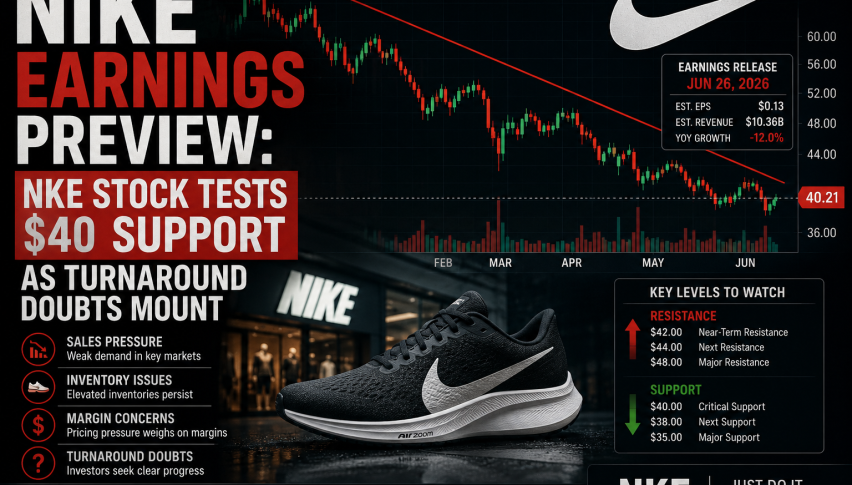
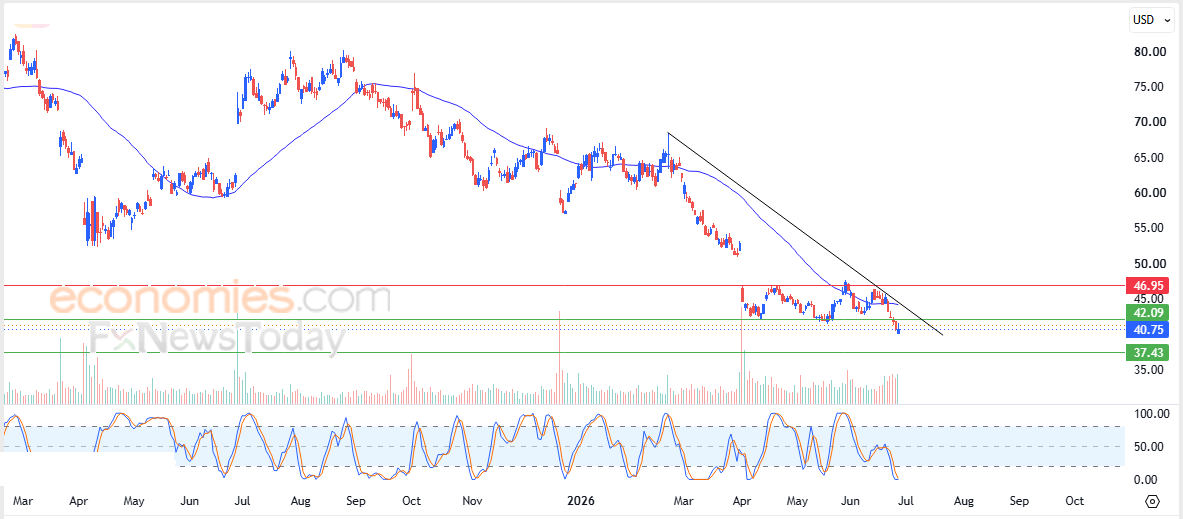
Nike's unprecedented market valuation collapse—down 35% year-to-date and trading at 11-year lows near $40-42—signals a critical inflection point for the $46.52 billion athletic apparel ecosystem. Despite beating earnings consensus for four consecutive quarters (Q3 FY26: $0.35 EPS vs. $0.28 estimate), the market has abandoned the company amid seven of eight quarters of declining sales. This disconnect between operational performance and stock sentiment creates cascading implications for cross-border e-commerce sellers in athletic wear, footwear, and competing brands.
The core issue: Nike's deliberate inventory purge strategy and wholesale expansion are reshaping distributor relationships and pricing dynamics. North America wholesale revenue expanded every quarter of fiscal 2026 (Q2: +9%, Q3: +3%), while the company executes a capital allocation overhaul under new CFO David Denton (formerly Lowe's, CVS). Nike has deployed $12.1 billion of an $18 billion buyback authorization and maintains $6.66 billion in cash reserves, signaling aggressive positioning for market consolidation. Polymarket traders price an 88.5-91.5% probability of continued earnings beats, yet analyst consensus remains split (16 buy vs. 2 sell ratings) with a $58.13-$58.72 price target—a 40-45% upside from current levels.
For athletic apparel sellers, this creates three distinct opportunities and risks. First, wholesale pricing compression: Nike's inventory purge and margin pressures (130 basis points compression in Q3 from North America tariffs) will force distributor margin adjustments. Sellers sourcing Nike products or competing directly should expect 5-15% wholesale price reductions as Nike clears inventory, creating 60-90 day windows for bulk acquisition at depressed costs. Second, brand positioning shifts: Converse brand collapsed 35% in Q3, while core Running and Global Football categories posted double-digit growth. This signals consumer preference migration toward performance-focused athletic wear over lifestyle/heritage brands—directly impacting sellers' product mix decisions. Third, Greater China market contraction (7-17% revenue decline) indicates wholesale partner destocking in Asia-Pacific, potentially freeing up inventory for North American and European redistribution channels.
The earnings catalyst (Tuesday, June 29, 2026 after-market close) will determine near-term wholesale dynamics. A beat could trigger short-covering rally and inventory acceleration; a miss could accelerate distributor destocking and create 30-45 day pricing windows. Sellers should monitor: (1) Q4 guidance on wholesale channel expansion, (2) Greater China stabilization signals, (3) Converse brand strategy announcements, and (4) capital allocation priorities under new CFO leadership. The 24-year consecutive dividend growth streak ($0.41 quarterly payout, 3.96% yield) and insider buying (CEO Elliott Hill: 47,320 shares at ~$42; Director Tim Cook: 25,000 shares April 2026) signal management confidence in recovery, but market skepticism persists—creating a 6-12 month window for sellers to capitalize on wholesale pricing dislocations before institutional capital returns.
Questions 7
What does the new CFO's appointment signal about Nike's wholesale strategy?
David Denton's appointment from Lowe's and CVS signals Nike will prioritize capital allocation efficiency and potentially accelerate wholesale channel consolidation. Lowe's and CVS both executed aggressive distributor rationalization (reducing SKU counts, consolidating suppliers). Expect Nike to: (1) reduce distributor count by 10-15% over 6 months, (2) increase direct-to-consumer focus, and (3) demand higher inventory turns from remaining wholesale partners. Sellers should strengthen relationships with top-tier distributors now and prepare for potential channel consolidation by Q4 2026.
How should sellers adjust inventory strategy given Nike's deliberate inventory purge?
Nike's inventory purge strategy means the company will prioritize clearing excess stock over maintaining margins. Sellers should: (1) reduce safety stock on Nike products by 15-20% to avoid overstocking during clearance period, (2) shift 20-30% of Converse/lifestyle inventory to Running and performance categories, and (3) establish 60-90 day payment terms with distributors to maximize cash flow flexibility. The purge window typically lasts 90-120 days; expect normalized wholesale pricing by September 2026. Use this period to test new athletic brands (Adidas, Puma, On Running) as alternatives.