



Taiwan Tightens Chip Export Controls | Sellers Face Compliance Crackdown on AI Hardware
- Taiwan raids Supermicro on June 29, 2026; GPU/AI processor exports now subject to stricter licensing; cross-border sellers face 2-4 week customs delays and documentation penalties
























Overview
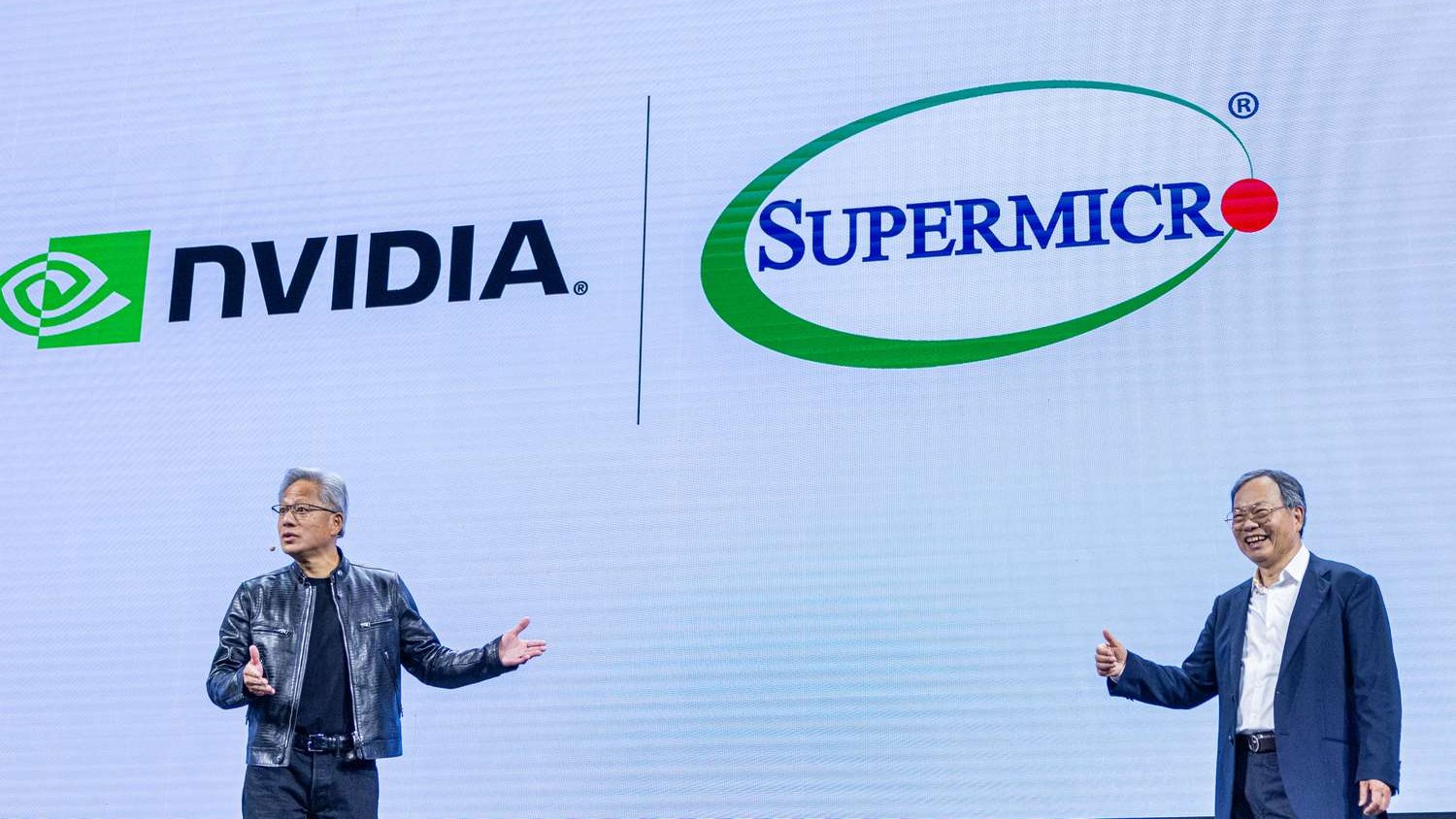
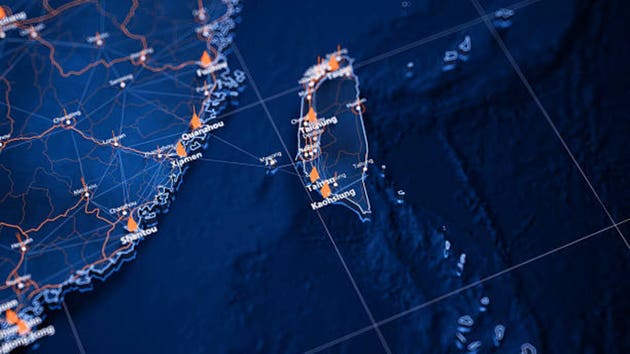
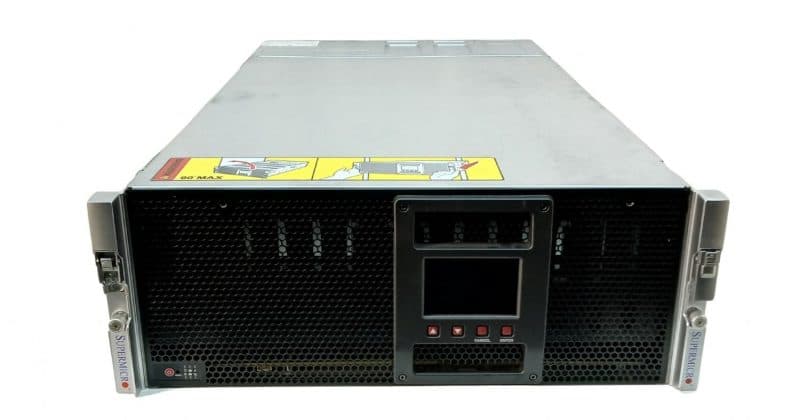
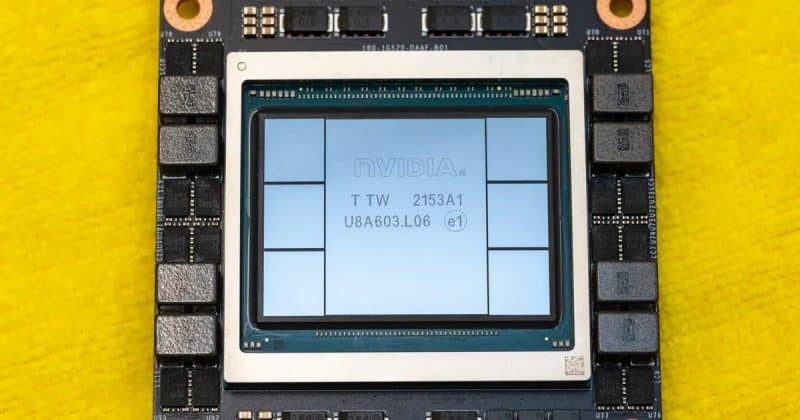
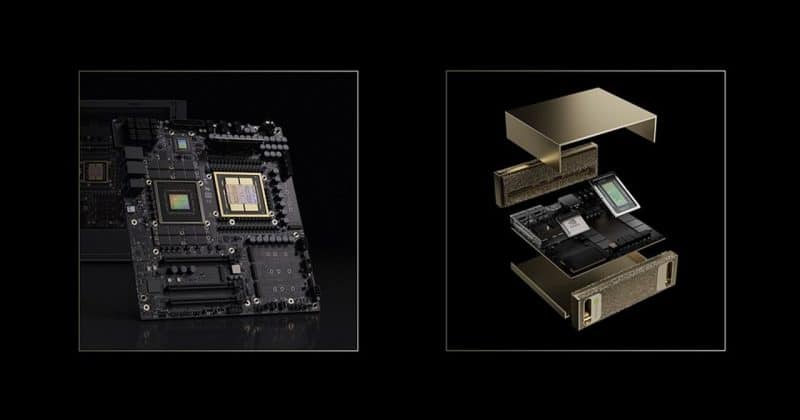
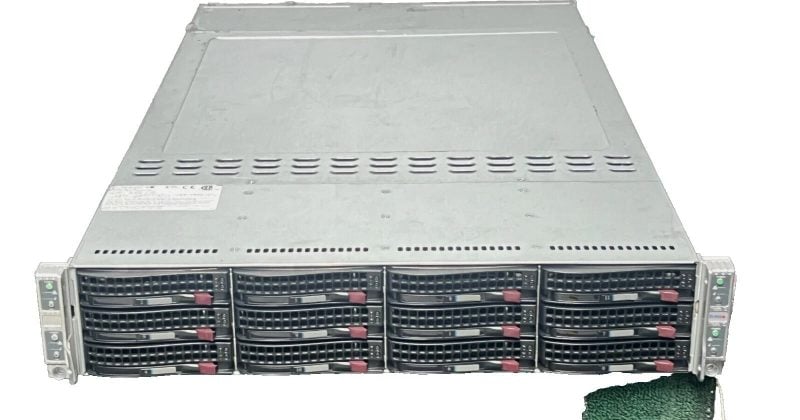
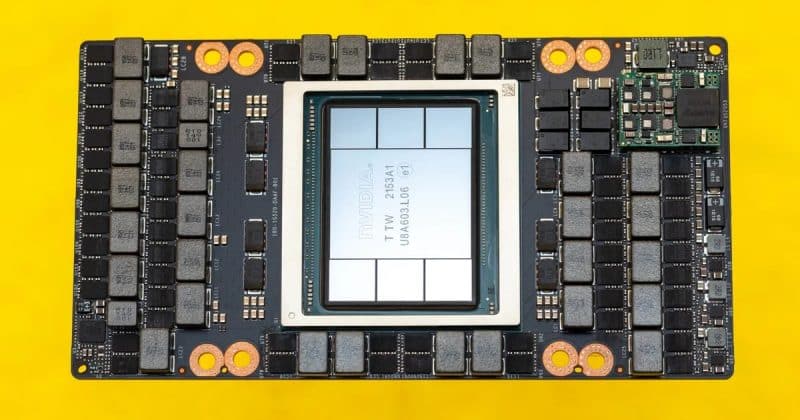
Taiwan's government has launched a coordinated enforcement campaign against semiconductor export violations, directly impacting cross-border sellers and technology distributors. On June 29, 2026, Taiwan's Keelung District Prosecutors Office raided Supermicro Computer's Taiwan offices and six affiliated locations, investigating allegations that the company illegally exported servers containing Nvidia GPUs to China by embedding restricted chips within proprietary systems to circumvent U.S. export controls. This represents a significant escalation in Taiwan's enforcement mechanisms against semiconductor smuggling networks. The investigation specifically targets GPUs and AI accelerators—components subject to strict dual-use export licensing requirements under both Taiwan's domestic regulations and international trade agreements. Supermicro's stock price declined 6% following the raids, signaling market concern about operational disruptions and potential penalties.
For cross-border e-commerce sellers, this enforcement escalation creates immediate compliance risks and operational friction. Taiwan's customs authorities are strengthening detection mechanisms and imposing stricter penalties on violators, with industry sources indicating that smuggling operations have become increasingly sophisticated, utilizing complex supply chains and intermediary companies to obscure final destinations. Legitimate sellers exporting AI hardware components—particularly GPUs, specialized AI processors, and high-performance computing chips—now face increased scrutiny, longer customs clearance times (estimated 2-4 week delays), and more rigorous documentation requirements. Sellers must maintain detailed records of end-users and destinations, verify customer credentials, and ensure all transactions comply with Taiwan's export licensing framework. The investigation demonstrates that authorities are actively monitoring server manufacturers and component integrators for circumvention schemes, with non-compliance resulting in criminal liability, asset seizure, and market access restrictions.
The policy shift creates a competitive advantage window for compliant sellers while penalizing those with opaque supply chains. Sellers operating in semiconductor and AI hardware distribution must immediately audit their sourcing practices, verify supplier compliance certifications, and implement transparent documentation systems. Companies with established relationships with Taiwan-based suppliers should prioritize export licensing verification and end-user certification processes. The enforcement action reflects broader geopolitical tensions surrounding advanced chip technology and U.S.-China trade restrictions, indicating that regulatory scrutiny will intensify across Asia-Pacific trade corridors. For sellers relying on Supermicro infrastructure or similar Taiwan-based suppliers, this development raises questions about service reliability and potential operational impacts during the investigation period. Strategic sellers should consider diversifying supplier bases to include Vietnam, South Korea, and India-based alternatives that may face less immediate enforcement pressure, though these alternatives may carry higher sourcing costs (5-15% premium) during the transition period.
Questions 8
How should sellers adjust sourcing strategies to mitigate Taiwan enforcement risks?
**Immediate actions (0-30 days)**: Audit current Taiwan suppliers for export compliance certifications, verify all customer end-user documentation, implement export license tracking systems. **Strategic shifts (1-3 months)**: Diversify sourcing to Vietnam (lower enforcement risk, 5-10% cost premium), South Korea (established compliance infrastructure), and India (emerging AI chip manufacturing). **Long-term positioning (3-12 months)**: Develop relationships with authorized distributors in target markets rather than direct exports, implement blockchain-based supply chain transparency systems, obtain ISO 27001 certification for data security. Sellers should prioritize Vietnam for GPU/AI processor sourcing—the country has lower immediate enforcement pressure and established export licensing frameworks. However, expect Vietnam enforcement to intensify within 12-18 months as Taiwan's model spreads. Companies with 50+ employees should hire dedicated compliance officers; smaller sellers should use third-party compliance service providers ($500-1,500 monthly).
What are the financial and operational impacts of Taiwan's stricter export controls on sellers?
**Direct costs**: Export licensing fees ($500-2,000 per shipment), increased documentation/compliance staff ($30-50K annually for small sellers), potential customs delays costing $100-300 per day in working capital. **Operational impacts**: Customs clearance times extending from 5-7 days to 14-21 days, reducing inventory turnover by 15-25%, requiring 20-30% higher safety stock levels. **Sourcing shifts**: Sellers may need to shift 30-50% of Taiwan-sourced components to Vietnam/India alternatives, incurring 5-15% sourcing cost premiums during transition. **Compliance infrastructure**: Implementing end-user verification systems, document management platforms, and compliance training costs $10-25K for small sellers. For sellers shipping 100+ units monthly, total compliance cost increase ranges from $2,000-5,000 monthly, compressing margins by 3-8% depending on category.