



Japanese Yen at 40-Year Low | FX Arbitrage & Payment Optimization for Cross-Border Sellers
- Weak yen creates 8-15% pricing advantage for Japan exporters; import-dependent sellers face 12-18% cost increases; immediate hedging and dynamic pricing strategies required















Overview
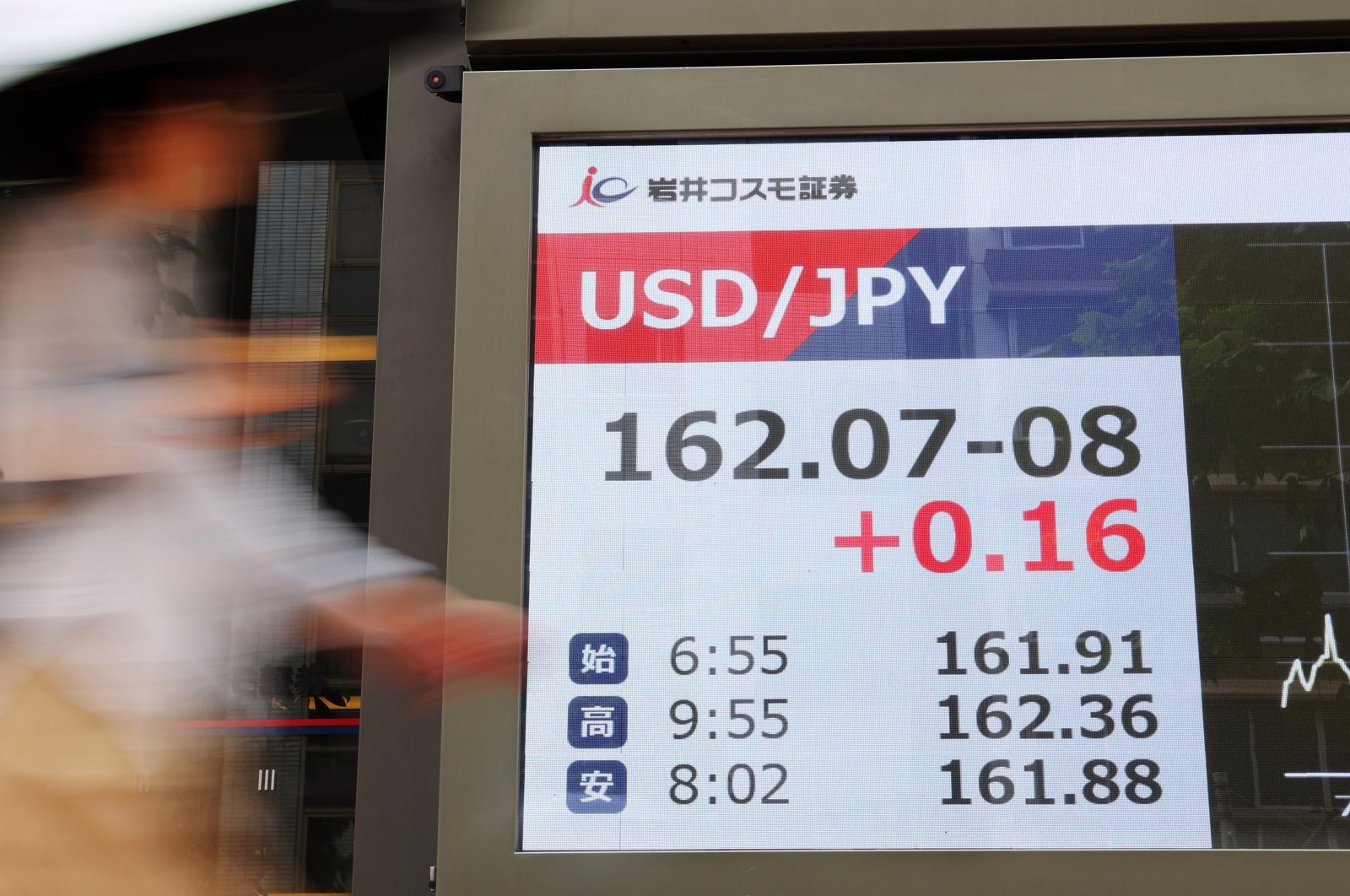
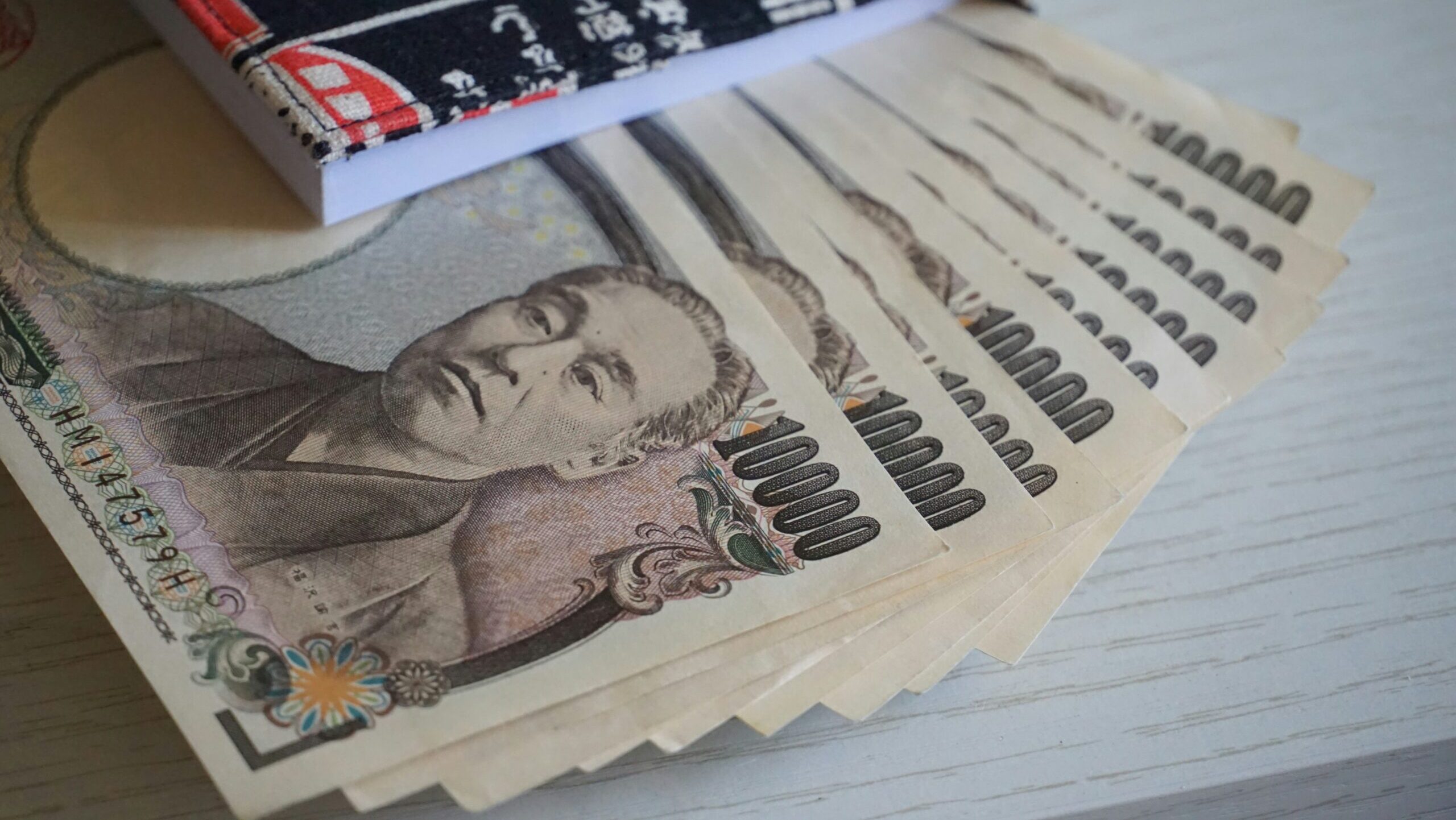
The Japanese yen has depreciated to a 40-year low against the US dollar, driven by diverging monetary policies between the Bank of Japan (maintaining near-zero rates) and the Federal Reserve (holding higher rates). This currency movement creates a bifurcated opportunity landscape for cross-border e-commerce sellers, with direct implications for payment processing, working capital management, and FX risk exposure.
For Japan-based exporters, the weak yen delivers immediate competitive advantages. Products manufactured in Japan become 8-15% cheaper for international buyers when priced in USD or EUR, enhancing price competitiveness on Amazon, eBay, Shopify, and AliExpress. Electronics, apparel, beauty products, and home goods sellers exporting from Japan can capture market share without reducing margins—the currency movement does the heavy lifting. Payment processing fees on platforms like Stripe, PayPal, and 2Checkout remain constant, but the effective cost basis drops significantly. For sellers using invoice financing or supply chain finance products, the improved export margins unlock better working capital terms, as lenders view stronger cash flows more favorably.
Conversely, sellers importing goods into Japan face severe margin compression. Raw material and energy import costs increase 12-18%, directly reducing profitability on imported inventory. Sellers relying on Chinese suppliers, Southeast Asian manufacturers, or US component suppliers experience higher procurement costs that cannot always be passed to Japanese consumers facing inflation-driven purchasing power erosion. Payment routes matter critically here: sellers using bank transfers face higher FX conversion spreads (typically 1.5-2.5%), while fintech providers like Wise (formerly TransferWise) offer 0.5-1% spreads—potentially saving $500-2,000 monthly on $100K+ monthly procurement volumes.
Payment optimization becomes mission-critical. Japanese sellers operating on global platforms should immediately audit their payment provider mix. Wise, OFX, and Remitly offer superior FX rates compared to traditional banks for USD/JPY conversions. For sellers with significant USD revenue, establishing a US bank account (via Mercury, Wise Business, or Stripe Atlas) enables direct USD settlement, eliminating conversion fees entirely and capturing FX gains as the yen weakens further. Hedging strategies—forward contracts locking in current rates for 3-6 month procurement cycles—cost 0.3-0.8% but protect margins against further depreciation.
Cash flow implications are substantial. Sellers exporting from Japan can accelerate invoice financing timelines, as lenders view stronger export margins as lower-risk collateral. Factoring rates typically drop 0.5-1% for sellers with improving cash conversion cycles. Conversely, import-dependent sellers should extend payment terms with suppliers (negotiate 60-90 day terms instead of 30) to preserve working capital during the margin compression period.
Financing access shifts dramatically. Trade finance providers and supply chain lenders are actively targeting Japan-based exporters, offering PO financing and inventory loans at 6-9% APR (vs. 12-15% for import-dependent sellers). Sellers should lock in financing terms immediately before lenders adjust pricing for yen volatility.
Questions 8
Should Japan-based sellers lock in FX rates now or wait for yen recovery?
Forward contracts locking in current JPY/USD rates for 3-6 month procurement cycles cost 0.3-0.8% but provide margin certainty during volatile periods. Given the Bank of Japan's limited intervention signals and the Federal Reserve's higher rate stance persisting, further yen weakness is likely in the near term. Sellers should implement a hedging strategy immediately: lock in 50-70% of anticipated USD procurement costs for the next 6 months via forward contracts, leaving 30-50% unhedged to capture potential yen recovery gains. This balanced approach costs $300-800 monthly but protects against catastrophic margin compression. Consult with trade finance providers like Kantox or OFX for customized hedging solutions.
What payment methods minimize FX conversion fees for sellers importing goods into Japan?
Traditional bank transfers charge 1.5-2.5% FX spreads on JPY/USD conversions, costing $1,500-2,500 monthly on $100K procurement volumes. Fintech providers like Wise offer 0.5-1% spreads, saving $1,000-2,000 monthly. For sellers with significant USD revenue, opening a US bank account via Mercury or Wise Business enables direct USD settlement, eliminating conversion fees entirely. OFX and Remitly provide competitive rates for recurring supplier payments. Sellers should audit their current payment provider mix immediately and consolidate high-volume supplier payments through Wise or similar providers to preserve 12-18% of margins being eroded by import cost inflation.