

Turkey Defense Market Opening | €150B EU SAFE Fund Access & Trade Barrier Removal Signals New B2B Export Opportunities
- Turkey seeks NATO defense integration ahead of July 7-8 summit; CAATSA sanctions relief could unlock €2-5B annual defense supply chain opportunities for Turkish and allied sellers








Overview
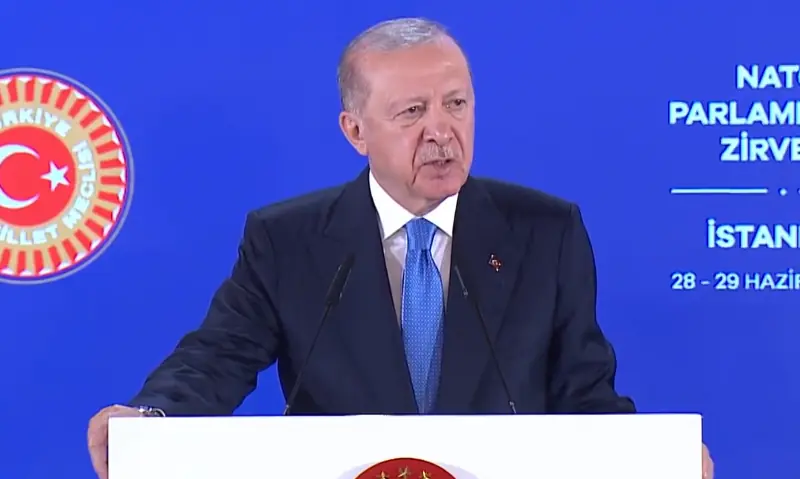
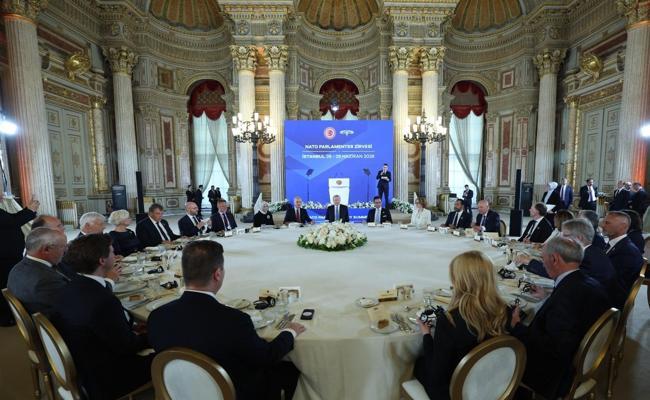
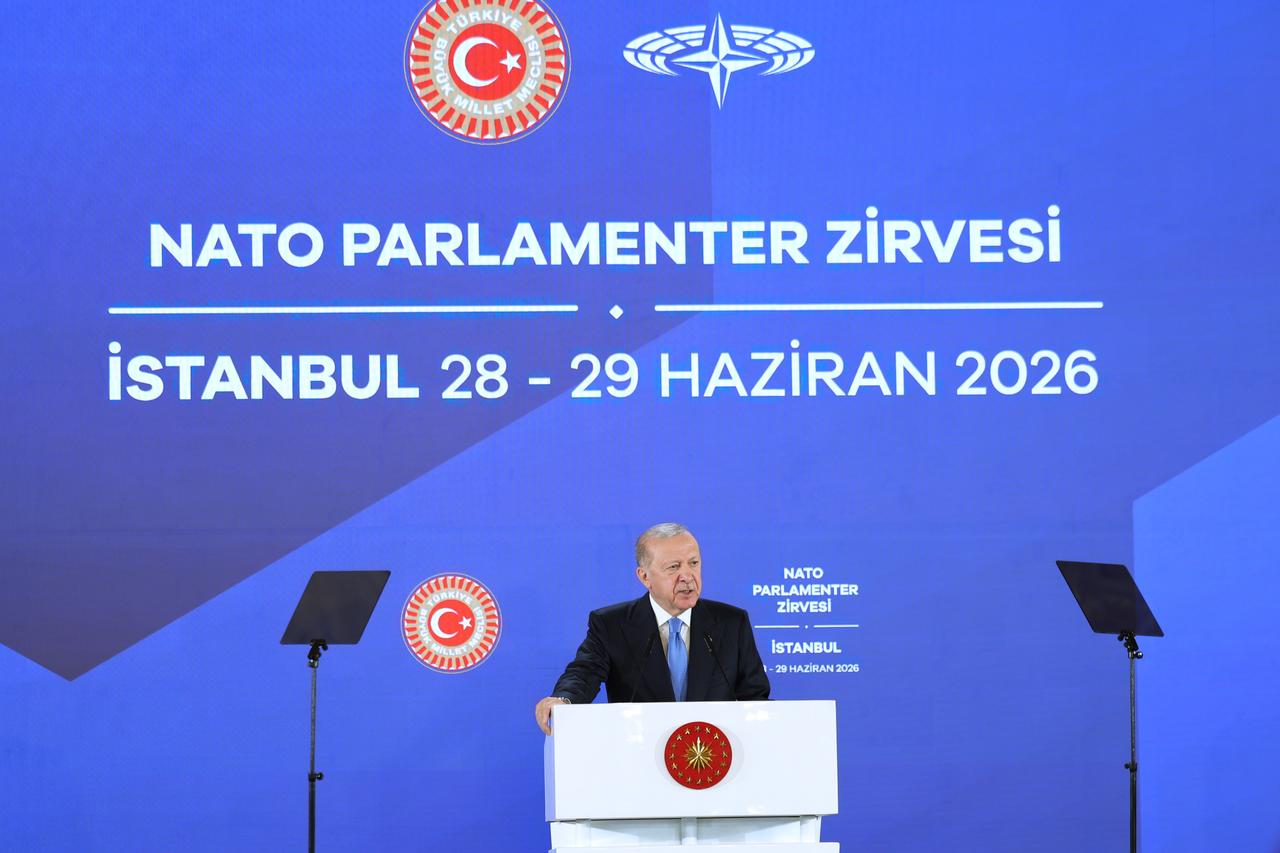
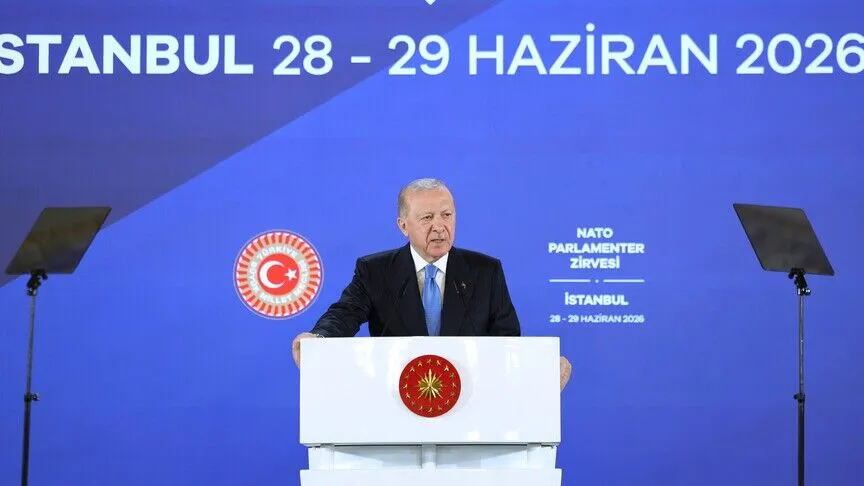
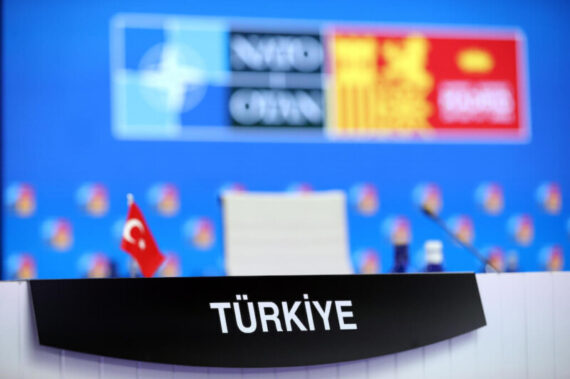
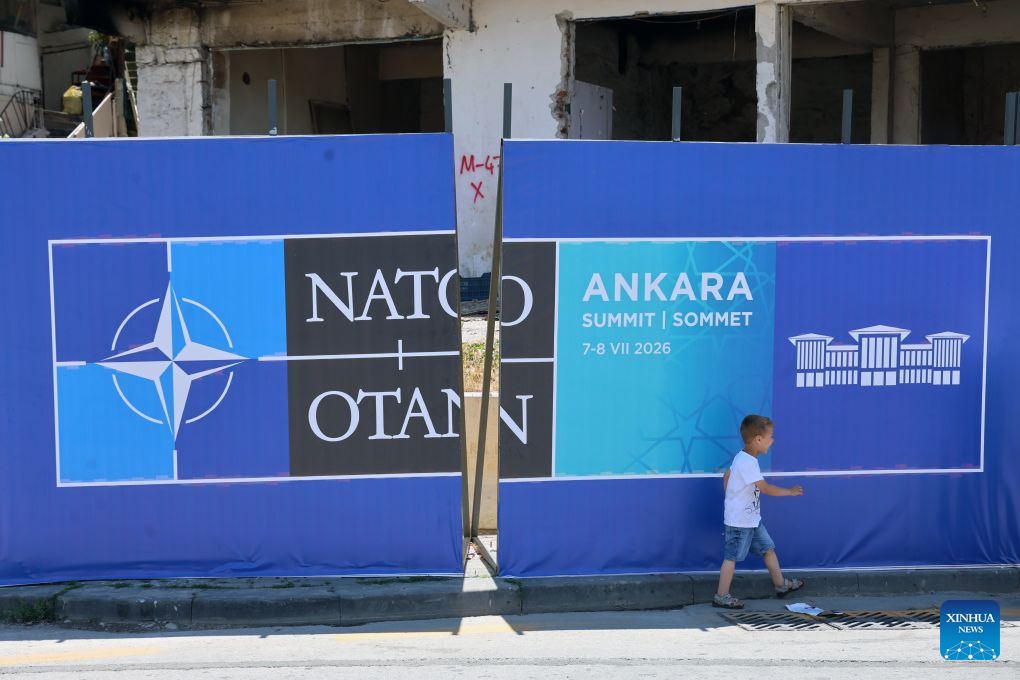
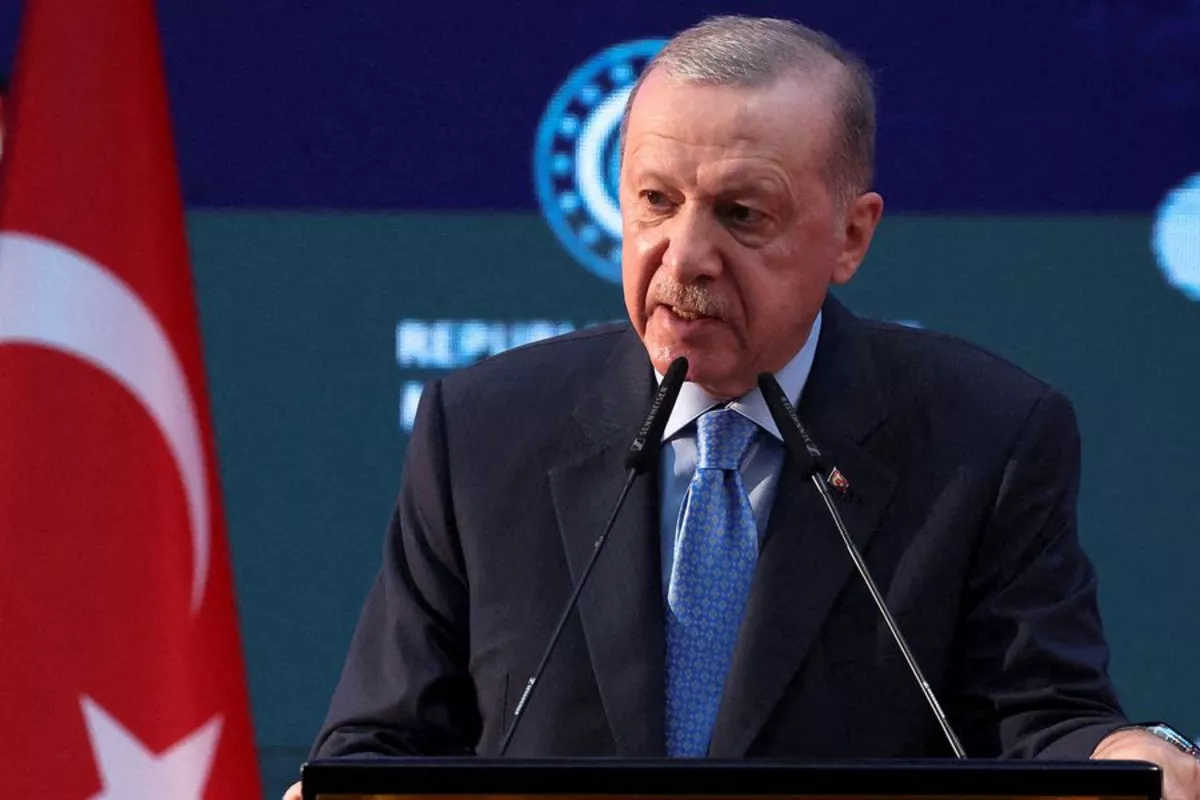
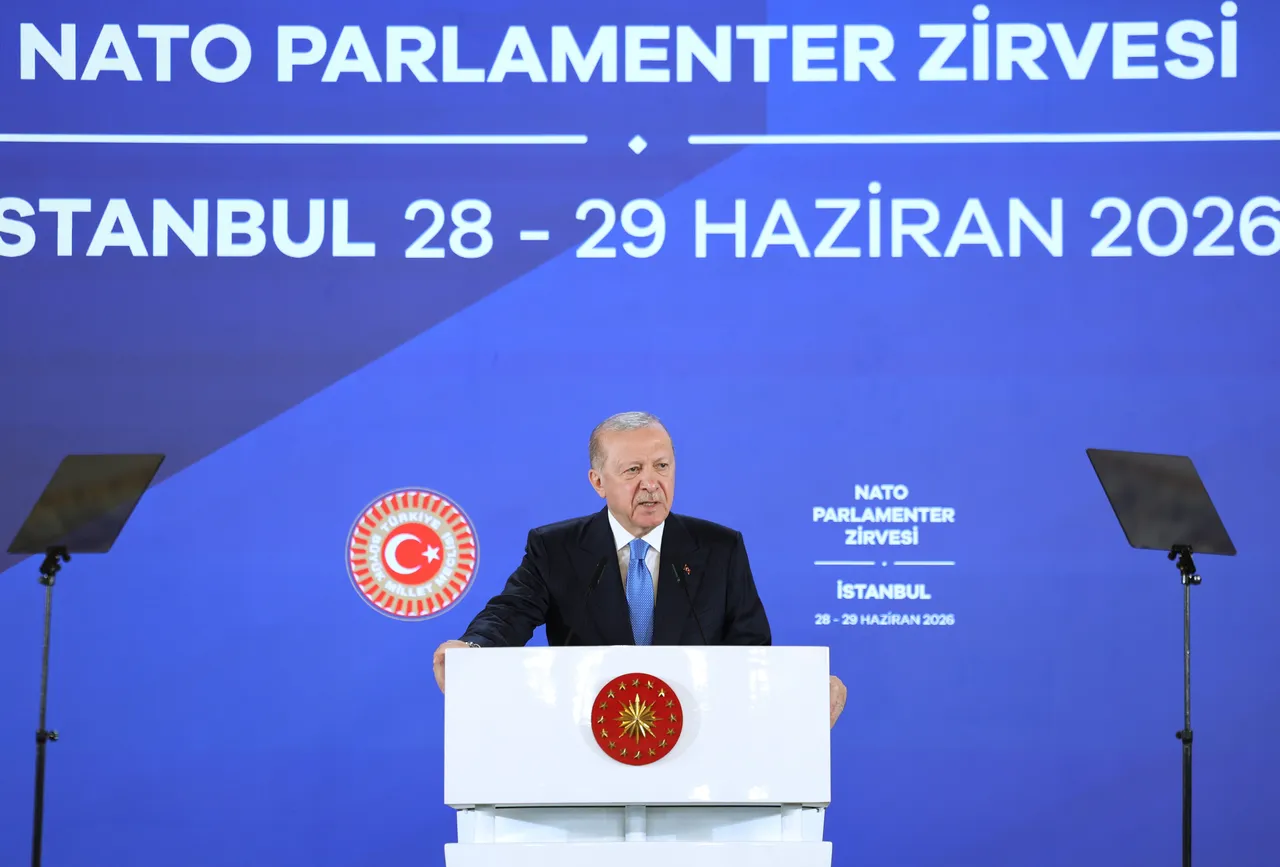
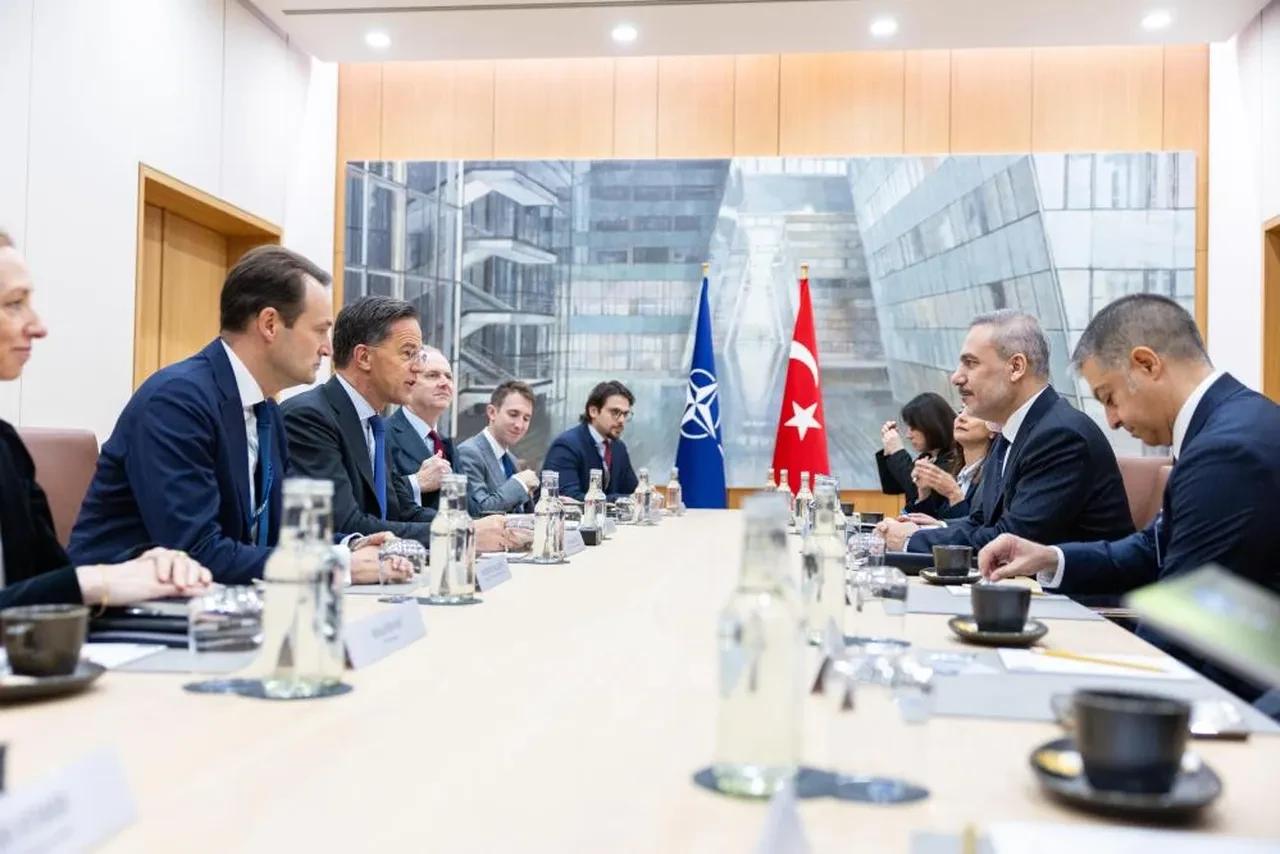
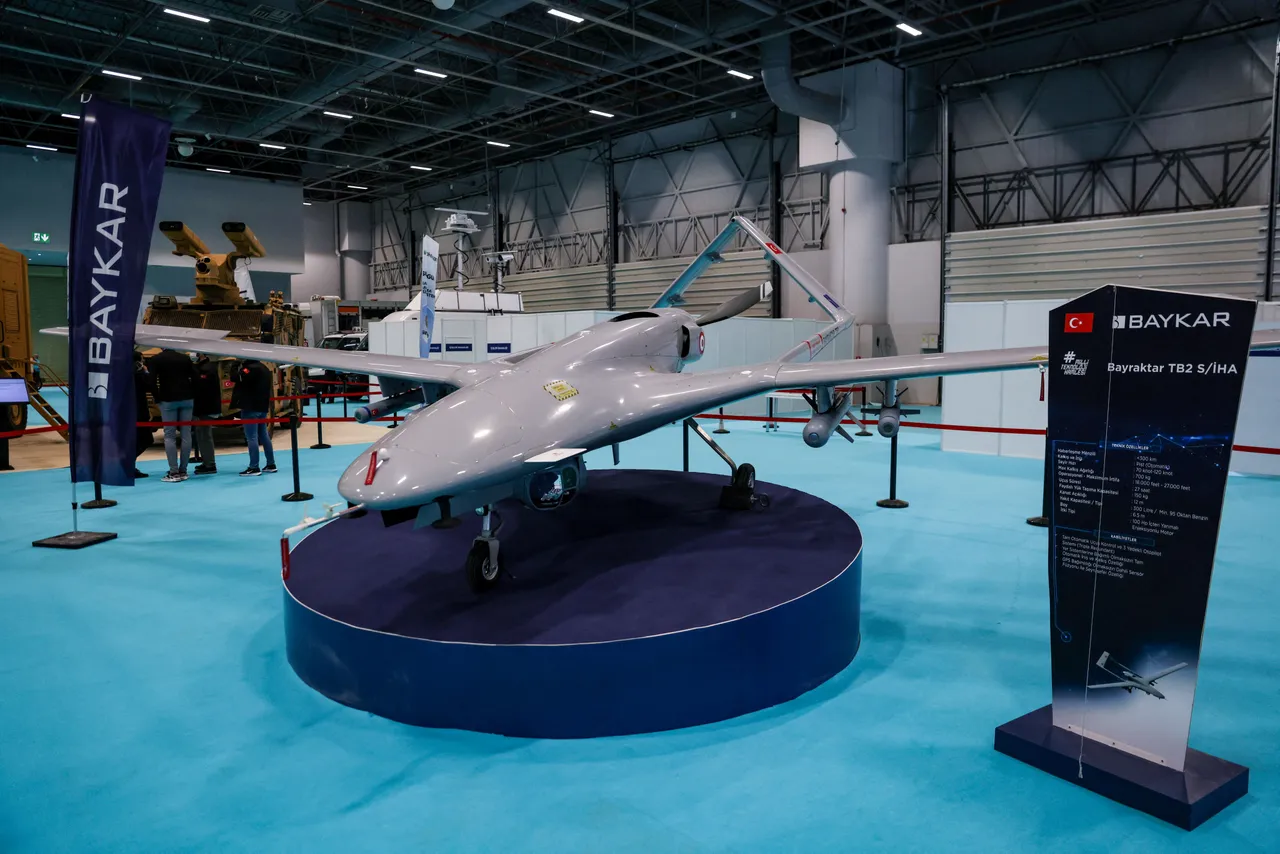
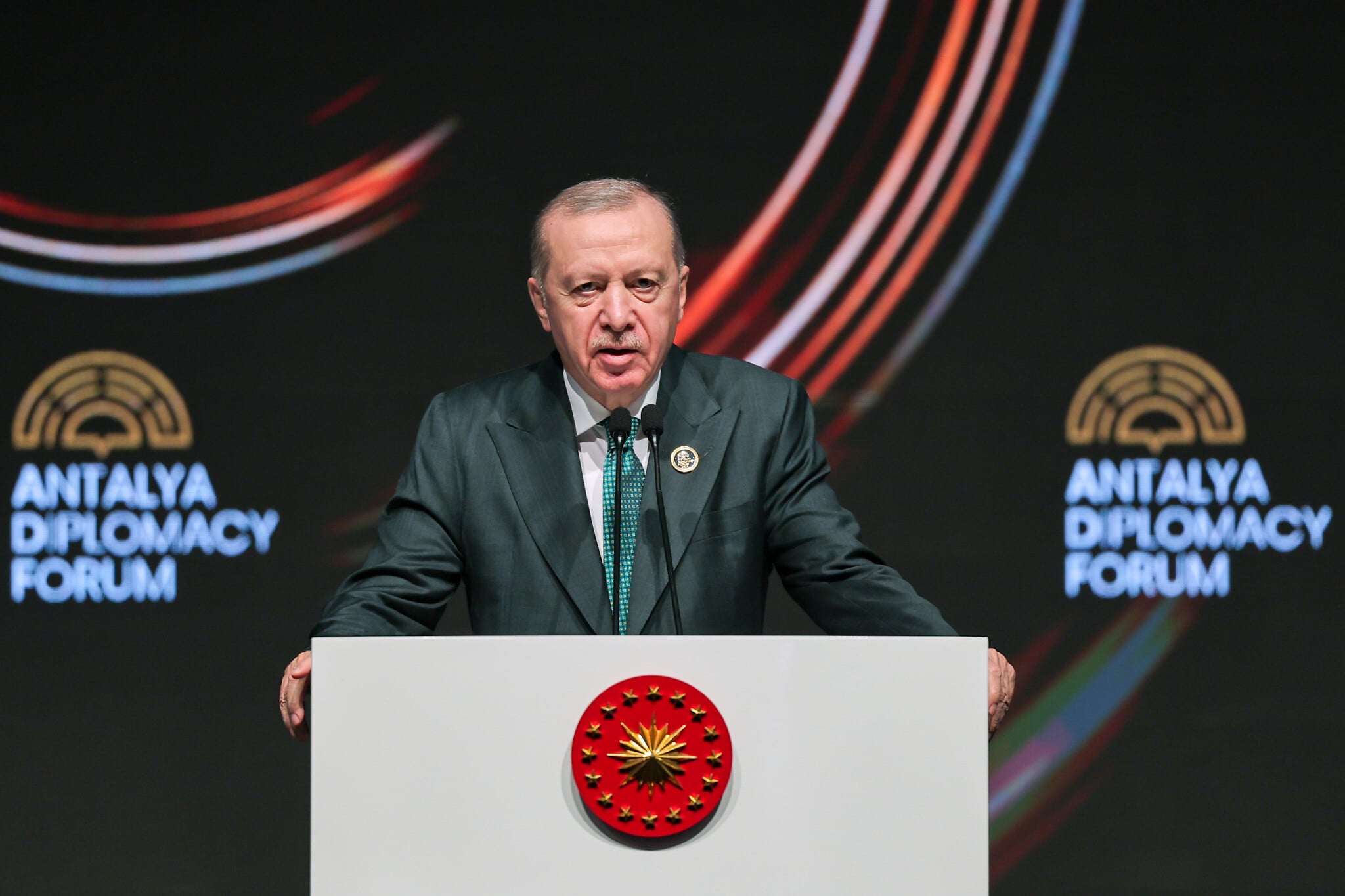
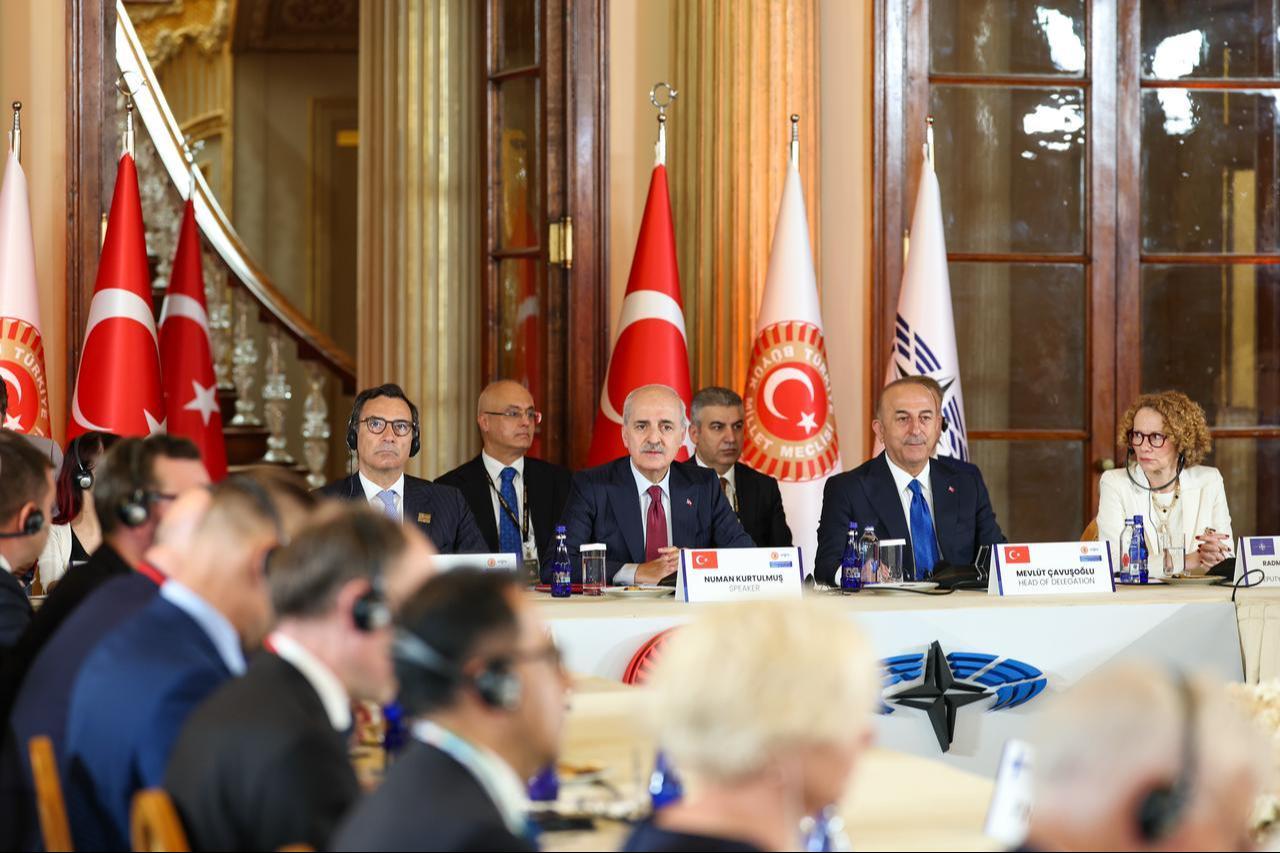
Turkey's push for full integration into European defense structures represents a critical geopolitical shift with direct implications for cross-border B2B trade, supply chain sourcing, and defense technology exports. Turkish President Erdogan's demands for inclusion in the EU's €150 billion Security Action for Europe (SAFE) initiative—coupled with calls to remove defense industry trade barriers between NATO members—signal an imminent restructuring of defense procurement networks across Europe and North America. The NATO summit scheduled for July 7-8, 2026 in Ankara will determine whether Turkey gains access to unified European defense spending, currently blocked by Greece's veto threat. This creates a time-sensitive arbitrage window for sellers positioned in defense supply chains, drone technology, unmanned systems, and dual-use electronics.
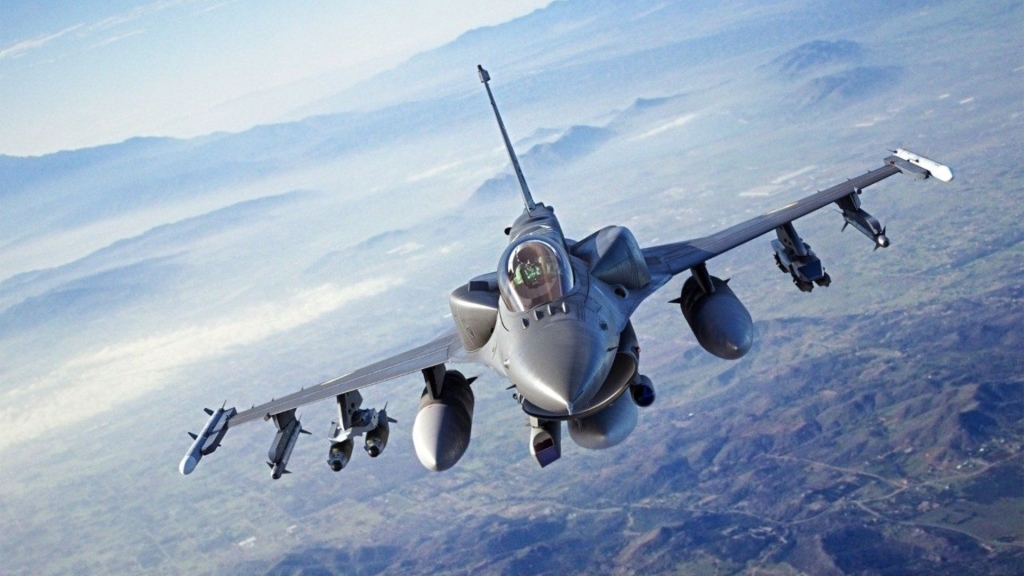
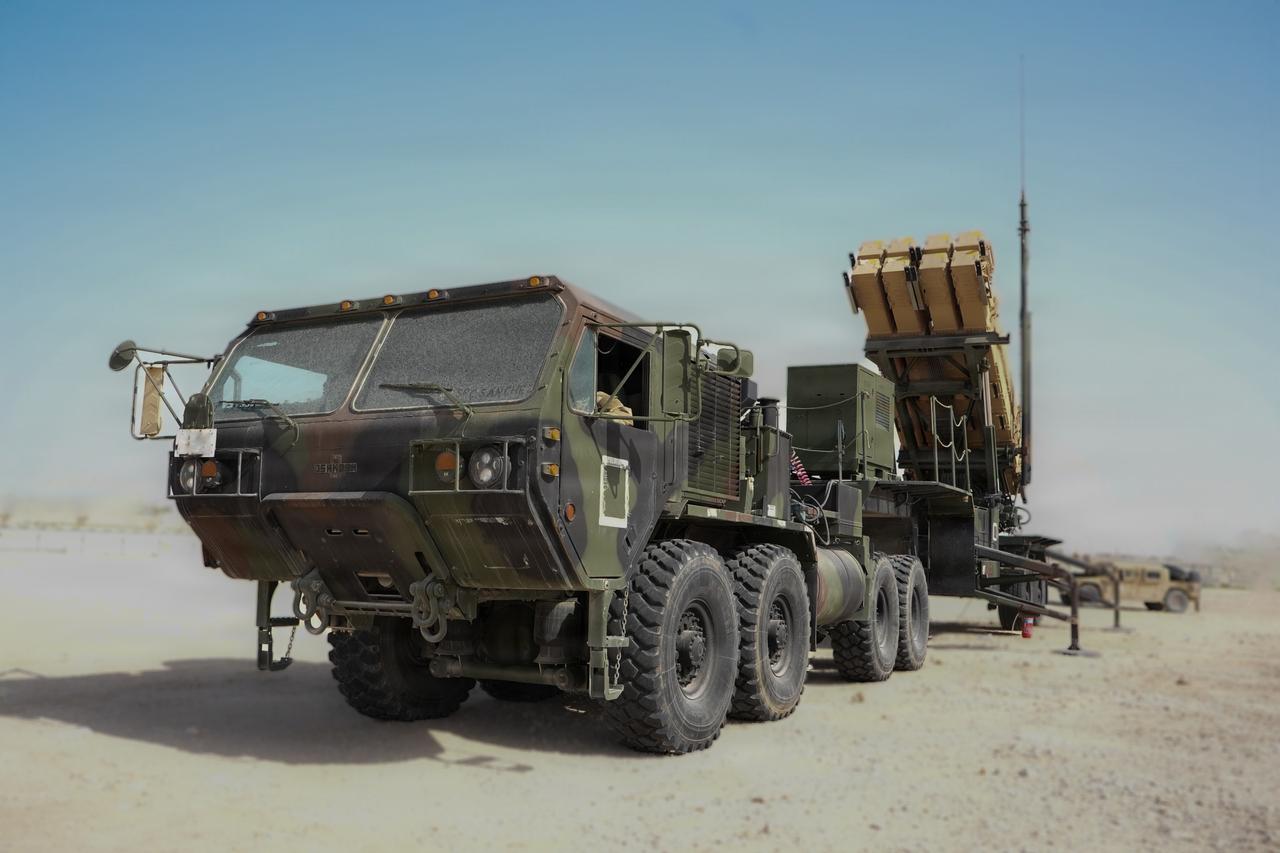
The immediate opportunity centers on CAATSA sanctions relief and defense procurement acceleration. Turkey faces US sanctions imposed over its 2019 S-400 purchase, restricting access to F-35 components and advanced defense technologies. However, analysts suggest President Trump may offer F110 engine deliveries for Turkey's indigenous KAAN fighter jets as a NATO summit goodwill gesture. If Congressional approval materializes (currently unlikely before July 2026), this would unlock Turkish defense industry participation in NATO supply chains worth €2-5B annually. Turkey's Defense Minister Yasar Guler confirmed Turkey committed to NATO's 2035 defense spending goal of 5% of GDP, with priority acquisitions including drones, anti-drone systems, air defense systems (evaluating US Patriot or Franco-Italian SAMP-T), missile systems, naval projects, and unmanned systems. This represents a 3-5 year procurement cycle with technology-sharing and joint production components.
For cross-border sellers, the strategic implications are substantial. Turkish defense contractors and electronics suppliers face a critical sourcing decision: continue operating under CAATSA constraints or position for post-sanctions market access. EU-based sellers in aerospace, electronics, and advanced materials can expect increased demand from Turkish defense integrators preparing for SAFE fund participation. US-based defense suppliers should monitor Congressional action on CAATSA relief—lifting sanctions would create immediate demand for F110 engines, avionics, and defense electronics currently unavailable to Turkish manufacturers. The removal of "barriers restricting defense industry trade between alliance members" signals potential tariff reductions on defense-related HS codes (8803, 8804, 8805 for aircraft parts; 8526-8528 for electronic components) across NATO members. This could compress margins 8-15% for non-integrated suppliers while creating opportunities for Turkish-based manufacturers to enter European supply chains at lower cost structures. The 3-year window to 2029 (Turkey's capability target deadline) creates urgency for suppliers to establish partnerships before market consolidation occurs.
Questions 8
How could removal of NATO defense industry trade barriers affect tariff rates and margins?
Erdogan specifically called for removing 'barriers restricting defense industry trade between alliance members,' signaling potential tariff reductions on defense-related HS codes. Current tariff rates on aircraft parts (HS 8803-8805) range 0-5% within EU but face higher rates for non-NATO suppliers. Defense electronics (HS 8526-8528) typically face 2-8% tariffs. Removing these barriers could compress margins 8-15% for non-integrated suppliers while creating cost advantages for Turkish manufacturers entering European supply chains. The competitive impact would be most severe for suppliers currently leveraging tariff protection; integrated suppliers with joint production agreements would benefit from expanded market access.
What are the specific defense categories Turkey prioritizes for 2029 capability targets?
Turkey's Defense Minister confirmed priority acquisition areas include drones, anti-drone systems, air defense systems (evaluating US Patriot or Franco-Italian SAMP-T), missile systems, naval projects, unmanned systems, and cyber capabilities. Turkey committed to NATO's 2035 defense spending goal of 5% of GDP with all capability targets met by 2029. This 3-year procurement cycle represents €2-5B in annual defense spending. Sellers in electronics (HS 8526-8528), aerospace components (HS 8803-8805), and advanced materials should position for Turkish integrator demand. The emphasis on technology-sharing and joint production indicates opportunities for component suppliers rather than finished systems manufacturers.