


Fireworks Sales Surge 20% for 250th Anniversary | Retail Expansion & O2O Pop-Up Strategy
- 20% sales surge at Phantom Fireworks Wisconsin; 50% of customers cite 250th anniversary motivation; tariff uncertainty (10-30%) complicates inventory planning; first-time buyer influx creates offline retail opportunity



















Overview
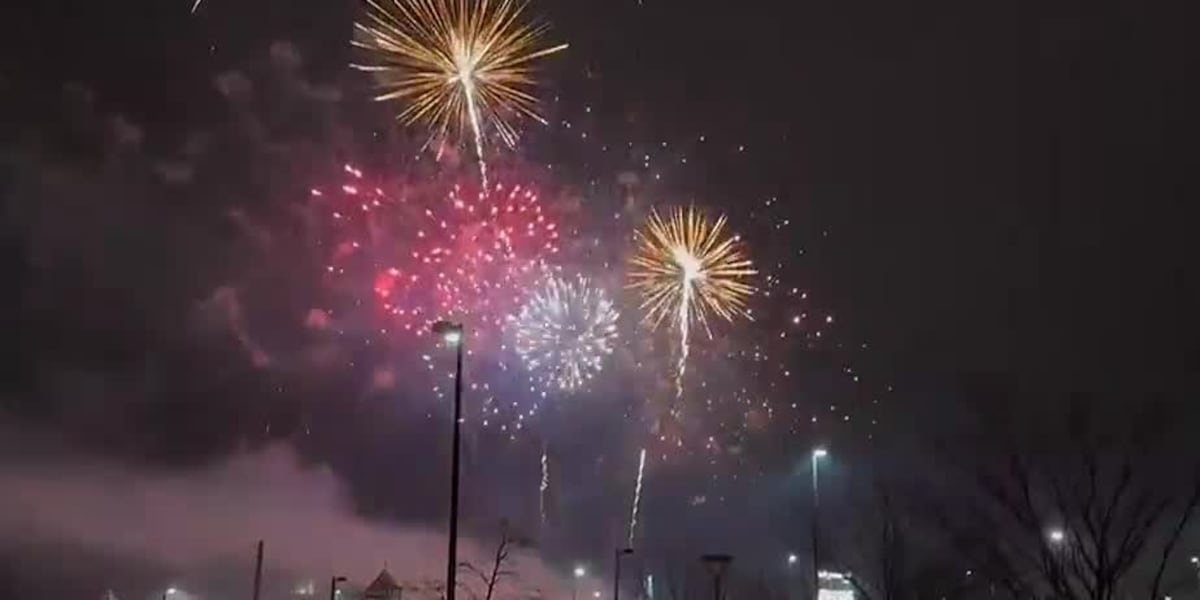
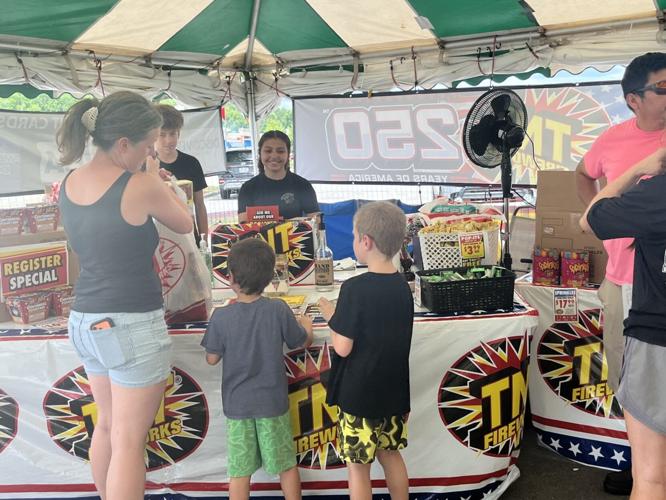
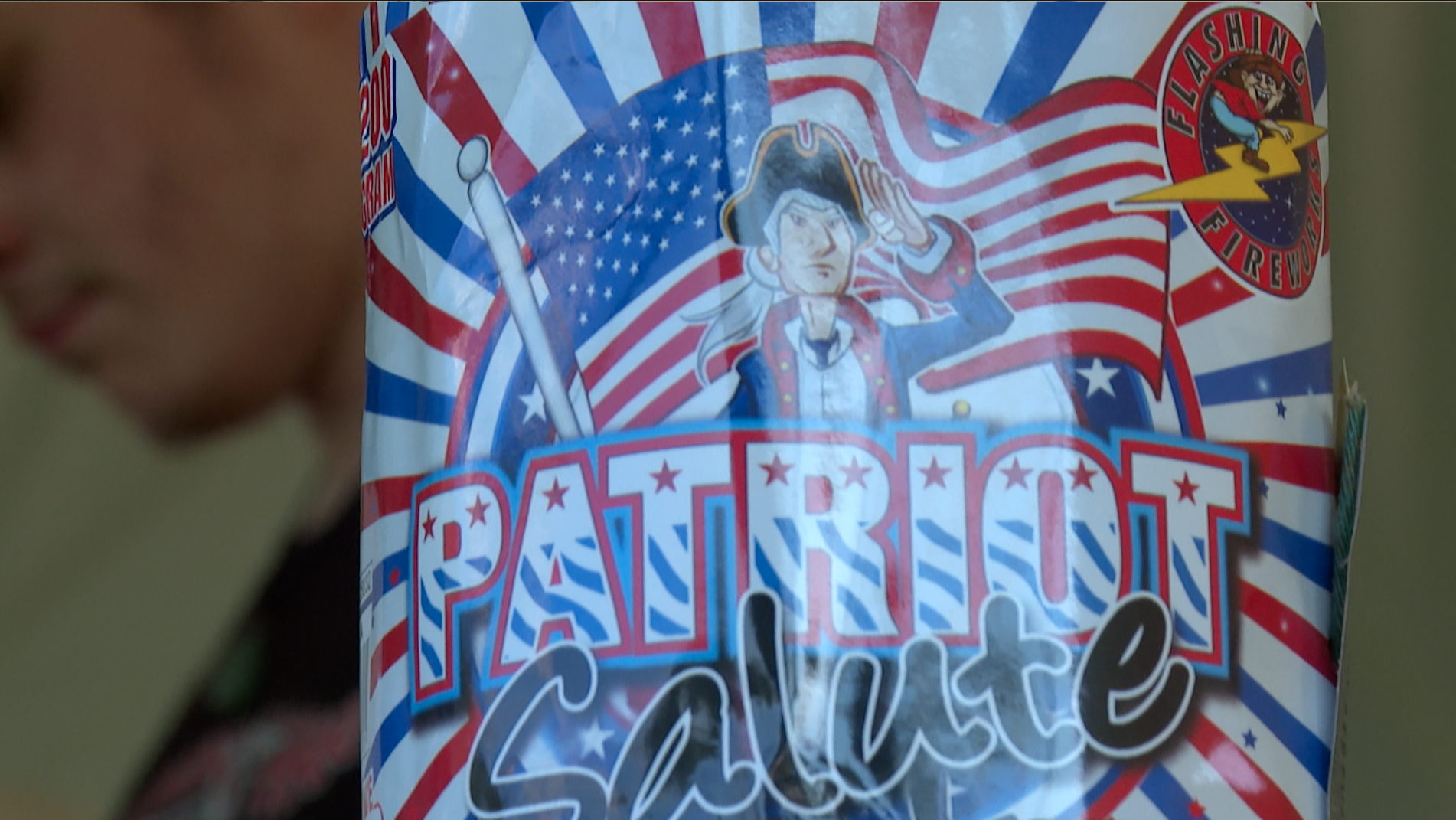
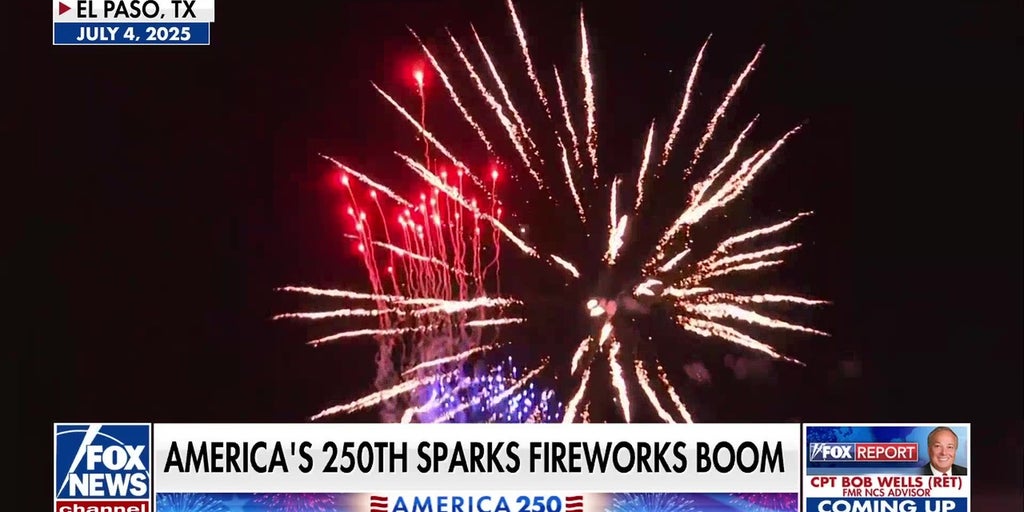
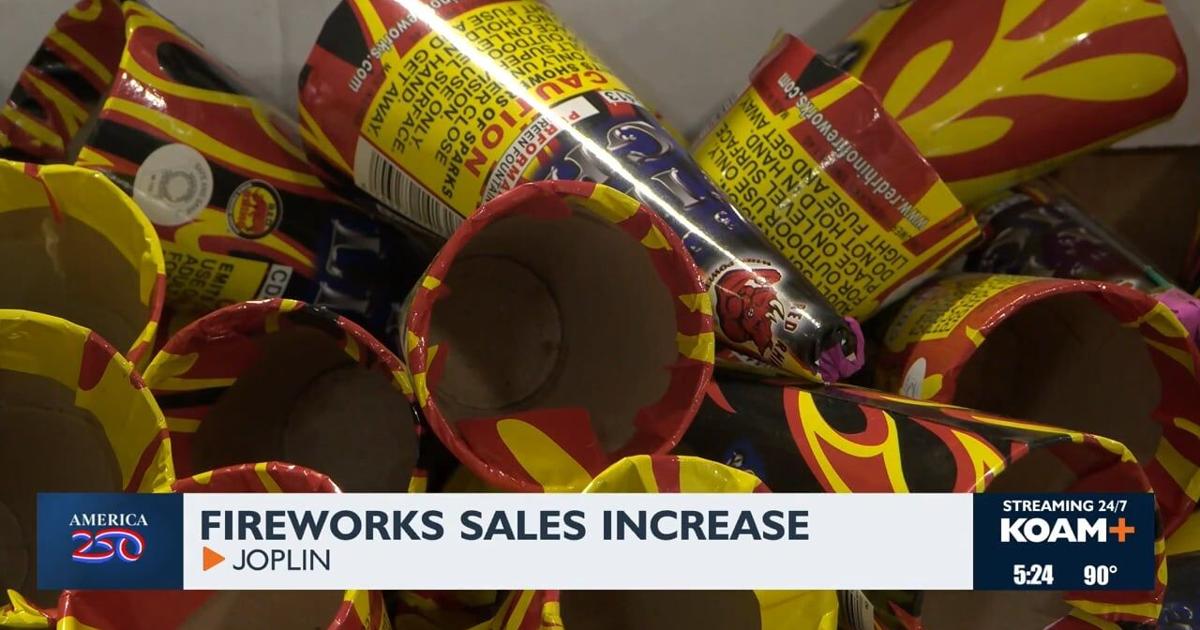
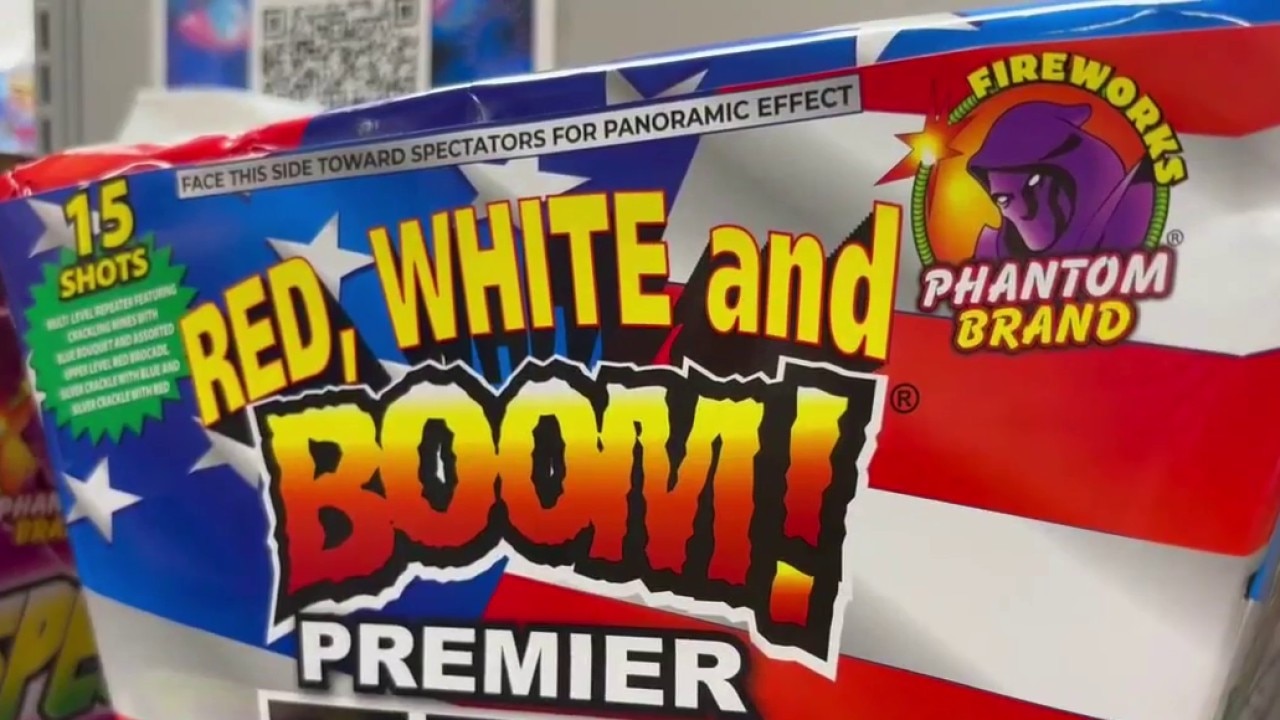
America's 250th birthday celebration in 2026 is creating a significant retail opportunity for fireworks and celebratory products, with major implications for both online sellers and physical retail expansion. Phantom Fireworks in Caledonia, Wisconsin reports a 20% sales surge, with approximately 50% of customers explicitly citing the 250th anniversary as motivation for larger purchases. Retailers nationwide are experiencing early buying patterns, with customers purchasing larger displays than historical norms and shopping earlier than typical seasonal cycles. This milestone event is driving increased consumer discretionary spending on premium celebratory products, similar to historical patterns during major national anniversaries.
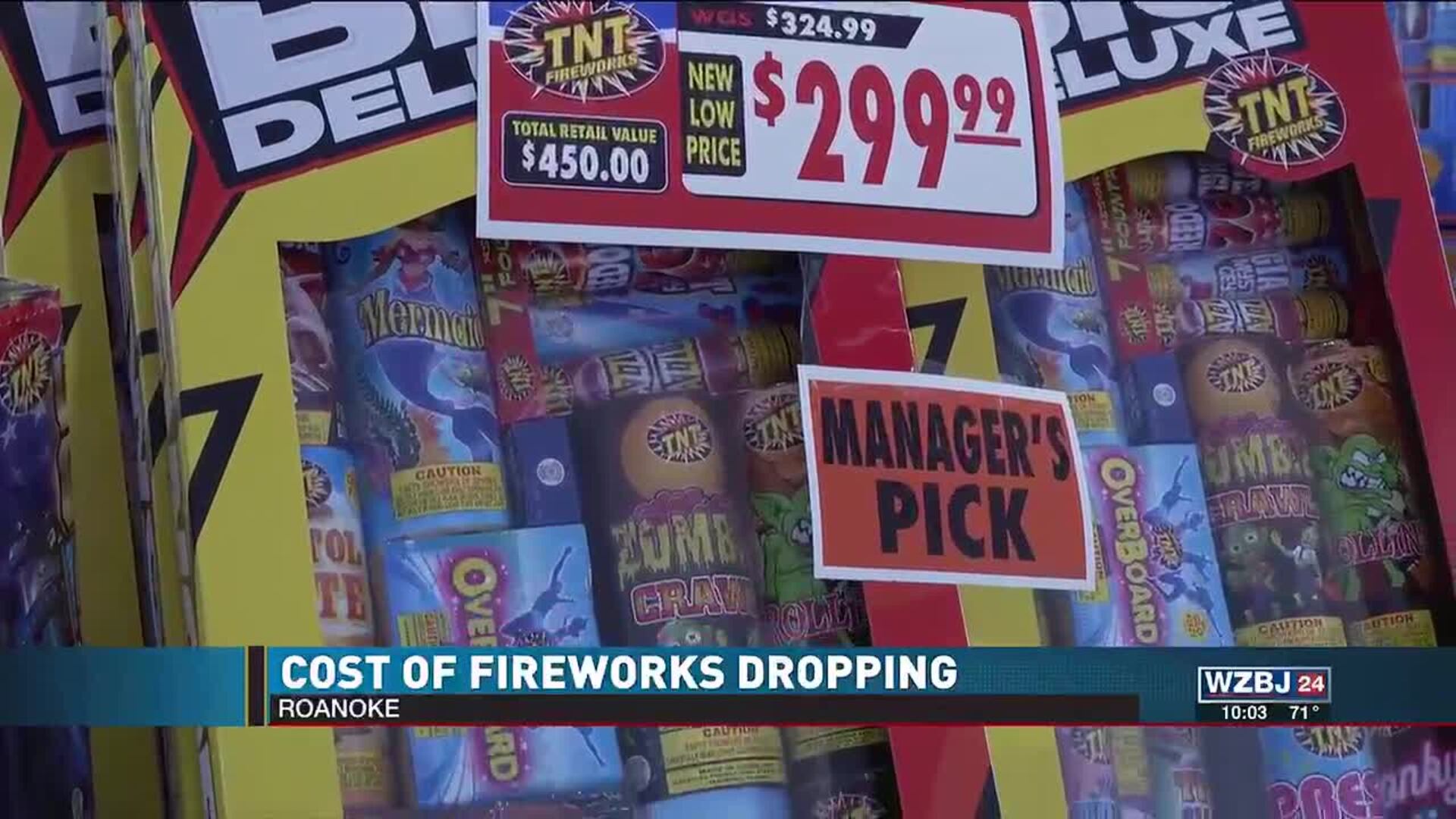
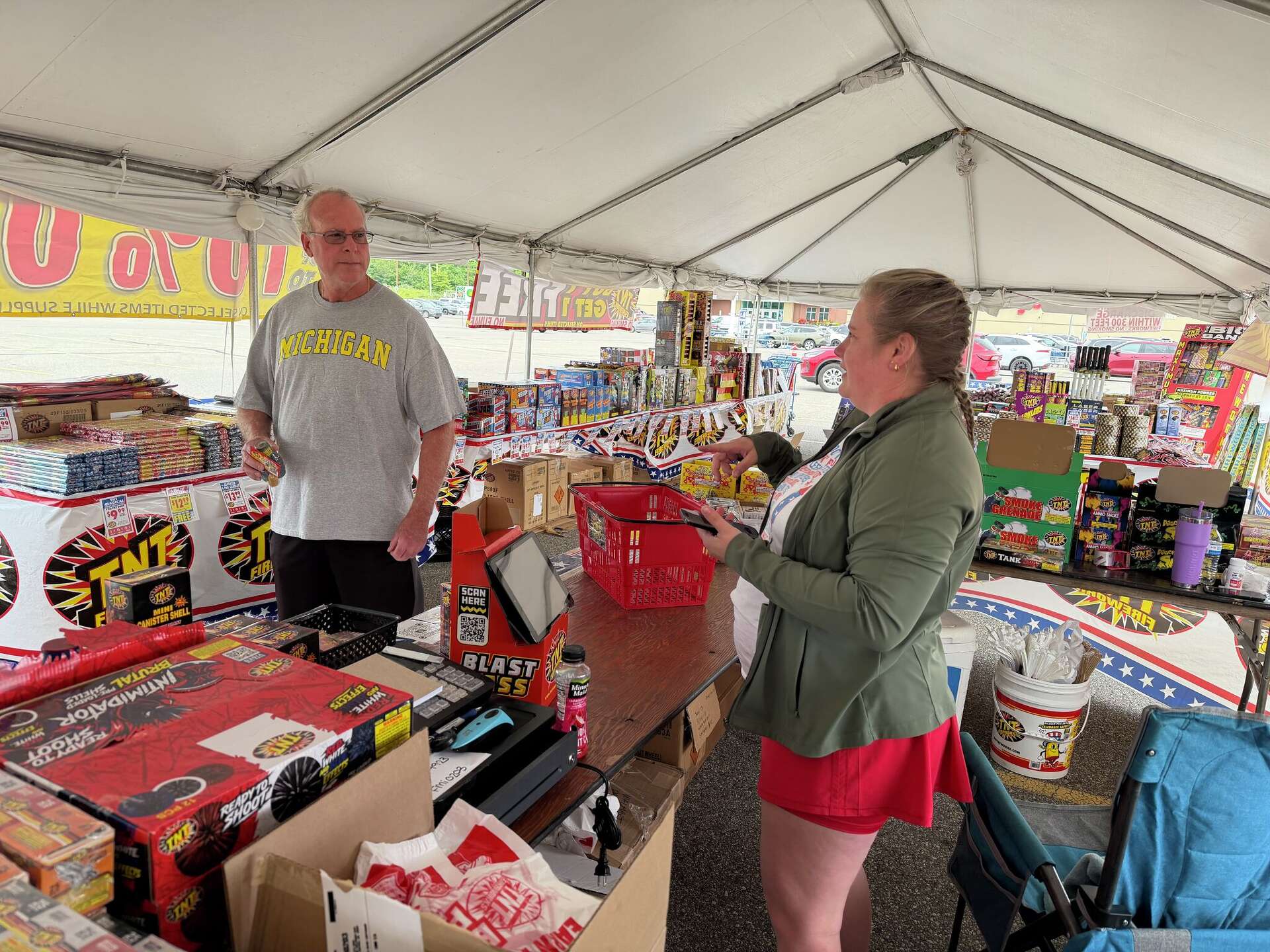
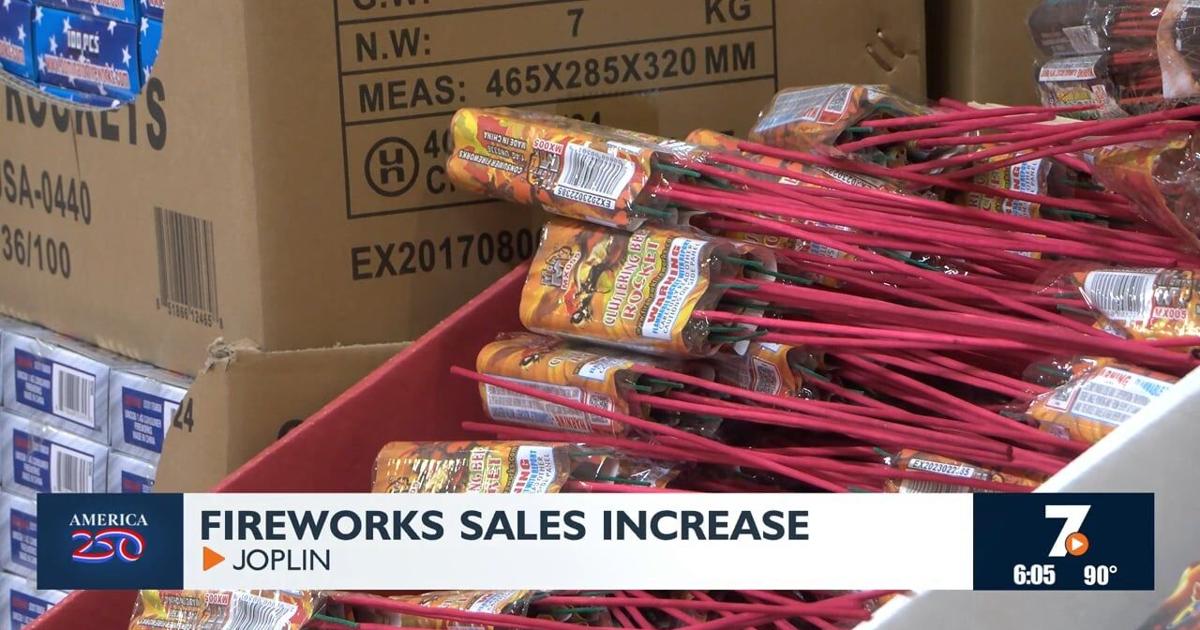
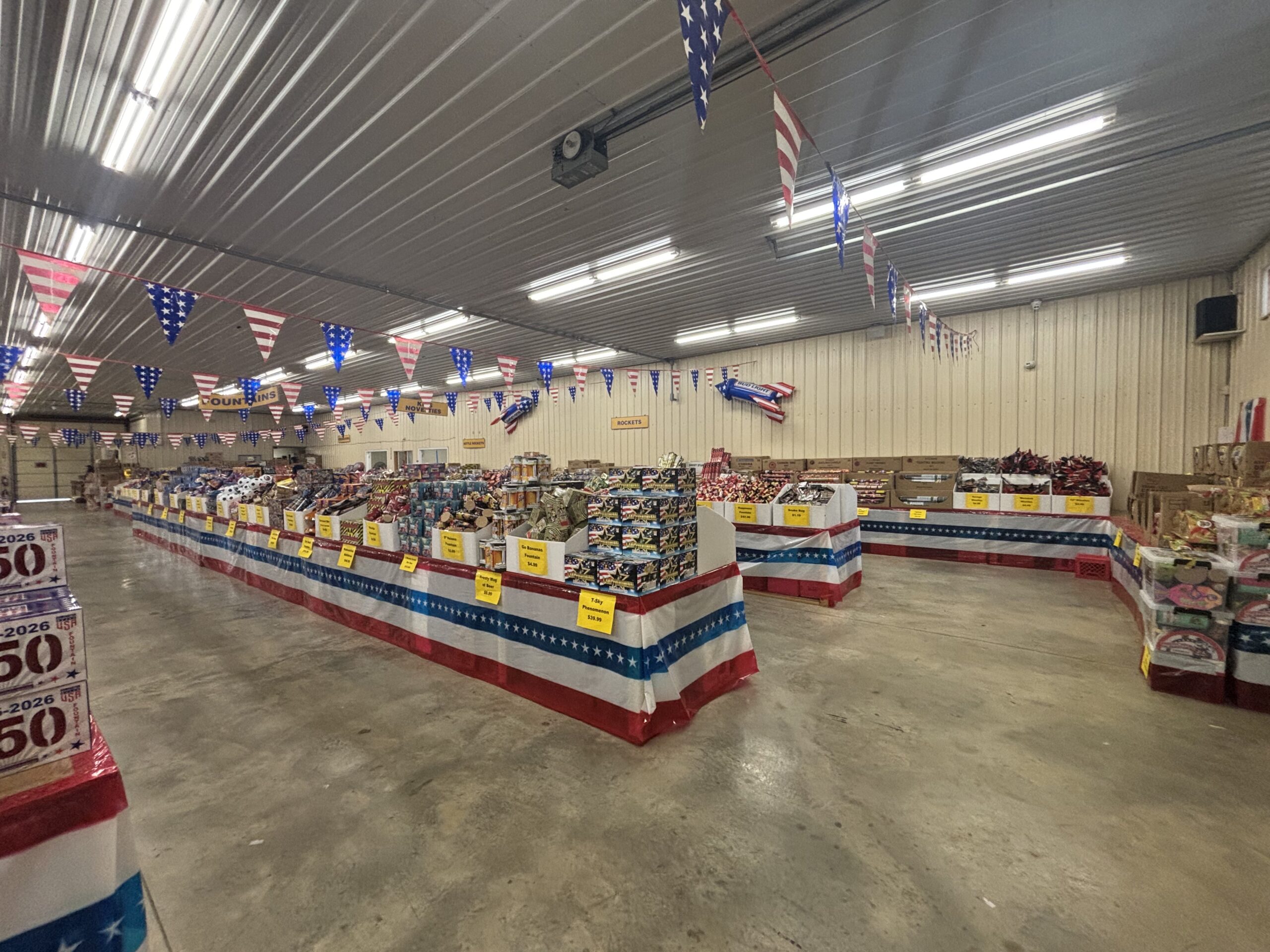
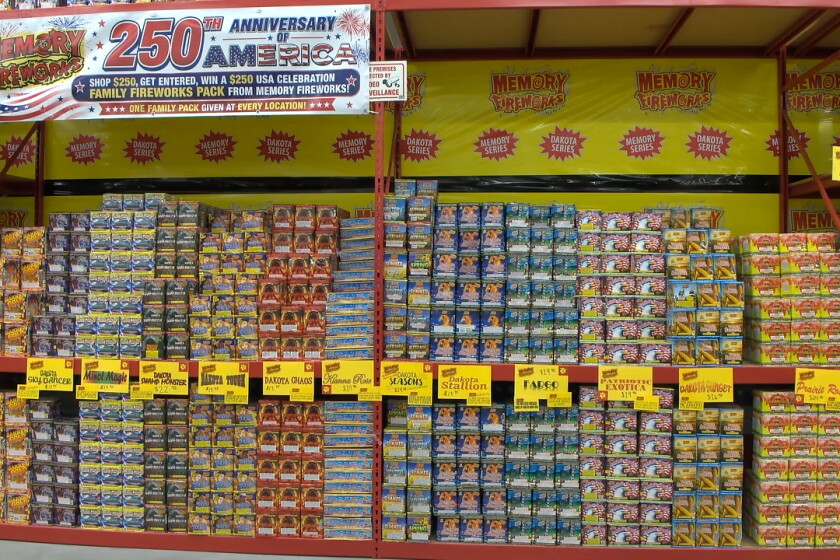
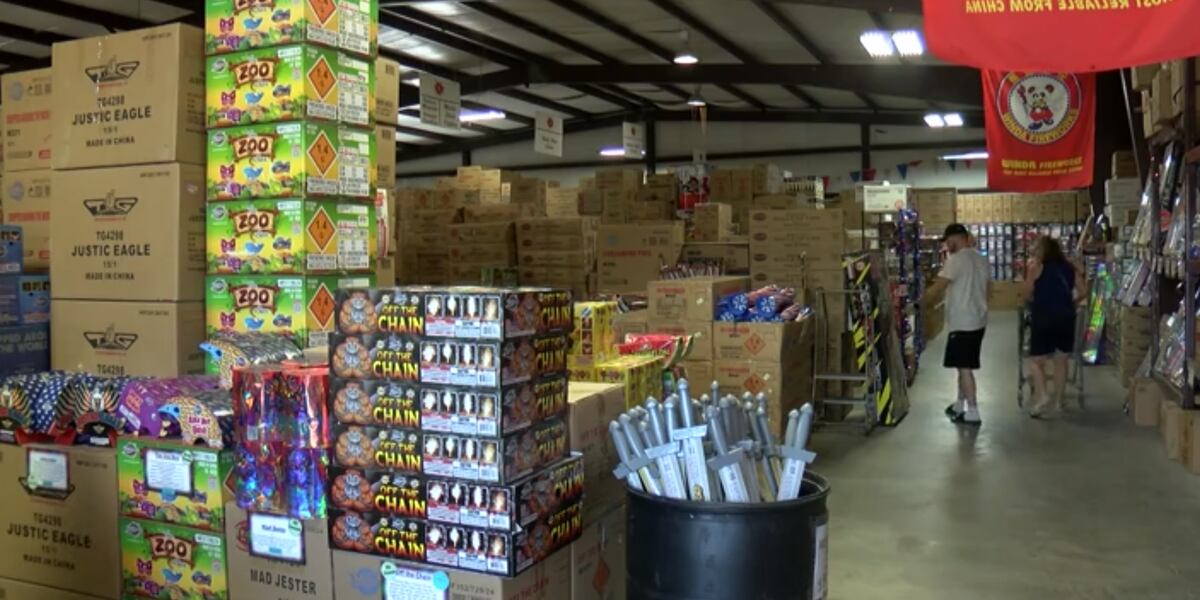
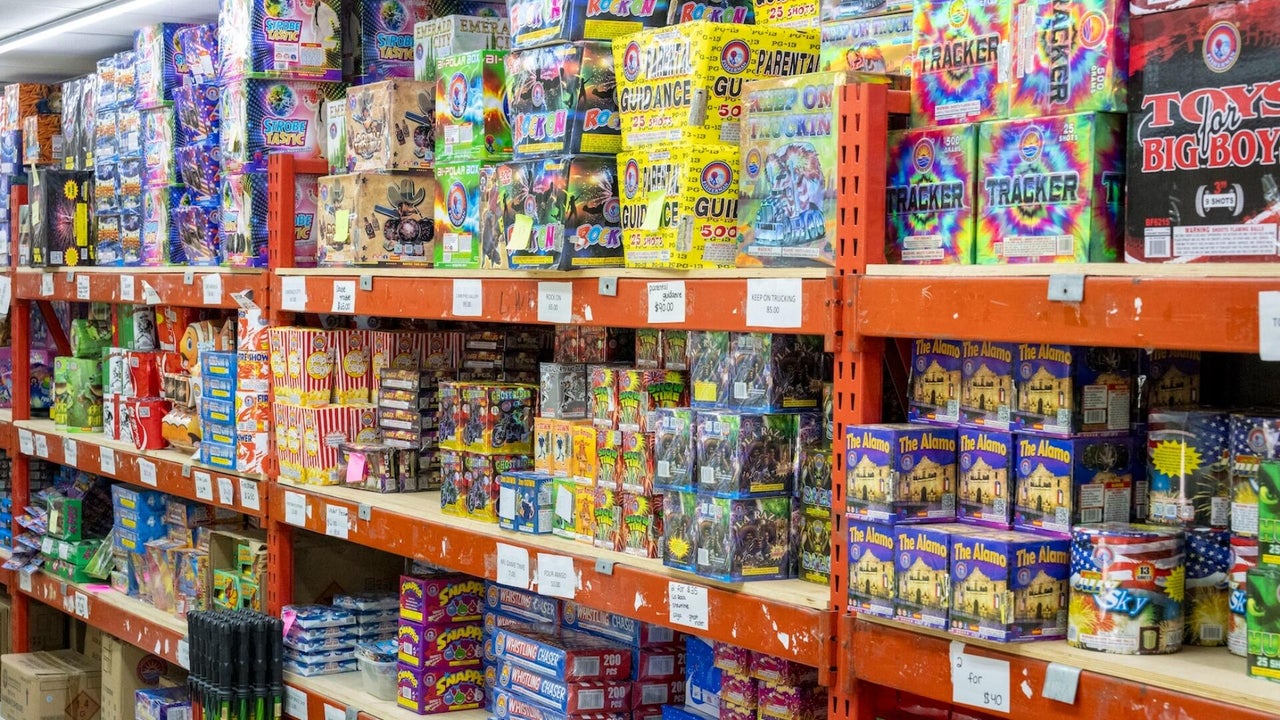
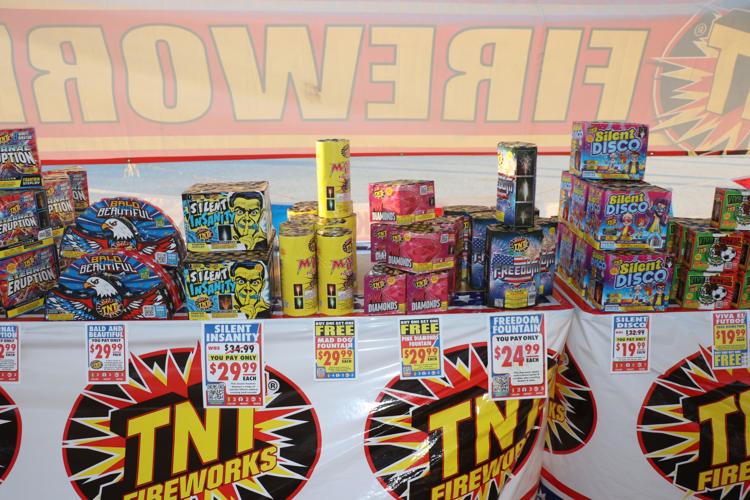
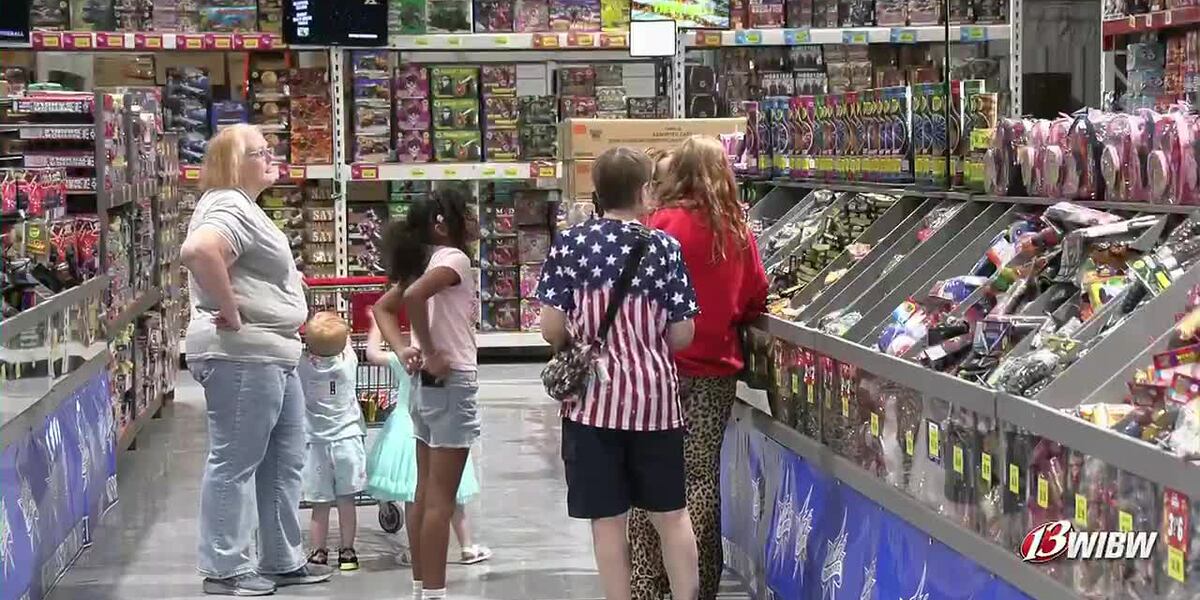
The offline retail opportunity is substantial for O2O-focused sellers. Phantom Fireworks locations across Pennsylvania and New Jersey report an influx of first-time buyers—customers who traditionally don't celebrate with fireworks but are motivated by the 250th anniversary milestone. This represents a critical window for pop-up stores, temporary showrooms, and retail partnerships in high-foot-traffic areas. Cities like Philadelphia, Pittsburgh, and Newark show concentrated demand for experiential retail touchpoints where consumers can view premium displays (ranging from $1-$500 per unit) before purchase. The product range expansion—from affordable sparklers to multi-shot displays with regulatory compliance (60-gram powder limits)—creates tiered merchandising opportunities for both online and offline channels.
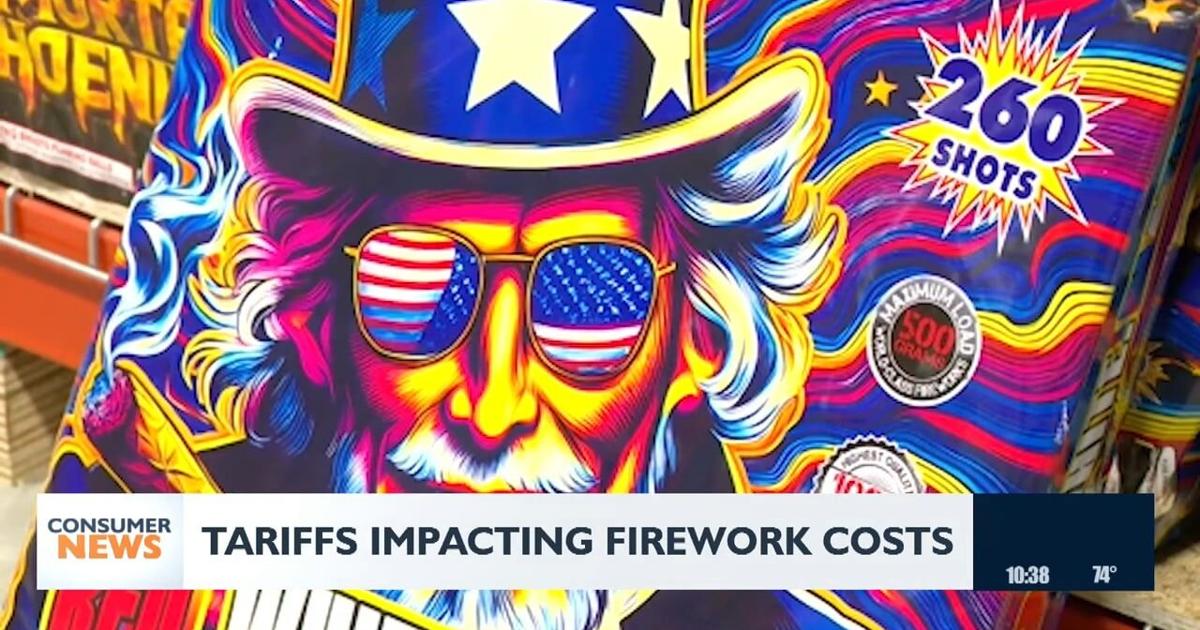
Supply chain constraints present both challenges and opportunities for strategic sellers. The National Fireworks Association identifies tariff uncertainty (10-30% rate fluctuations) and workforce limitations as critical operational challenges. Companies making purchasing decisions months in advance face unpredictable tariff rates depending on shipment timing. However, this scarcity creates premium pricing power and justifies offline presence to build brand trust. Retailers are recommending early shopping to avoid peak-season crowds, indicating sustained demand through July 2026. The two-tier competitive landscape—where well-funded municipalities secure premium displays while smaller communities face cancellations—mirrors the B2B2C opportunity for sellers to position themselves as solutions for underserved markets through pop-up retail and community partnerships.
Experiential retail and safety-focused merchandising differentiate in this category. Fire safety officials emphasize proper setup (150-foot distance from structures, flat open areas, water bucket proximity), creating opportunities for sellers to position themselves as safety-conscious retailers. In-store demonstrations, safety education content, and curated product bundles addressing regulatory compliance can drive conversion lift. The Chester City Fire Department reports 5-10 fire incidents nightly during holiday periods, making safety-focused marketing a competitive advantage. First-time buyers represent a high-LTV segment—converting them through offline touchpoints and educational content can establish long-term customer relationships extending beyond the 250th anniversary period.
Questions 7
What inventory management strategies should sellers implement for 2026?
Retailers nationwide are implementing inventory management strategies to balance supply with anticipated demand fluctuations throughout the celebration period. Key strategies include: (1) Early purchasing to lock in tariff rates before Q1 2026 and avoid peak-season price volatility; (2) Tiered inventory planning reflecting product range expansion (sparklers to $500 premium displays); (3) Regional demand forecasting based on population density and historical spending patterns; (4) Advance promotional campaigns to drive early purchasing and smooth demand curves. The National Fireworks Association recommends early shopping to avoid crowds during peak demand periods. Sellers should monitor workforce constraints (insufficient licensed pyrotechnicians) and plan for potential supply shortages by securing inventory 4-6 months in advance of peak season.
What retail partnership opportunities exist for underserved municipalities?
Small towns facing budget constraints represent a significant B2B2C opportunity. Hinesburg, Vermont budgeted $13,500 but received quotes of $20,000 minimum, forcing officials to reconsider celebration plans. AMS Displays reports turning down roughly 50 requests for the Independence Day season due to capacity constraints. Sellers can partner with local event organizers, community groups, and municipal governments to provide affordable display solutions through pop-up retail or direct-to-consumer channels. Offering tiered product bundles, group purchasing discounts, and flexible payment terms can capture this underserved segment. Drone show alternatives received negative community feedback, indicating residents prefer traditional fireworks—creating opportunity for sellers to position themselves as preferred suppliers for community celebrations.