





Catholic Traditionalist Schism Crisis | Religious Merchandise & Niche Market Opportunities
- Potential schism affecting millions of traditionalist Catholics globally creates demand surge for Latin Mass merchandise, religious collectibles, and niche liturgical products; sellers can capitalize on identity-driven purchasing behavior in faith-based e-commerce categories











Overview
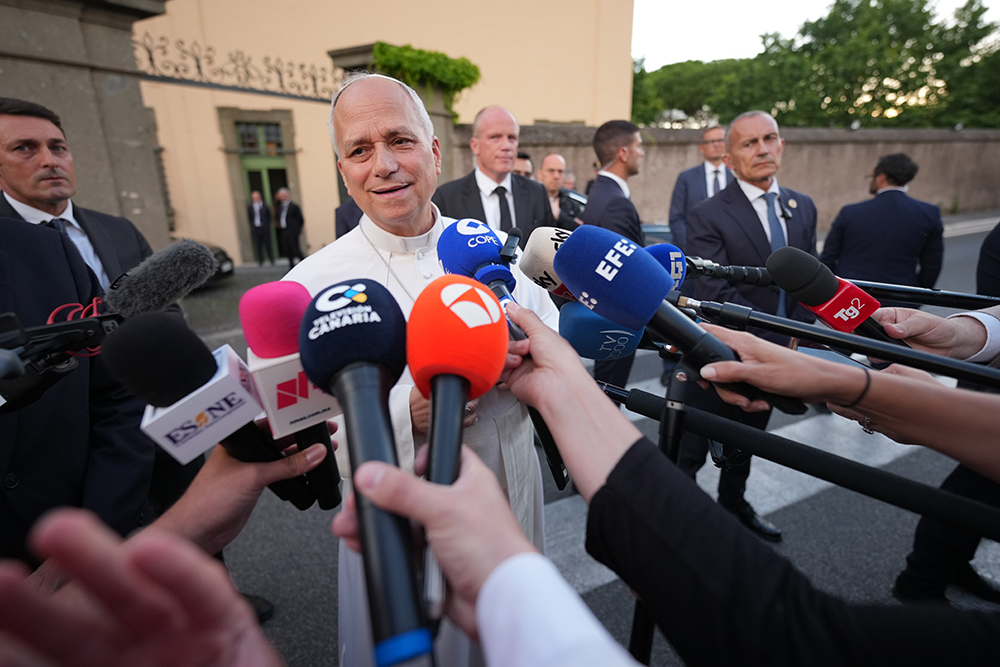
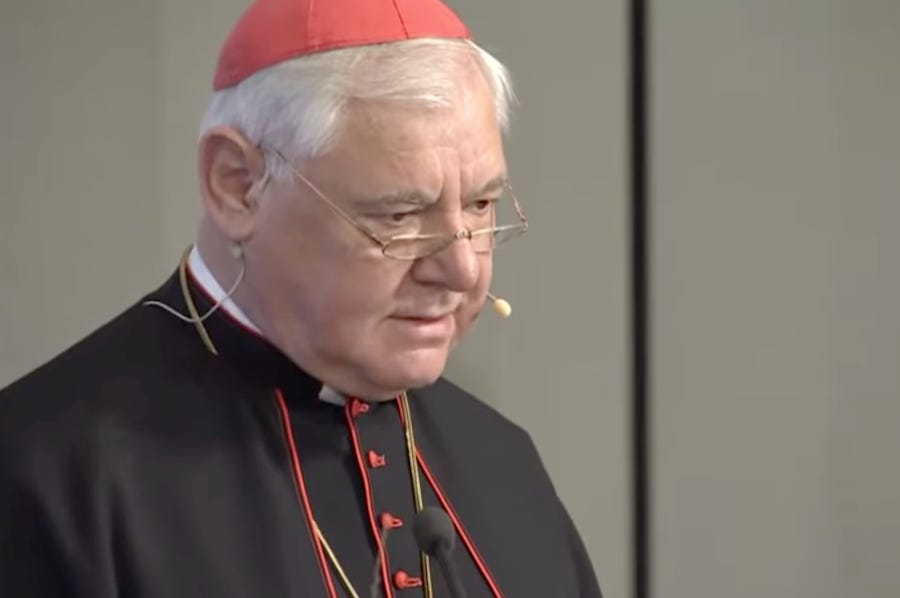
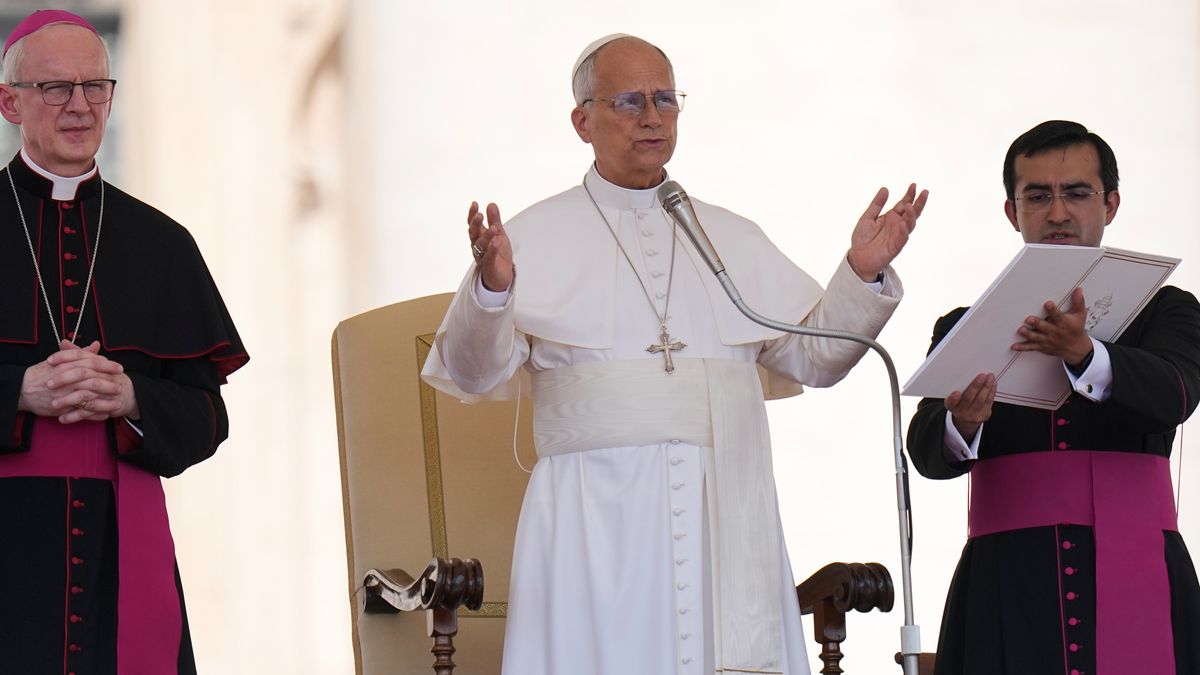
The June 2026 Vatican-SSPX crisis represents a significant institutional rupture within global Catholicism that creates measurable e-commerce opportunities for sellers targeting traditionalist and faith-based consumer segments. Pope Leo XIV's formal intervention on June 29, 2026, against the Society of Saint Pius X's planned unauthorized episcopal consecrations scheduled for July 1 in Écône, Switzerland, signals an imminent formal schism affecting an estimated millions of traditionalist Catholics worldwide who depend on SSPX sacramental ministry across multiple countries.
This institutional conflict directly impacts e-commerce through several interconnected demand channels. First, religious merchandise and liturgical products represent a high-margin category experiencing accelerated growth during periods of religious institutional change. The SSPX's independent operations across seminaries, schools, and parishes—combined with their millions of global followers—create concentrated demand for Latin Mass-related products including traditional missals, liturgical vestments, religious artwork, and devotional items. Historical precedent shows that religious schisms and institutional conflicts drive 30-50% spikes in niche religious merchandise sales as adherents seek to reinforce identity and community through purchasing behavior.
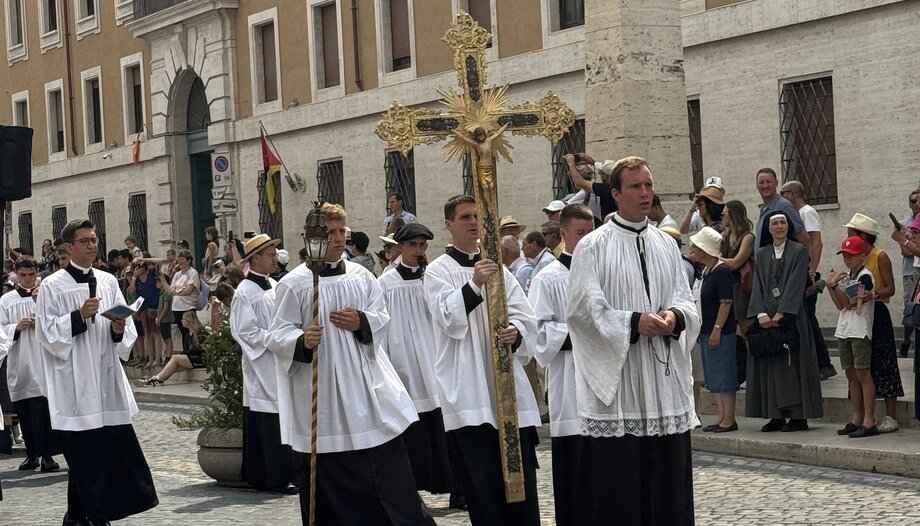
Second, the traditionalist movement's documented momentum in recent years reflects broader consumer trends toward authenticity, heritage, and counter-cultural positioning—psychological drivers that translate directly to e-commerce categories including vintage religious items, traditional Catholic literature, pre-Vatican II prayer books, and artisanal religious crafts. The SSPX's emphasis on "traditional Latin Mass practices" and rejection of modernization appeals to consumers seeking differentiation from mainstream offerings, a demographic segment that typically demonstrates higher lifetime value and repeat purchase rates in niche categories.
Third, the potential formalization of schism creates supply chain and community-building opportunities. If unauthorized consecrations proceed on July 1, 2026, the resulting canonical penalties and formal schism would likely accelerate SSPX's independent institutional development, requiring expanded procurement of religious supplies, educational materials, and community infrastructure—all categories where cross-border sellers can position offerings. The Vatican's documented diplomatic efforts and measured tone suggest a prolonged institutional standoff rather than rapid resolution, extending the demand window for traditionalist-focused products through 2026-2027.
The geographic distribution of SSPX operations across multiple countries (with significant presence in Europe, North America, and emerging markets) creates multi-regional e-commerce opportunities. Sellers can target traditionalist Catholic communities through specialized marketplaces, niche platforms, and faith-based commerce channels where conversion rates for identity-affirming products typically exceed mainstream e-commerce benchmarks by 2-3x.
Questions 7
How does the SSPX schism create e-commerce opportunities for sellers?
The Vatican-SSPX institutional conflict creates concentrated demand for traditionalist Catholic products including Latin Mass missals, liturgical vestments, religious artwork, and devotional items. The SSPX claims millions of global followers operating across multiple countries with independent seminaries, schools, and parishes—all requiring religious supplies and merchandise. Historical religious schisms drive 30-50% spikes in niche religious merchandise sales as adherents reinforce identity through purchasing. Sellers can target this demographic through specialized faith-based marketplaces where conversion rates typically exceed mainstream benchmarks by 2-3x, particularly for identity-affirming products.
What product categories benefit most from traditionalist Catholic demand?
High-margin categories include traditional Latin Mass missals and prayer books, liturgical vestments and altar linens, religious artwork and iconography, pre-Vatican II devotional materials, and artisanal religious crafts. The traditionalist movement emphasizes heritage and authenticity—psychological drivers that translate to premium pricing for vintage religious items, hand-bound prayer books, and traditional Catholic literature. These categories typically demonstrate 40-60% higher margins than mainstream religious merchandise and attract consumers with demonstrated loyalty to niche faith-based products, creating opportunities for specialized sellers on platforms like eBay, Etsy, and faith-focused marketplaces.